By Avrodita Chakladar | Project Leader
Tigers trapped in Live Wires
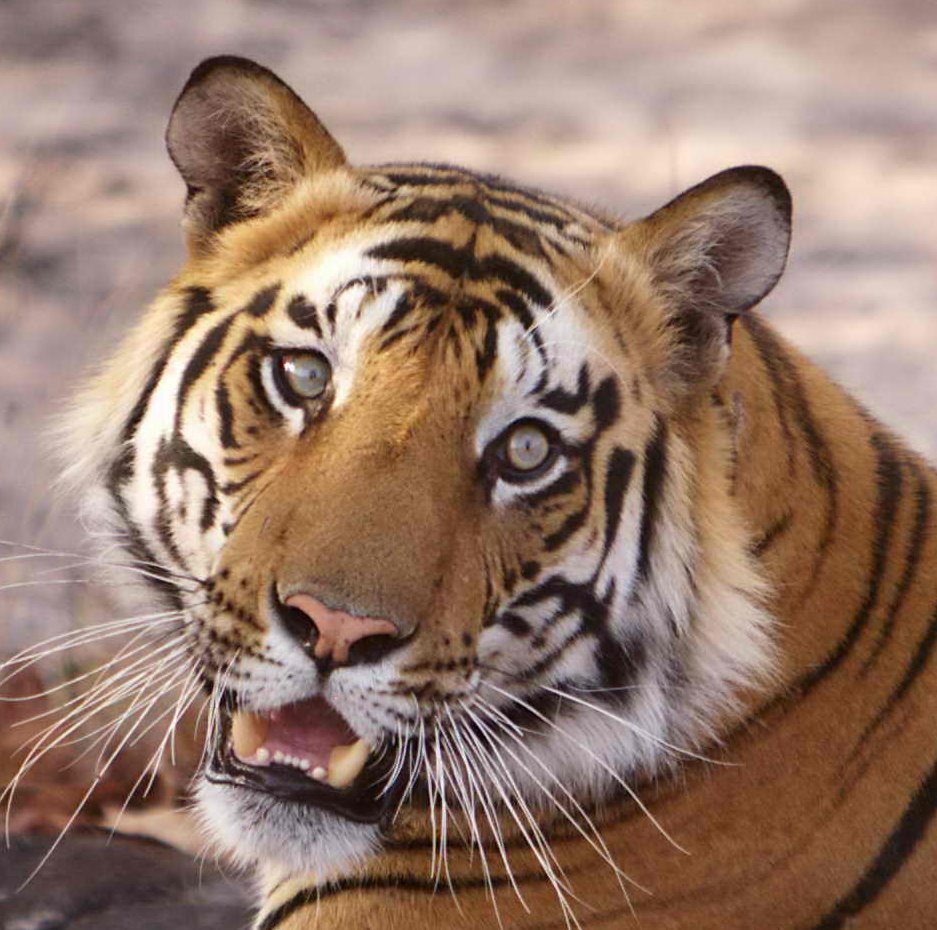
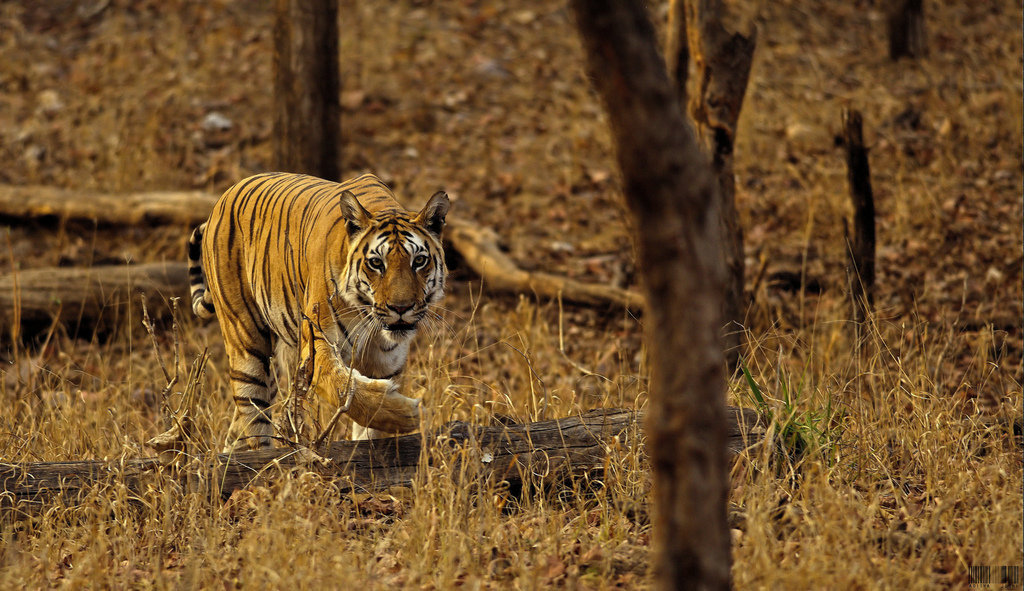
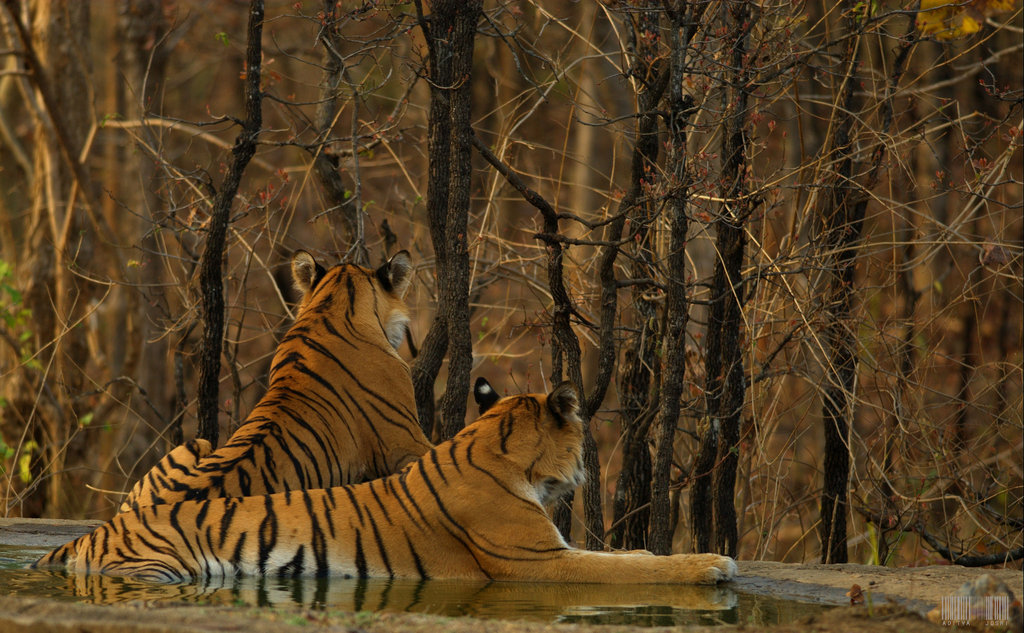
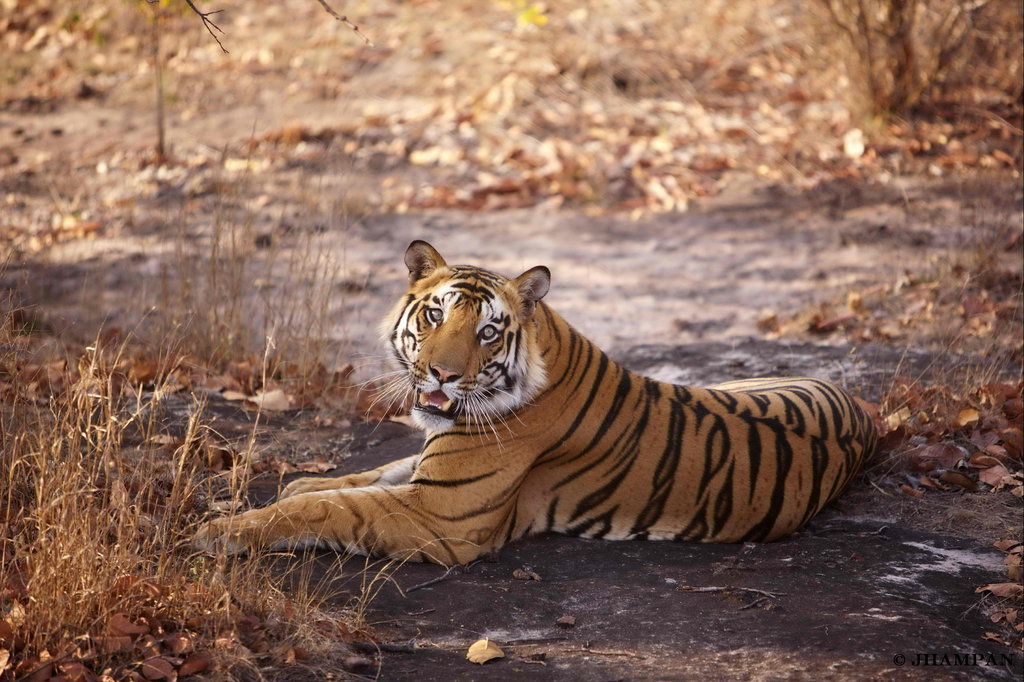
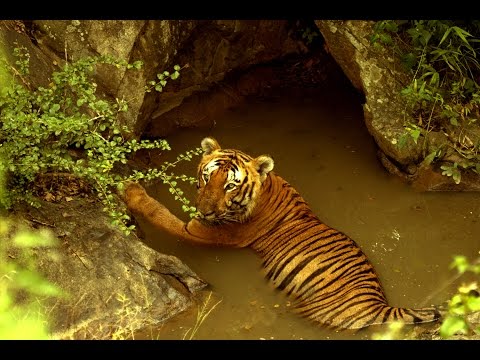
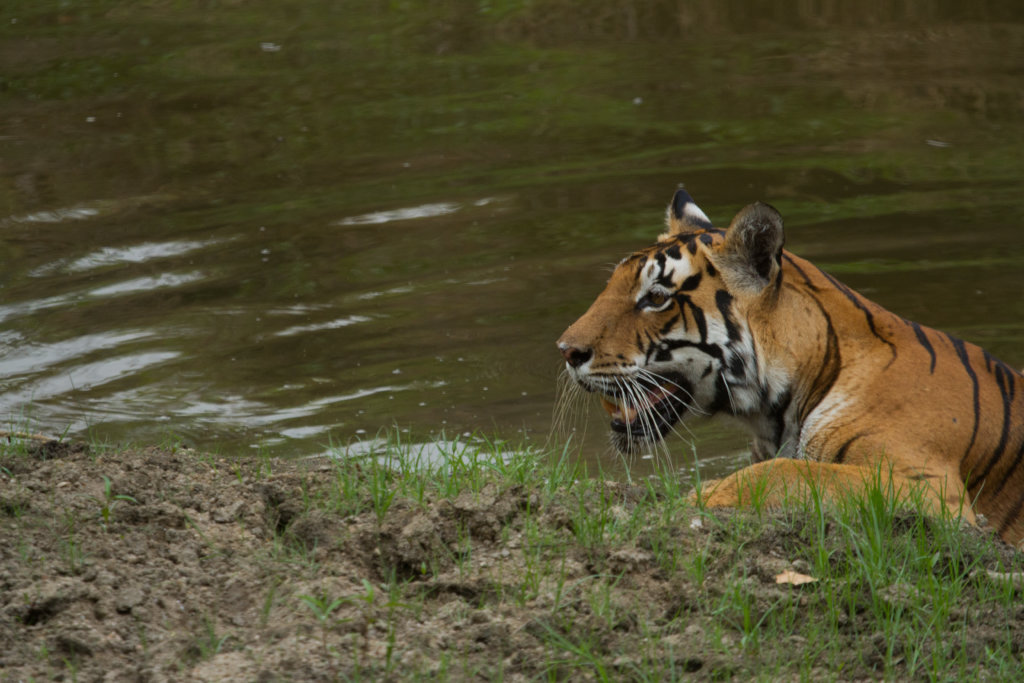
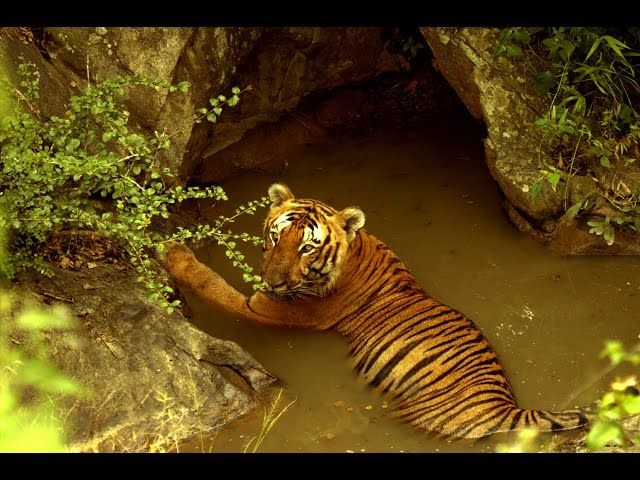
The charismatic national animal of India has been under the radar for decades now. Project Tiger initiated by the Government of India was one of the pioneering initiatives launched in 1973. The gradual yet successful progress from 9 Tiger Reserves (TR) to 50 today, shows the importance of the species. Yet we are still battling over threats like demand for tiger parts and its derivatives sold at exorbitant rates nationally and internationally. The movement of tigers outside protected areas as per their innate behaviour brings them closer to human contact adding to threats like human-tiger conflict, which are reported from all across the country.
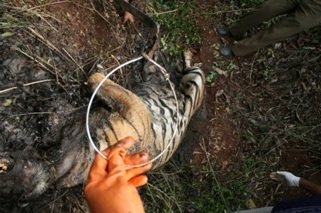
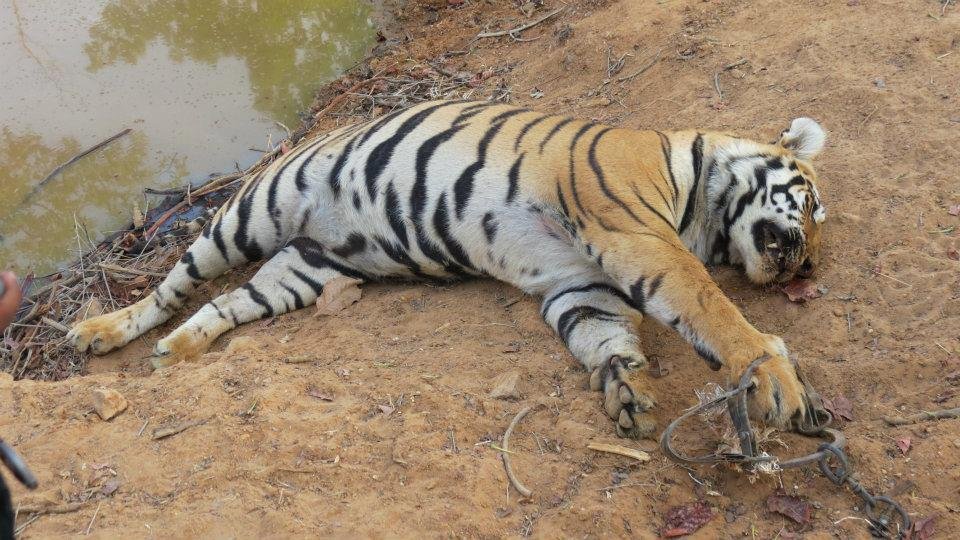
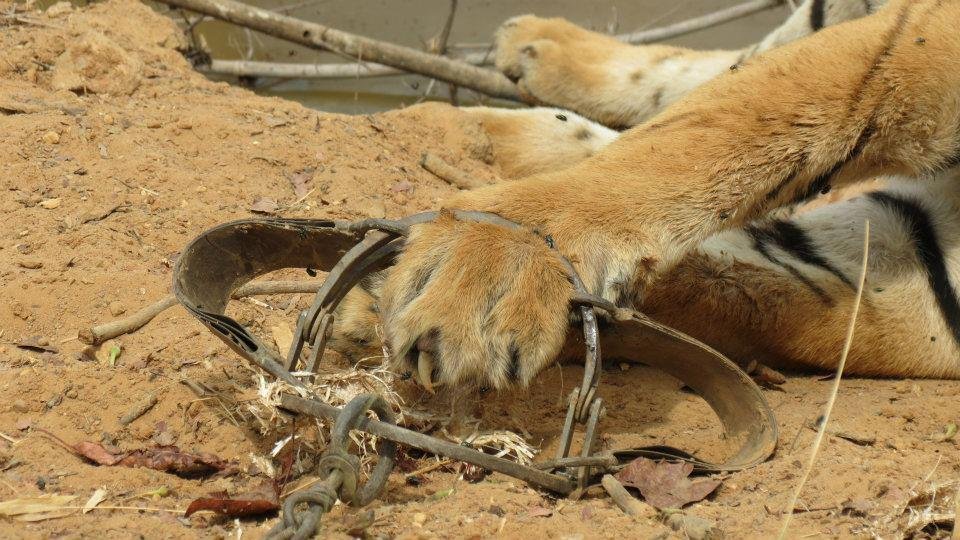
Poisoning, shooting, snares, and explosive-traps were earlier some of the popular poaching methods in Indian forests but today using ‘live’ electrical wire traps are the best silent solution that easily kill animals in an instant. Electrocution, a method in which a wired trap or fence of a high tension electric line passing near forests is used to kill animals, is a heinous trend today. This is either adopted by tiger poachers or by farmers to protect their fields from herbivores. Especially in villages close to tiger reserves, the heavy losses incurred due to crop raiding instigate farmers to lay live wires with a minimum of 440V and trap deer, wild boars etc. but, this often ends up accidentally trapping another mega fauna like Tigers, leopards, elephants etc.
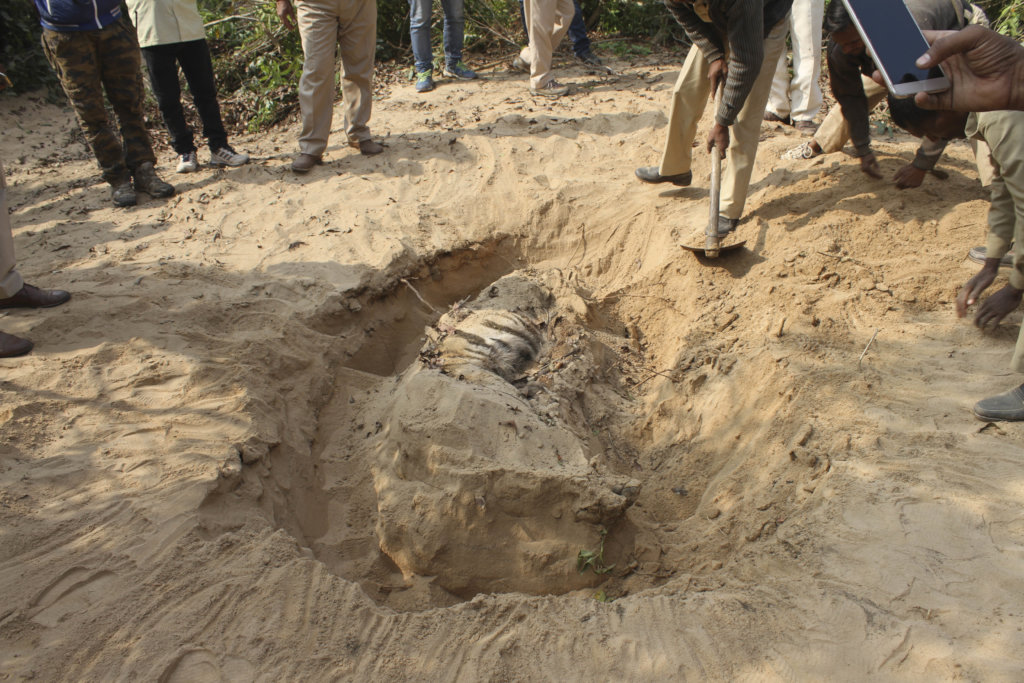
The recent death of a tiger in the backwaters of Kabini in Belthru village, Karnataka has raised a huge cry. The carcass was found floating with skin and canines intact but claws removed and tied in a plastic bag hanging to its foreleg. The post-mortem conducted by the forest department revealed the tiger was electrocuted as the heart had reduced to ashes and carcass was dumped in the river to evade prosecution. Not just tigers but several animals from the forests face the same plight today. Many cases such as this go hidden due to lack of evidence and adequate vigilance. In Meghamalai Tiger Reserve, Tamil Nadu the number of electrocution cases have been proliferating.
Meghamalai TR situated in the Western Ghats in Theni district, Tamil Nadu works as an excellent connectivity between Periyar TR and Grizzled Squirrel Wildlife Sanctuary. As per forest department records these moist tropical forests in the last ten years have witnessed around 90 sambar deer,200 wild pig, 4 elephants and an Indian Gaur. Several such cases in many Indian Tiger reserves go unnoticed and not long before a leopard or tiger gets un-trapped. Only active surveillance conducted within regular intervals can stop the rising incidents of electrocution in our country.
Thanks to your generous contribution in Global giving, Wildlife Trust of India successfully. The need for training forest guards and providing them the right equipment to help detect these fatal traps and also ensure personal safety is currently being taken as a priority. We kindly request for your philanthropic support to help us protect tigers.
Activities from Tiger Projects of WTI that are funded by other Donors
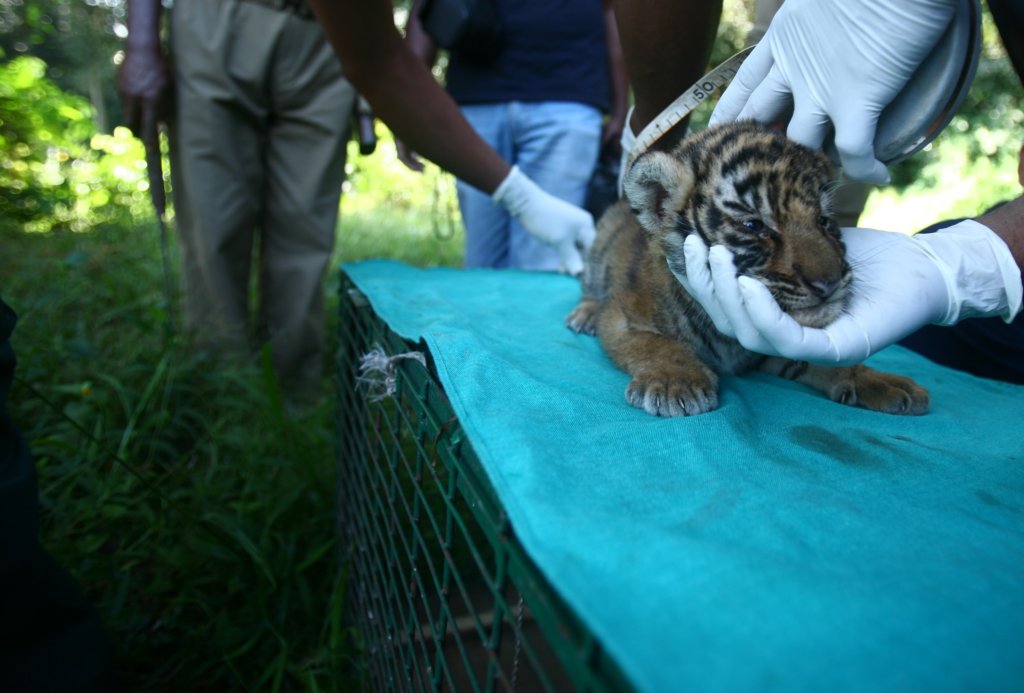
The shrinking habitats of wild animals due to escalating human population result in unsolicited and inevitable encounters between humans and wild animals in and around forests, leading to human wildlife conflict. WTI’s Rapid Response Team (RRT) was established to provide an expert emergency response to such conflict situations and address human big-cat conflict proximally. Comprising of three skillsets – a trained wildlife biologist, a sociologist and a wildlife veterinarian, the RRT is equipped with requisite equipment and a vehicle to efficiently address big cat conflict situations. At a conflict situation, each component of RRT brings together their expertise and strives to mitigate conflict without bringing the lives of people and the animal involved in danger. This includes intensive monitoring and identification of the animal by the biologist, awareness and crowd control by the sociologist, and if required, chemical capture and relocation of the animal involved with the help of the trained veterinarian.
Currently, the RRT is operational at two places – the Dudhwa Pilibhit landscape in Uttar Pradesh and the Vidarbha landscape in Maharashtra. Since its establishment, the RRT has attended to several human tiger conflict cases and directly intervened in 9 tiger conflict cases in Vidarbha landscape and 13 tiger cases in Dudhwa-Pilibhit. This involves intensive and regular monitoring of the tiger to avert any possible conflict in villages; providing safe passage; and direct capture and relocation of the tiger. Apart from direct interventions, the RRT plays an important role in other aspects that indirectly contribute to human tiger conflict mitigation and ultimately tiger conservation. These include awareness and sensitization of local communities, training of Frontline Forest Staff (FFS), treatment of other wild animals in distress, and conducting livestock immunizations camps.
This holistic approach aims at addressing human-big cat conflicts in the landscape using a proactive and multipronged strategy that could prove favourable to the wild animals and humans involved in conflict situations.
Links:
Project reports on GlobalGiving are posted directly to globalgiving.org by Project Leaders as they are completed, generally every 3-4 months. To protect the integrity of these documents, GlobalGiving does not alter them; therefore you may find some language or formatting issues.
If you donate to this project or have donated to this project, you can receive an email when this project posts a report. You can also subscribe for reports without donating.



Support this important cause by creating a personalized fundraising page.
Start a Fundraiser