By Akanksha Singh | Programme Officer
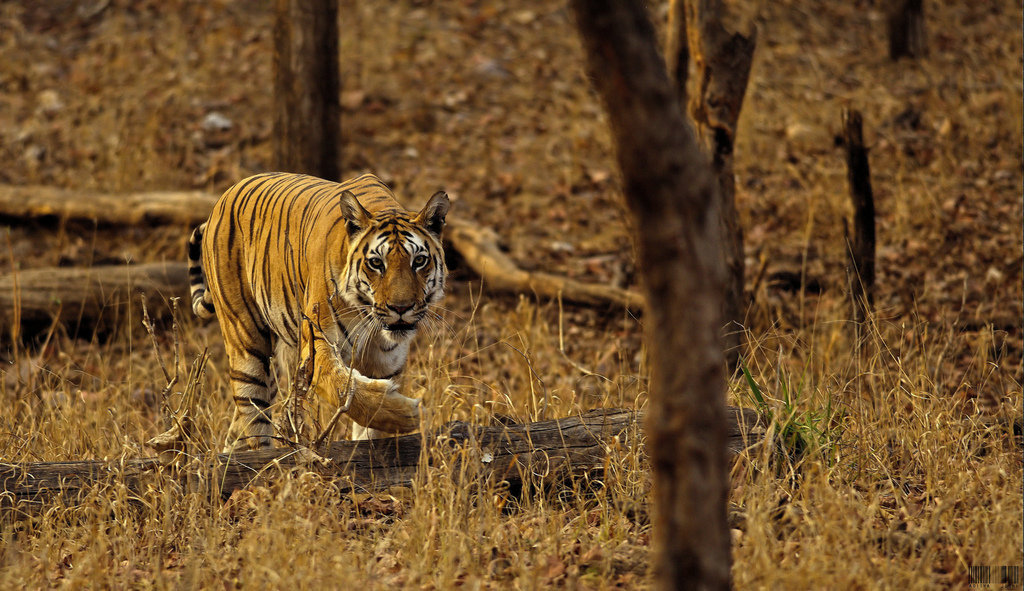
The Central India Tiger Landscape—spanning parts of Madhya Pradesh, Maharashtra, Chhattisgarh, and Telangana—supports nearly 37% of India’s wild tiger population and remains a global priority for conservation. However, increasing fragmentation from infrastructure and human pressures threatens vital ecological connectivity across this mosaic of forests and human-use areas. WTI’s project focuses on securing key corridors such as the Kanha–Achanakmar–Nagzira–Navegaon and Nagzira–Nawegaon–Tadoba linkages, which are essential for tiger dispersal, gene flow, and long-term population stability. Building on long-term work in the Navegaon–Nagzira Tiger Reserve landscape, the initiative combines scientific assessments, community engagement, and institutional collaboration to strengthen functional connectivity.
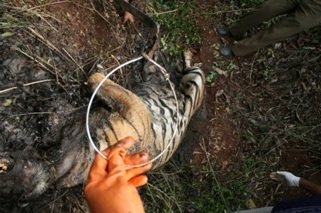
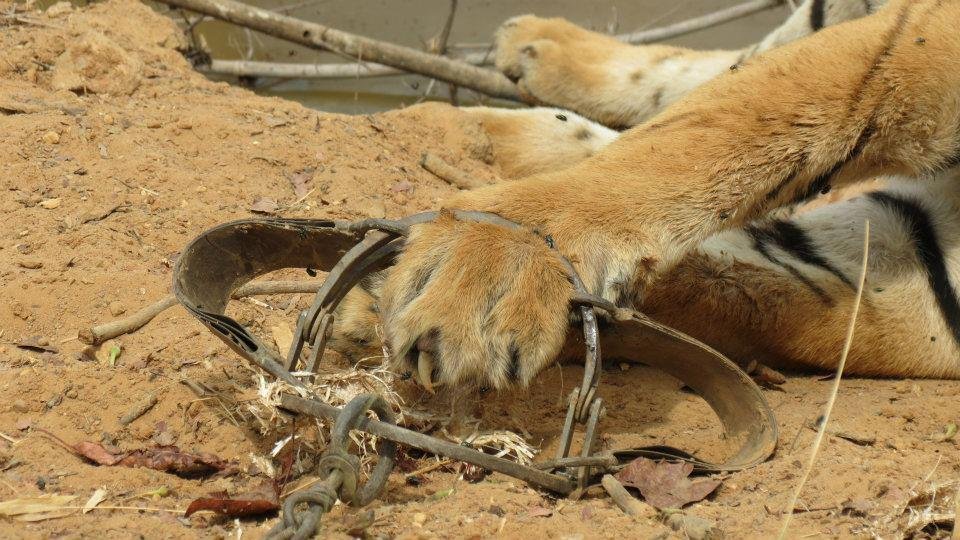
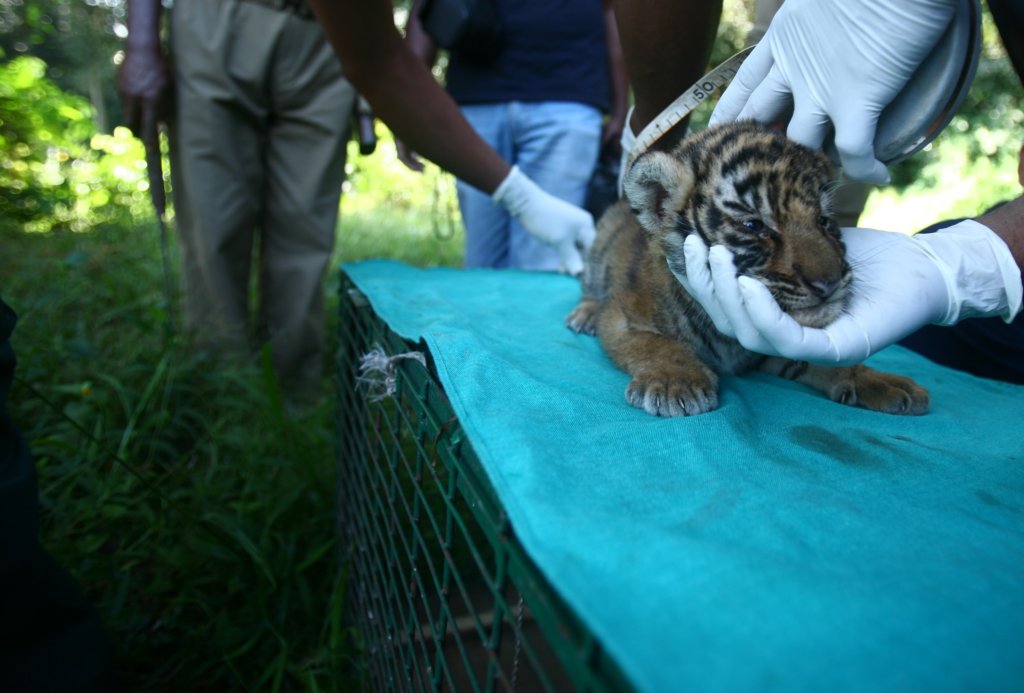
The project integrates occupancy surveys, camera trapping, and spatial analysis to assess corridor health and identify threats, alongside targeted mitigation measures such as anti-snare patrols and interventions to reduce electrocution risks. Community-based approaches—including the Green Corridor Champions network—support local stewardship, conflict mitigation, and awareness generation, while capacity building of frontline forest staff enhances enforcement and response. Through a science-based and community-rooted strategy, the project aims to secure critical wildlife corridors, enable natural tiger dispersal across state boundaries, and build resilient, locally supported conservation systems across Central India.
The Central India Tiger Landscape—spanning parts of Madhya Pradesh, Maharashtra, Chhattisgarh, and Telangana—supports nearly 37% of India’s wild tiger population and remains a global priority for conservation. However, increasing fragmentation from infrastructure and human pressures threatens vital ecological connectivity across this mosaic of forests and human-use areas. WTI’s project focuses on securing key corridors such as the Kanha–Achanakmar–Nagzira–Navegaon and Nagzira–Nawegaon–Tadoba linkages, which are essential for tiger dispersal, gene flow, and long-term population stability. Building on long-term work in the Navegaon–Nagzira Tiger Reserve landscape, the initiative combines scientific assessments, community engagement, and institutional collaboration to strengthen functional connectivity.
The project integrates occupancy surveys, camera trapping, and spatial analysis to assess corridor health and identify threats, alongside targeted mitigation measures such as anti-snare patrols and interventions to reduce electrocution risks. Community-based approaches—including the Green Corridor Champions network—support local stewardship, conflict mitigation, and awareness generation, while capacity building of frontline forest staff enhances enforcement and response. Through a science-based and community-rooted strategy, the project aims to secure critical wildlife corridors, enable natural tiger dispersal across state boundaries, and build resilient, locally supported conservation systems across Central India.
Project reports on GlobalGiving are posted directly to globalgiving.org by Project Leaders as they are completed, generally every 3-4 months. To protect the integrity of these documents, GlobalGiving does not alter them; therefore you may find some language or formatting issues.
If you donate to this project or have donated to this project, you can receive an email when this project posts a report. You can also subscribe for reports without donating.



Support this important cause by creating a personalized fundraising page.
Start a Fundraiser