By Anirudha Majumder | Officer In Charge
Background: Wildlife trade is identified as one of the major threats to the survival of many species in India. Several species of wildlife are under constant threat due to illegal commercial exploitation. Wildlife trade control is carried out by various enforcement agencies across the country.
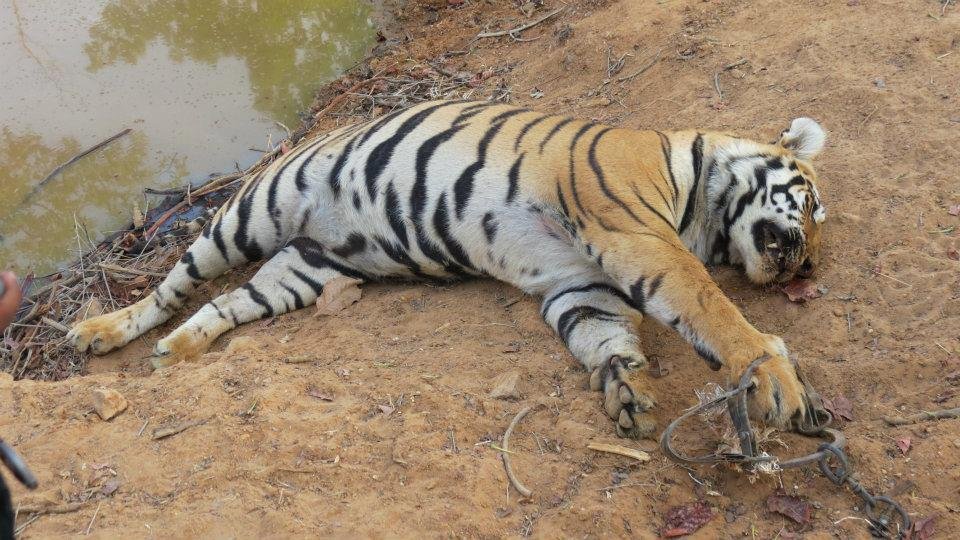
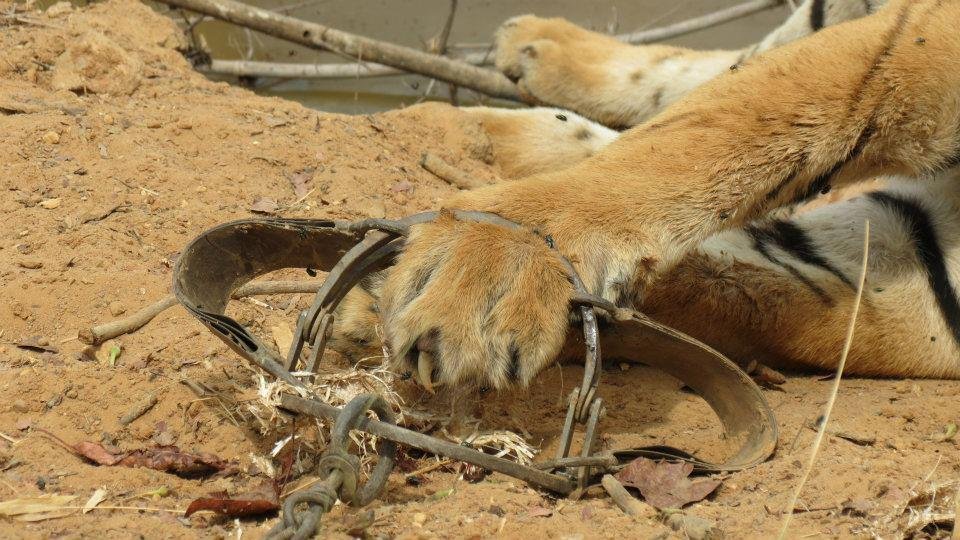
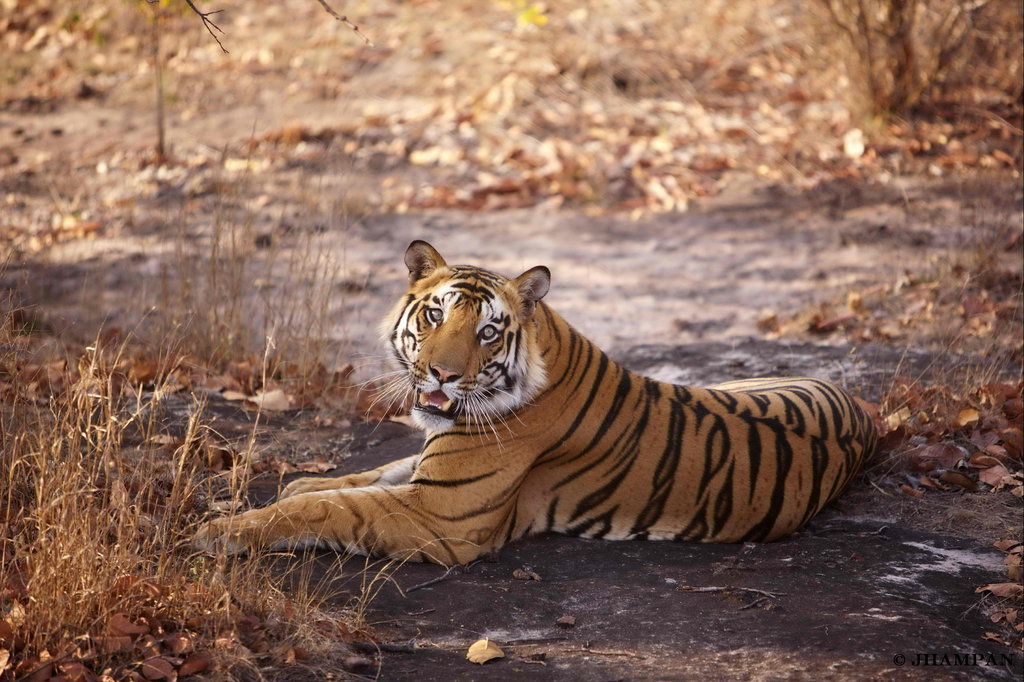
Wildlife Trust of India (WTI) tries to fill in certain gaps, by assisting these agencies through its Wildlife Trade Control Project. The project area, peninsular India is a historic source for animal products and trophies obtained from tigers, leopards elephants which are further traded in the international markets. The traditional tiger hunting communities such as pardhies and bawarias are also active in these areas. Poaching and trade of wildlife for bush-meat is also widespread across the region which affects not only the ecology of species like spotted deer, gaur and sambar but also the long-term survival of predators like tiger and leopard. Local hunters use hand-made guns, snares, etc., to poach wild animals and they sell valuable body parts to established gangs through existing networks of carriers and agents.
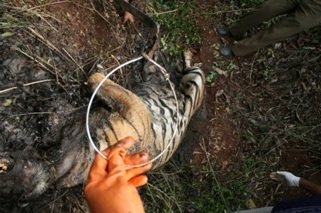
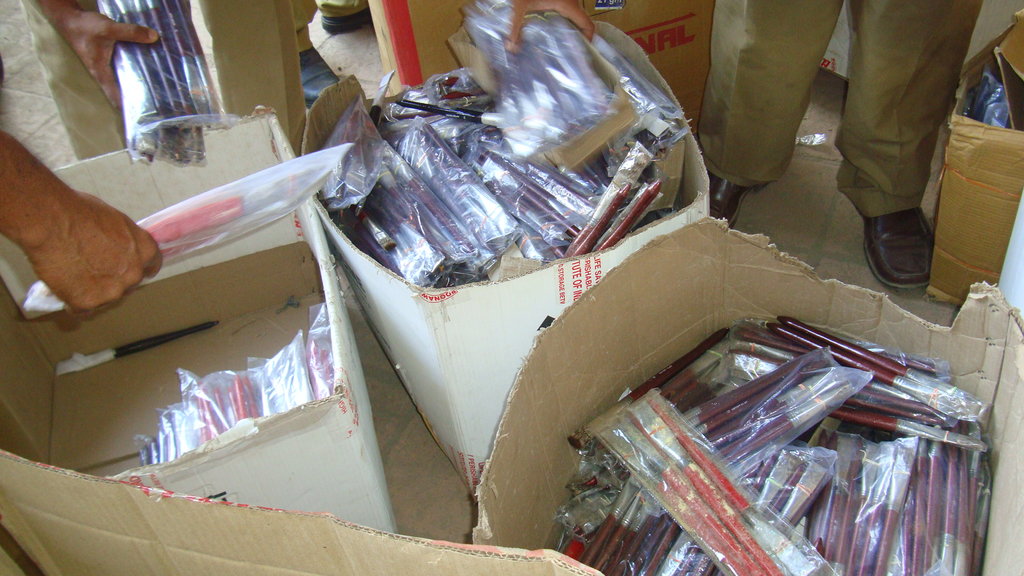
A number of interstate poaching gangs have been intercepted by various State Forest Departments with assistance from WTI's team. Since the start of the project in 2009, WTI has assisted State Forest Departments in confiscating tiger skins, leopard skins, ivory and arrest of suspects. Hundreds of wire snares have been removed during anti-snare walks which are conducted in association with frontline forest guards in Tiger Reserves. The project also acts as a platform to impart training to frontline staff in the Project area. WTI has also carried out anti snare work last year and removed number of electrocution and snare from those fringe and buffer areas. WTI team has also assisted in many cases to helping monitor wildlife crime and providing technical assistance. The trade control activities will be done in association with the local community and Forest Department.
Activities conducted during last quarter:-
The suspects were residents of Karnataka state, belonging to the Hakki Pikki community. They had both been involved in smuggling for a long time.
Our team is also looking into the highly lucrative and highly illegal pangolin and otter trade. The main aspects of the study will include a survey on the distribution pattern of the species and gathering intelligence on suspected poachers
Links:
Project reports on GlobalGiving are posted directly to globalgiving.org by Project Leaders as they are completed, generally every 3-4 months. To protect the integrity of these documents, GlobalGiving does not alter them; therefore you may find some language or formatting issues.
If you donate to this project or have donated to this project, you can receive an email when this project posts a report. You can also subscribe for reports without donating.



Support this important cause by creating a personalized fundraising page.
Start a Fundraiser