By Uma Athale | Project Officer
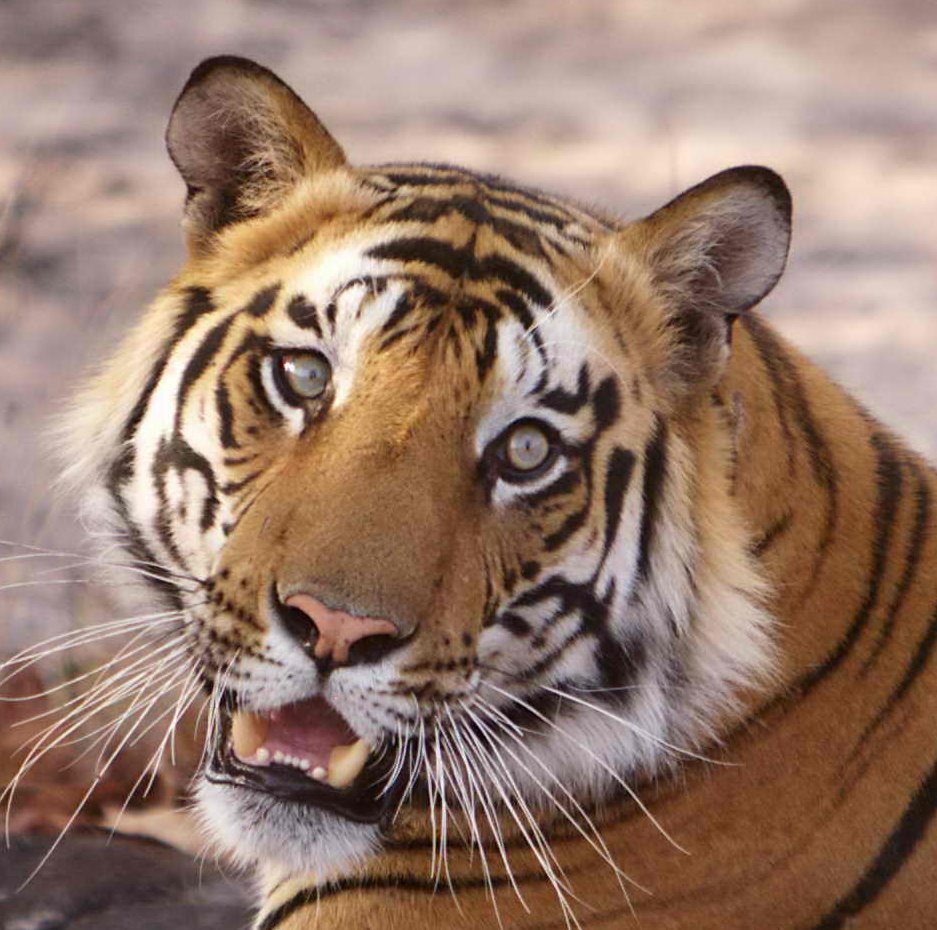
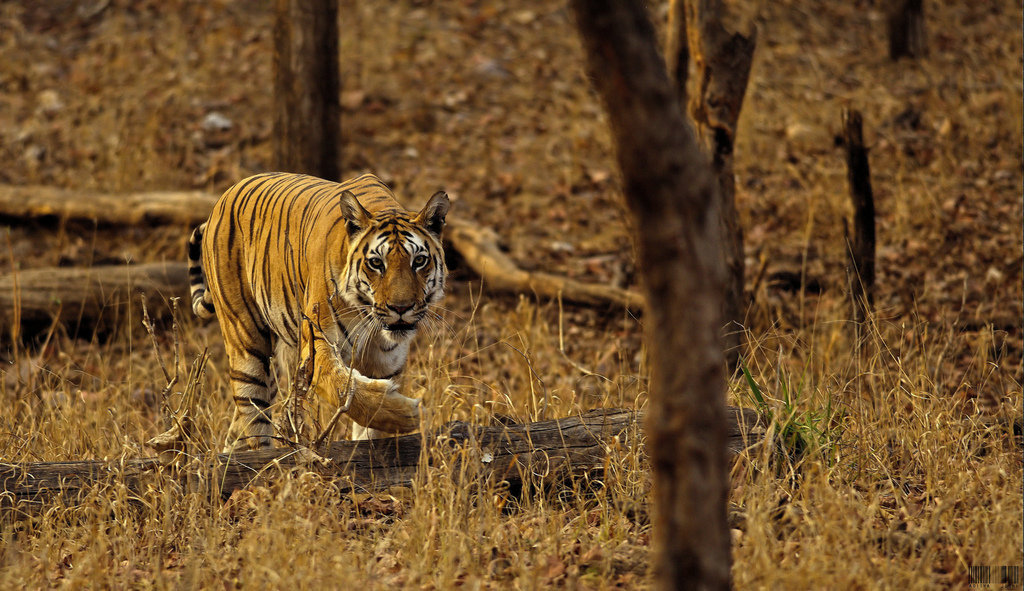
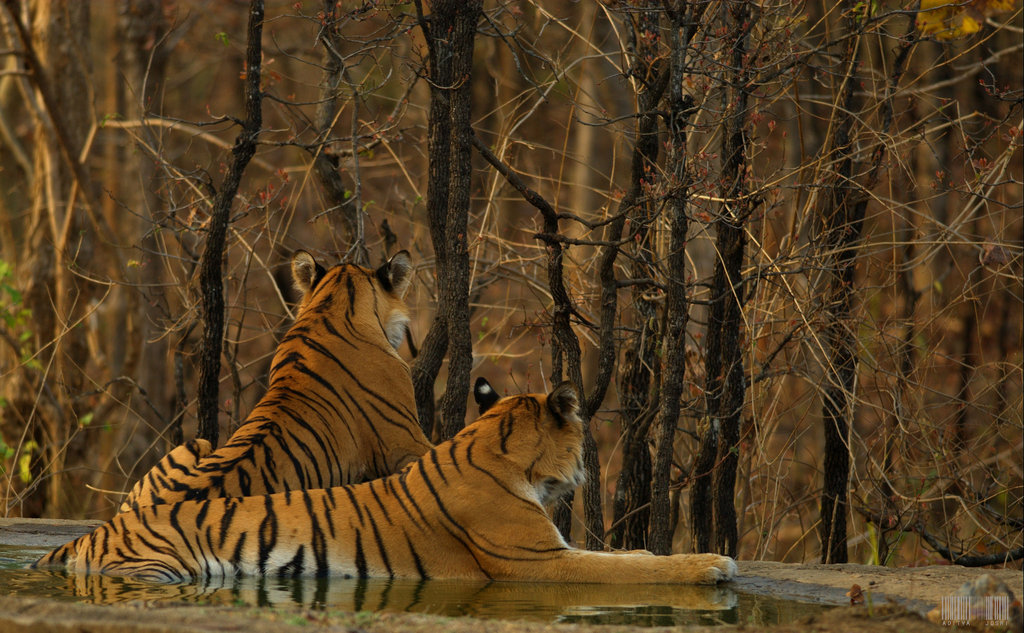
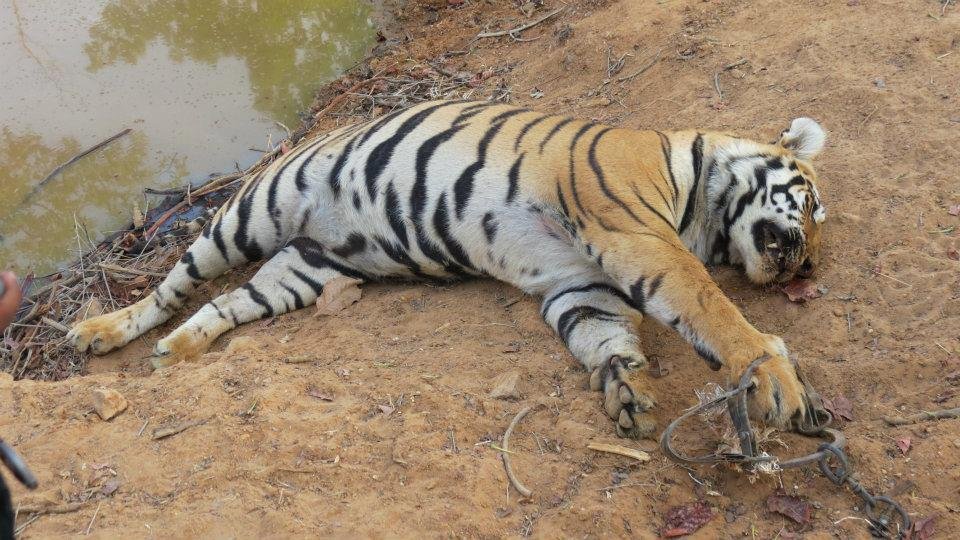
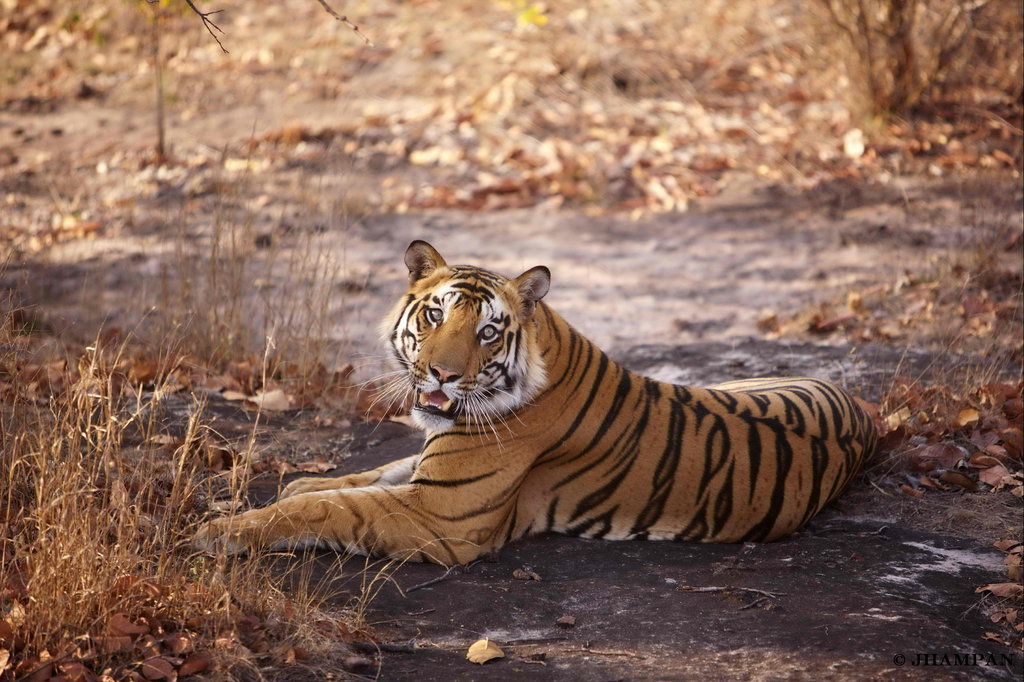
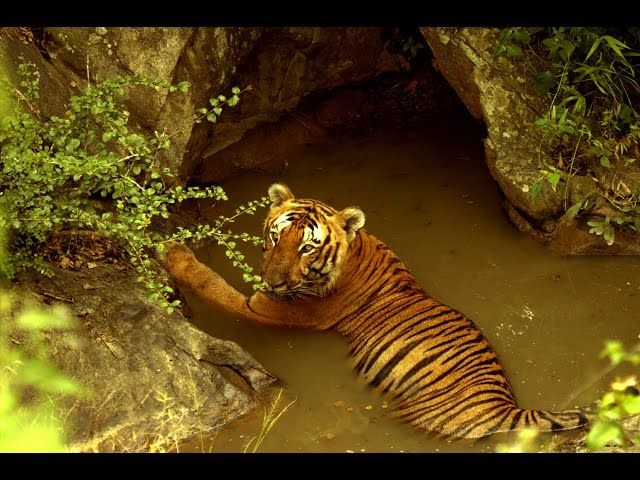
The decline of tigers across the world has been swift! Three subspecies of tigers became extinct during the second half of the 20th Century and the world’s wild tiger population has declined by over 95% since the turn of the 20th century. In 2014, the tiger population in India stood between 2011-2226 tigers only. With over 66 recorded tiger deaths in 2014, and 49 in 2015 (so far) we cannot afford to lose even a single tiger to poachers. Parks like Sariska (Rajasthan) and Panna (Madhya Pradesh) lost all their tigers to poaching some years back and are now on a slow path to recovery.
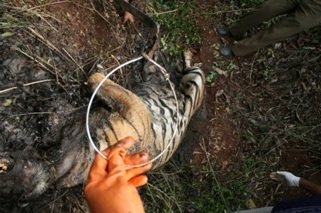
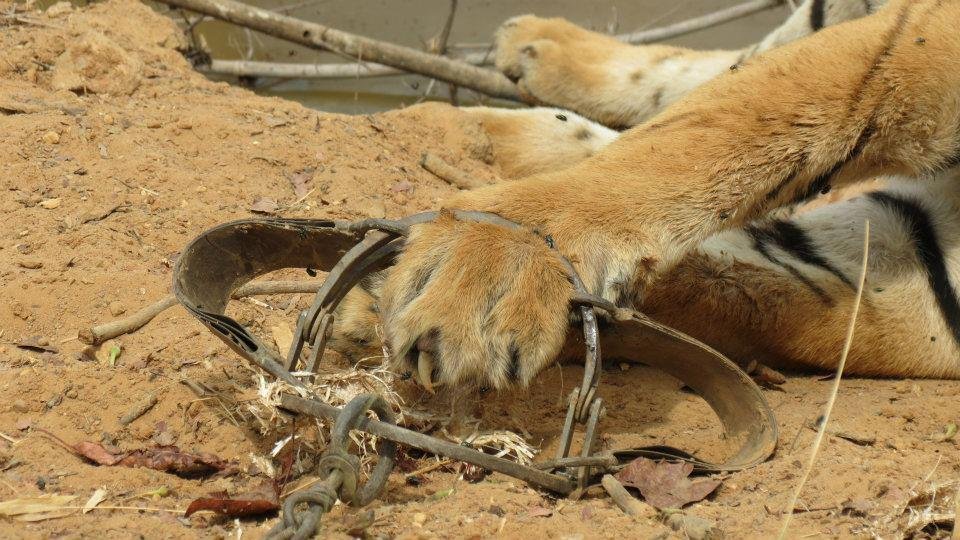
Organised poachers and local forest fringe communities layout metal jaw traps and wire noose snares which are hidden in the undergrowth and trap unsuspecting animals as they step into them. The animals either suffer slow agonizing deaths in these traps or are brutally killed by poachers who come to retrieve their “kill”. Snares are basically wire nooses which tighten around the animals’ limbs or body more and more as the animal struggles to get free. Both traps and snare can cause fractures and grievous wounds which get infected even if the animal manages to free itself.
This project has a multi pronged approach. The first is as a deterrent to villagers on the fringes from even laying the snares. The second is the actual removal of snares that have already been laid out. The third is building a strong network of informants to gather intelligence on wildlife crime in the region.
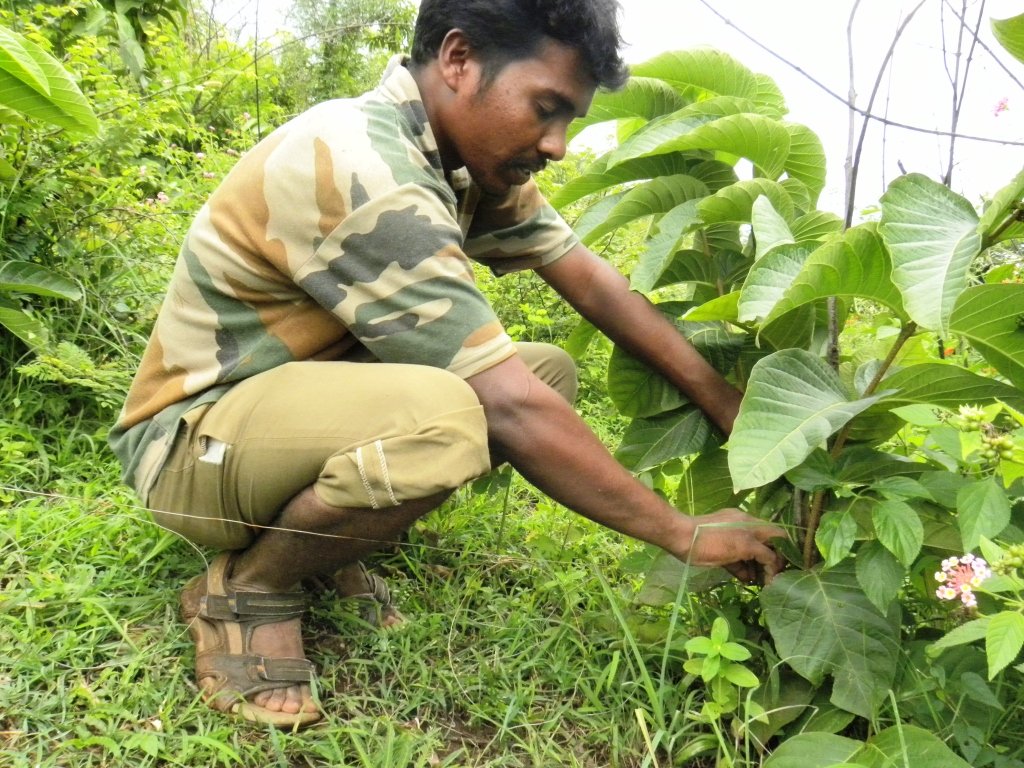
As the news of regular walks spreads, it deters poachers from carrying out their snaring activities as there is a strong possibility of their being caught and also of losing the traps they put out. The removal of snares is a preventive measure to protect the wildlife in the forest as snares will lie dormant until they are triggered.
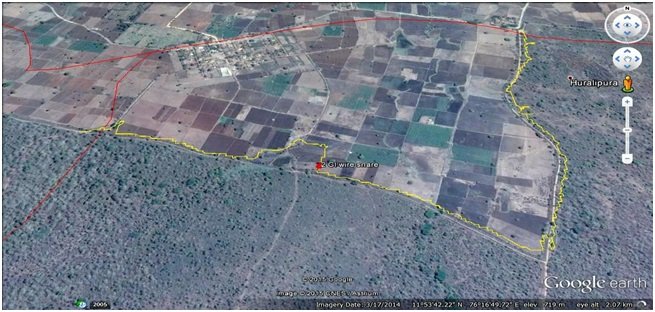
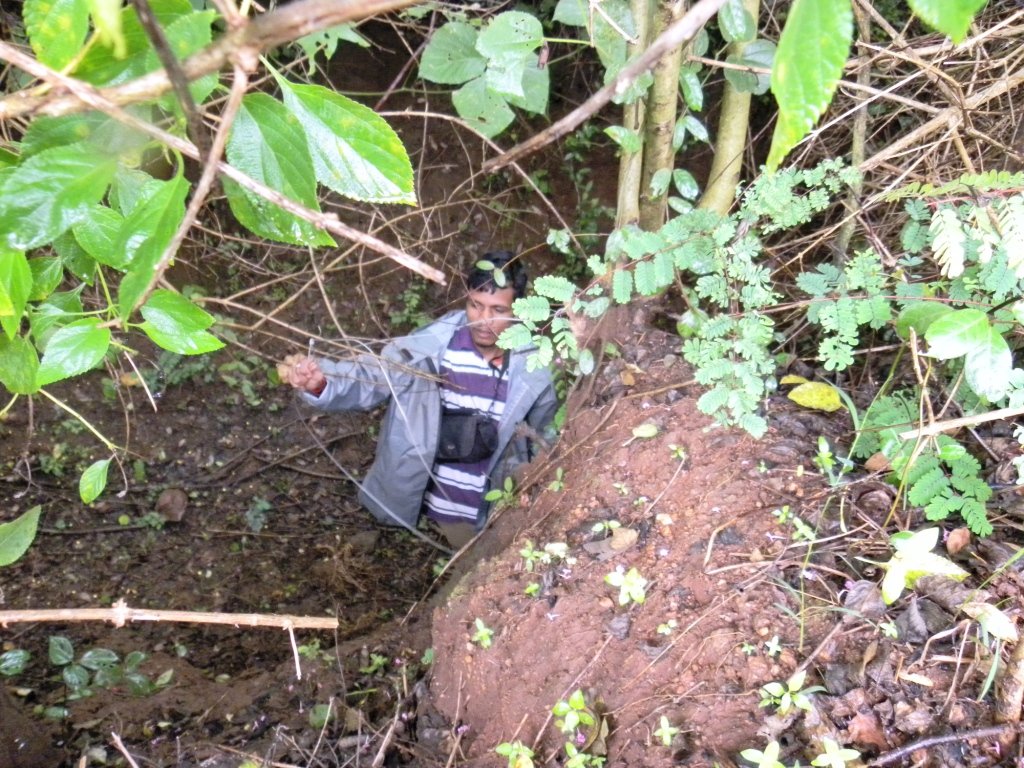
The anti snare walks are carried out along the fringes of the forests. The anti snare walk teams comprise of between 4 to 12 members including Forest Department staff, WTI staff and local youth volunteers. These teams walk distances of between 8 to 14 kilometres a day. All snares and traps that are found are geo tagged to mark their locations, disarmed and bought back to the Department office as evidence.
Plotting the locations of snares helps identify poaching hot spots. The locations of the anti snare walks are kept a secret until they start to avoid tip offs to poachers.
The N Begur Range of Bandipur Tiger Reserve has been an area with high incidences of snares. It was thus decided that the anti snare walks for the financial year 2015 – 16 would start off here. The anti snare walks this year have covered 6 ranges of Bandipur TR, namely Gundre, N Begur, Nugu, Omkar, Hediyala and Moliyur Ranges covering a total of 189.2 km. The other side of the park will be covered during the remainder of the year. 185 snares have been recovered so far.
Solar fence wires and bike clutch cables are the most preferred materials at Bandipur as these are easily available in the local village shops. They are also easily concealable under clothes and small bags. It has been observed that snares are mostly laid in the peripheral areas of the park. Suspects have also been caught red handed laying snares during the walks.
Meetings have also been held with the Forest Department to strategise further. The team is also aiding the Forest Department in compiling and creating a centralised database from 10 districts of all cases related to Wildlife crime. There are 128 cases that are being compiled to create a centralised intelligence cell.
The team has also been aiding the Forest Department with dealing with Human Animal Conflict. A two and a half year old female leopard was rescued from Bachahalli village.
The Bandipur Forest Department has commended the anti snare walks and their importance in protecting the wildlife of the region.
Project reports on GlobalGiving are posted directly to globalgiving.org by Project Leaders as they are completed, generally every 3-4 months. To protect the integrity of these documents, GlobalGiving does not alter them; therefore you may find some language or formatting issues.
If you donate to this project or have donated to this project, you can receive an email when this project posts a report. You can also subscribe for reports without donating.



Support this important cause by creating a personalized fundraising page.
Start a Fundraiser