By Harsha Doriya | Assistant project officer
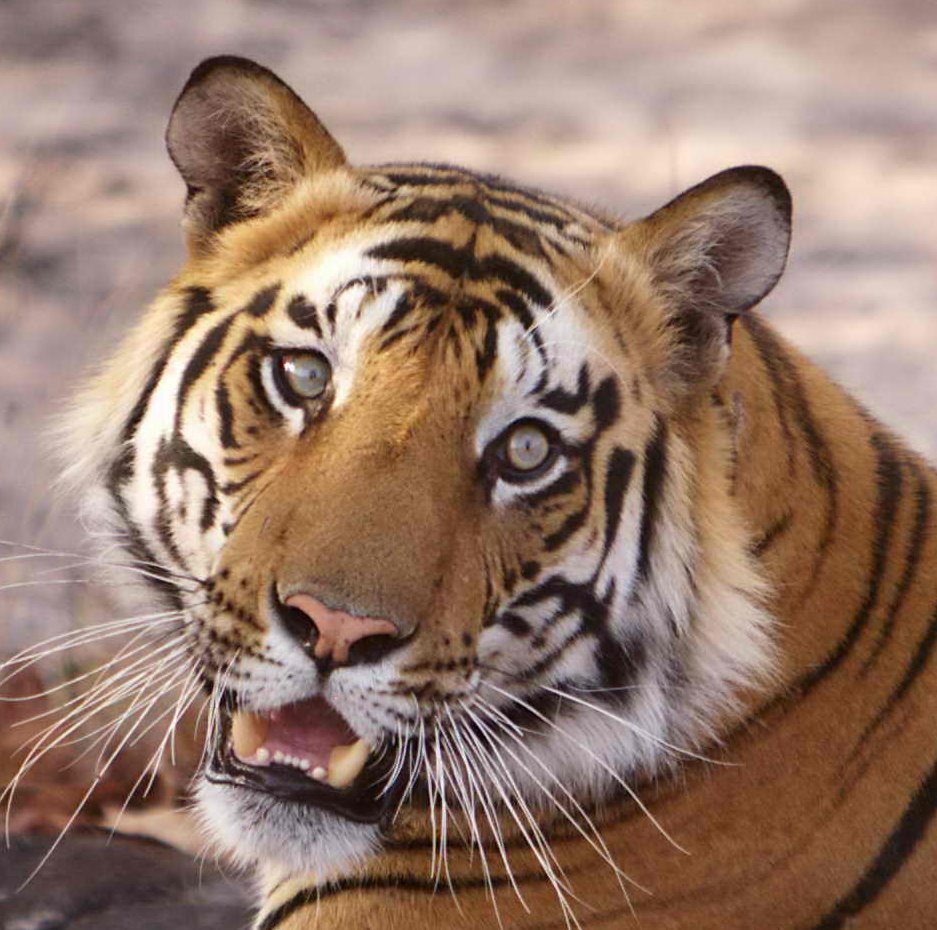
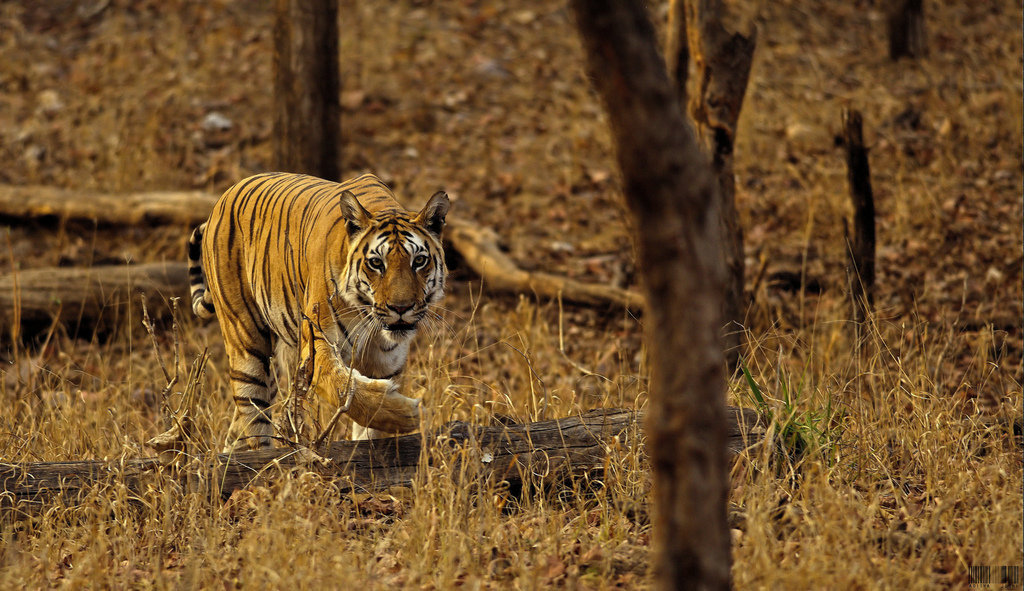
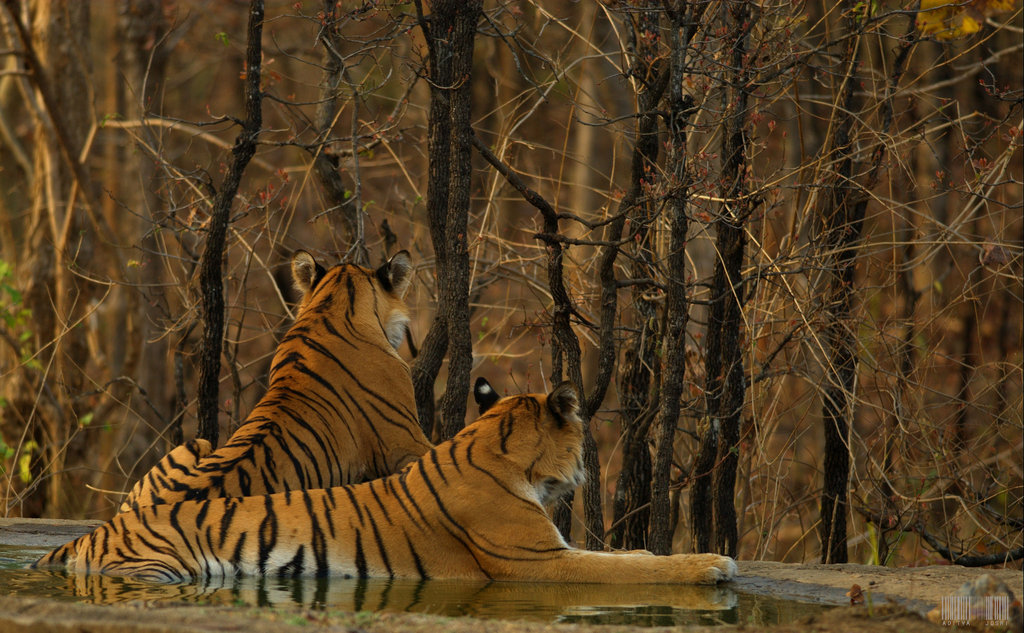
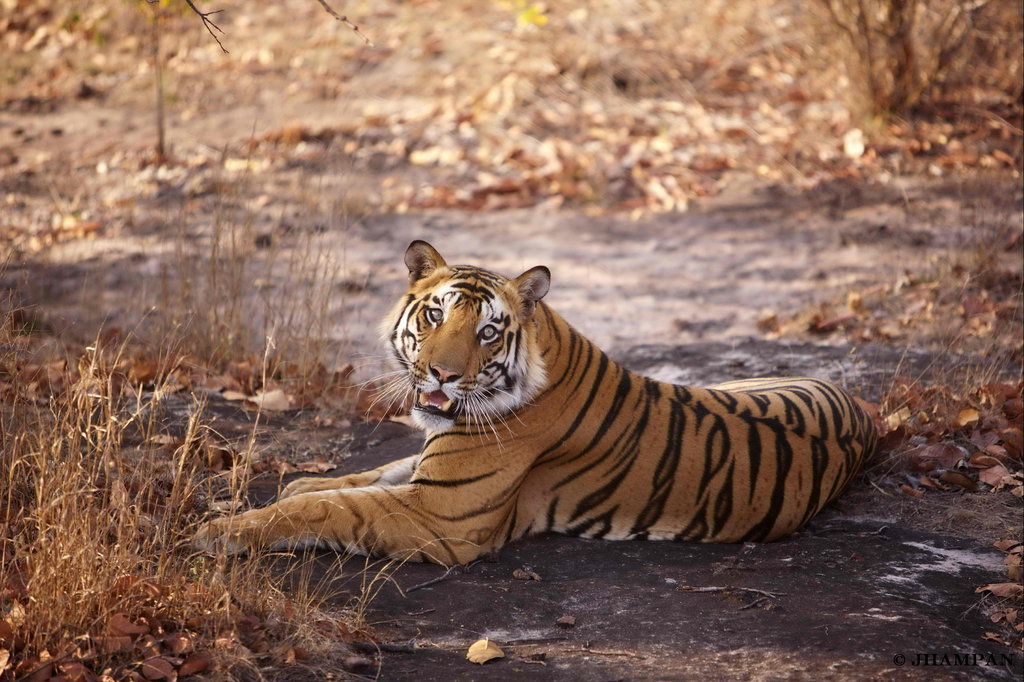
Sundarban holds a huge population of endangered and highly threatened species including the only population of tigers in a coastal mangrove habitat. As per the last census conducted in 2014, this landscape holds approx 76 individuals of Royal Bengal Tiger (Panthera tigris tigris). Historically, known for their man-eating behaviour, the conflict with humans is always at its peak. The estimates of human kills range from 50 to 250 people per year, mostly honey collectors, fishermen, crab collectors, & even Forest frontline staff. Although awareness initiatives have succeeded in sensitizing and reducing the entry into the forest which has led to the reduction of conflicts in the villages, however remote villages are still facing the issue Wildlife Trust of India (WTI) initiated a rapid project aimed at curbing the immediate threats in these conflict prone villages.
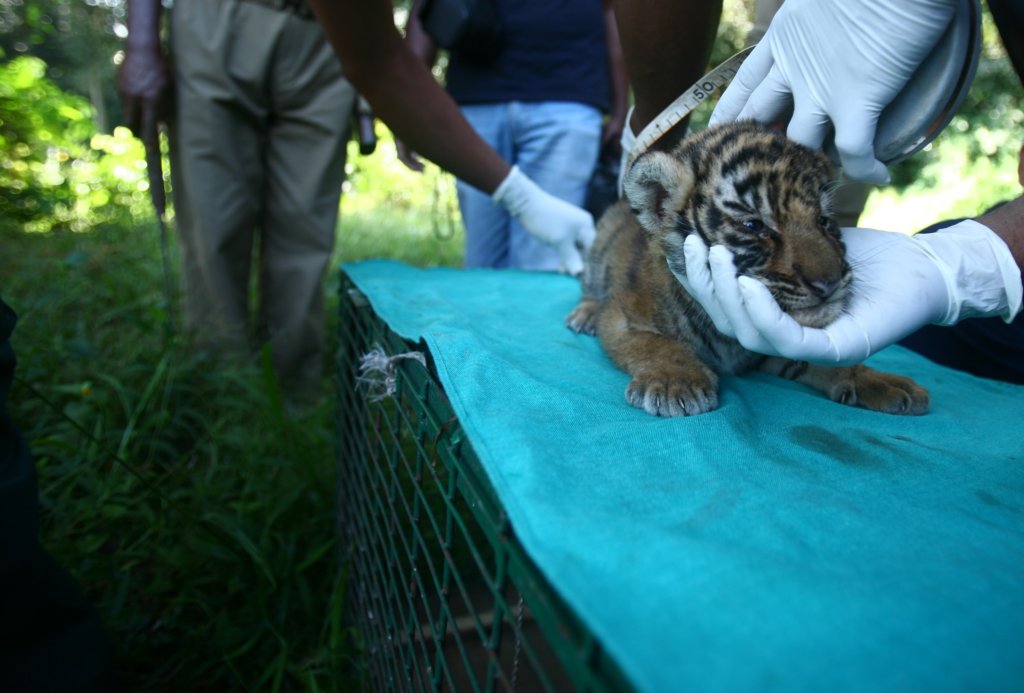
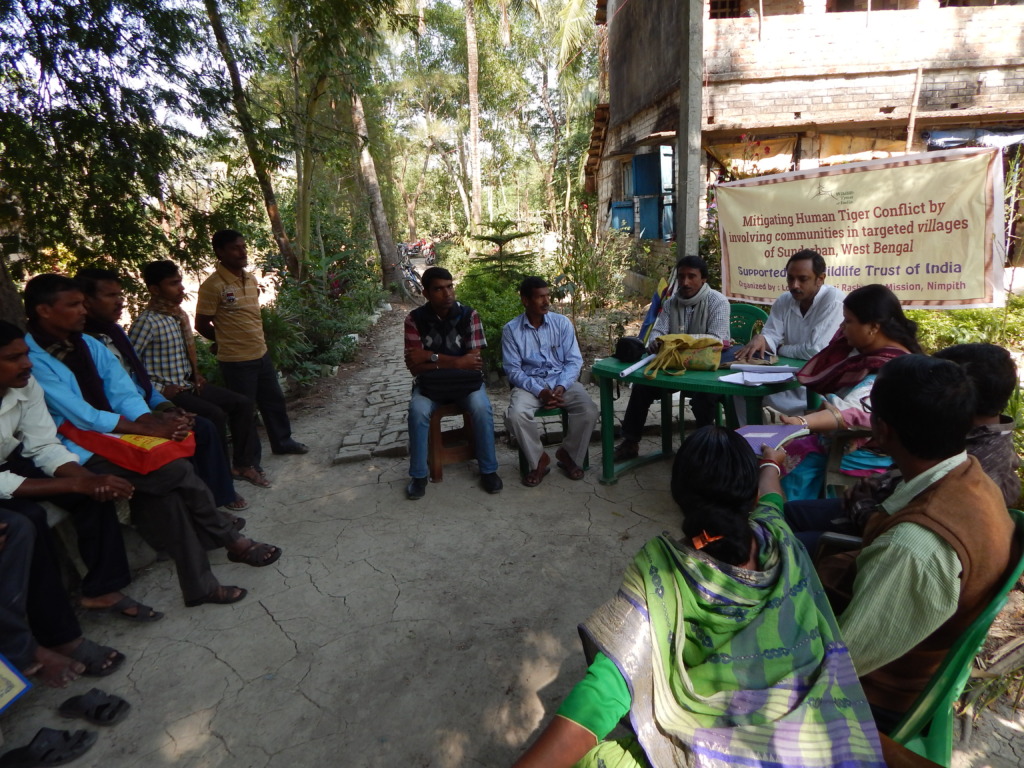
In the recent few years, villages under the Gurguria Bhubaneswari Gram Panchayat have witnessed a rise in tiger encounters inside villages, especially in winter months. There has also been a considerable rise in human mauling, mortality and livestock depredation cases in these villages. To address this, the project undertook sensitization programs to aware villagers about do’s and don’ts during conflict scenario. The project team engaged with concerned stakeholders like the village heads, fishermen and farmers clubs, fishermen groups, Block development officers, forest departments etc and sensitize the youth to form ten rapid response conflict mitigation groups in Purba Gurguria, Bhubaneshwari, Deulbari, Madhya Gurguria and Maipith These teams currently are assisting the forest dept. in mitigating the human tiger conflict. Recently, a tiger was reported from Kultali village which is adjacent to our targeted village. The local response teams helped forest forest department in tracking the stray tiger and located it at Kishorimohonpur. The team also helped in crowd management during the tiger capture and transport operation. The tiger was successfully captured by the Forest dept and will soon be released back to the wild.
Through this project, teams comprising of local youths and village heads (from the Panchayats) have been formed in the targeted villages. It is been suggested by the villagers that ‘Shanks’ (shell used in worship) will be blown during the conflict to raise alarms for tiger presence in and near vicinity of the area. The response team were helpful in curbing the issue of conflict at ground level.
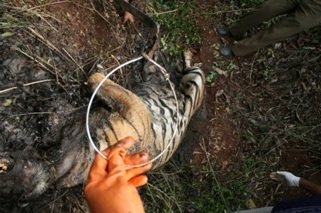
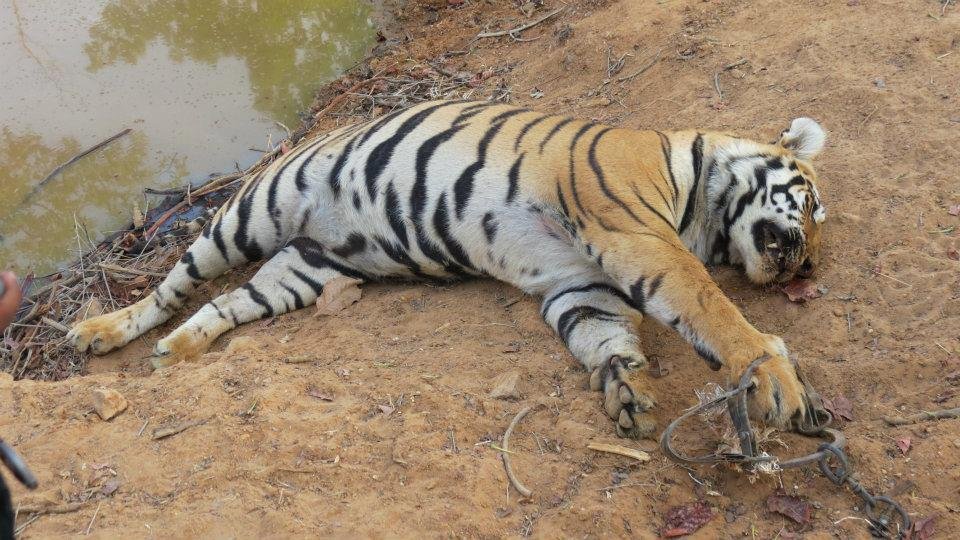
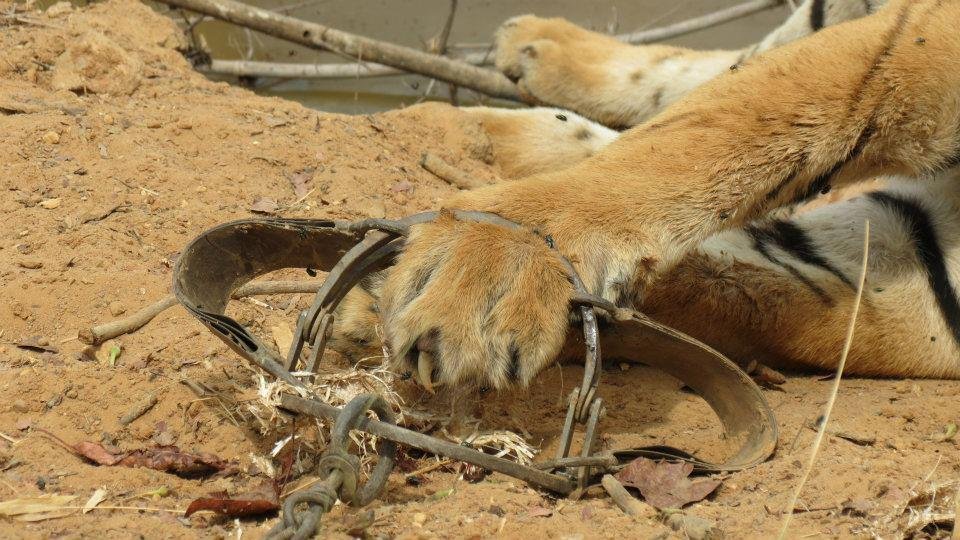
WTI was the first organization to identify snares as a serious threat to the survival of wildlife, especially tigers, in the Protected Areas of South India. The snares made of galvanized steel wires or improvised motor-vehicle-clutch wires, capable of entangling big herbivores and carnivores. Local hunters and poachers use snares, as they are the cheapest, simplest and most effective way of trapping animals. Snares are placed usually in strategic areas like the Park-boundaries and agricultural fringes. Once get caught, the big cats could face a slow and painful death. With your support, WTI have undertaken many anti snare walks in Bandipur TR covering an area of about 2285kms and removed 1161 snares till date in assistance with Forest Dept. Forest departments from adjoining forest divisions after witnessing the success are requesting our team to replicate the anti snare initiatives in their respective areas as well. The walks as well as the increased monitoring by STPF and WTI team allows for encouragement of interaction between the Forest Department Staff, Anti Snare Walk (ASW) Team and locals. These interactions are hoped to bring about an increased awareness in local inhabitants and also assist the Forest Department in the assimilation of data and information related to human wildlife conflict as well as any illegal wildlife related activity.
Also, WTI has been actively involved in the wildlife trade control of tiger. A tiger skin and other wildlife products were recovered and four persons arrested during an operation by the Manas Tiger Protection authority in October. The training WTI imparted to forest staff in Manas- including procedures for search and seizure, interrogation techniques, and the preparation of evidentiary documents helped here.
Project reports on GlobalGiving are posted directly to globalgiving.org by Project Leaders as they are completed, generally every 3-4 months. To protect the integrity of these documents, GlobalGiving does not alter them; therefore you may find some language or formatting issues.
If you donate to this project or have donated to this project, you can receive an email when this project posts a report. You can also subscribe for reports without donating.



Support this important cause by creating a personalized fundraising page.
Start a Fundraiser