By Jake Kheel | Environmental Director PCEF
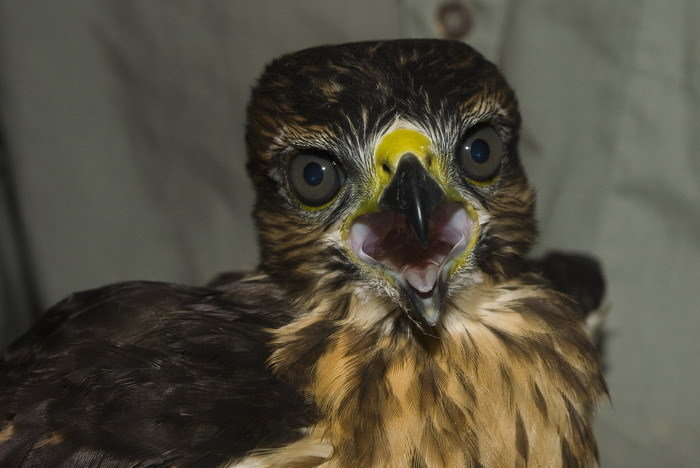
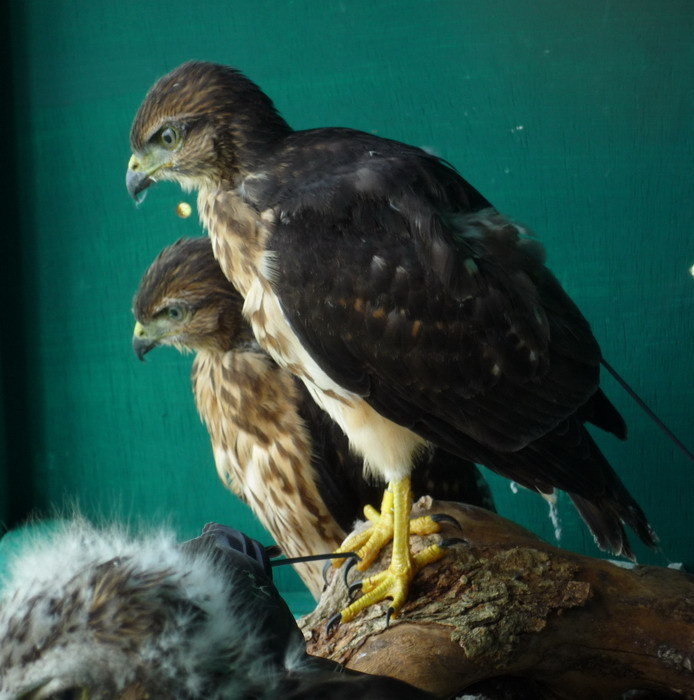
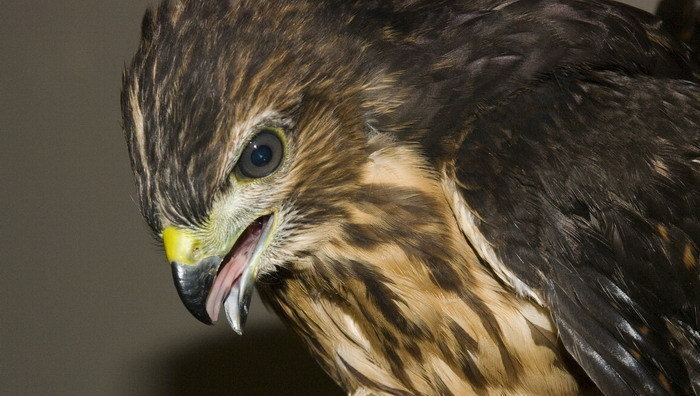
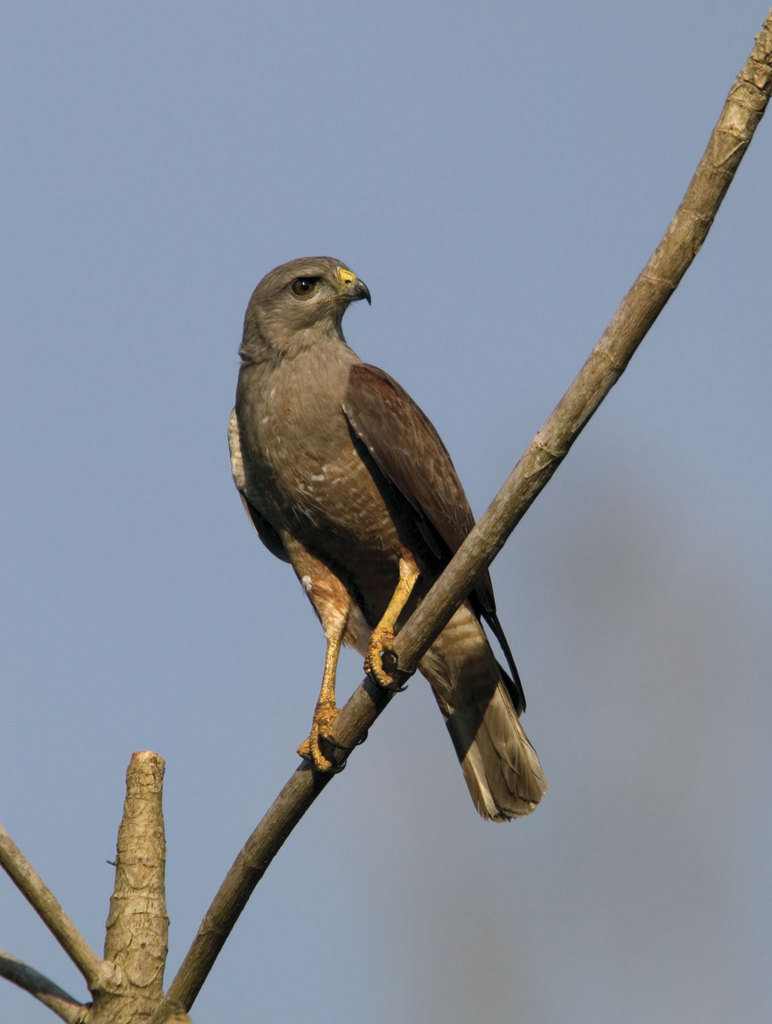
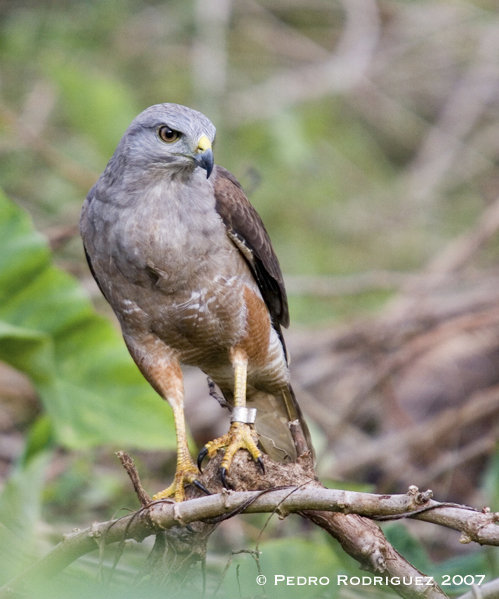
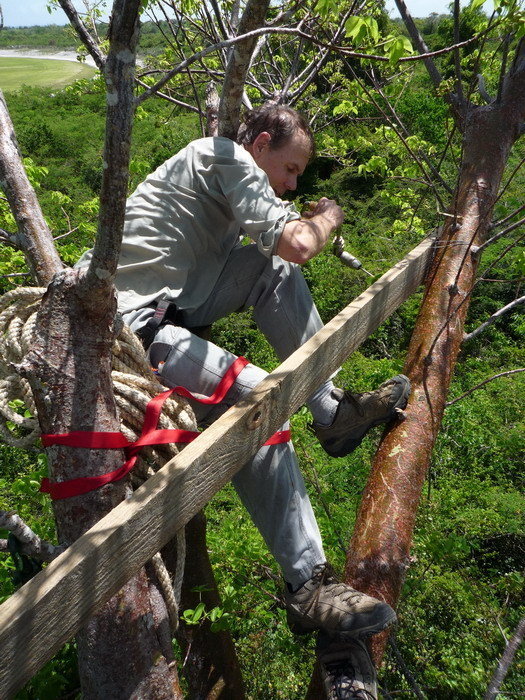
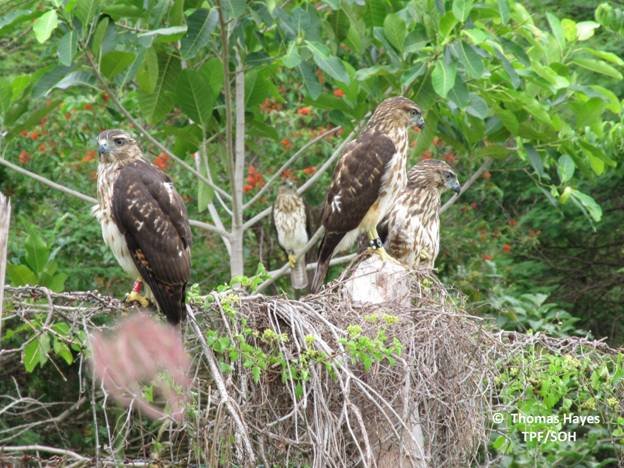
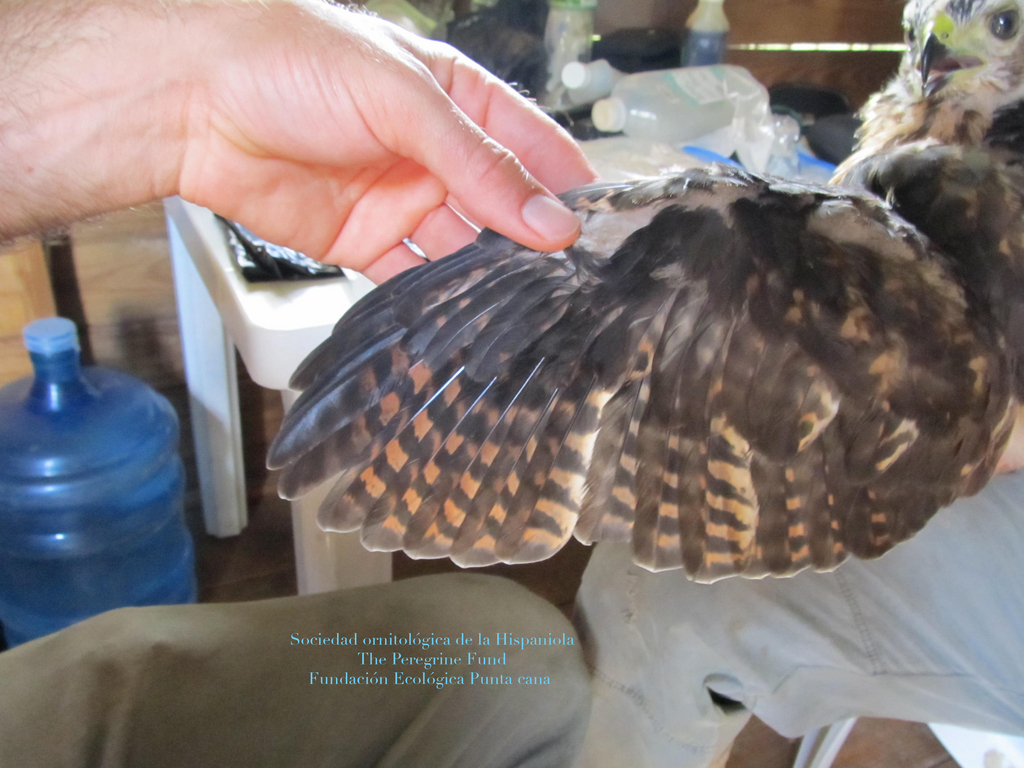
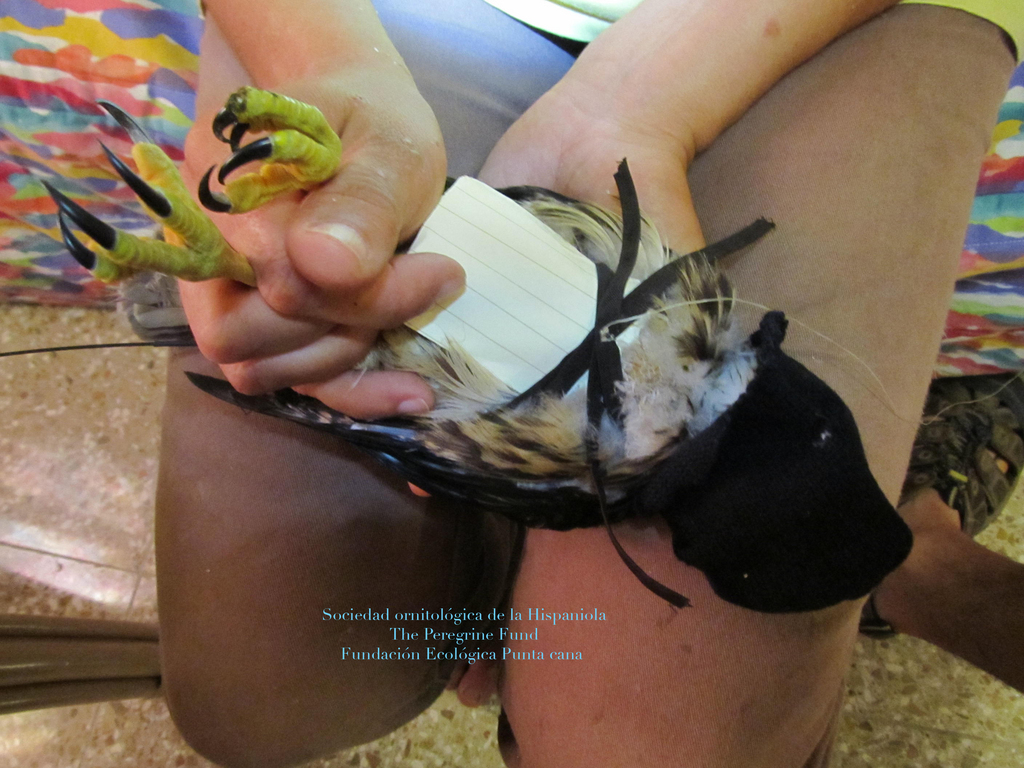
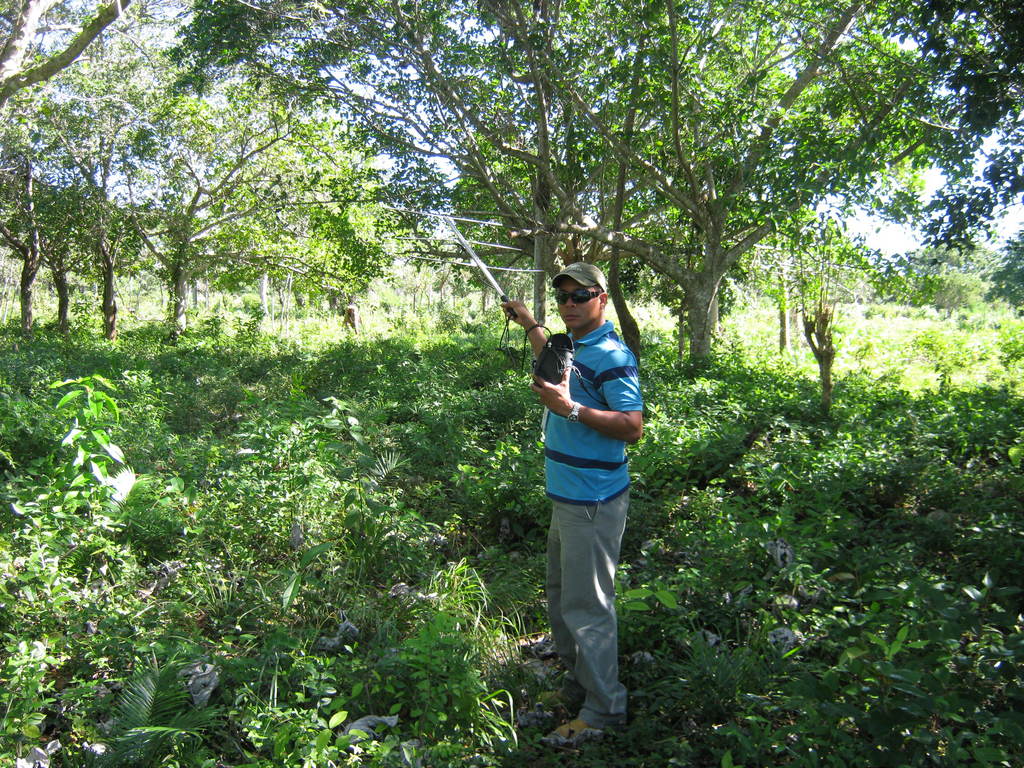
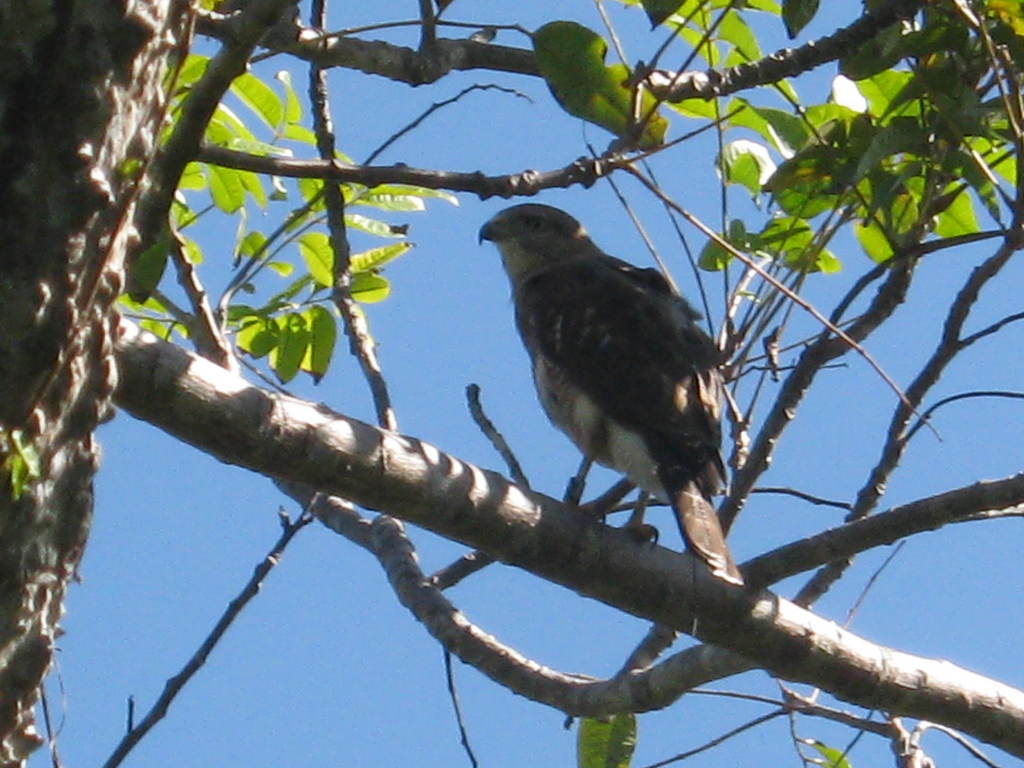
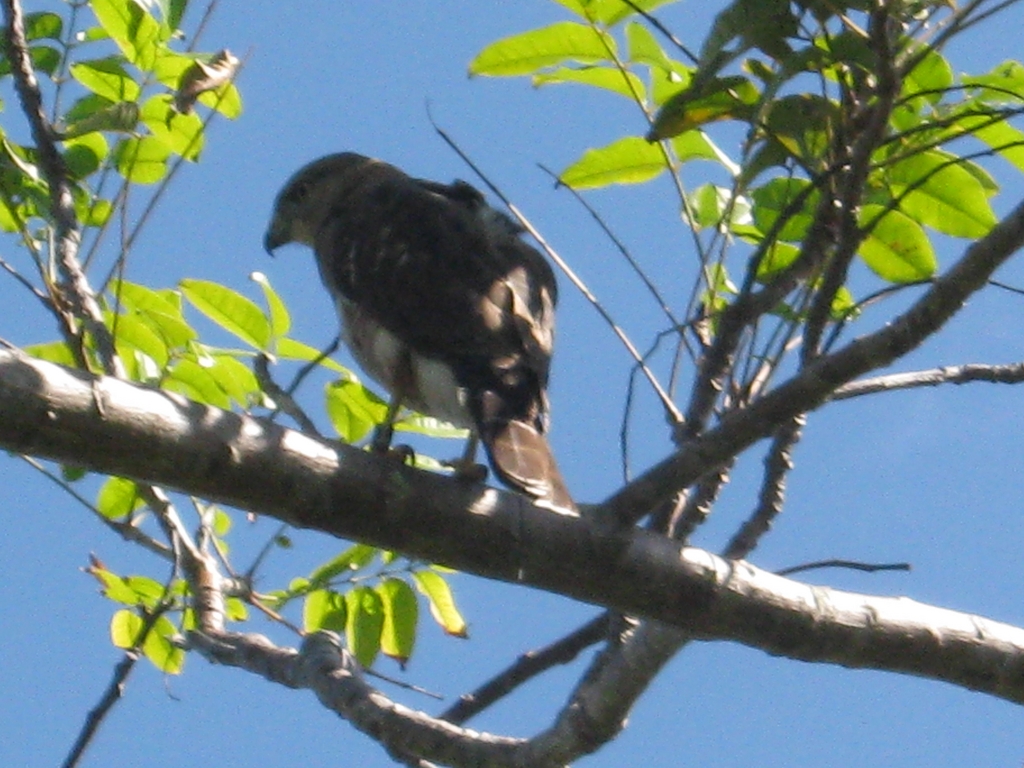
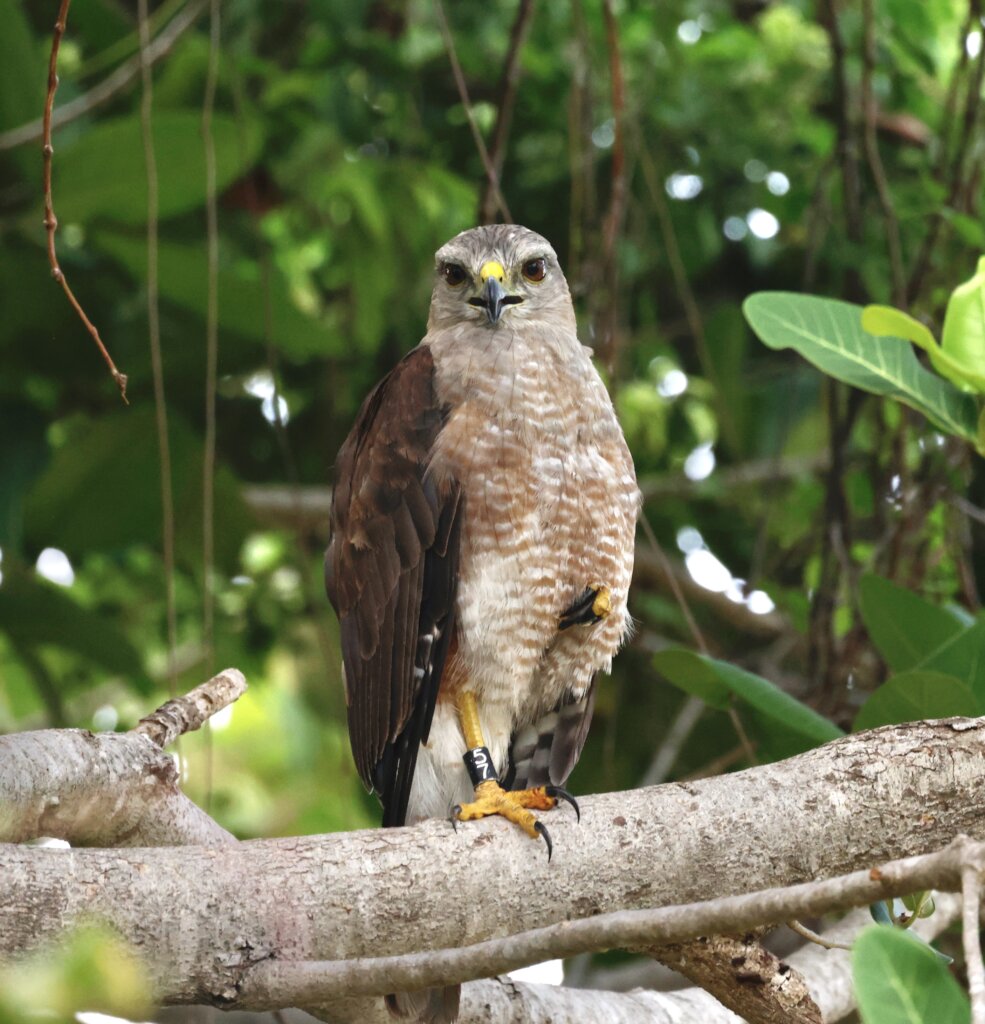
In 2011, the Ridgway’s Hawk Project continued to monitor nests and collect nestlings for release sites in Punta Cana and Pedro Sanchez. In all, biologists monitored 37 nests in Los Haitises National Park and chicks were chosen from a total of eight nests. In addition to monitoring the nests, our team also actively treated birds with botfly infestations and reconstructed several falling nests. Parasitic infections early on in life are a serious threat to the existing population of Ridgway’s Hawks in Los Haitises; had these parasites not been removed many of the chicks would have died. These conservation efforts were made for nestlings taken for the release programs and also to increase the numbers of birds that would ultimately fledge in Los Haitises National Park.
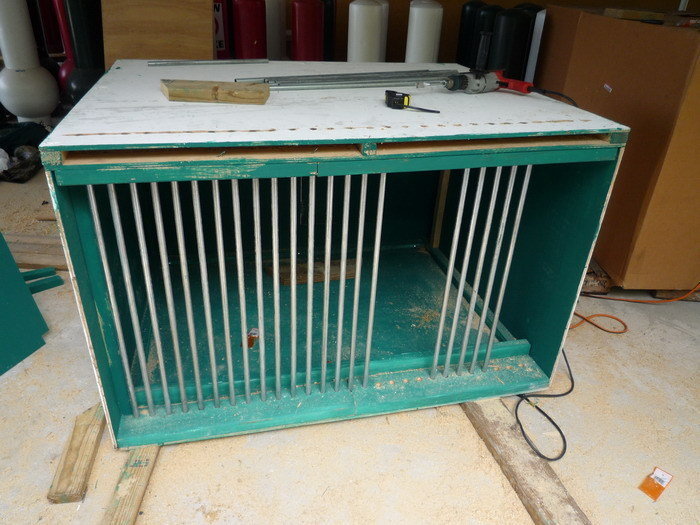
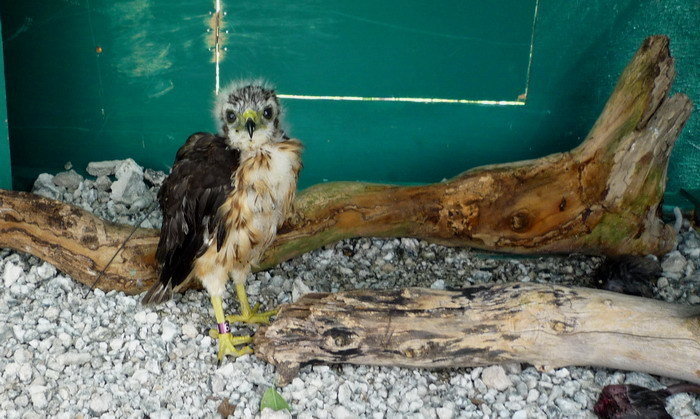
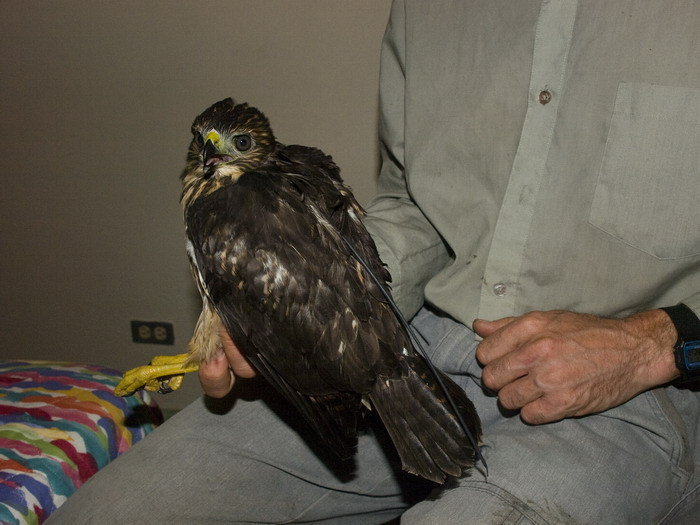
This year Punta Cana released a total of six new Ridgway’s Hawks. These six birds were released in pairs several weeks apart. The first release was in mid-April and the last on the 13th of June. Without the diligent work of our team four of these birds would have certainly died due to parasitism by botflies. Young birds were treated in the field approximately a week before being removed from the nests to come to the hacksite and again once they arrived in Punta Cana. The hawks responded well to this treatment and all were able to be successfully released.
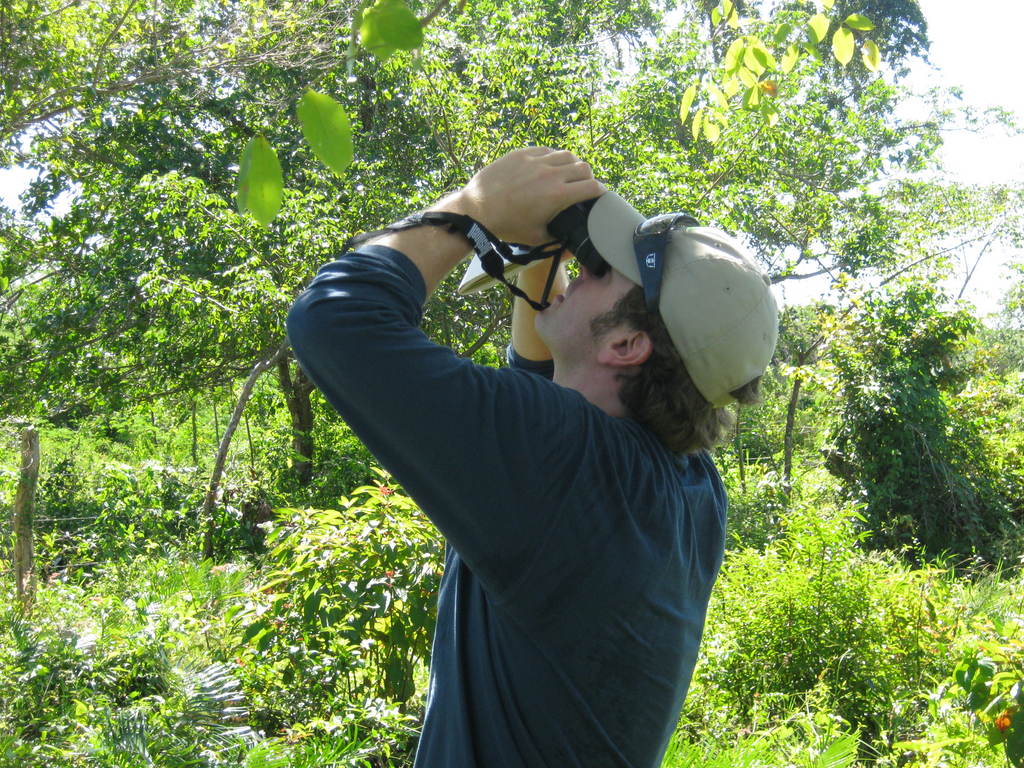
In addition to releasing Ridgway’s Hawks, the project continues to educate locals and foreigners alike as well as training interested volunteers. In the past two months volunteers from the Hispaniola Ornithological Society have visited from other release sites to compare notes and learn from each other’s experiences. This year a student from Columbia University used the Ridgway’s Hawk releases as the subject of a six week long research project. Students from other universities, such as Cornell’s Lab of Ornithology and San Diego State, also became involved. By involving these outside parties we are both drawing attention to this conservation effort and opening up the program to further dialogue about how to improve the program in the future.
By Jake Kheel | Project Leader
By Jacob Kheel | Director of the PUNTACANA Ecological Foundation
Project reports on GlobalGiving are posted directly to globalgiving.org by Project Leaders as they are completed, generally every 3-4 months. To protect the integrity of these documents, GlobalGiving does not alter them; therefore you may find some language or formatting issues.
If you donate to this project or have donated to this project, you can receive an email when this project posts a report. You can also subscribe for reports without donating.



Support this important cause by creating a personalized fundraising page.
Start a Fundraiser