By Marta Curti | Project Director
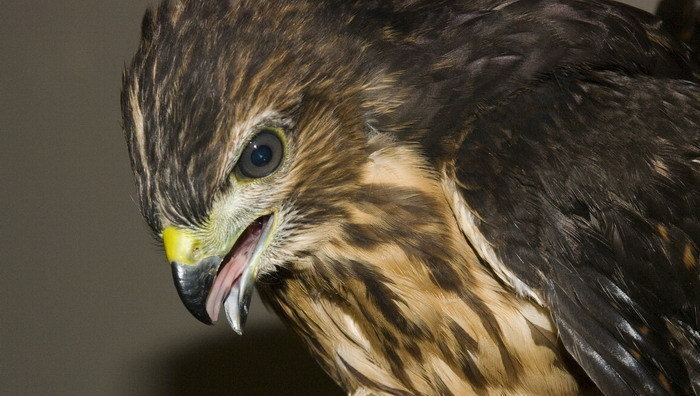
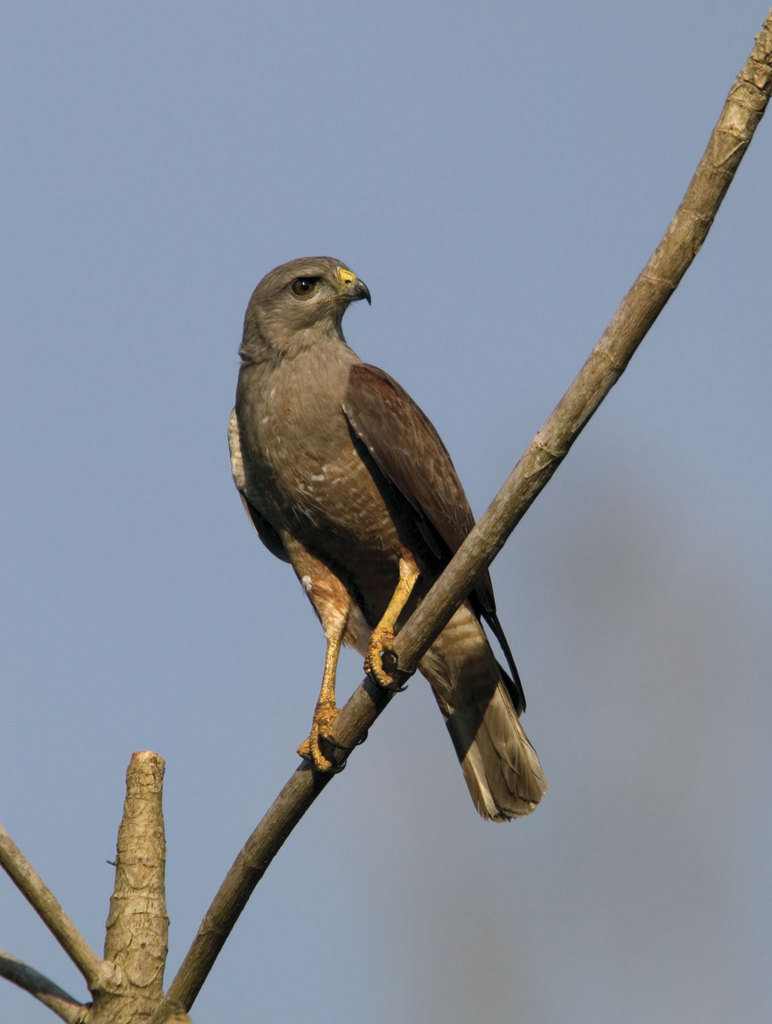
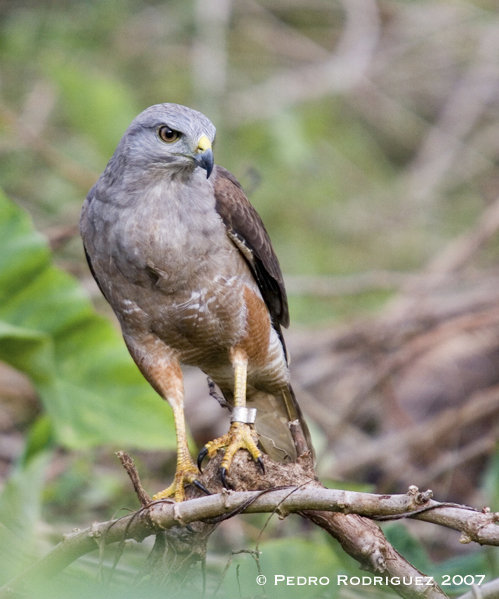
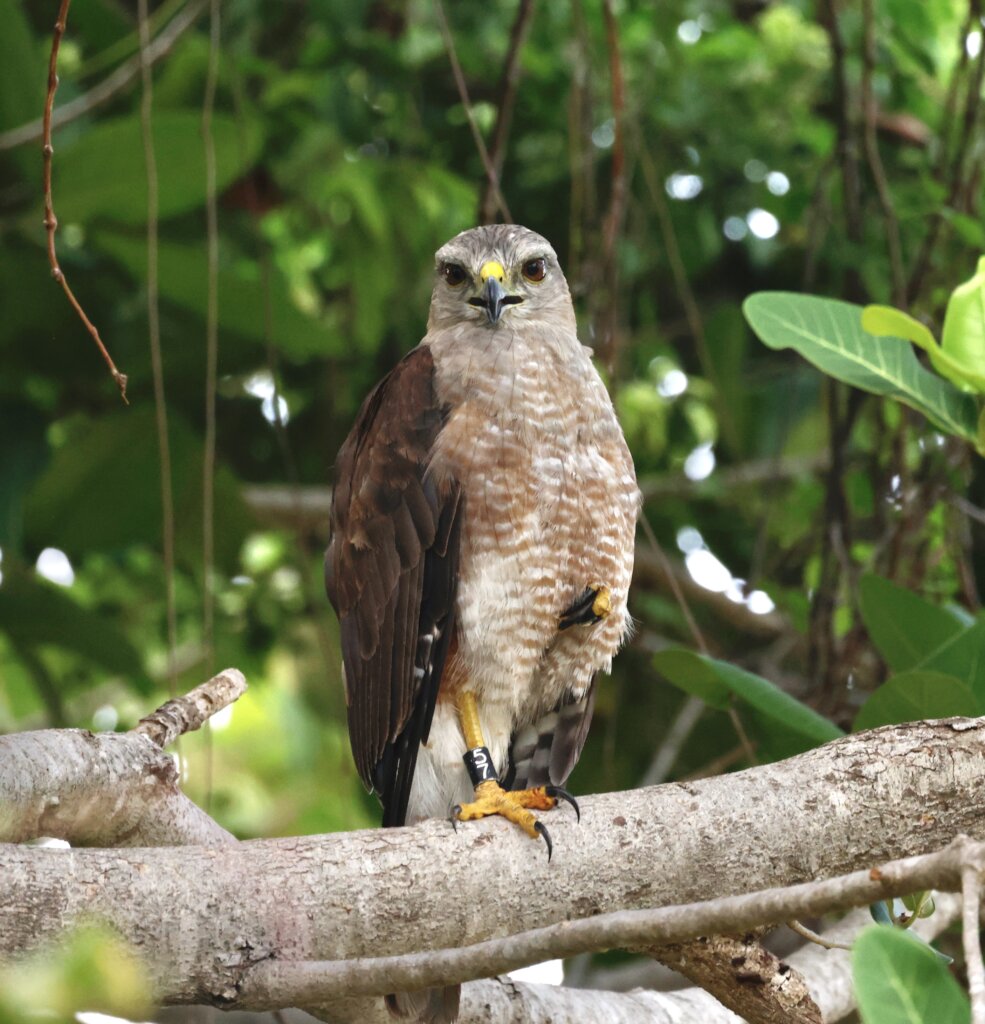
The nesting season for the Ridgway’s Hawk (Buteo ridgwayi) is coming to an end, but even so, it continues to surprise us. As we reflect on the past few months, we are filled with wonder at the stories, challenges, and achievements that have shaped this year’s breeding cycle. This season has been particularly unusual. Unlike in previous years, we still have active nests with nestlings in July. In a “normal” year, by July all of the young have already fledged from their nests.This delay in the reproductive calendar is not typical and prompts us to consider potential environmental or behavioral changes within the species. As every year, we’ve witnessed incredible stories of resilience from these hawks, who face the dual pressures of natural threats and human impacts. But this year, we experienced something truly extraordinary.
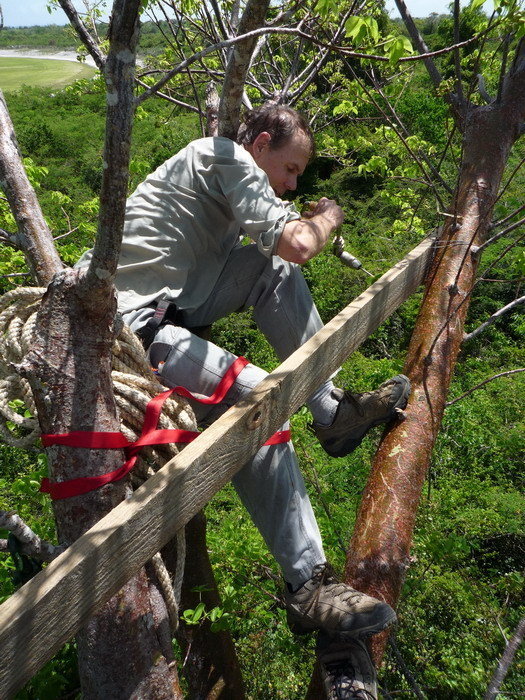
In May, we received a video from the Punta Cana area showing a female Ridgway’s Hawk in very poor condition. We rescued her and safely transported her to our facilities. Sadly, she did not survive. That same day, we returned to the territory, knowing that she and her mate were incubating two eggs. When we climbed to the nest, we found the male alone, attempting to keep up the incubation effort on his own.
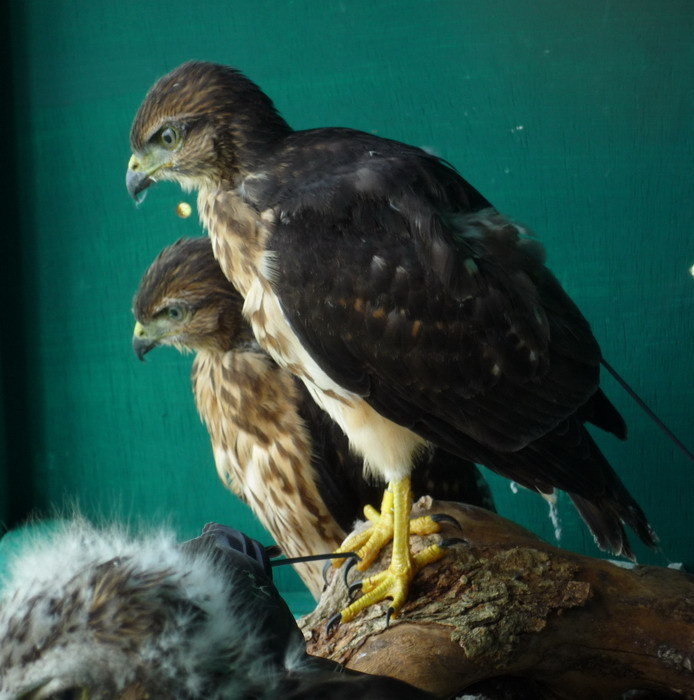
Given the high likelihood that he would abandon the nest due to lack of food and energy, we made the decision to remove the eggs and place them in an incubator at our office. This was a first for our team; we had never attempted to artificially incubate Ridgway’s Hawk eggs. With hope and great care, we began the delicate process of rotating and monitoring the eggs daily. As days passed, one of the eggs began to show signs of development. Then, on June 11, the unthinkable happened: the first Ridgway’s Hawk nestling hatched from an incubator in the history of our project.
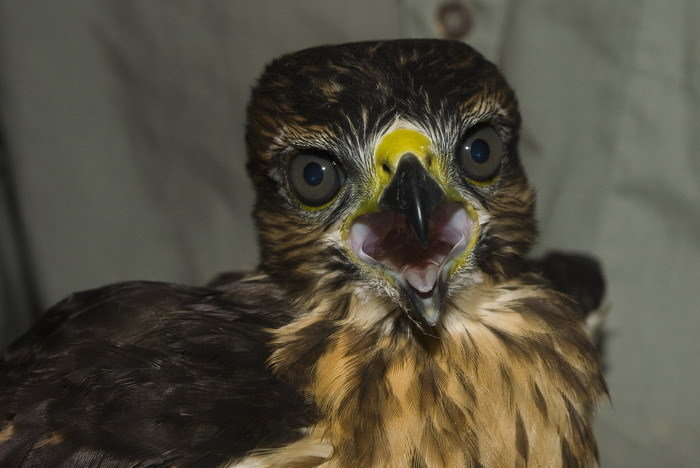
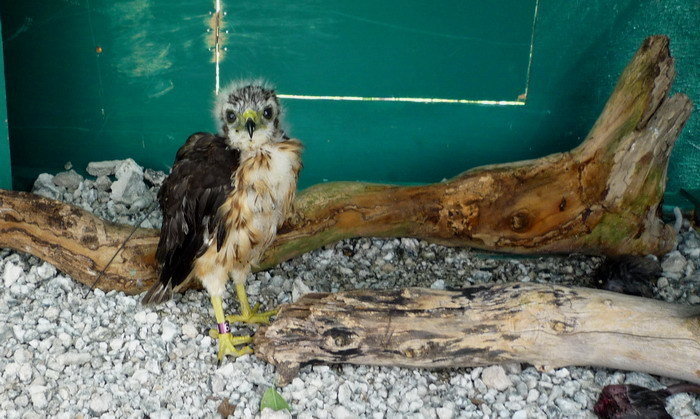
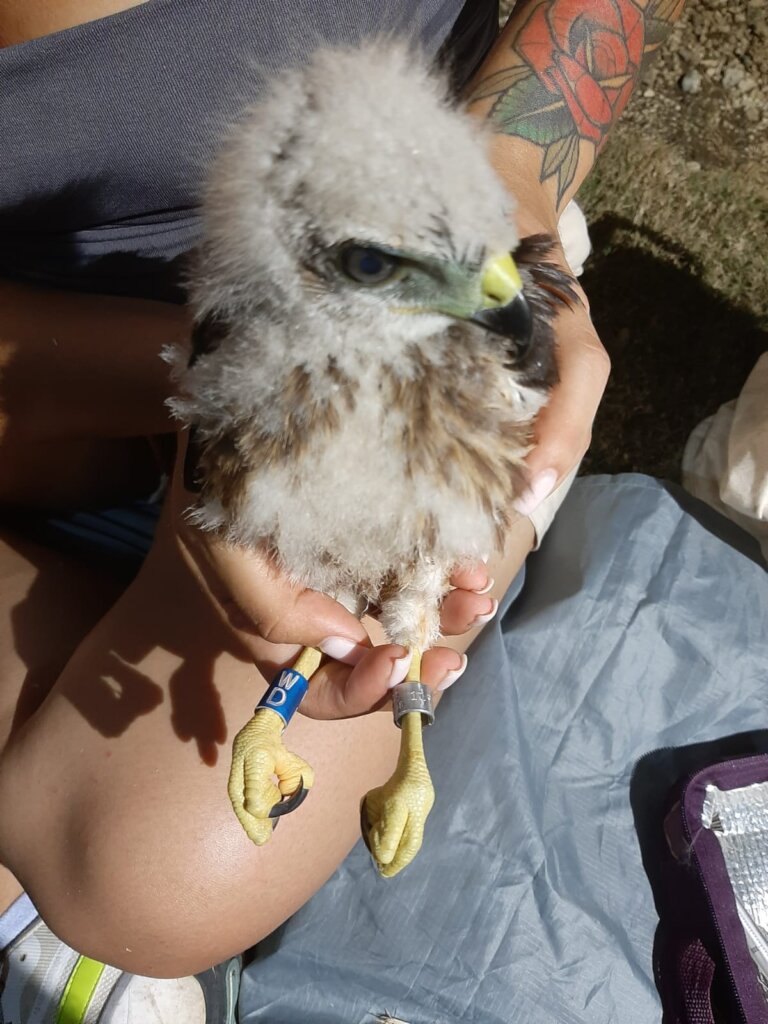
In its early days, the nestling was fed and closely monitored by our team. Soon after, we carefully placed it into a foster nest with a pair that had initiated a second round of incubation. The process went smoothly. On July 10, the nestling now identified as W/D Blue was banded alongside its foster siblings. It will soon be ready to spread its wings and begin life in the wild.
With this special arrival, we celebrate a total of 33 new fledglings this season in Punta Cana. Each one represents a beacon of hope for the recovery of this critically endangered, endemic species, a true symbol of the biodiversity in the island of Hispaniola. As these young hawks begin to disperse in search of their own territories, we renew our commitment to protecting them and the ecosystems they call home.
In Los Haitises National Park, in mid-July, we documented a pair with two newly hatched chicks, making this the latest breeding event recorded in our monitoring efforts to date. This year, we reached a total of 94 fledglings so far, even though some nests are still active with young nesltings.
Releases in Aniana Vargas National Park have also shown significant progress. This year, 25 new fledglings were released into this area as part of our ongoing efforts to create a sustainable population. And two more young birds are slated for release in a few weeks. Our monitoring efforts in this area still continue, as we’re trying to locate some of the individuals released in previous years. This breeding season we had 1 young from one of our wild pairs that successfully fledged the nest.
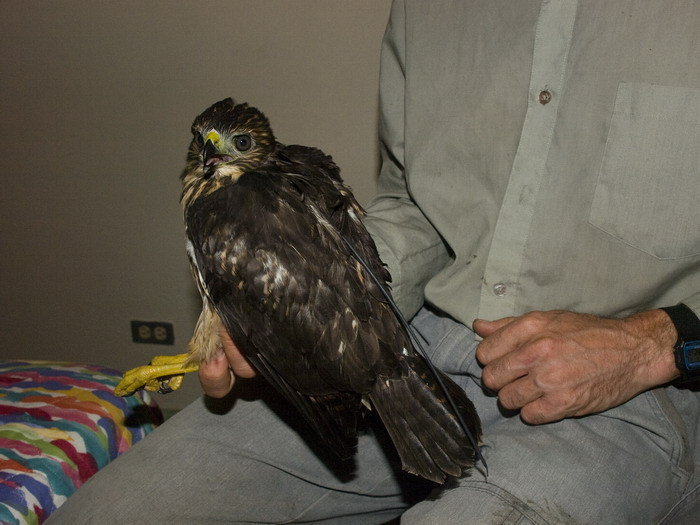
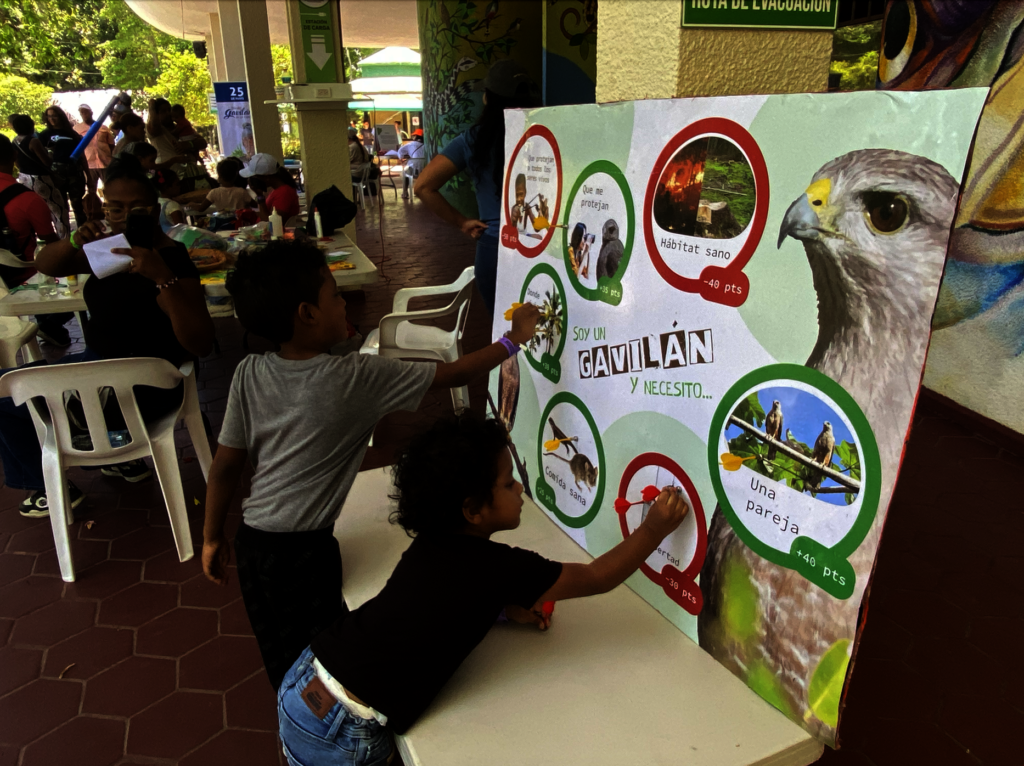
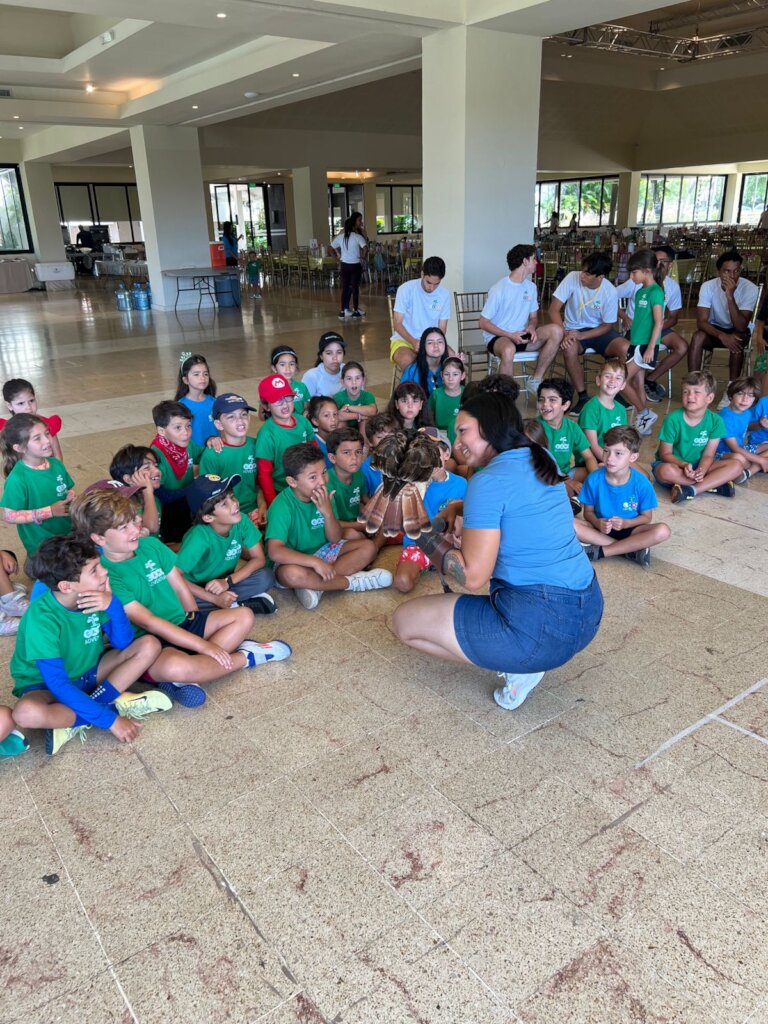
It’s July, and although in the Caribbean it always feels like summer, this season gave us the opportunity to visit numerous summer camps with our ambassador birds. These activities have been enriching experiences for both children and adults, who had the chance to see and learn about a bird of prey up close. Encounters like these help build a powerful bond between people and wildlife, fostering empathy, respect, and a deeper understanding of conservation.
And while the hawks now enter their resting season, with noticeably less activity, for our team of biologists, the work continues. Community engagement, and environmental education efforts remain in full force, strengthening the connection between species conservation and local involvement.
Project reports on GlobalGiving are posted directly to globalgiving.org by Project Leaders as they are completed, generally every 3-4 months. To protect the integrity of these documents, GlobalGiving does not alter them; therefore you may find some language or formatting issues.
If you donate to this project or have donated to this project, you can receive an email when this project posts a report. You can also subscribe for reports without donating.



Support this important cause by creating a personalized fundraising page.
Start a Fundraiser