By Marta Curti | Project Director
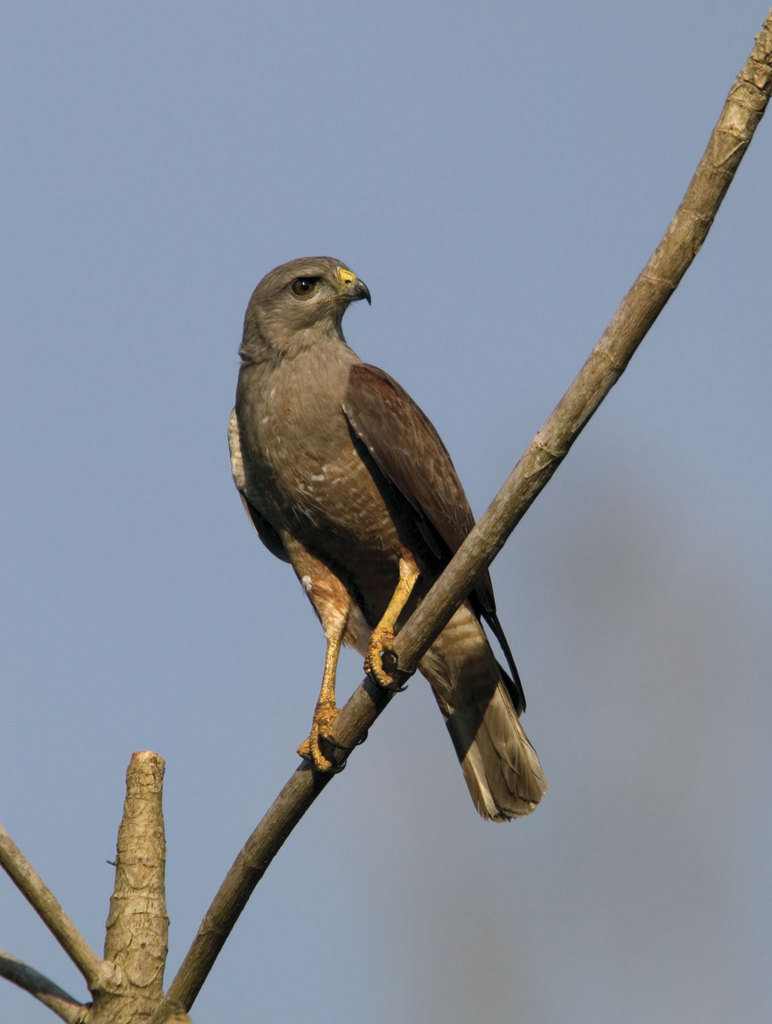
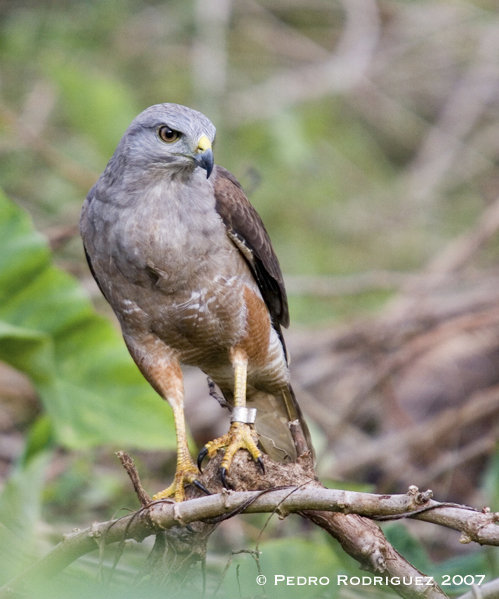
The Peregrine Fund, together with local partner Puntacana Foundation, has been Conserving Ridgway’s Hawks on Hispaniola for over 25 years. In that time, we have been able to double the hawk population and increase its distribution across the island. We have worked closely with local communities, and reached over 50,000 people with our environmental education program.
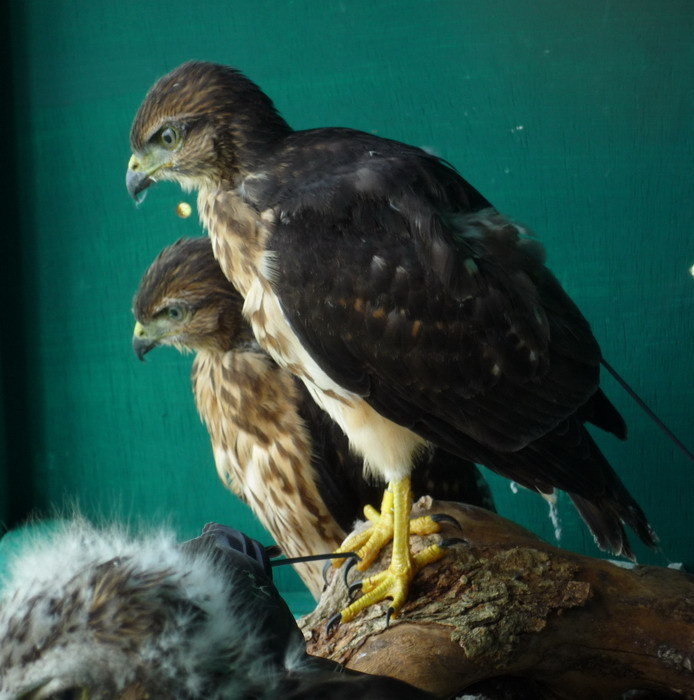
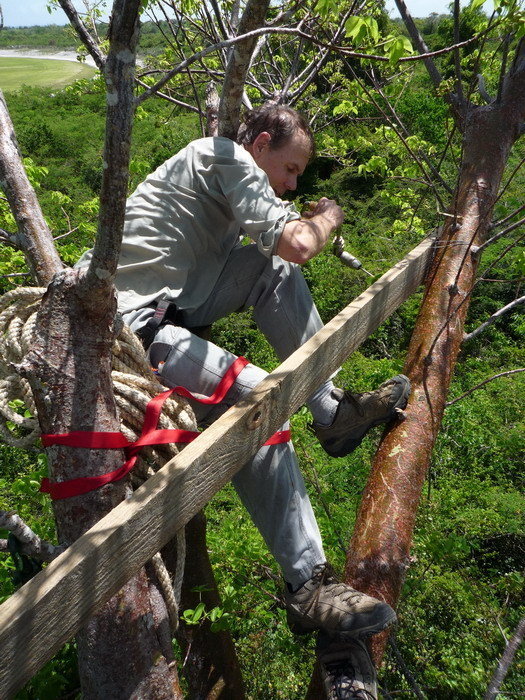
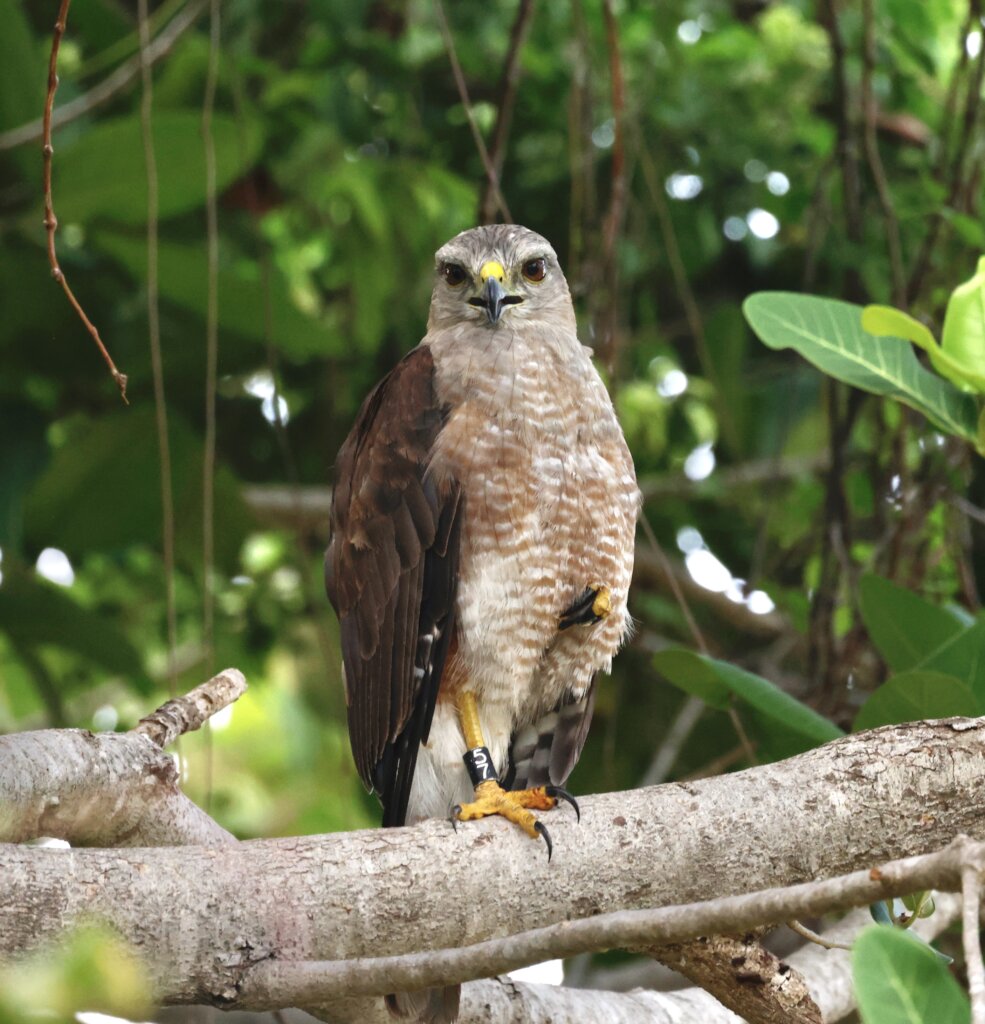
A very important component of our conservation work is treating nests to prevent parasitic nest fly infestations, banding nestlings to help determine their survival and dispersal patterns, and translocating young hawks to our release site in Aniana Vargas National Park as part of our reintroduction program. In order to carry out these tasks, team members must climb into the nests, which are located high up in palm trees. To do this job and do it safely, our climbers receive regular training and practice.
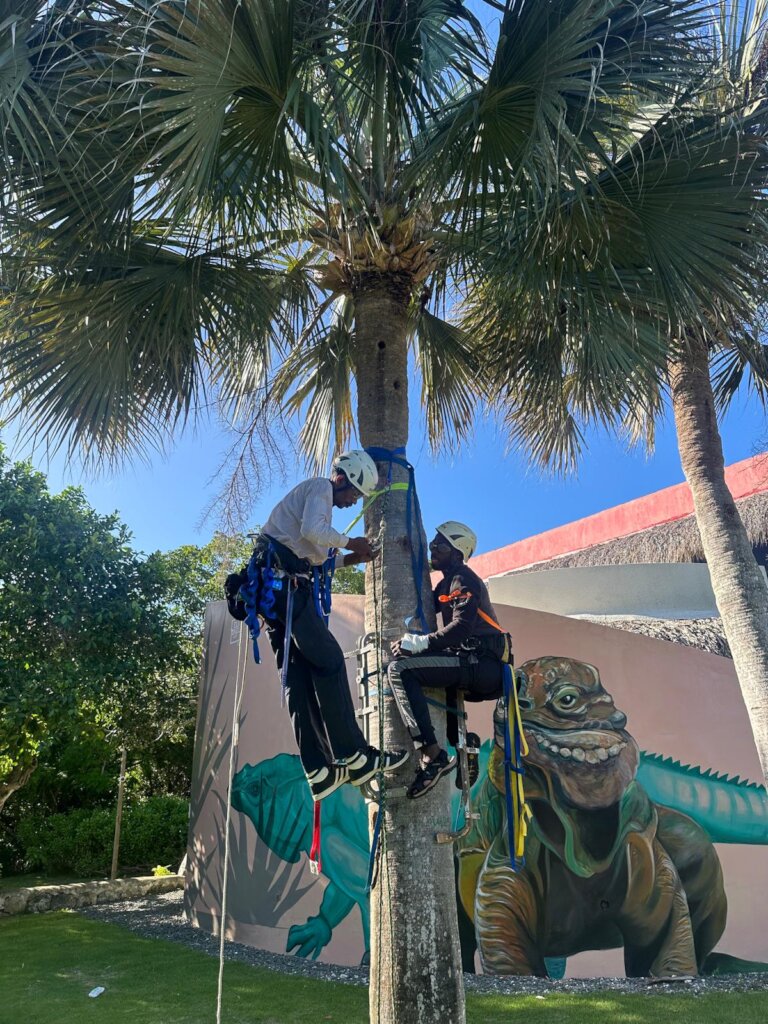
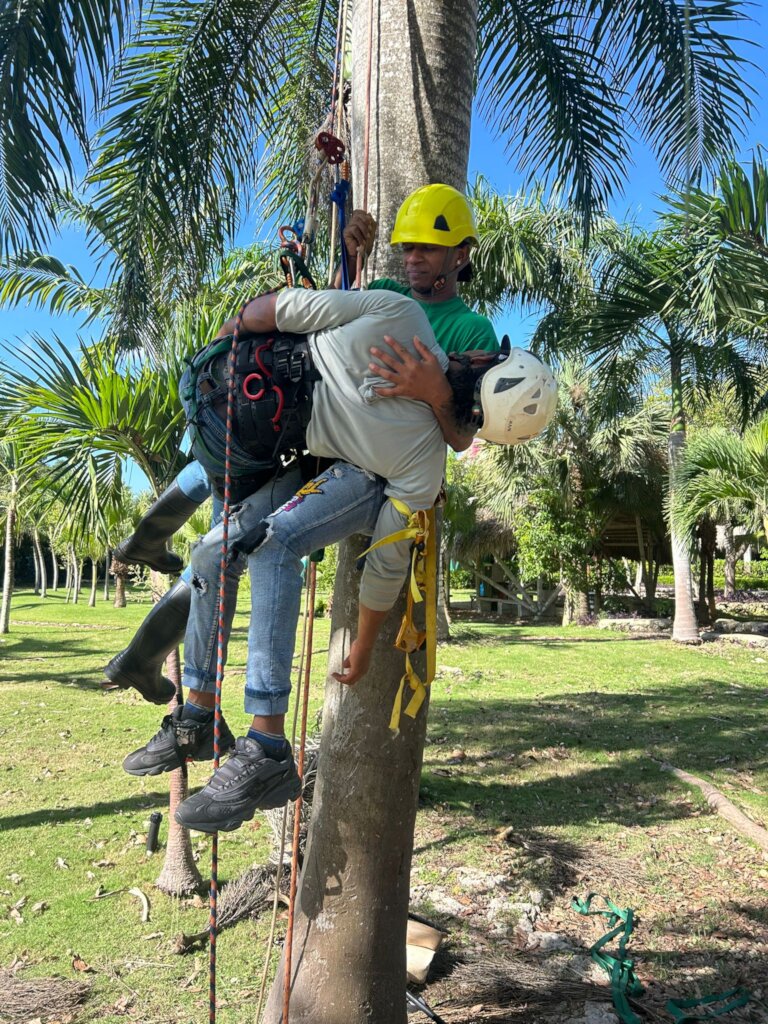
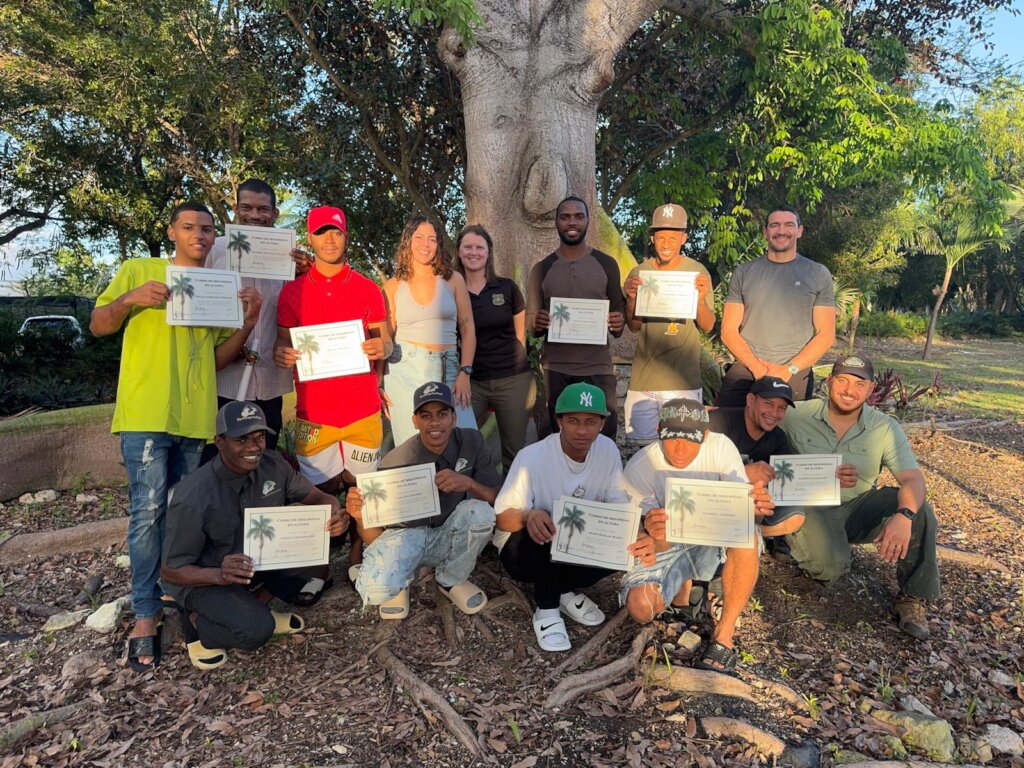
We are so happy to announce that, for the second year in a row, we have partnered with the US Forest Service to provide safety and rescue technique training for our climbing team. Four tree climbing safety trainers traveled to the Dominican Republic in January and spent a week with our team. 10 climbers and 3 other team members participated in a week-long tree safety climbing course prior to the start of the field season. The course was designed to enforce tree climbing safety, proper equipment care and maintenance, and to teach rescue techniques that our team can use to ensure our climbers’ safety. Topics covered during the workshop include: knots used for climbing, climbing systems, anchor systems, ascending with a webbing ladder for emergency situations, rescues, first aid, and problem-solving while performing rescues, and best practices for safe climbing.
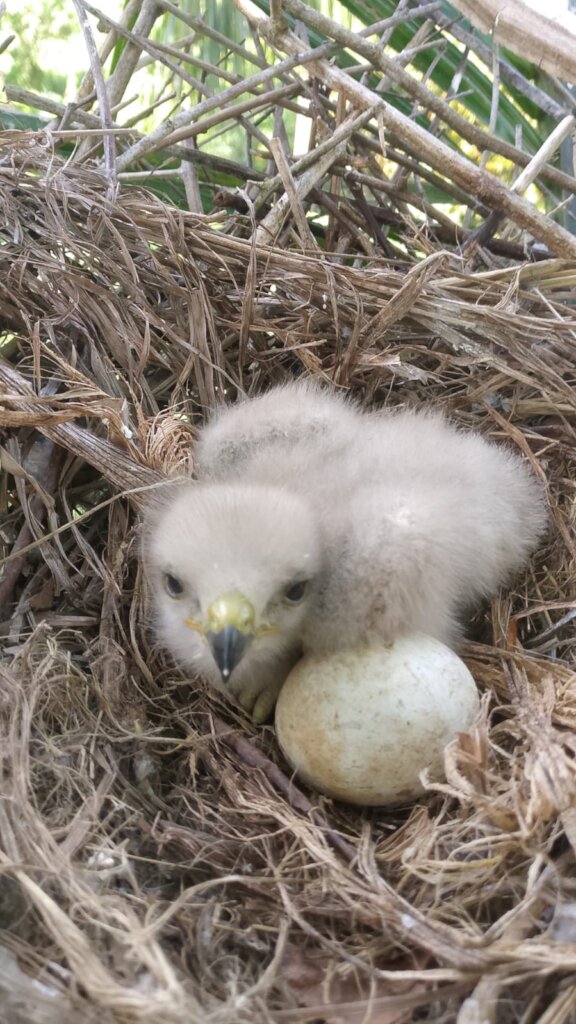
All of this training has paid off as our field season is now well underway. Our teams in Punta Cana, and Aniana Vargas and Los Haitises National Parks are putting their climbing skills into practice. We are currently monitoring dozens of pairs, all at various stages of nesting. Some pairs continue to engage in lovely courtship displays, which involves lots of vocalizing and food exchange, others have begun to build nests, while quite a few pairs are already on eggs or have young nestlings to care for.
The success of this project is because of our amazing team of 40 local biologists and educators working together to ensure the survival of this beautiful, endemic species. We couldn’t do this project without them. Training and educational opportunities not only help keep them safe on and off the job, but they provide them with computer, field, and management skills that will benefit them, wildlife conservation, and the Dominican Republic far into the future.
Links:
Project reports on GlobalGiving are posted directly to globalgiving.org by Project Leaders as they are completed, generally every 3-4 months. To protect the integrity of these documents, GlobalGiving does not alter them; therefore you may find some language or formatting issues.
If you donate to this project or have donated to this project, you can receive an email when this project posts a report. You can also subscribe for reports without donating.



Support this important cause by creating a personalized fundraising page.
Start a Fundraiser