By Claudio Gonzalez | Technical Coordinator
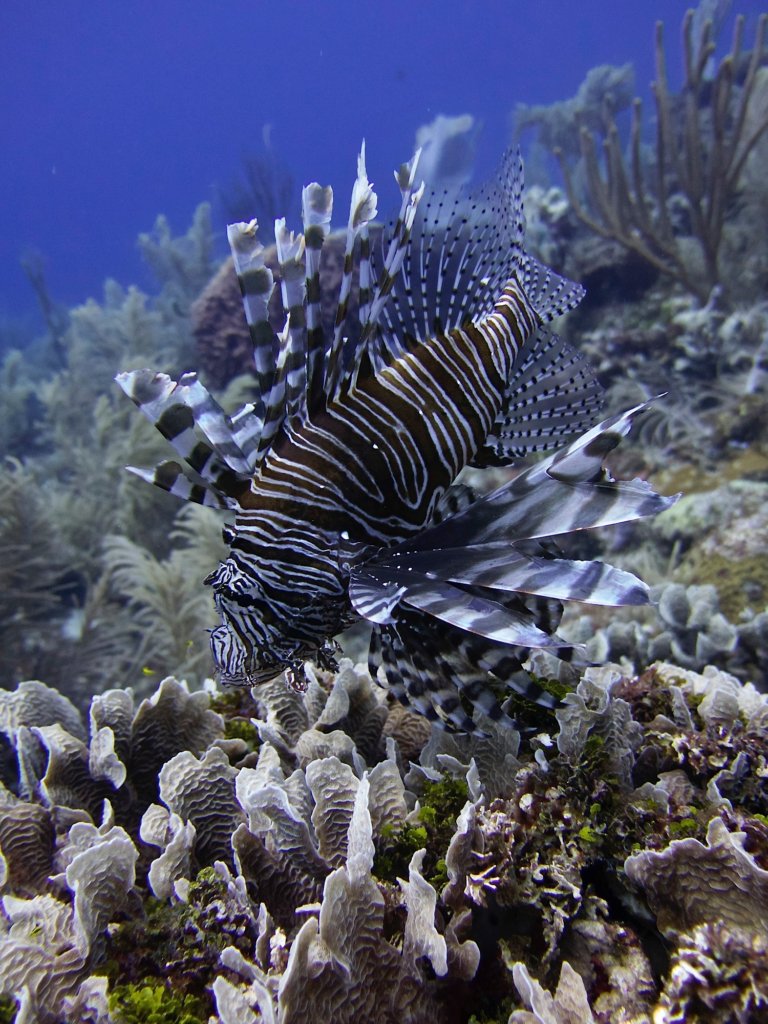
The bad news is that lionfish population growth is not stopping. The good news is that NGOs and authorities from Marine Protected Areas of the MAR region are working hard to prepare coastal communities and to properly certify people to capture lionfish.
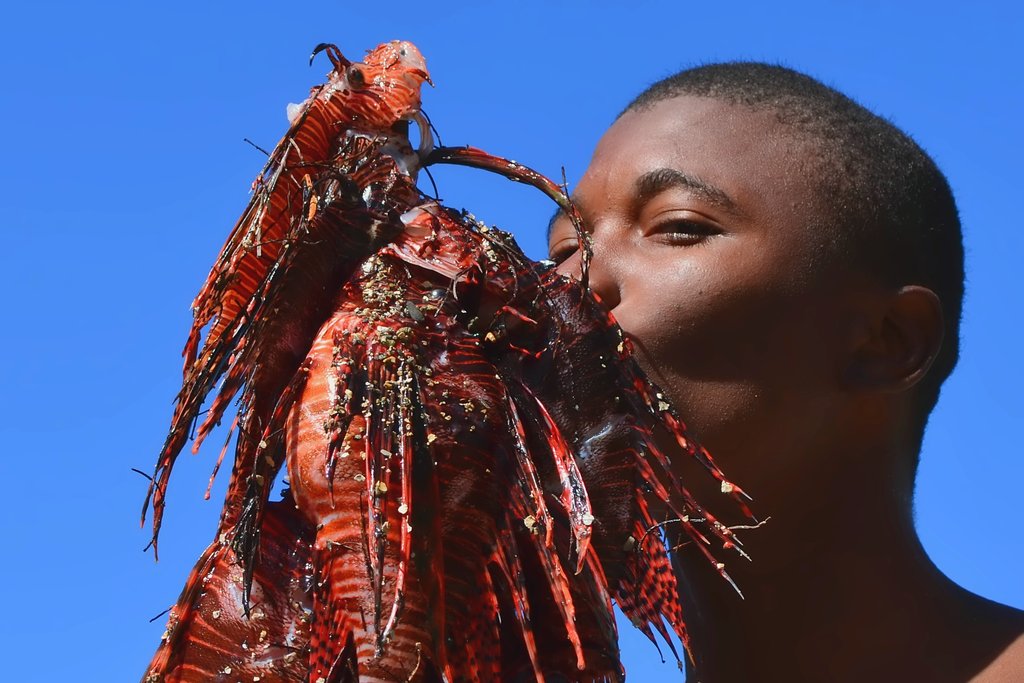
Ideas such as “we need to be the main predator,” “feed them to native fish” or “bring them back to eat for dinner” are very popular these days. To do so, people must be aware of the skills that catching this fish requires.
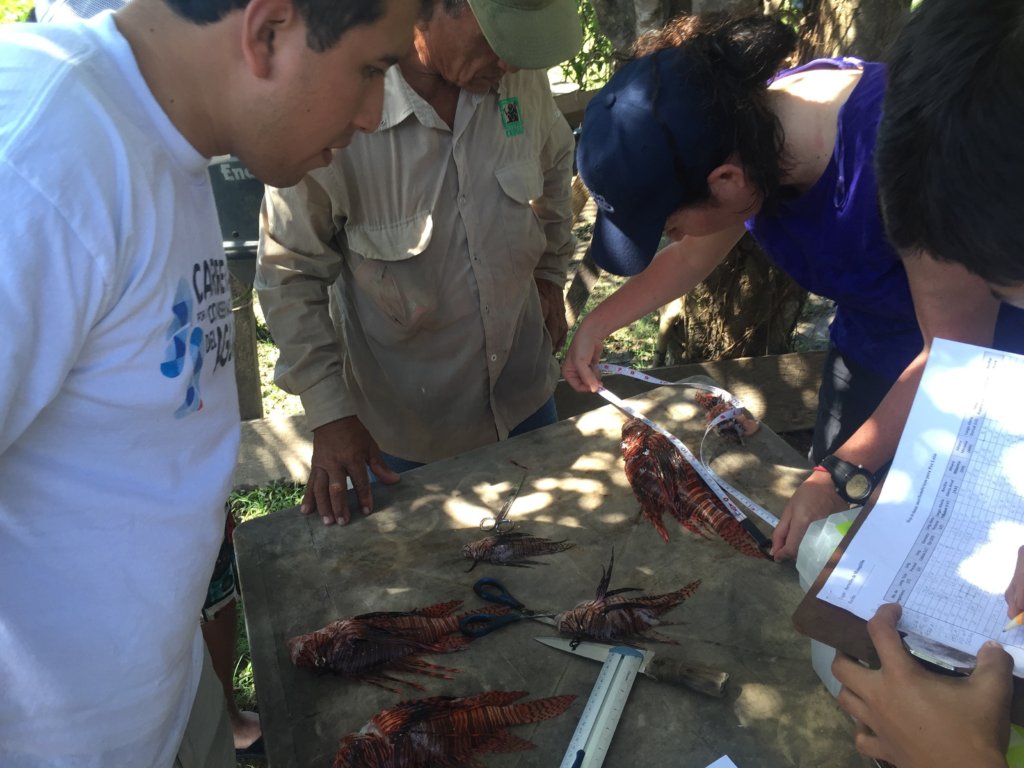
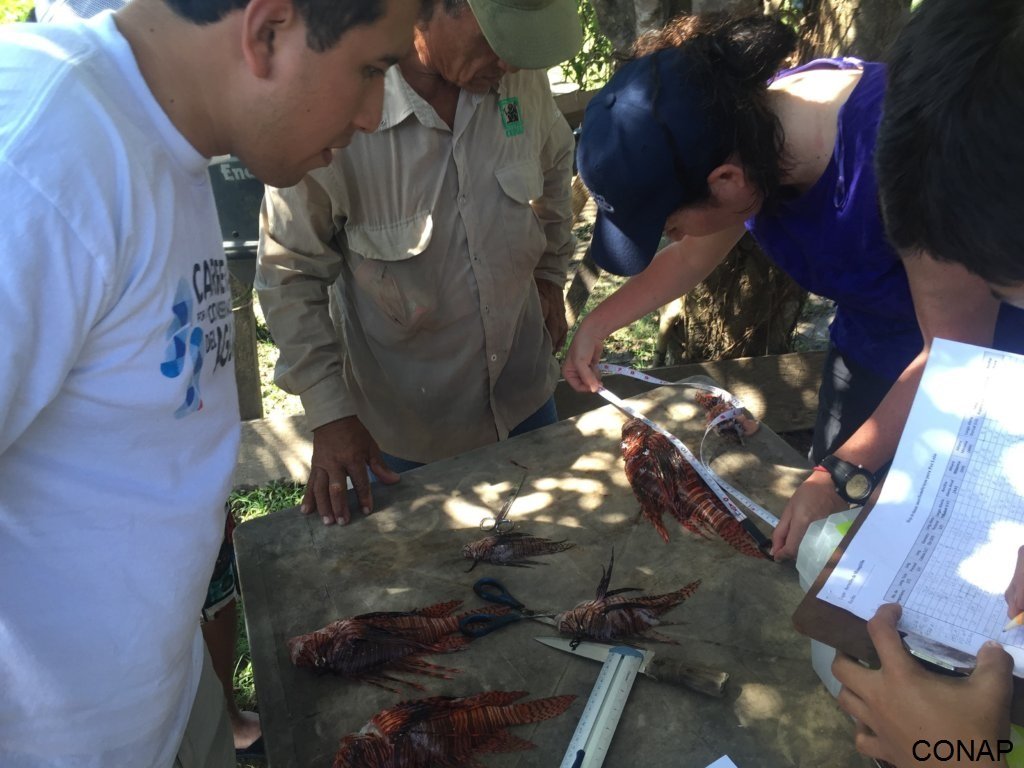
In Roatan, Bay Islands, Honduras, the Roatan Marine Park (RMP) and the Utila Center for Marine Ecology (UCME) have move forward with their lionfish workshops, and have started with the next step: training workshops to teach capture methods.
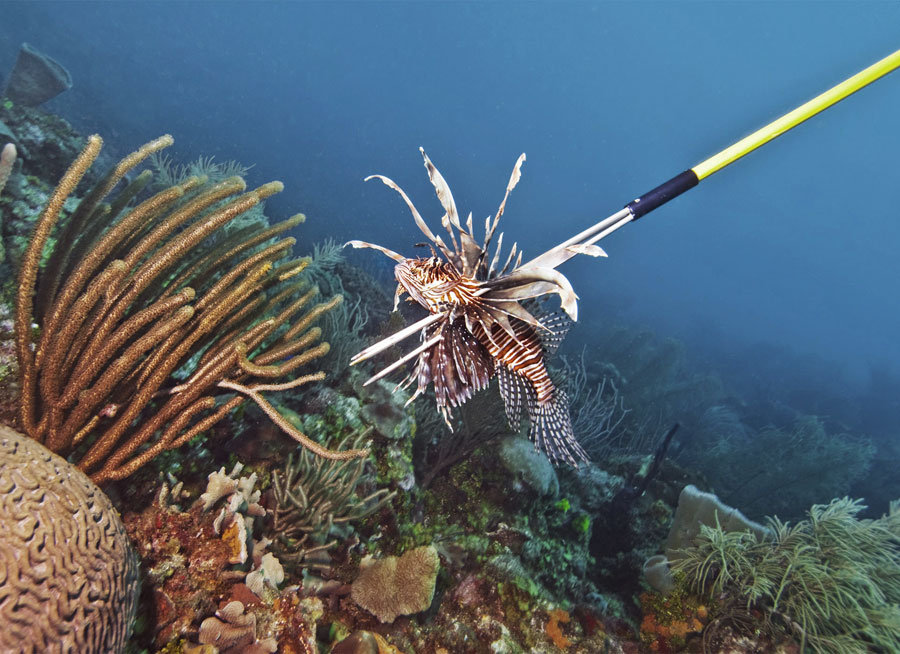
The most common methods of capture are the net and stick, which is recommended for juveniles, and the pole spear or Hawaiian sling. This method, if done properly, is quick and safe. The spear can be strapped to the diving oxygen tank.
There are five important rules that must be considered when spearing, and that NGOs and authorities are making clear to certified lionfish hunters:
Project reports on GlobalGiving are posted directly to globalgiving.org by Project Leaders as they are completed, generally every 3-4 months. To protect the integrity of these documents, GlobalGiving does not alter them; therefore you may find some language or formatting issues.
If you donate to this project or have donated to this project, you can receive an email when this project posts a report. You can also subscribe for reports without donating.



Support this important cause by creating a personalized fundraising page.
Start a Fundraiser