By Ximena Flamenco | Project Officer
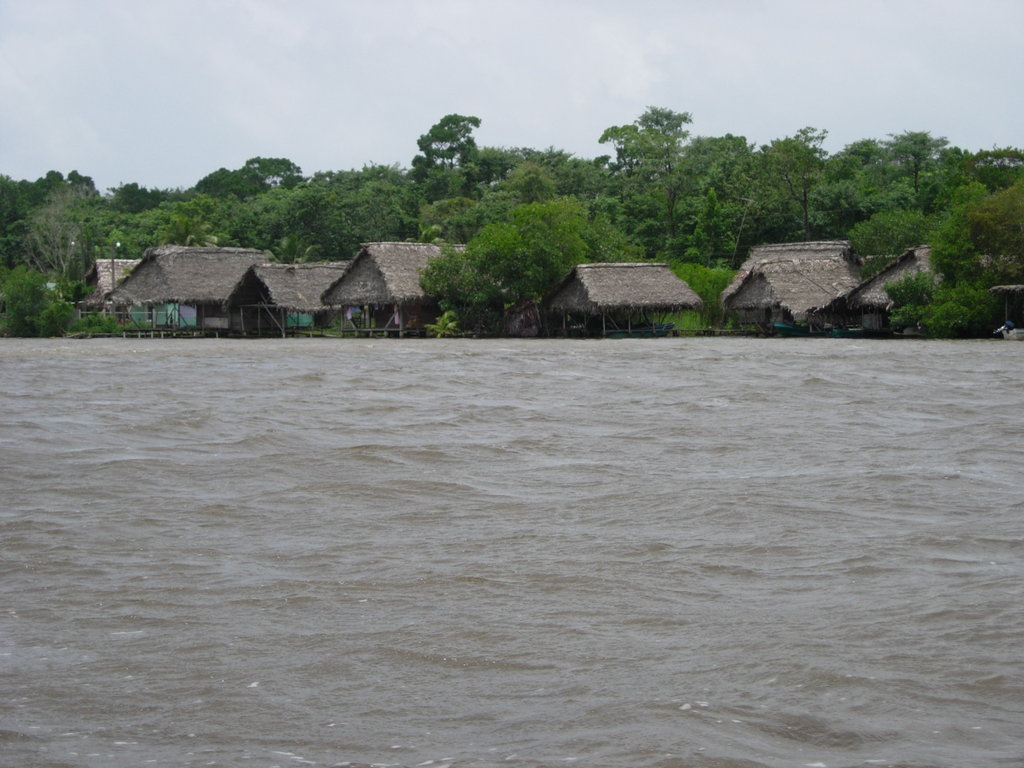
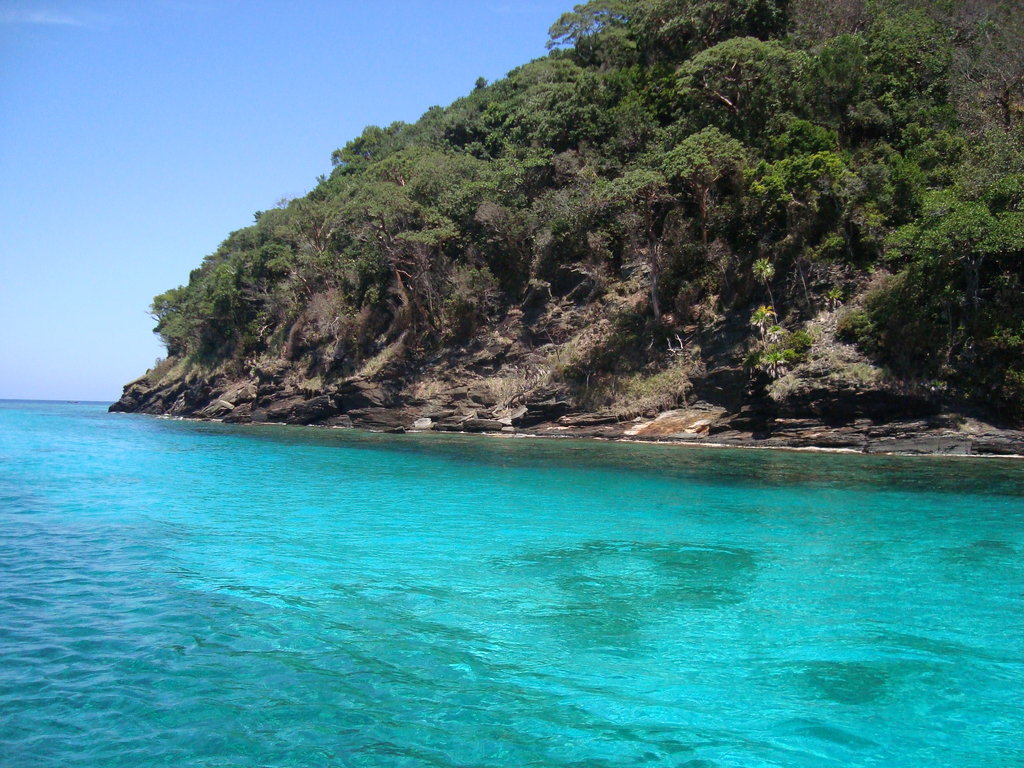
Along the northern shores of Honduras, where the land meets the Caribbean, we find ourselves in, Blanca Janeth Kawas Fernández National Park and Punta Izopo National Park. Two beautiful protected areas where nature still speaks freely and biodiversity provides sources of sustenance for the local communities who call them home. Blending terrestrial and marine realms with mangrove forests standing as sentinels over the world that unfolds beneath the waves, seagrass meadows sway in silent harmony and coral reefs bloom with ancient color, being the home of countless species.
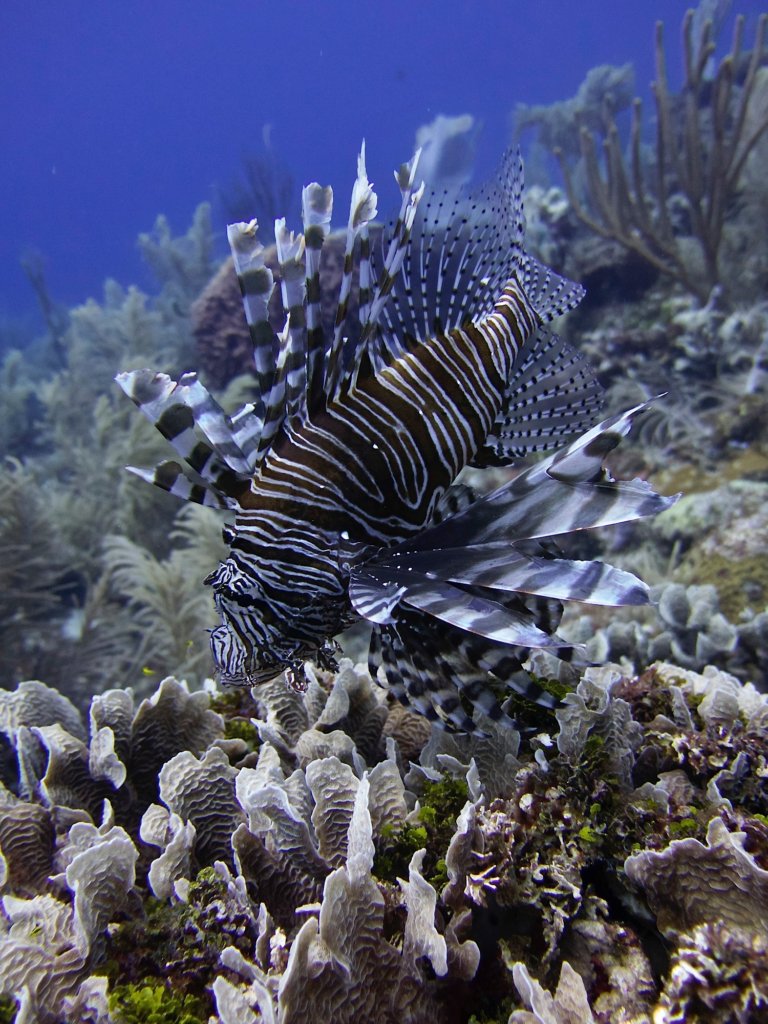
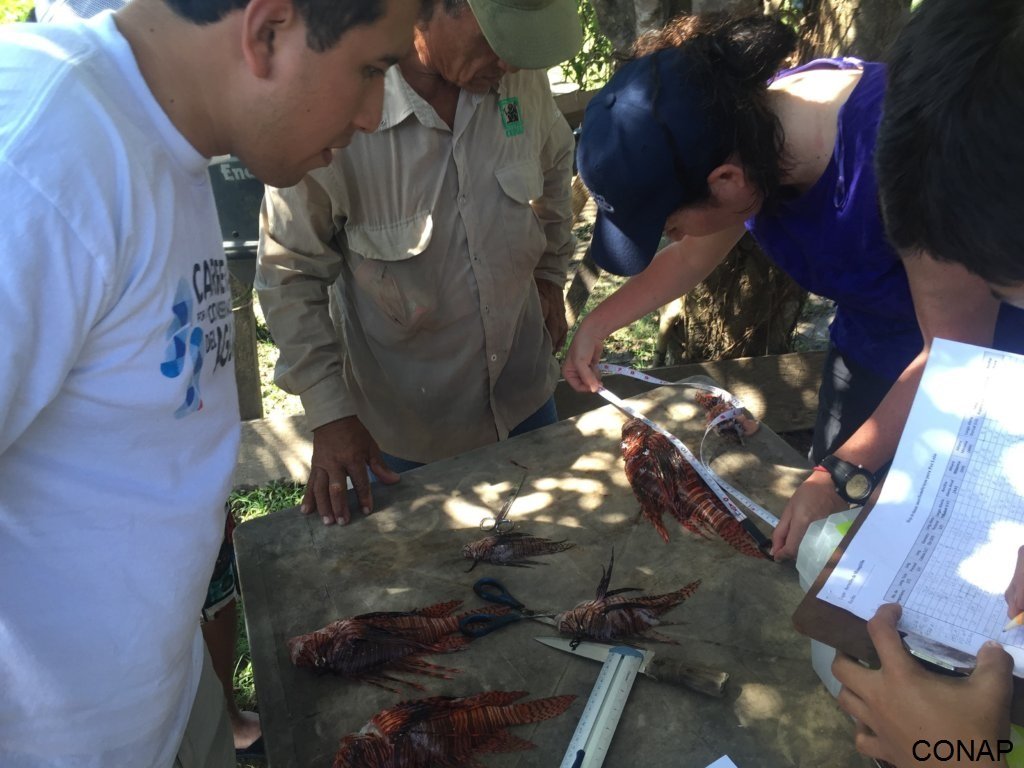
But not everything is as it seems, the presence of the invasive lionfish (Pterois volitans) has significantly disrupted the balance of the park’s marine ecosystems. With no natural predators, the lionfish population grows rapidly, while voraciously feeding on native reef fish and juvenile species, including those that play critical roles in maintaining the health of coral reefs and seagrass beds. As a result, the decline of native fish populations threatens the biodiversity and ecological stability of these protected areas, as well as the local communities that depend the resource.
To strengthen the efforts against this deadly species, funds will be provided to the Fundación para la Protección de Lancetilla, Punta Sal y Texigua (PROLANSATE), co-manager of these two national parks who seeks to promote environmental conservation, the sustainable management of natural resources, and raising awareness about their importance, involving the community in these efforts.
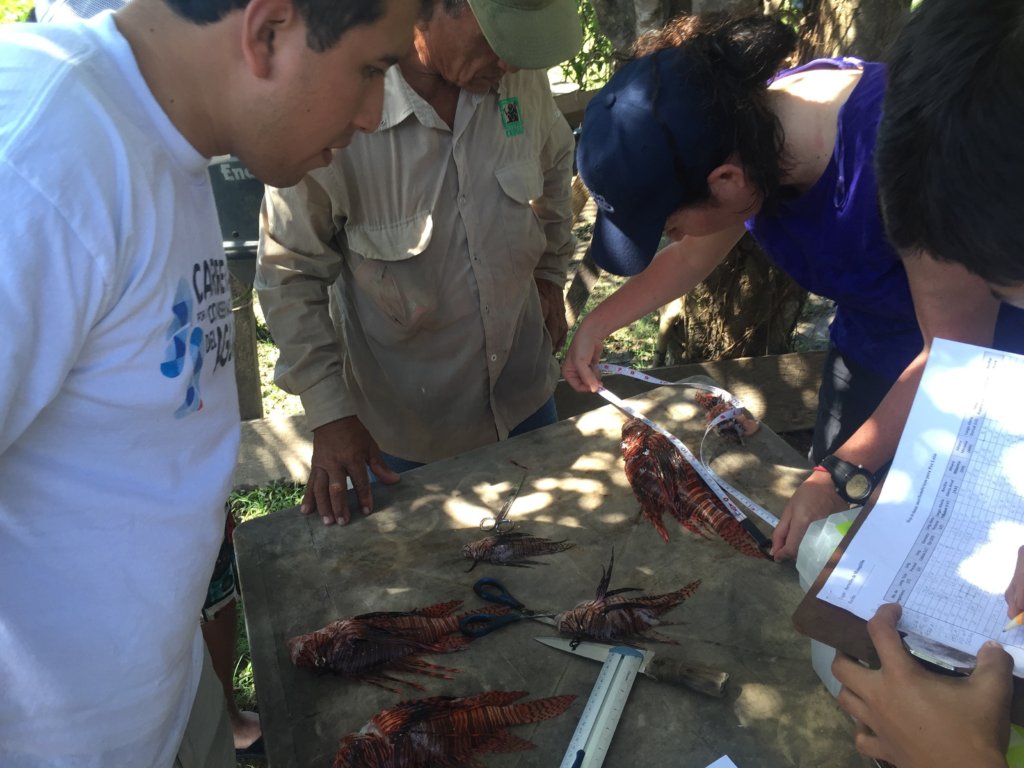
To be able to tackle this threat, and with the objective of training at least 100 artisanal fishers and co-managers in invasive species management, PROLANSATE will develop the following activities:
Effective lionfish management in Blanca Janeth Kawas Fernández National Park and Punta Izopo National Park is essential to safeguarding the ecological integrity of their marine ecosystems and protecting the livelihoods of local communities. Continued collaboration between co-managers, and artisanal fishers will be key to reducing the impact of lionfish.
The continued support in the region to control lionfish, has been able thanks to your help.
We´ll keep you posted on how things develop.
Thank you
The MAR Fund Team.
Project reports on GlobalGiving are posted directly to globalgiving.org by Project Leaders as they are completed, generally every 3-4 months. To protect the integrity of these documents, GlobalGiving does not alter them; therefore you may find some language or formatting issues.
If you donate to this project or have donated to this project, you can receive an email when this project posts a report. You can also subscribe for reports without donating.



Support this important cause by creating a personalized fundraising page.
Start a Fundraiser