By Rebecca Garcia Camps | Marine Operations Coordinator
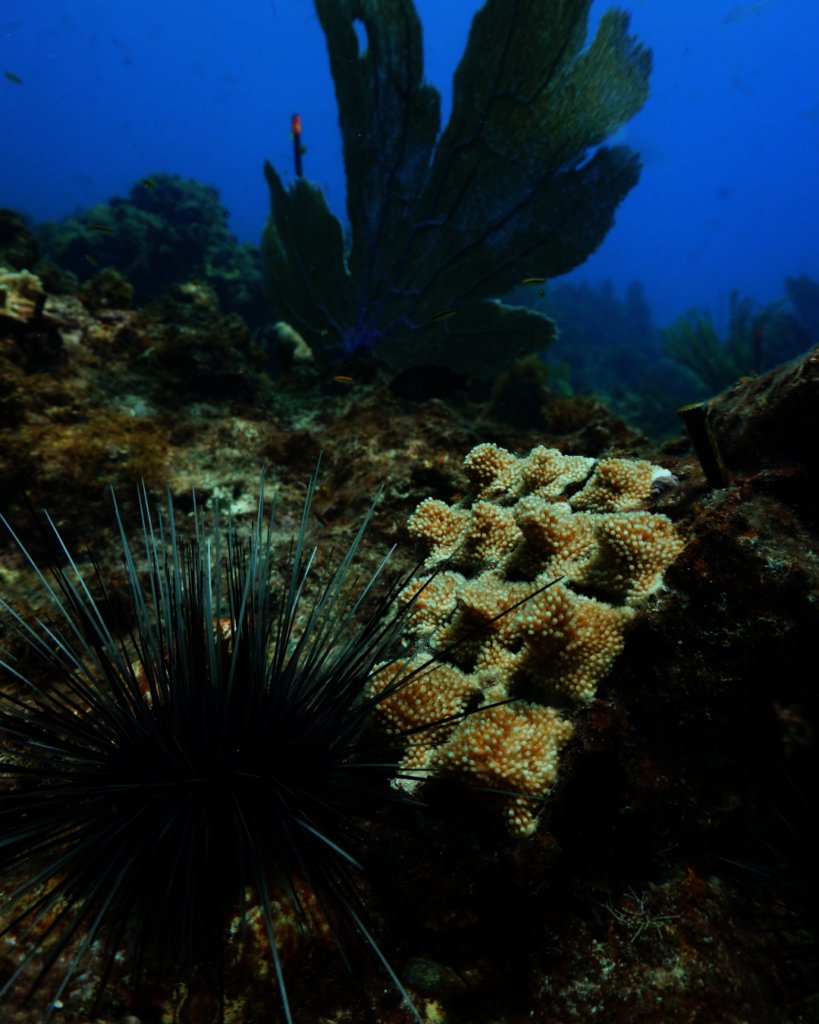
Diadema antillarum, the long-spined sea urchin, is a keystone species for coral reefs, and its population in Punta Cana is a fundamental part of our holistic approach for coral restoration. In 2024, Fundación Puntacana joined a regional research effort led by Dr. Alwin Hylkema of Wageningen University & Research to study D. antillarum settlement patterns across the Caribbean. The objective is to understand where these urchins are most likely to settle, how their populations are connected across the region, and how we can best support their recovery after the mass die-offs of the 1980s. In our area, these important macroalgal grazers are in low numbers, with an average density on our reefs of 0.05 ind/m².
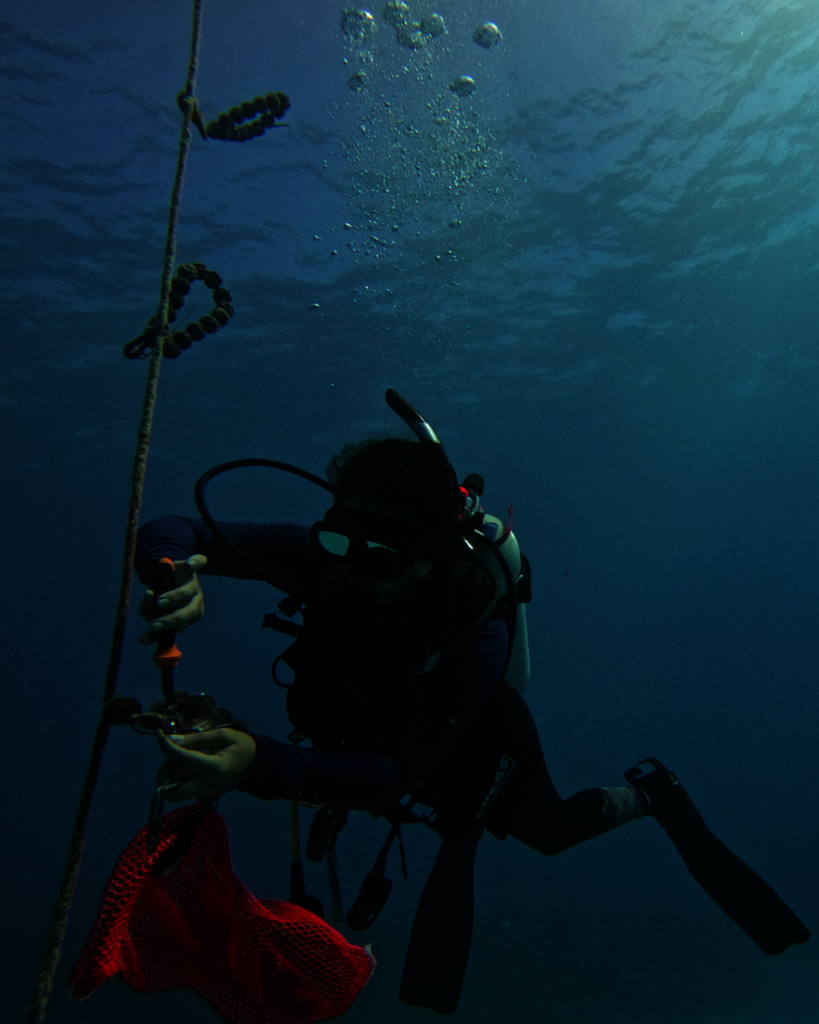
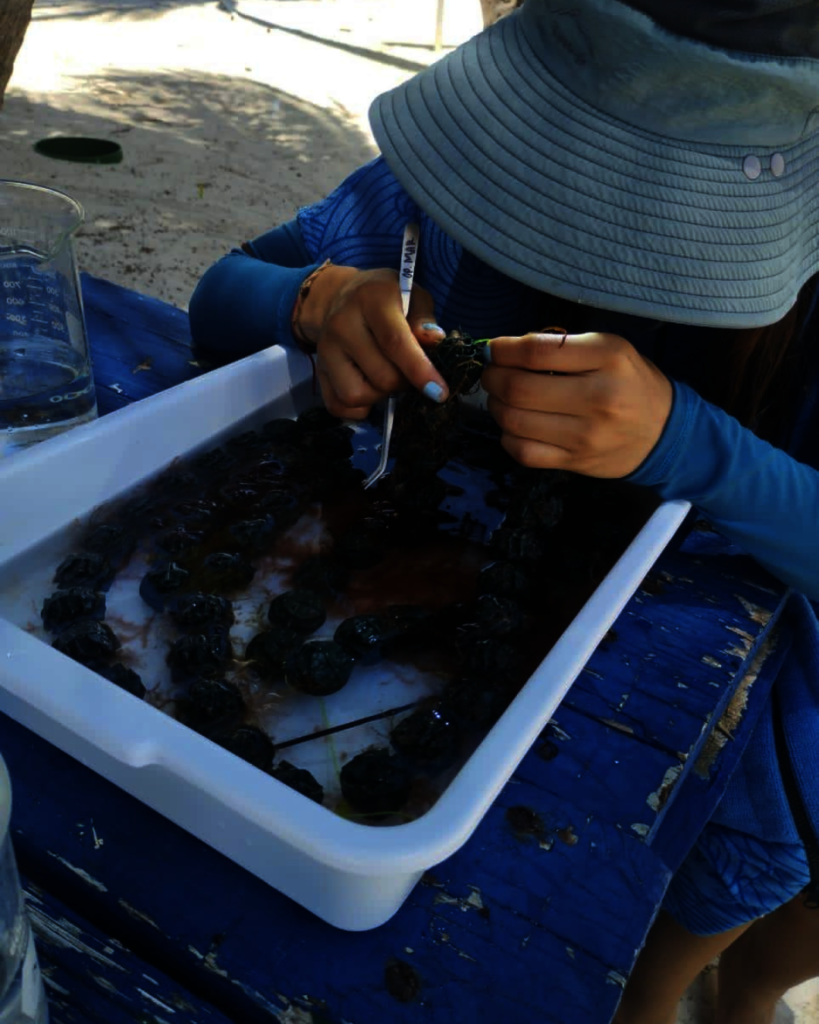
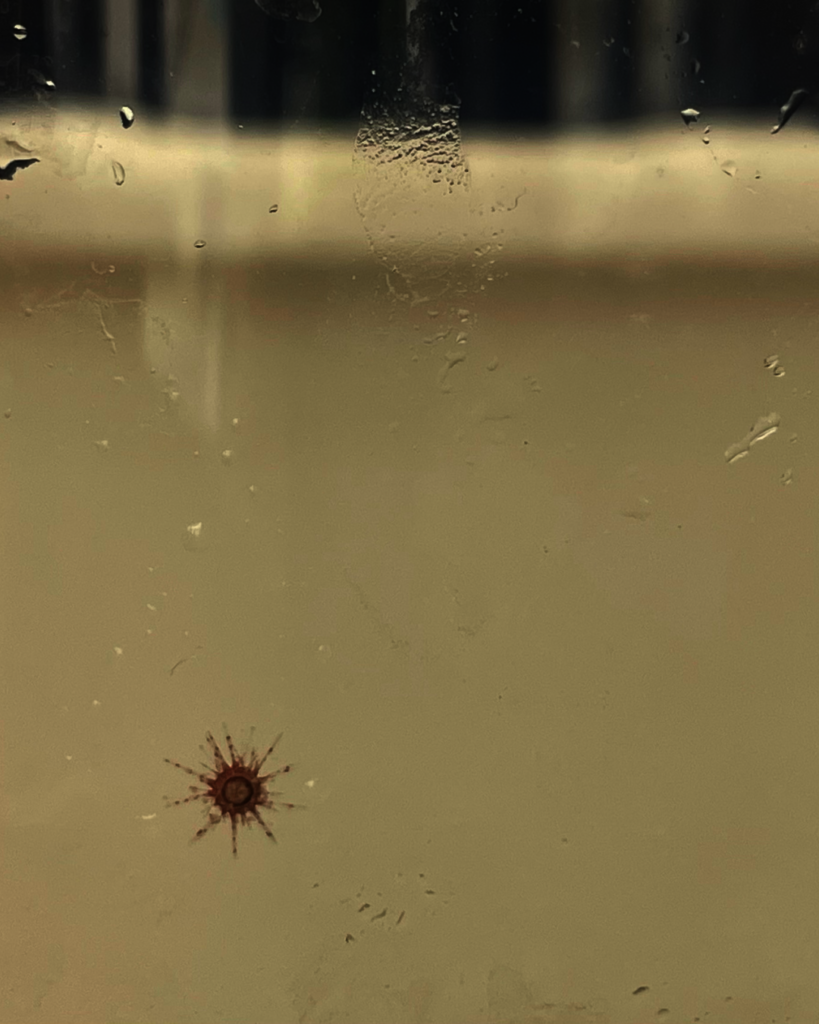
As part of this study, Fundación Puntacana has installed settlement collectors at five reef sites. These collectors use bioballs streamers as substrate to attract settling juvenile urchins. Since March 2024, we have collected 52 D. antillarum recruits through this method. These individuals are transferred to our lab, where they are carefully fed and reared until they grow large enough to begin their role as reef grazers.
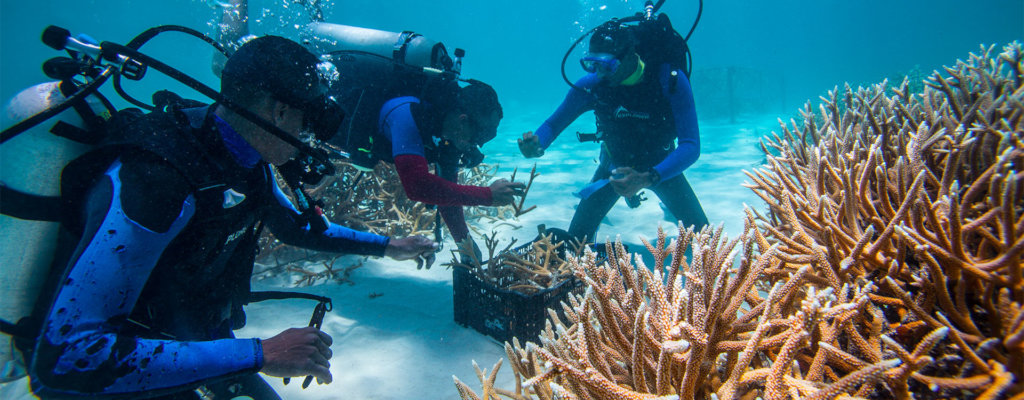
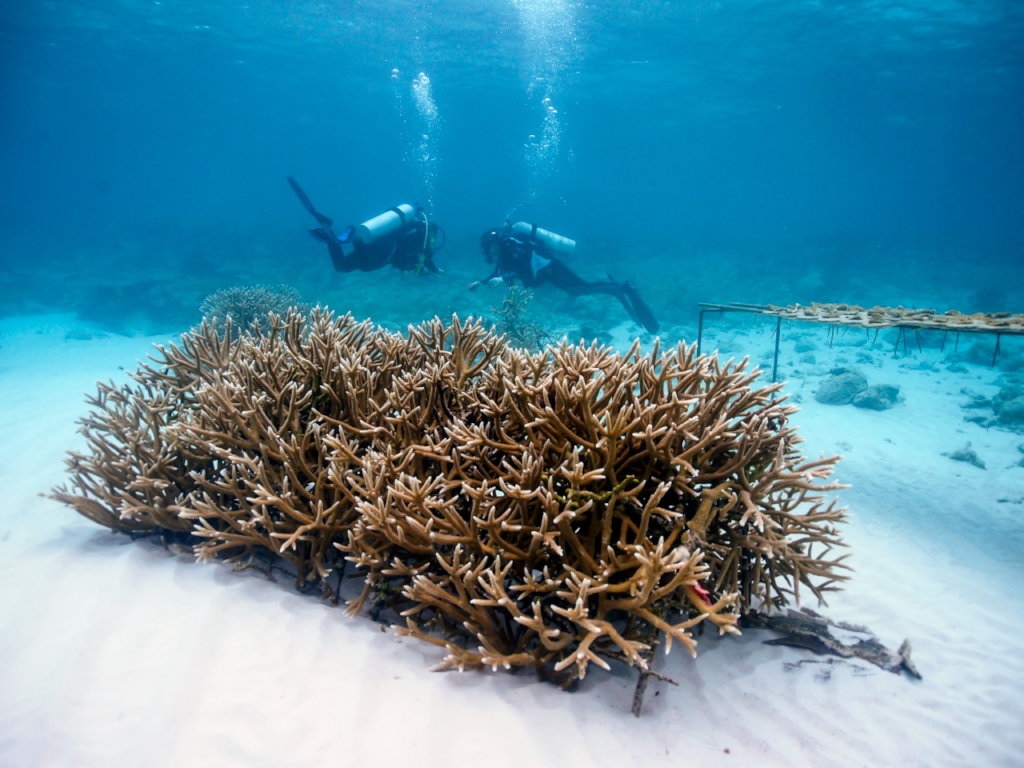
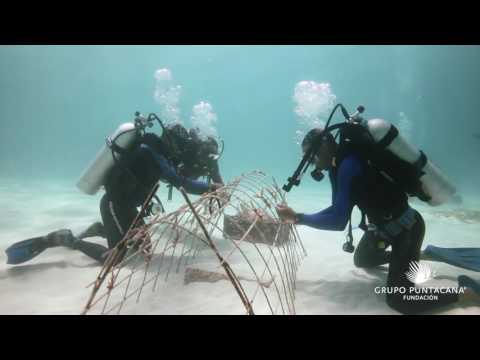
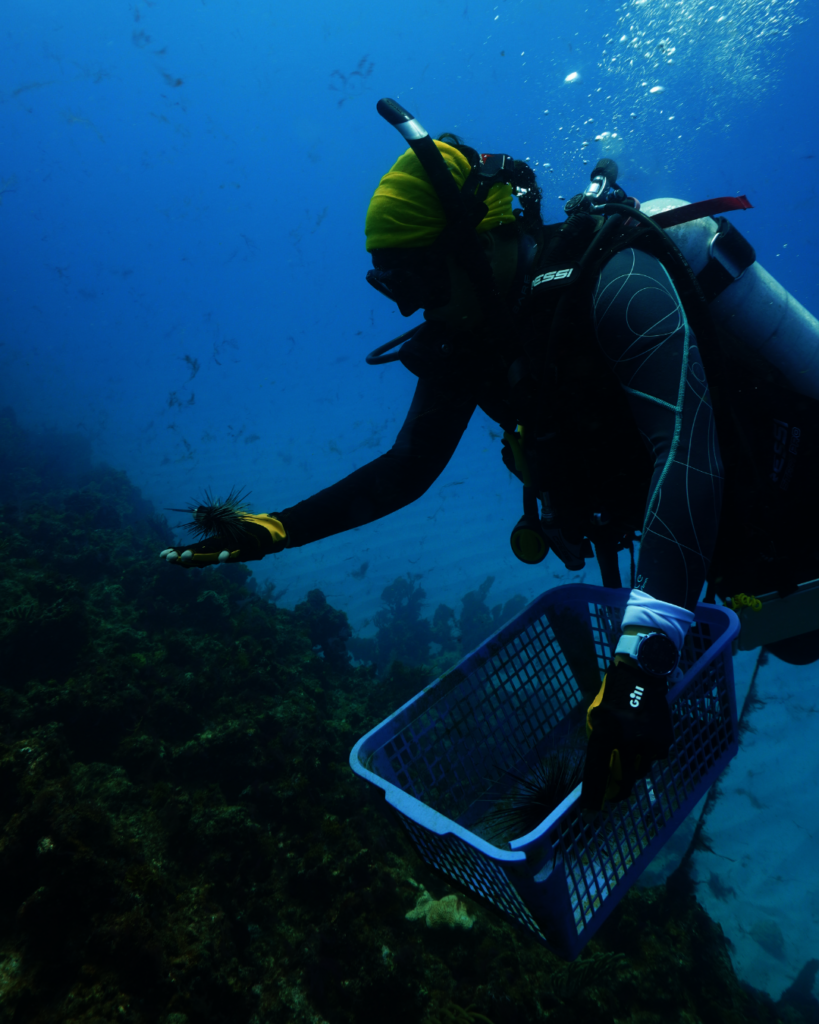
What makes this effort particularly impactful is how these urchins are integrated into every phase of our coral restoration process. Once they are strong enough, they are moved into our coral nursery tanks, where they help keep algae levels in check. Eventually, they are outplanted to coral restoration sites in the reef, completing a full cycle of restoration that supports coral by reducing macroalgal cover.
In addition to our standard collection method, we are also piloting a second approach in partnership with ISER Caribe, using artificial turf as a substrate for settlement. By comparing methods, we aim to determine the most effective strategy for large-scale urchin recruitment.
Rearing the urchin D.antillarum is not just about bringing back a species—it’s about restoring balance. These urchins play a critical role in keeping algae in check, allowing corals to grow, compete, and thrive. Their presence is essential to the long-term success of coral restoration efforts in the Dominican Republic and across the Caribbean. Through science-based action and regional collaboration, we are helping to rebuild healthier, more resilient reef systems.
Project reports on GlobalGiving are posted directly to globalgiving.org by Project Leaders as they are completed, generally every 3-4 months. To protect the integrity of these documents, GlobalGiving does not alter them; therefore you may find some language or formatting issues.
If you donate to this project or have donated to this project, you can receive an email when this project posts a report. You can also subscribe for reports without donating.



Support this important cause by creating a personalized fundraising page.
Start a Fundraiser