By Sophie O'Gorman | Officer, Donor Propositions
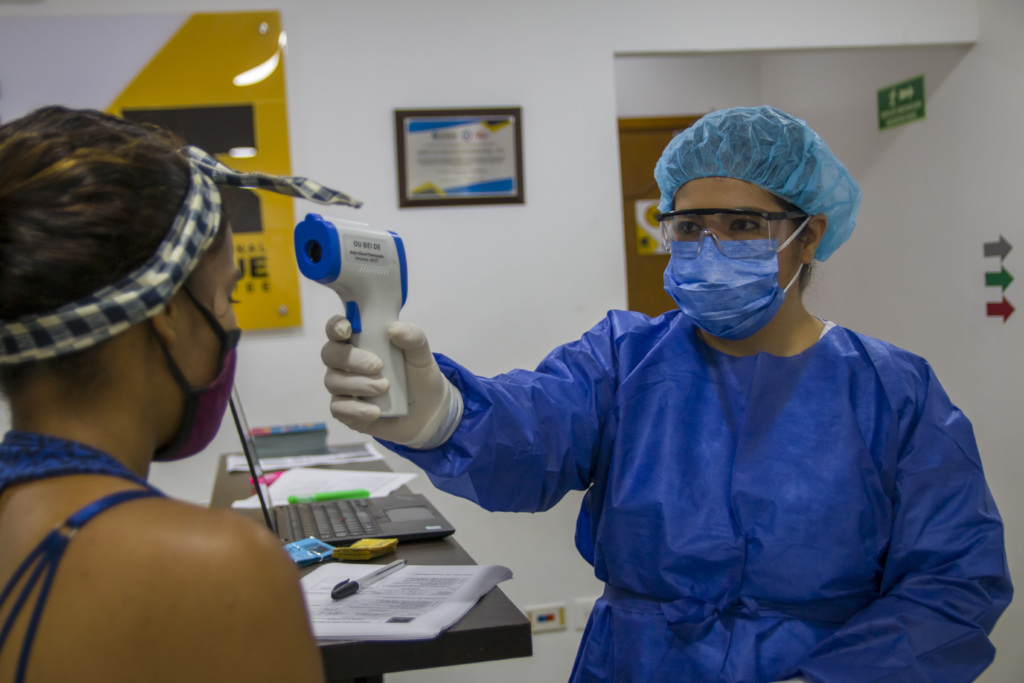
It has now been two years since the WHO declared COVID-19 a pandemic and more than one year since the world began vaccinating against the disease. Thanks to the generosity of our supporters, we have connected millions of people to health, water and sanitation, education and nutrition support in the context of this pandemic. We have also created a clear foundation from which we can continue our work. We have honed our program models so that we are ready to provide support for communities that continue to experience the pressures of the pandemic in areas where we work—including in the world’s worst crisis zones.
The recent spread of the COVID-19 Omicron variant has served as another stark reminder of vaccine inequality. Half of the countries on the IRC’s Emergency Watchlist—the countries at greatest risk of experiencing a deteriorating crisis in 2022 —have vaccinated less than 10% of their populations, with Democratic Republic of Congo (0.8%), Haiti (1%), Yemen (2%) and South Sudan (4%) being left the furthest behind.
To help bridge these gaps, the IRC has delivered COVID-19 vaccinations to refugees and displaced people in Uganda, Somalia, Sierra Leone, Nigeria, Bangladesh, etc. Complementing our vaccination efforts, we continue to connect people with resources to support fragile and failing health systems, education sectors and economies.
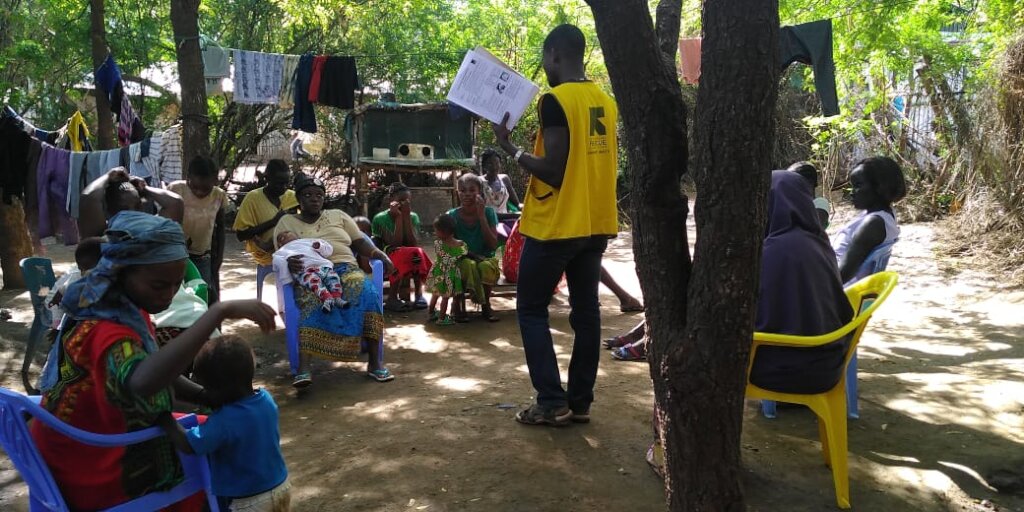
Vaccinations for refugees in Kakuma, Kenya
The IRC began vaccinating individuals in Kakuma Refugee Camp in early 2021. To date, our team has helped to administer over 30,000 doses.
Refugee families in Kakuma live together in small tents and makeshift homes and are confined in small spaces without access to proper water, sanitation and hygiene, making the conditions ripe for the spread of COVID-19 and other diseases. The pandemic led to fear and stigma across the community. Widespread misinformation was often shared across Kakuma using WhatsApp and other social media. IRC staff have continuously worked to promote vaccine-positive messages to mitigate vaccine hesitancy. We launched radio shows to dispel rumors and answer questions, providing factual information to the community in languages they would understand.
The IRC continues to vaccinate communities in Kakuma and we intend to scale our vaccine hesitancy response work further in 2022.
Learning for Children on the Move in Colombia and Beyond
Millions of children in Colombia have been impacted by COVID-related school closures, including more than 450,000 school-aged Venezuelan children, of whom about 260,000 were already out of school before the pandemic began. The combination of COVID closures and pre-existing access challenges for Venezuelan students calls for a versatile response.
The IRC has developed a radio program called Play Well designed for children ages 3 to 12, which focuses on developing social-emotional learning skills. The show has reached over 3.5M radio listeners. In addition, Play Well is now underway in Uganda and Tanzania, leveraging lessons learned during its implementation in Colombia. The first 3 episodes have aired in East Africa and were well received. 10 episodes were produced in English, Acholi, Bari, Juba Arabic and French, Swahili and Kirundi. Play Well demonstrates our client-centered approach to program design during the pandemic – we worked with local organizations to ensure the materials were contextualized and spoke to the unique challenges, stories and cultures of listeners.
Thank you for your support which funds our critical work to slow the spread of COVID-19, and helps to reduce the secondary impacts of the virus.
Project reports on GlobalGiving are posted directly to globalgiving.org by Project Leaders as they are completed, generally every 3-4 months. To protect the integrity of these documents, GlobalGiving does not alter them; therefore you may find some language or formatting issues.
If you donate to this project or have donated to this project, you can receive an email when this project posts a report. You can also subscribe for reports without donating.