By Robin Van Loon | Executive Director
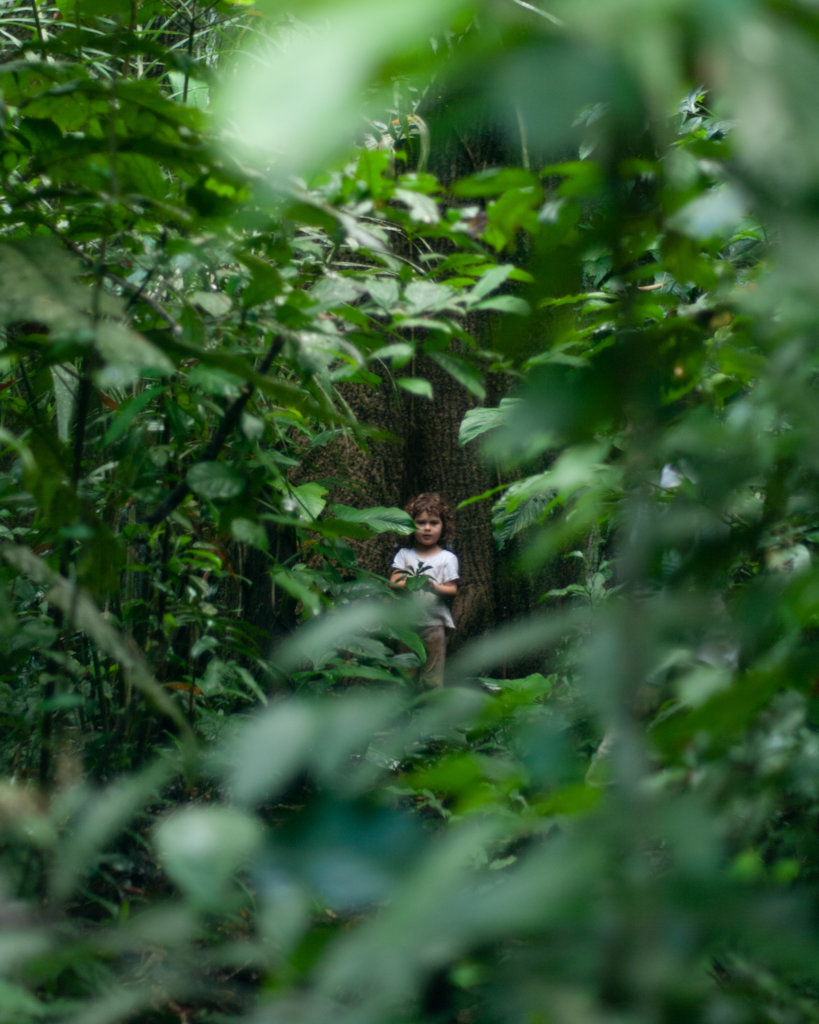
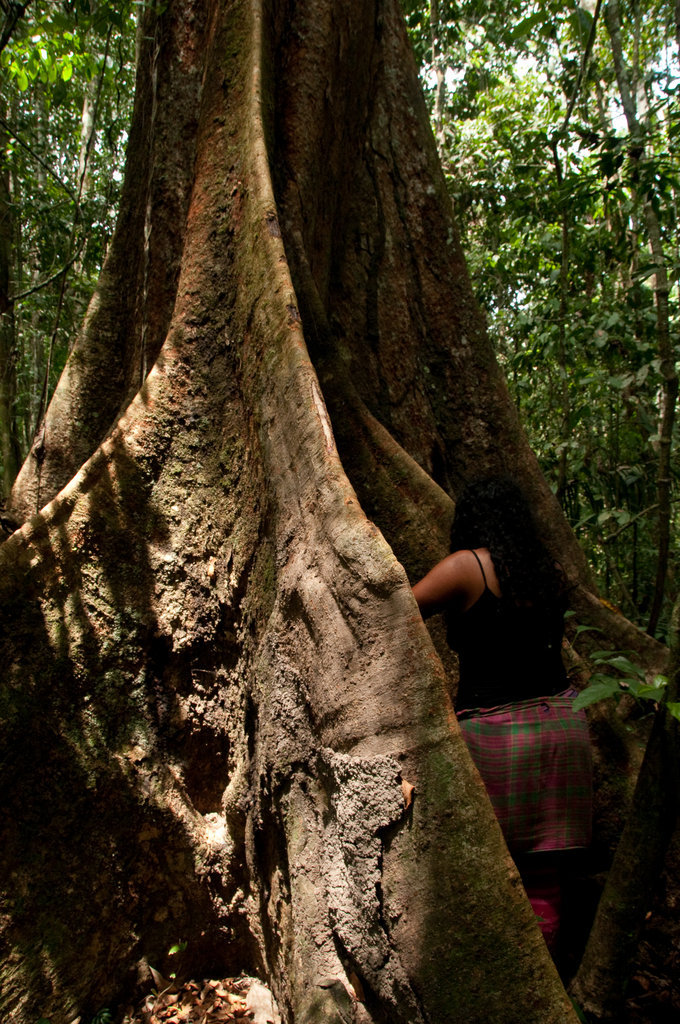
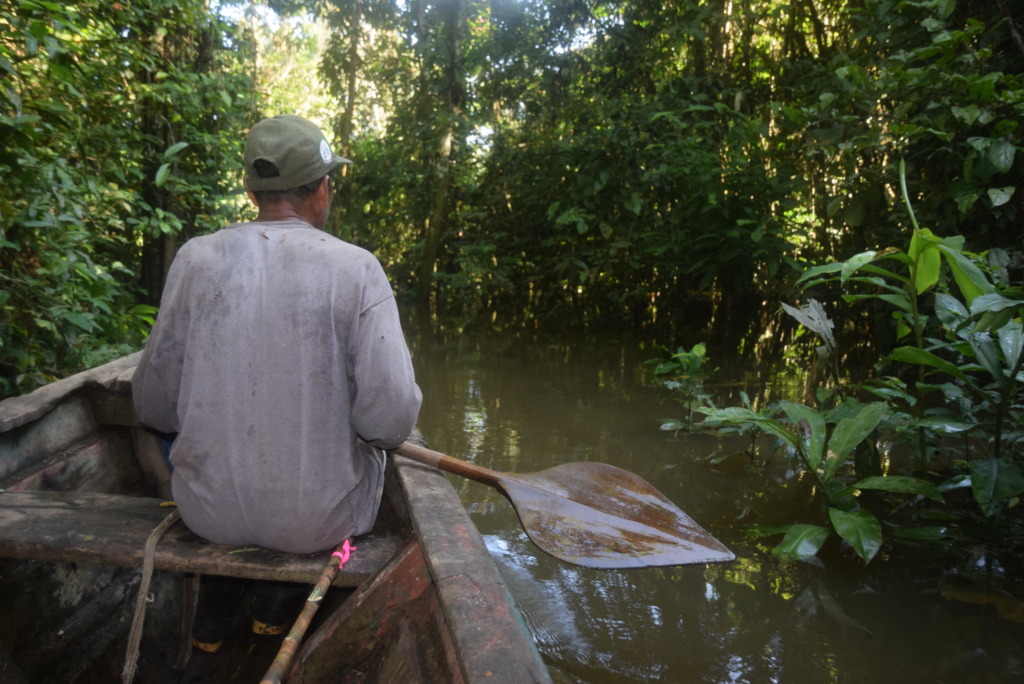
The canoe glides among lianas like mythic serpents and under gray-trunked giants. Insects stare back at us from seasonal perches on branches backdropped with multicolored lichens, their homes when the Amazon's waters run its banks. A white hot sun filters through the canopy and I watch the flashing progressions of light and dark on my companions’ faces, their expert hands adjusting paddle and pole and bringing the boat to a comfortable stop at our trailhead. Moving on foot, we share laughter as our path is submerged once more; our gum boots fill with water for the fourth time of the day.
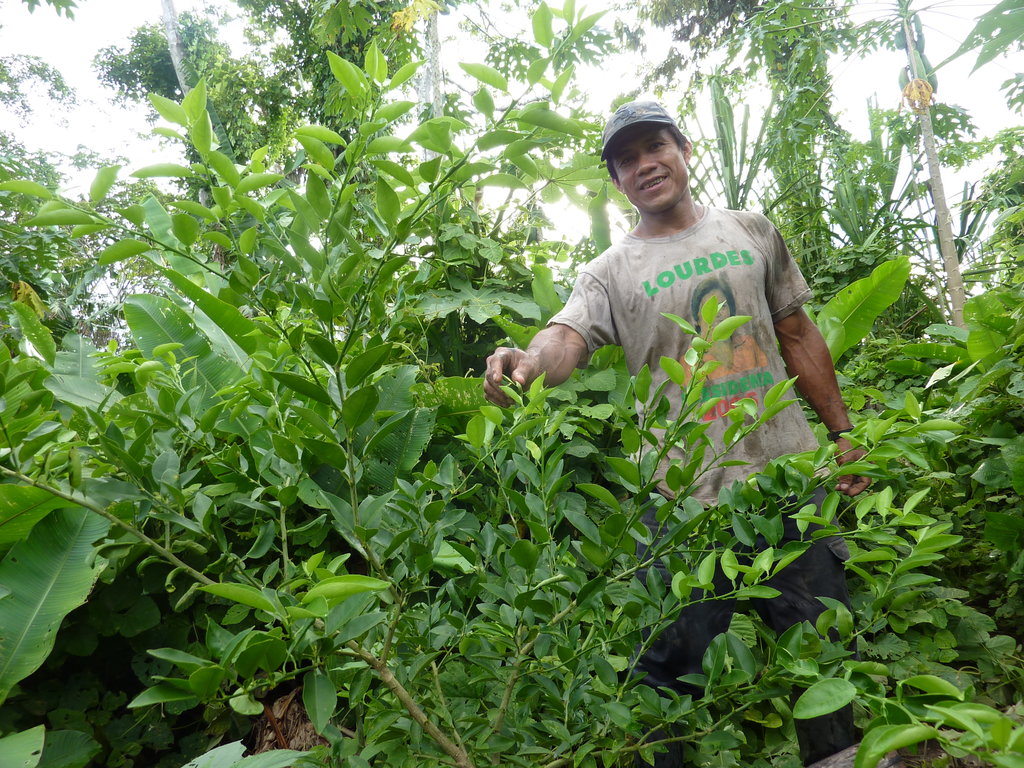
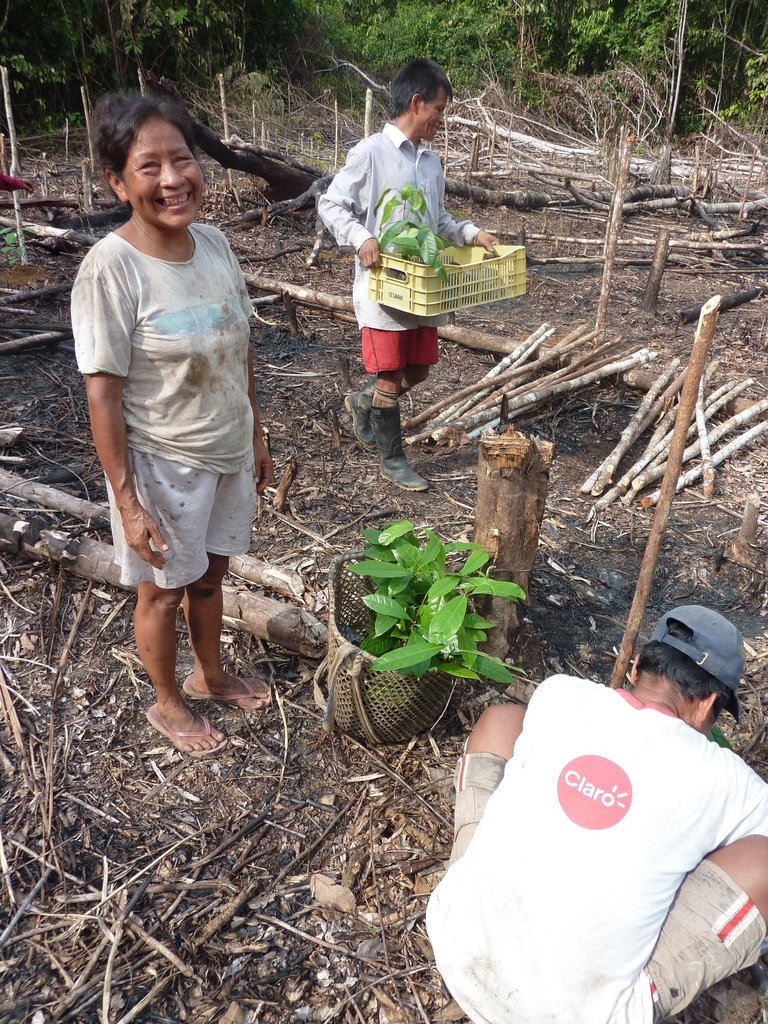
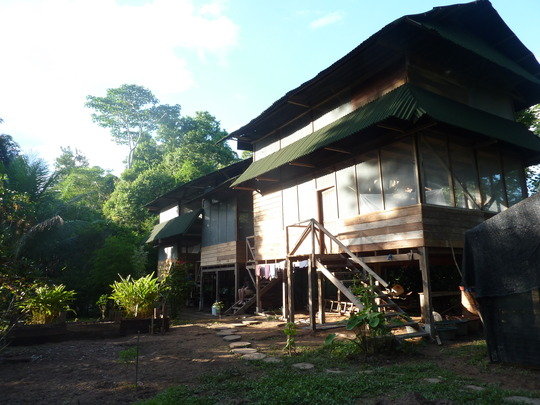
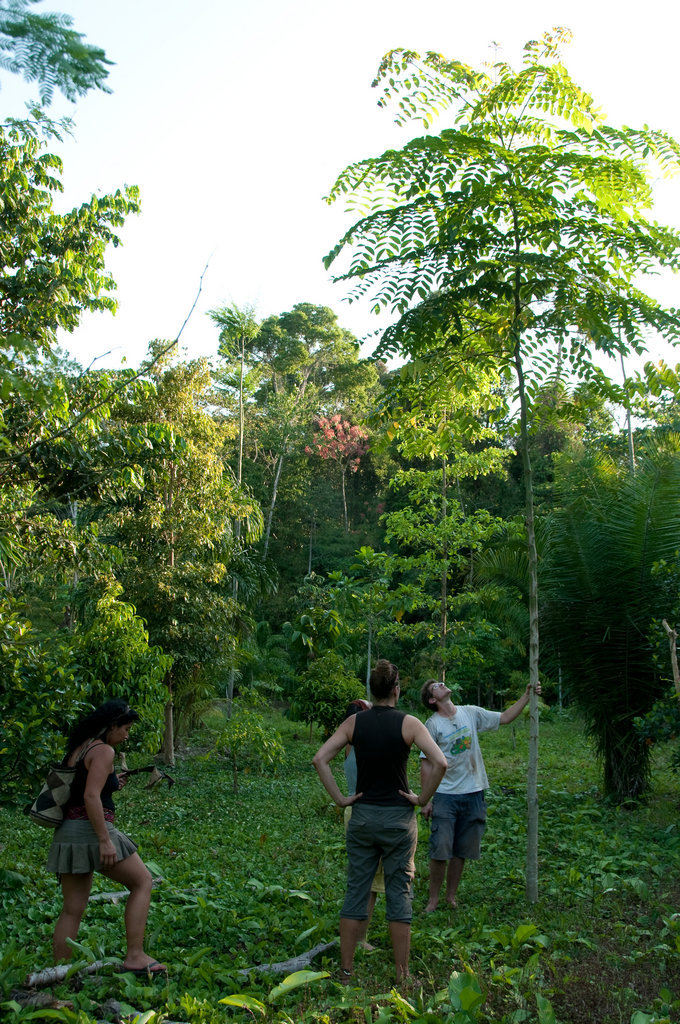
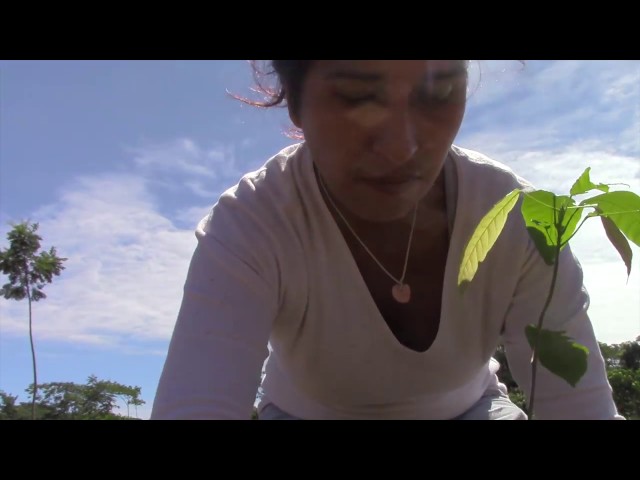
The commute to work for the rosewood farmers of the Bora native community of Brillo Nuevo involves such ordinary tribulations as these, flooded paths, wandering serpents, yet another opportunity to read the forest. Before long we emerge from the thick secondary growth of an old purma (fallow farm) into a clearing where we discover a well-tended garden. Rimmed by the gorgeous chaos of the forest, this garden is a sanctuary for one particular kind of tree, pushed to within a thread of extinction but now cared for, cared about, accompanied closely in its growth as it was once aggressively sought out for its monetary value.
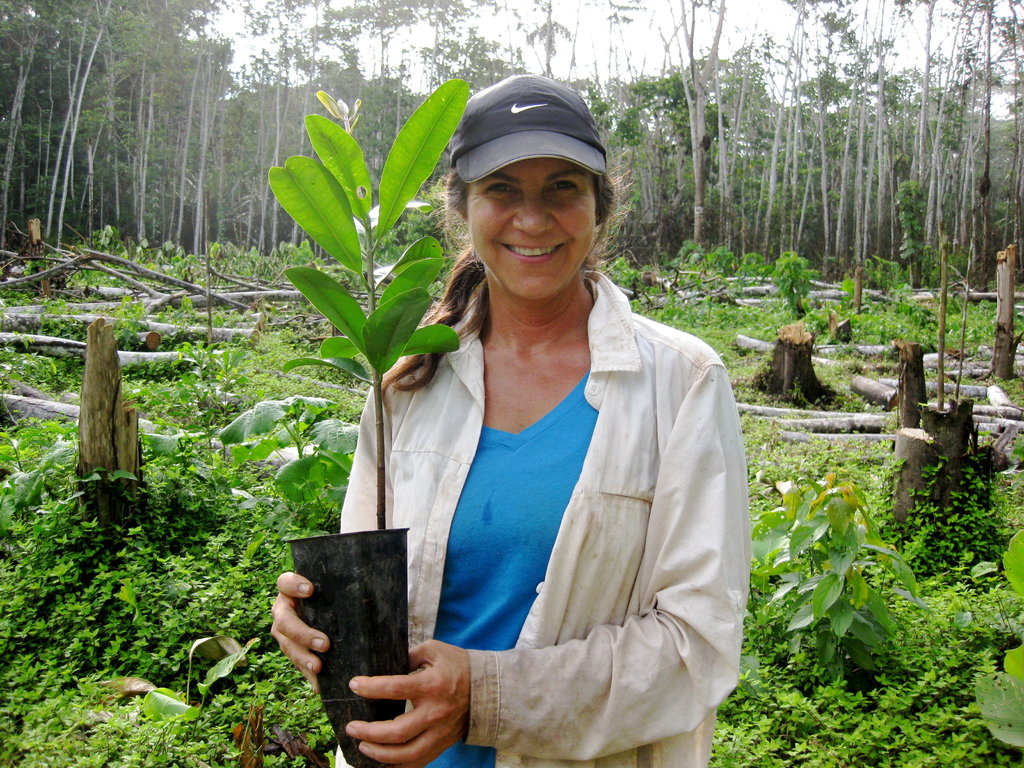
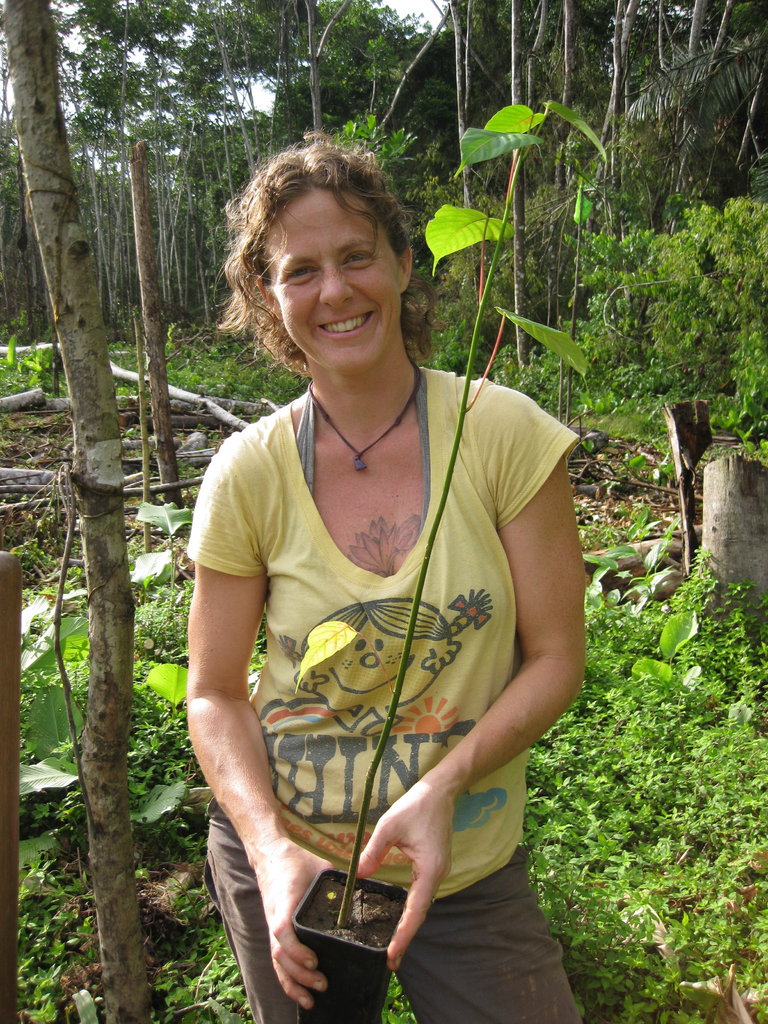
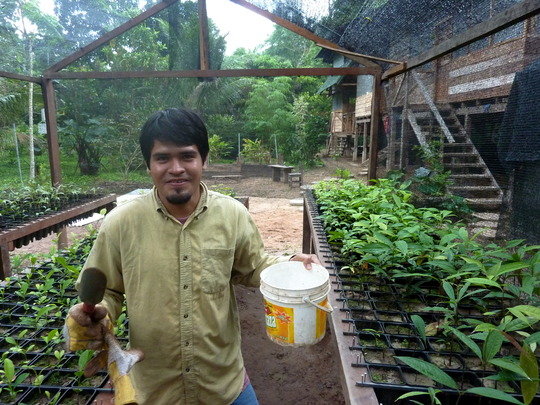
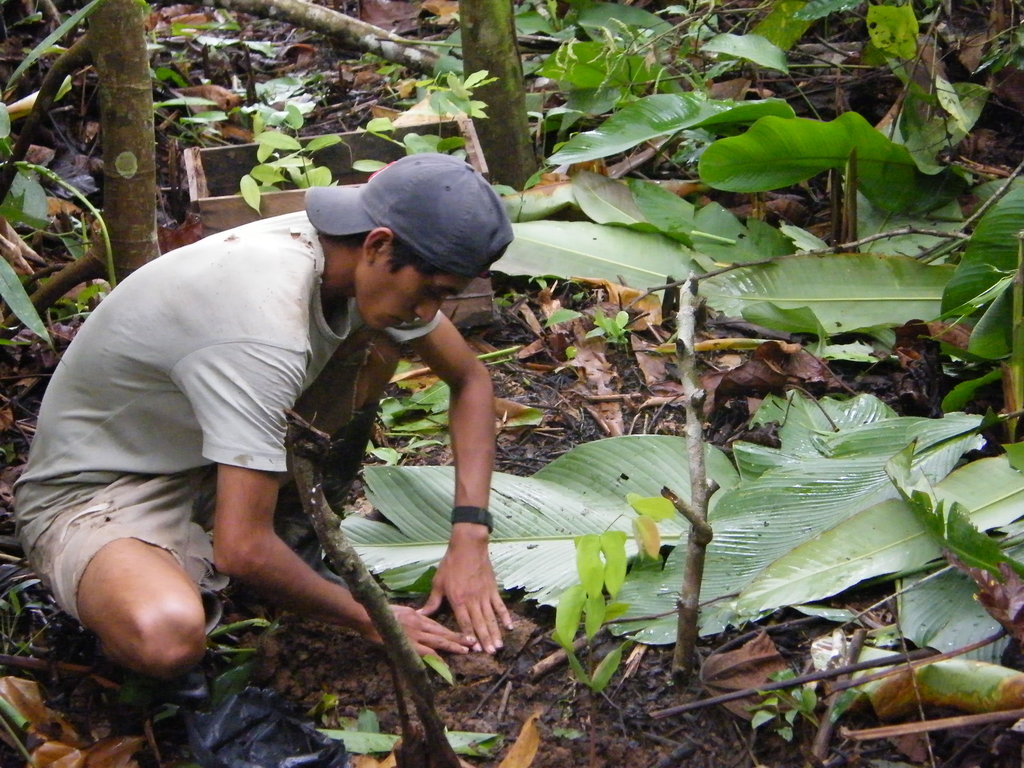
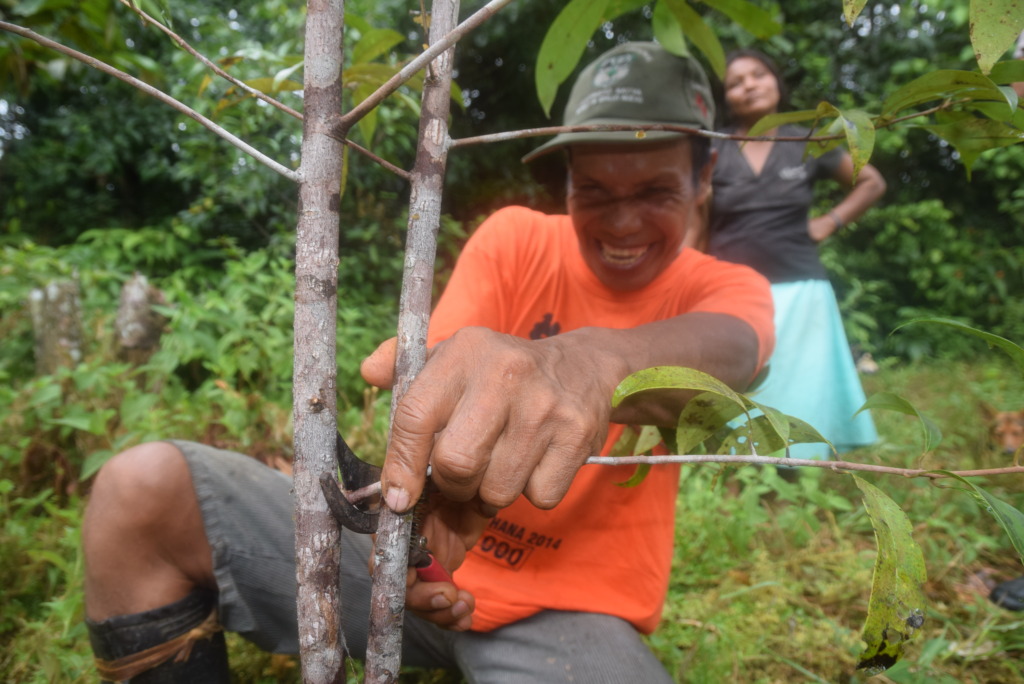
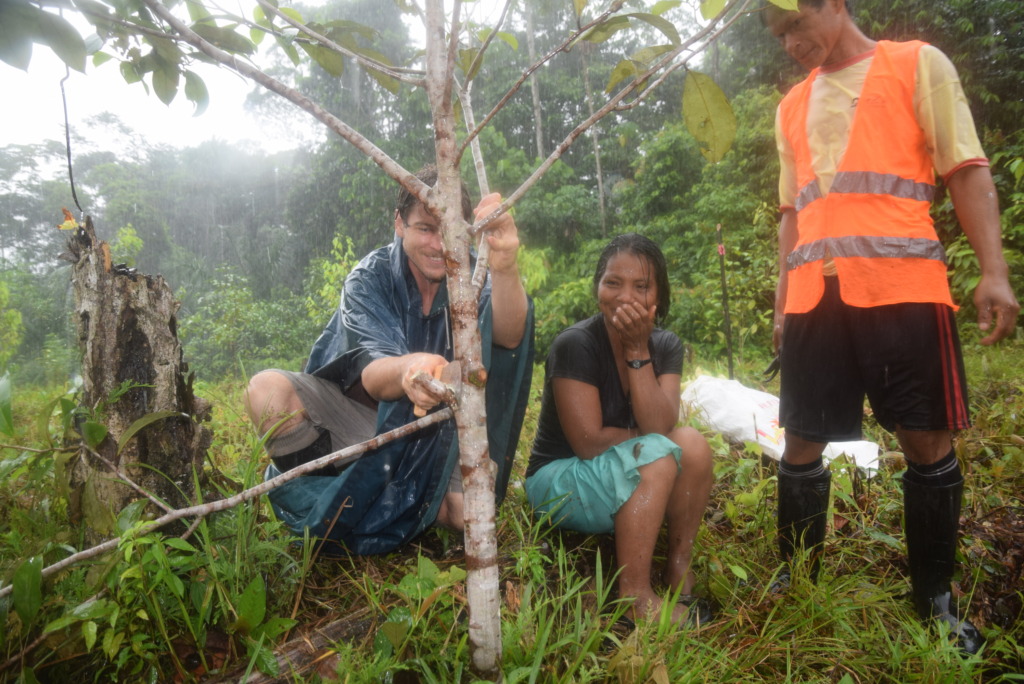
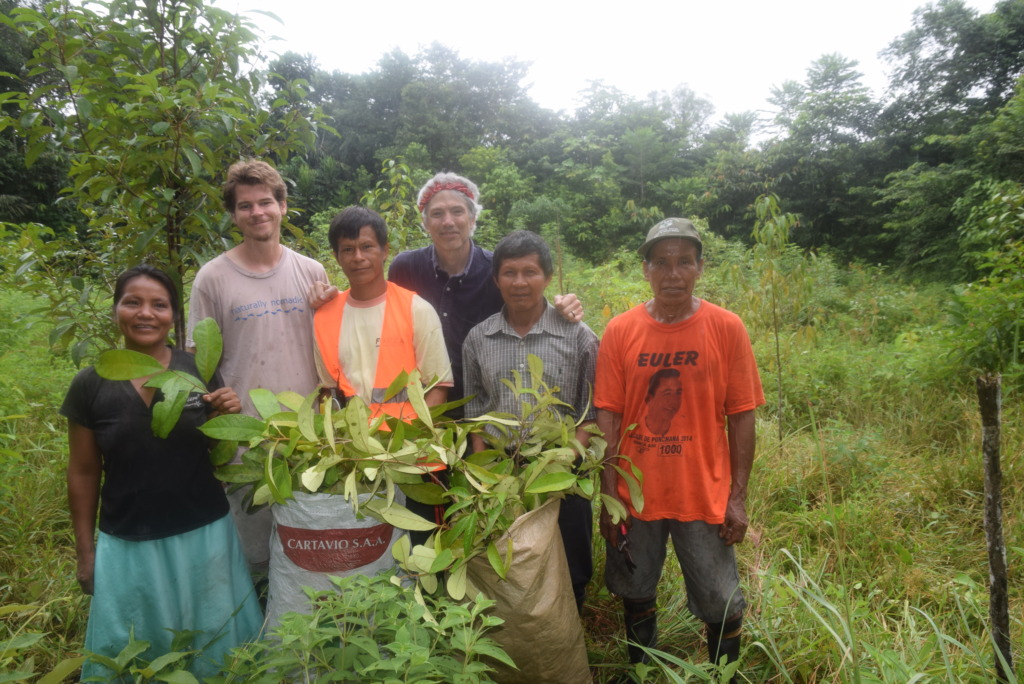
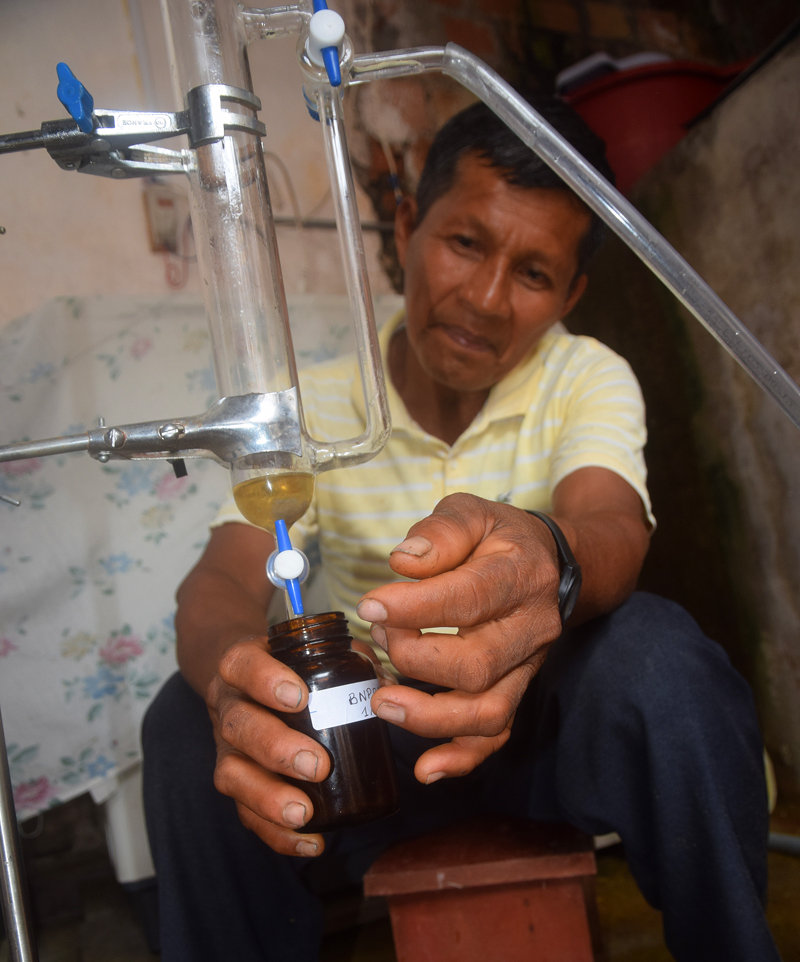
The tree is Brazilian rosewood. And the garden is now three years old. We have pruning shears and saws and we begin by trimming away dead branches, then go on to harvest some of the bottommost live ones. Shortly a sugar sack is filled with branches and leaves. In a half hour, working in teams of three and four, we’ve pruned the whole grove, a hundred trees yielding their first harvest, just a branch or two or three from each tree. Tomorrow, these leaves and side branches will be chipped and then distilled, yielding an essential oil that made fortunes for perfumers several decades ago but now is increasingly hard to find.
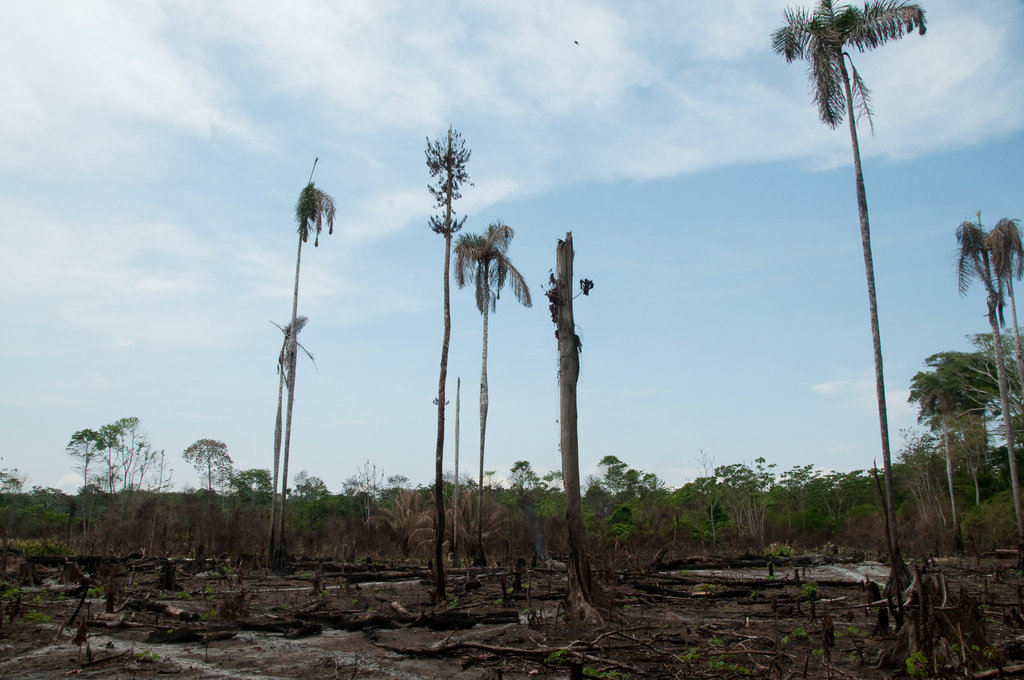
Once, whole rosewood trees were ripped up from the forest loam, as even the roots contain the precious linalool-rich aromatic oil. Now, we prune the trees according to old forestry techniques, in order to improve their health and growth. Our modest harvest is of branches that the tree would soon shuck off anyway. The result of these careful prunings is also esthetically pleasing— the trees look beautiful.
David, one of the Bora guardians of the Brillo Nuevo rosewoods, put it well:
“It’s amazing to see how much better my rosewood trees looked after removing some dead wood and a few lower branches with leaves we can distill. I suppose this is science, but it feels more like a kind of art I can practice to shape and care for my trees. Some of them will eventually produce seeds we use to plant more of these beautiful trees all around our community.”
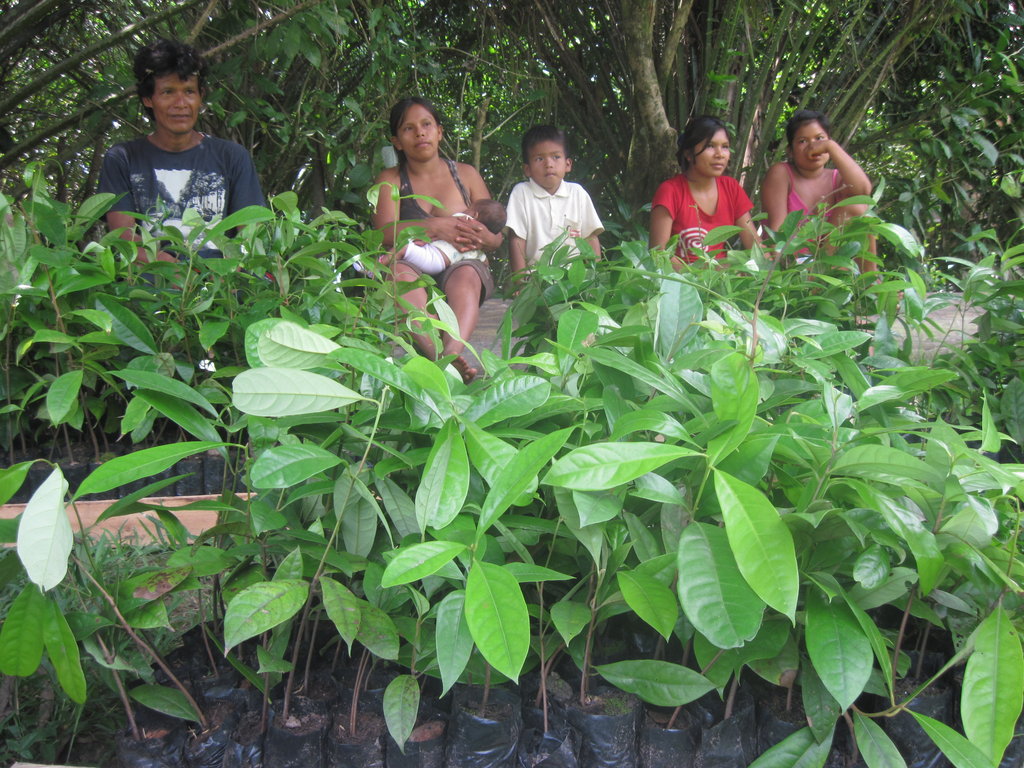
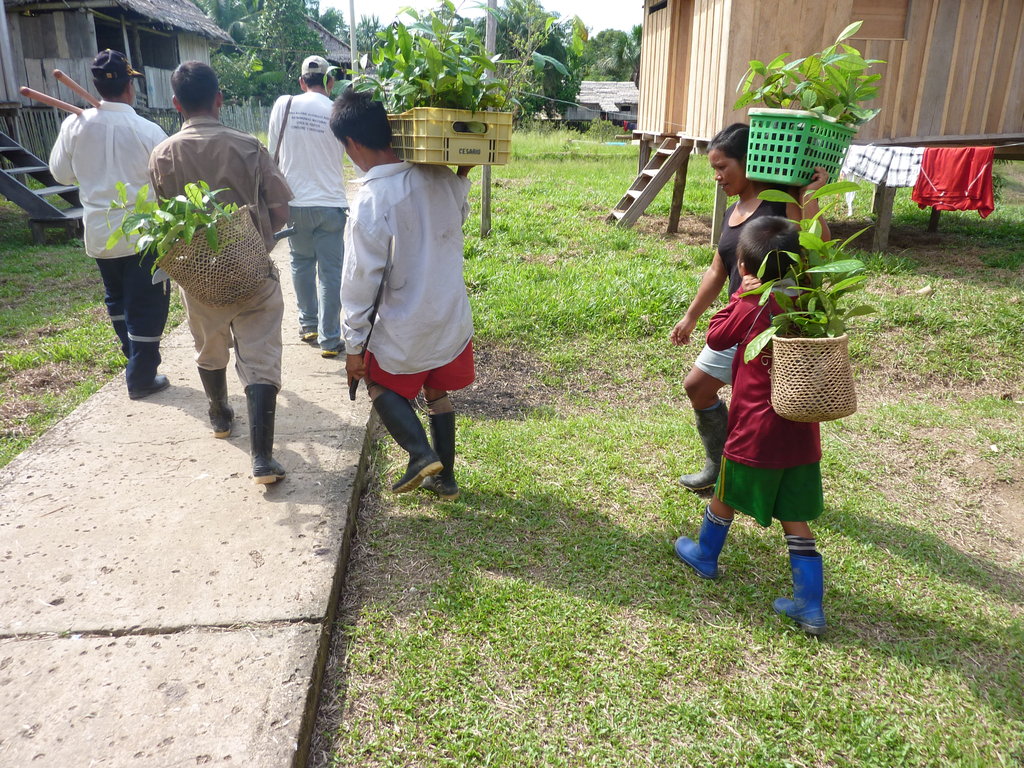
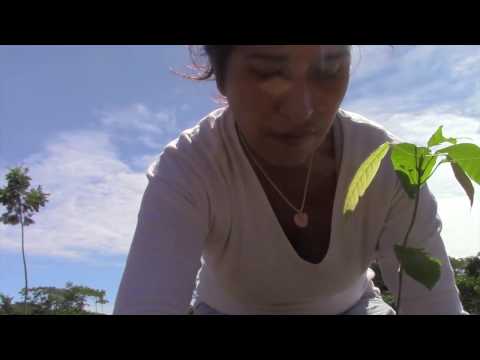
For three years, five families in Brillo Nuevo have taken on the care of over 500 rosewood trees. Modest as this scale may seem, it’s the first step in a broader vision to use rosewood as an economic motor to help sustain conservation-compatible activities in the Amazon. And this harvest means that finally our friends in Brillo Nuevo can receive the first fruits of their labor. Our harvest yields just a few hundred milliliters of the precious oil, but David, Oscar, Brito, Felix, and Dolores have seen what the future can hold. The biggest of the trees give impressive yields, with a branch or two weighing kilos, and in another year or two these rosewood groves will be able to sustain ongoing harvests on a monthly basis.
Though it’s still early in the productive life of the trees, the rosewood stewards at Brillo Nuevo have reason for optimism. It’s unusual to find sources of income that are also amenable to traditional, sustainable land use strategies, and rosewood is one. As Oscar said, “Our goal isn’t to create big plantations of rosewood trees. The Bora have an old tradition of planting many kinds of trees together to produce fruits, fibers and medicines. It’s great that we can now include valuable rosewood trees in this mix.”
For those of you who have followed the rosewood story through our project reports, thanks for accompanying us thus far. This first harvest is a culmination of years of effort on the part of the rosewood team. And it is also the beginning of a new chapter. I hope you will continue to follow us on this journey. We couldn’t do it without you.
We’re grateful for your support of this work. And now is a particularly impactful time to do so, as TODAY, March 16th, is GlobalGiving’s first Bonus Day of the year. Donations made on March 16 will be matched. Make your contribution count extra. You can do so here. Thank you! Together we will ensure a future for rosewood and so many others of the Amazon’s miraculous trees.
Project reports on GlobalGiving are posted directly to globalgiving.org by Project Leaders as they are completed, generally every 3-4 months. To protect the integrity of these documents, GlobalGiving does not alter them; therefore you may find some language or formatting issues.
If you donate to this project or have donated to this project, you can receive an email when this project posts a report. You can also subscribe for reports without donating.