By Robin Van Loon | Executive Director
We all know the Amazon rainforest is being destroyed. Right? – I mean, we do know that. But why is it being destroyed? How is this happening – right before the world’s eyes? When we knew we should do something to protect this unique biological treasure. When we knew that our indifference and inertia would only yield, could only yield, the same old result. This is what happens when forests meet what we call abstractly, natural resource exploitation.
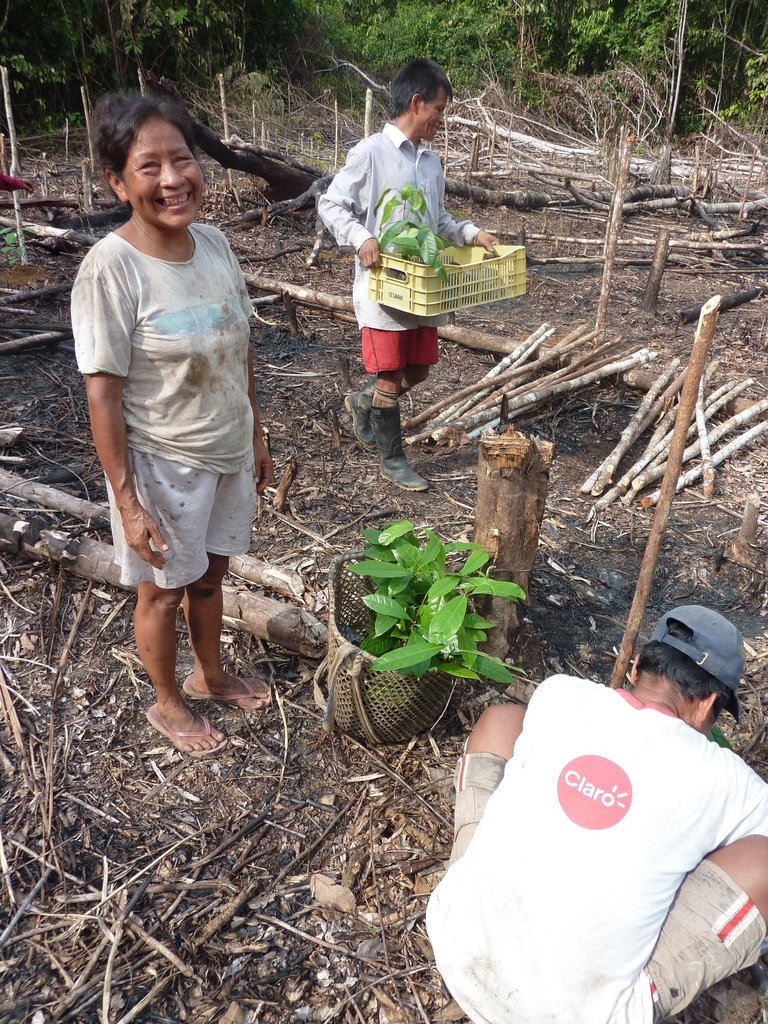
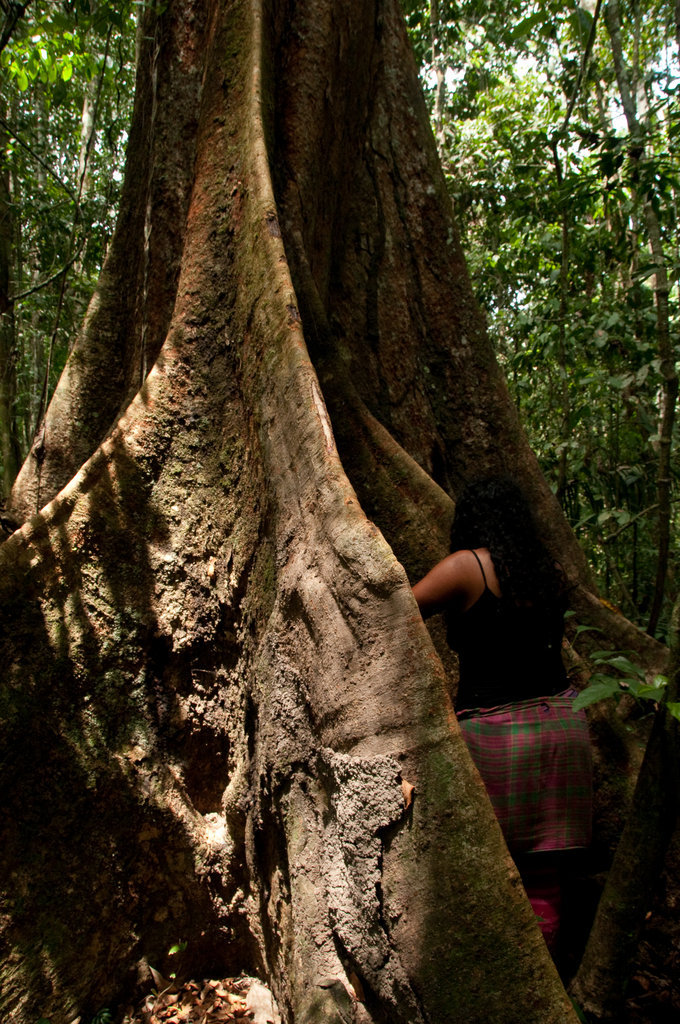
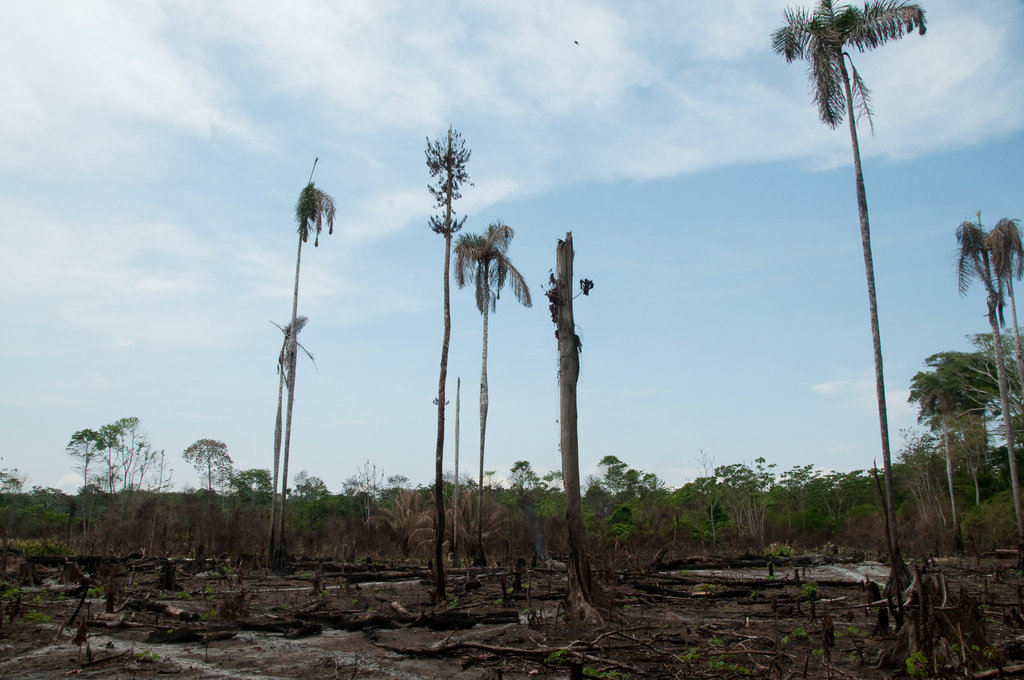
Are we really aware of what’s being lost? What does it mean to you or me if the Amazon is compromised? Most of our medicines come from rainforest plants. That timber in your desk, those railroad ties in China, are from Amazonian trees. Selective logging for fine quality wood retains a forest, but what happens to an ecosystem when many of its key species, its oldest giants, go missing? What happens when the reckless harvest of medicines sold as cash crops internationally threatens the wild populations of trees that are rarely, if ever, planted by anyone? Worse still, how do we reseed after slash and burn clear cuts, which are the norm in the practice of many forms of agriculture in the Amazon?
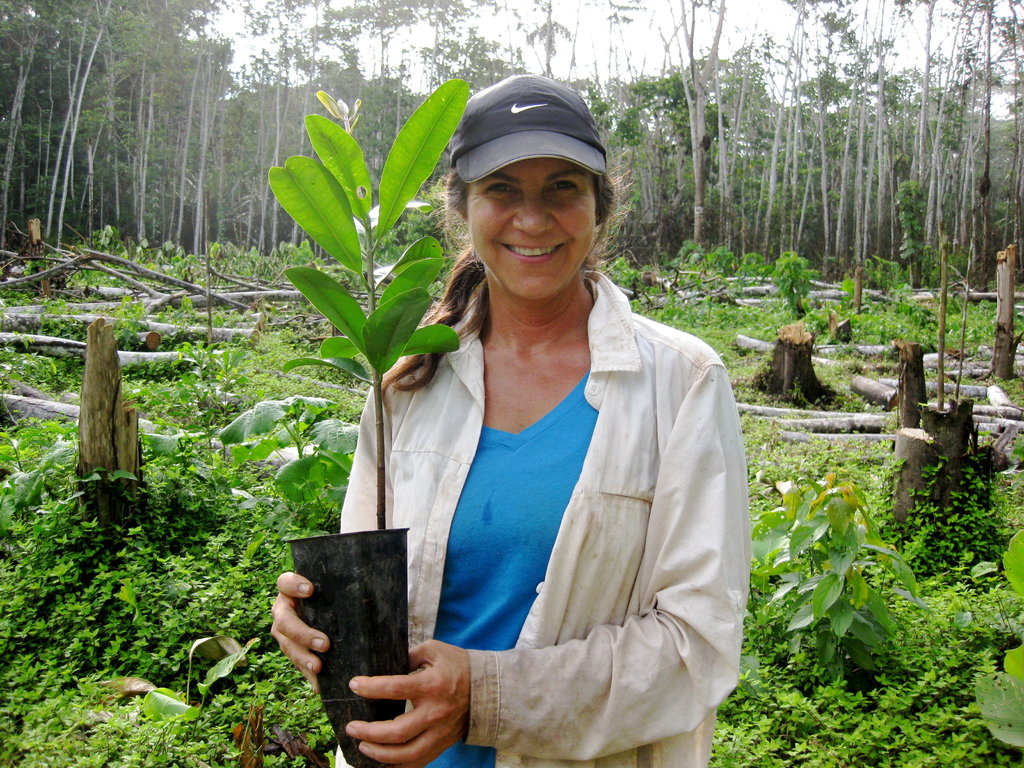
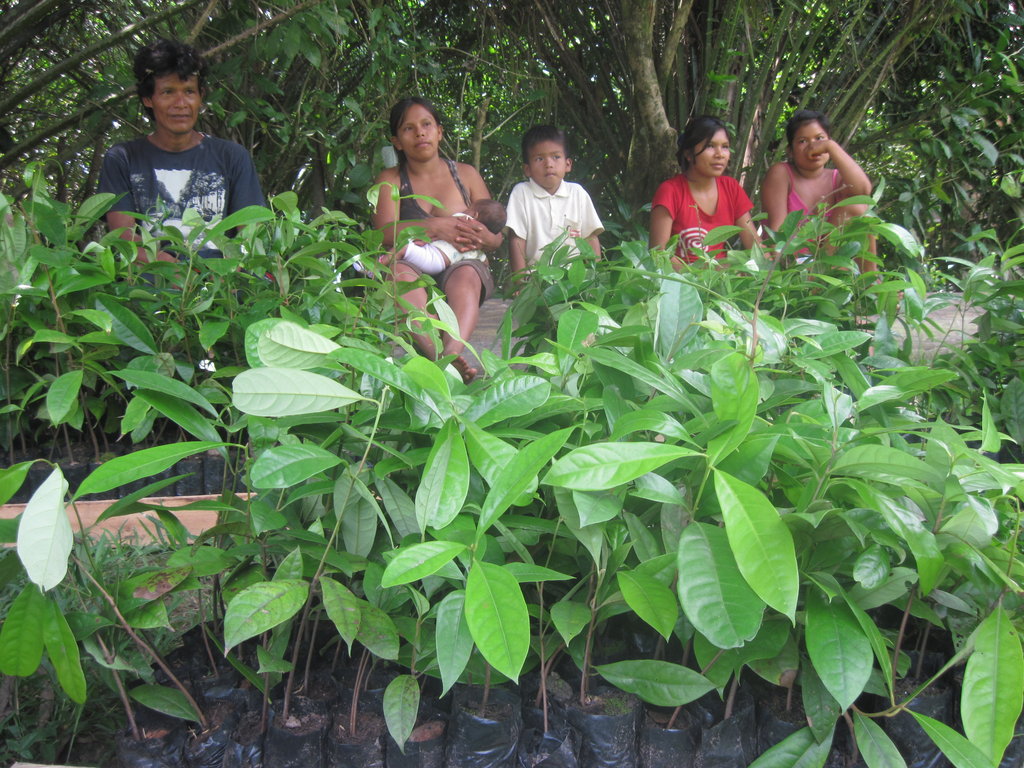
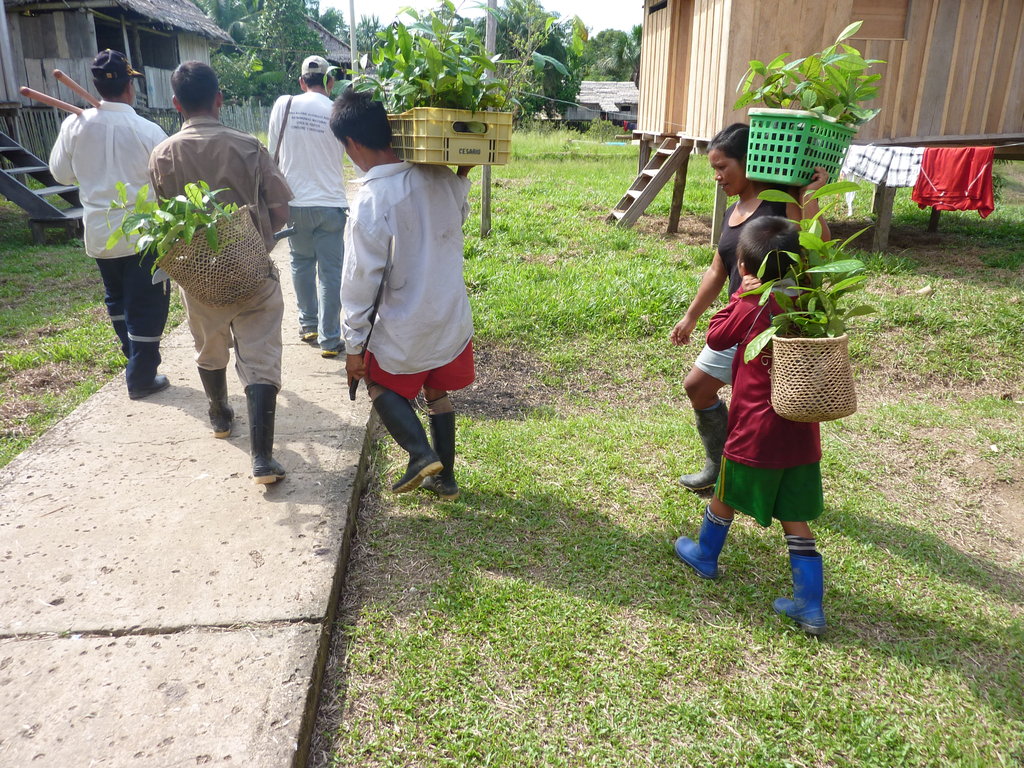
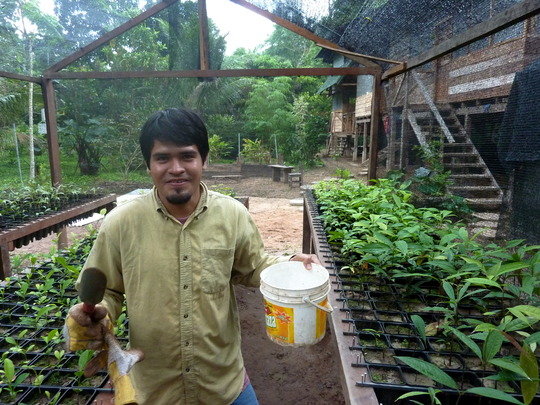
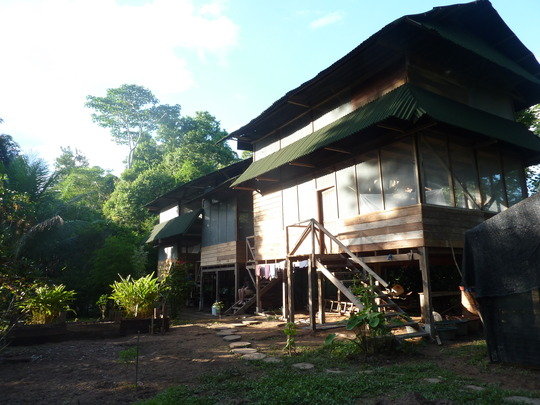
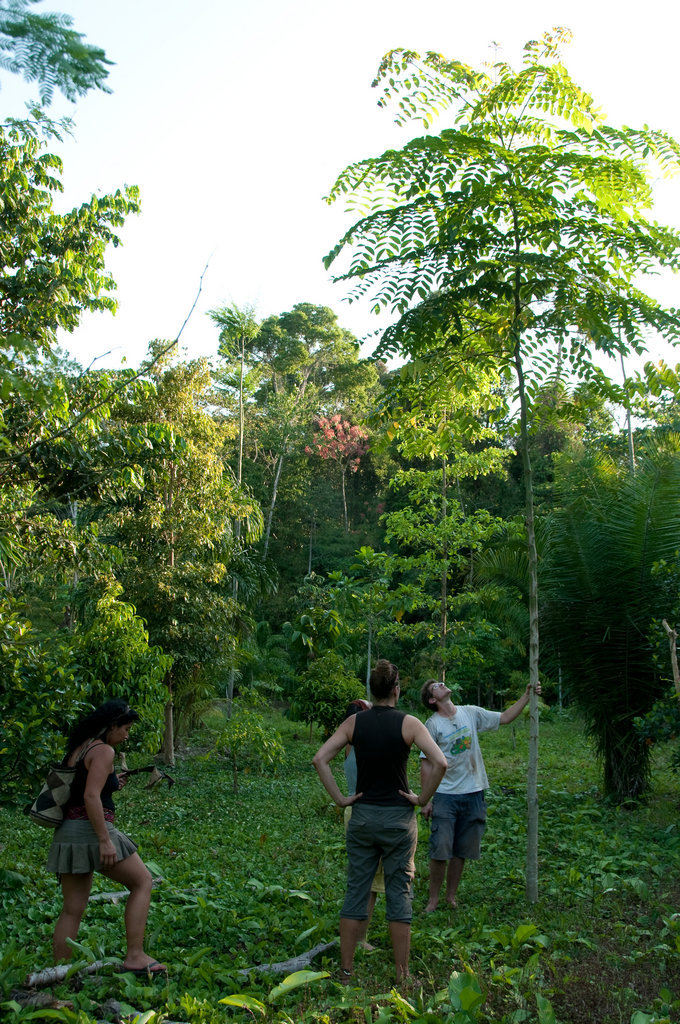
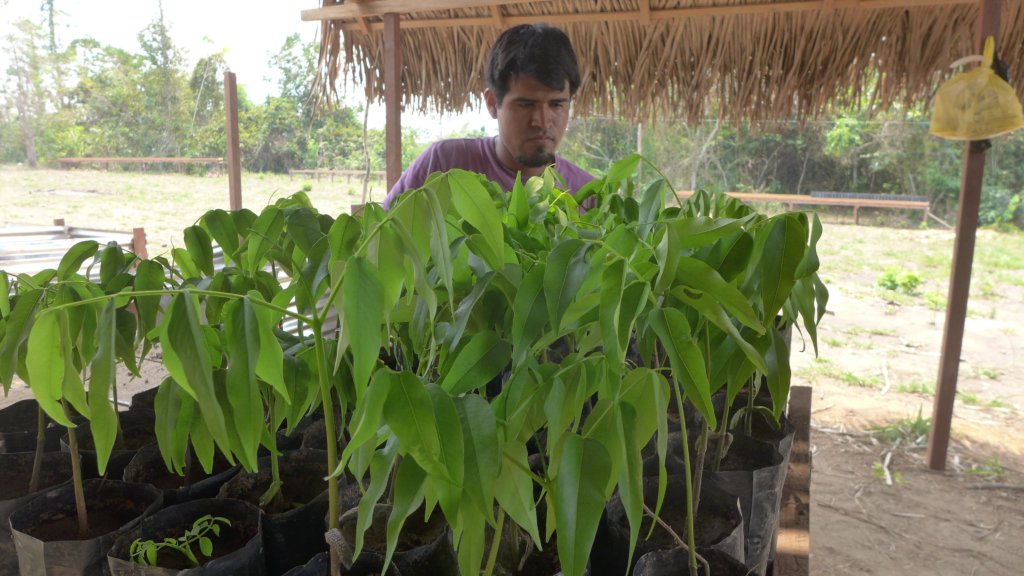
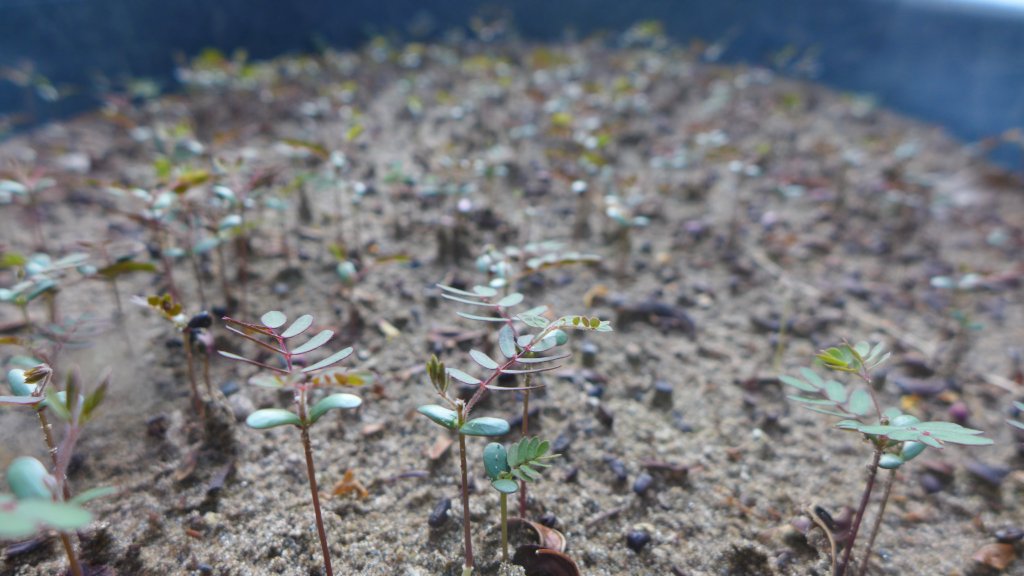
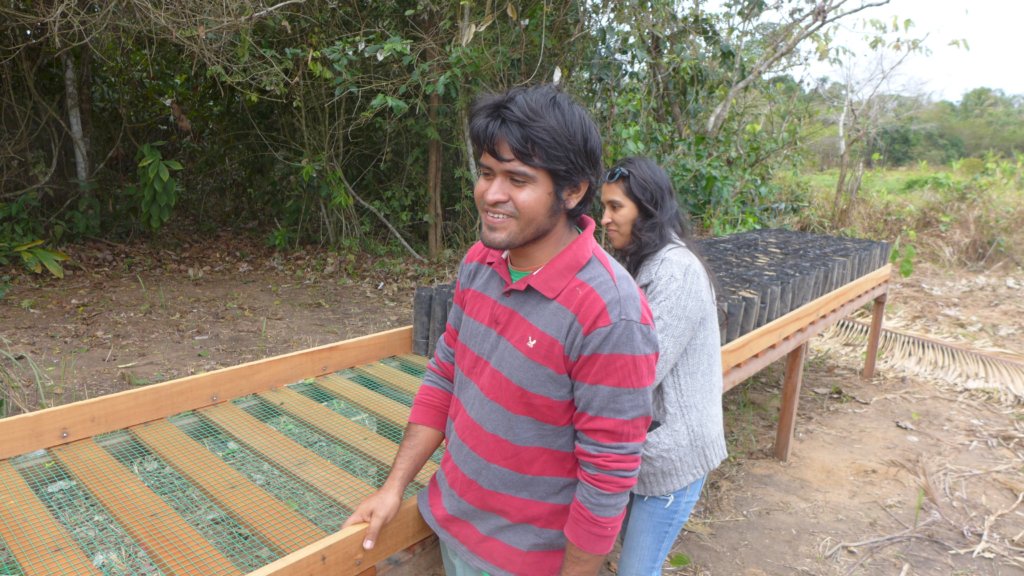
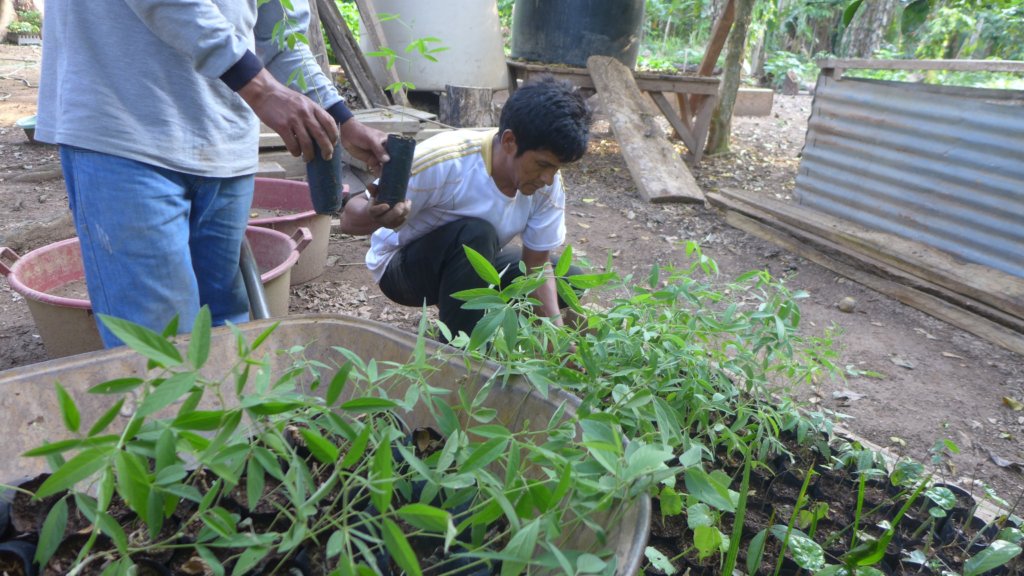
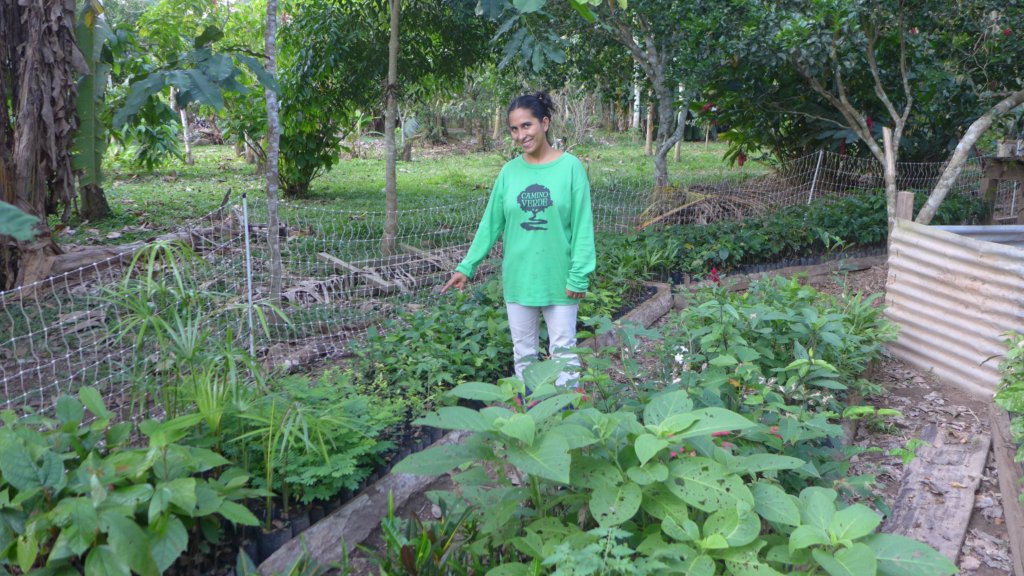
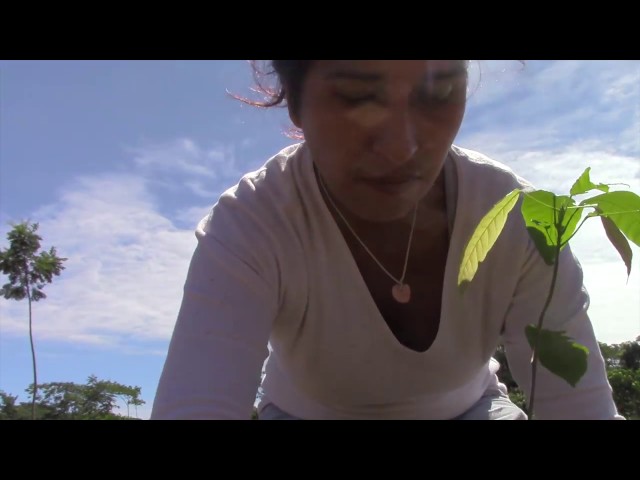
Grappling with these questions, Camino Verde is proud to unveil our latest native species tree nursery in the Peruvian Amazon. The La Joya Native Forestry Nursery, just 4 kilometers outside of regional capital Puerto Maldonado, represents our commitment to the research and implementation of native species biodiversity conservation in its most active, tangible form: planting trees. The goals are ambitious: to propagate 10,000 individual seedlings representing over 100 native species in our first year.
Our team of Amazonian seed specialists is led by Manuel Huinga, a thesis candidate in Forestry Engineering at Puerto Maldonado’s UNAMAD University. Manuel started his work with tree seeds over 6 years ago at a biodiversity nursery run by the Botanical Research Institute of Texas near Puerto Maldonado.
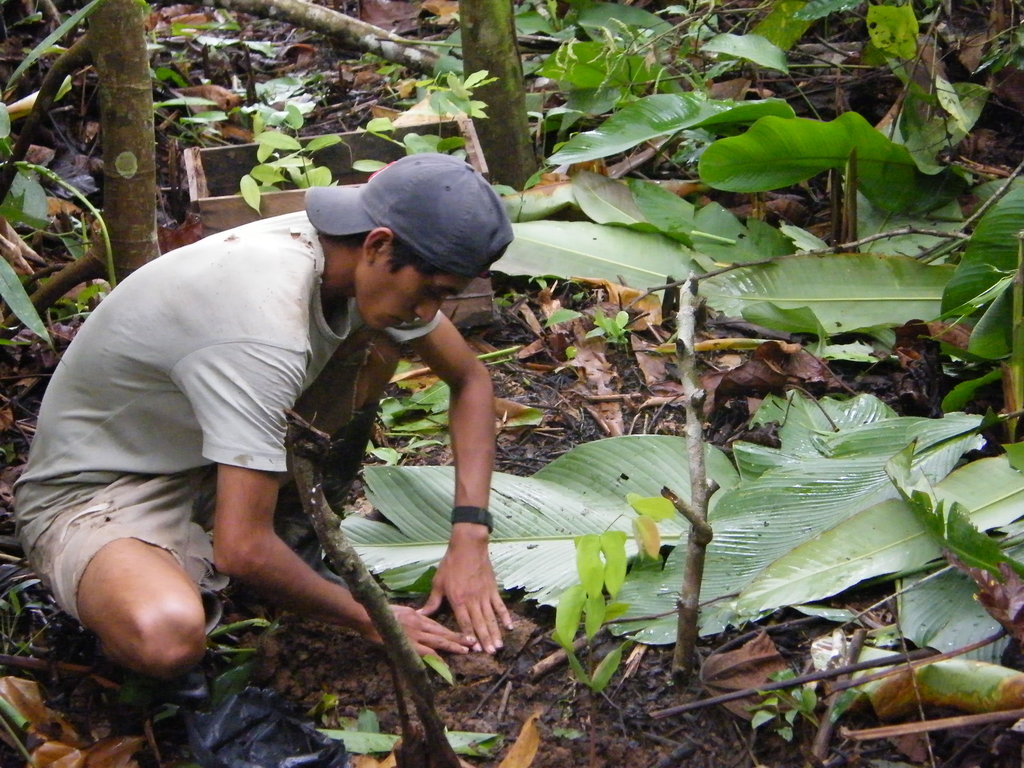
Starting on with Camino Verde over 3 years ago, Manuel was part of the team that created our Reforestation Center’s tree nursery, home to over 350 species so far, and he’s brought that body of experience to bear on the creation of the La Joya nursery. For him the nursery work is nothing less than a tangible way to contribute to the Amazon’s longevity. With so much that seems daunting or impossible to change, Manuel is excited to be part of the solution. “If you come to the nursery, you won’t find just words. You’ll find real achievements. You’ll find trees growing, seeds sprouting. You’ll find trees being planted. You’ll get to experience what it means to plant a tree, what it means to take care of nature.”
Anyone visiting the Amazon, even briefly, cannot avoid witnessing the effects of exploitation of natural resources. The effects are obvious, are charred landscapes, are trees that when felled are as big as crash landed airplanes. As visitor and then resident in the Amazon, I saw landowners forced to make tough decisions in pursuit of a better life for their kids. I saw how greed is not as prevalent a motivator as the simple desire to maintain a dignified standard of quality of life.
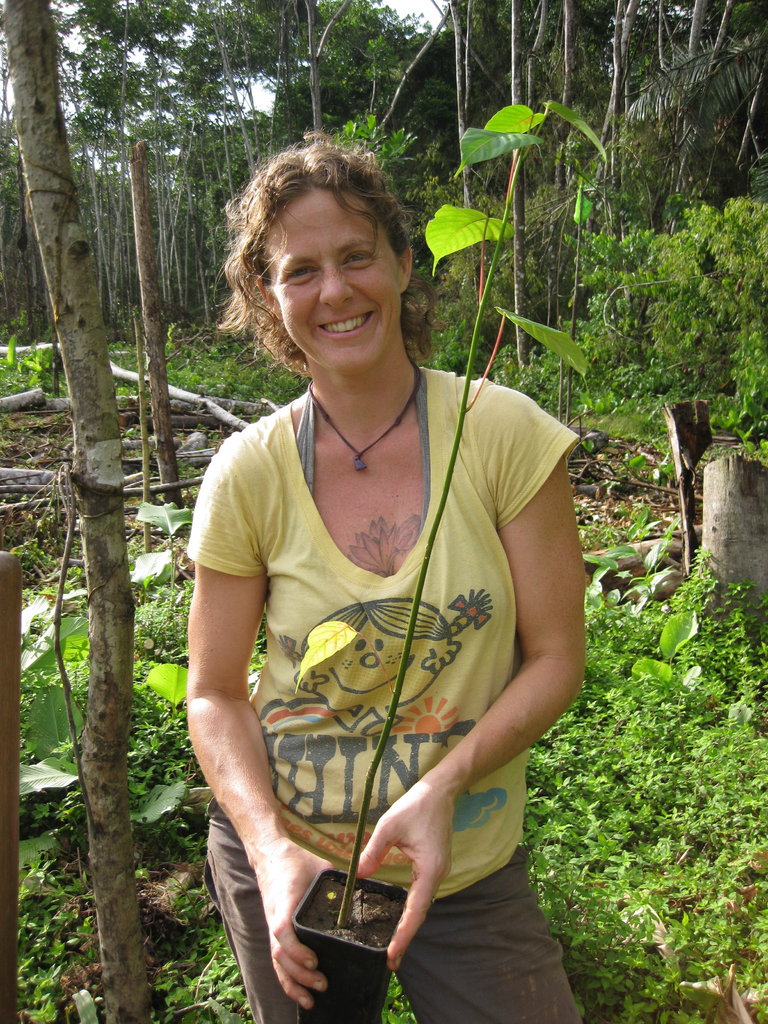
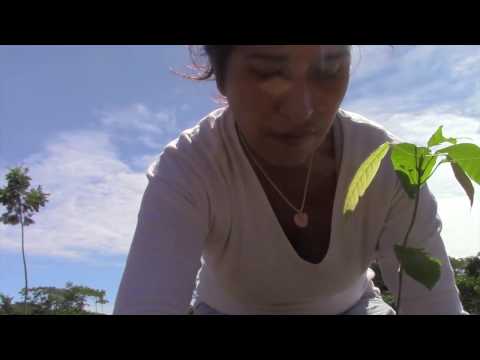
The problem is complicated, but some solutions are remarkably simple. For Manuel and for Camino Verde, being a part of the solution is as direct as putting a seed in the ground. Thank you for joining your green thumbs to ours. This year we will plant thousands of trees together.
All the best from Peru,
Project reports on GlobalGiving are posted directly to globalgiving.org by Project Leaders as they are completed, generally every 3-4 months. To protect the integrity of these documents, GlobalGiving does not alter them; therefore you may find some language or formatting issues.
If you donate to this project or have donated to this project, you can receive an email when this project posts a report. You can also subscribe for reports without donating.