By Robin Van Loon | Executive Director
This is the story of our world:
For the first time ever, more than half of all people live in cities. Cities are simply something that didn’t exist for most of the human era – indeed, what we now mean by city has scarcely existed for a hundred years.
For the first time ever, most humans live within a landscape that was constructed almost entirely by and for humans. And cities are on the rise.
As just one example from around the world out of hundreds we could choose: Lima, Peru in the early 20th century was a relatively typical Latin American capital. After an illustrious history of geopolitical importance as a major Spanish colonial seat, Lima’s population had just topped a million in the year 1900. Now considered the 16th largest city in the world and 3rd largest in Latin America, Lima’s population has just surpassed the 10 million needed to be called a megacity. In just over a century, the transformation has been total.
But Lima is a capital and a former colonial seat, so perhaps its recent rise to metropolis status is unsurprising. For a more dramatic example of the unprecedented speed and span of urbanization around the world we can look to the Peruvian Amazon to Iquitos, capital of Loreto region and frontier city of close to a half million that has sprung up in a century. The circumstances of Iquitos’ rapid growth are unique to Iquitos – the rubber boom created the largest city on the globe not connected to the rest of the world by roads – but the fact of its urban burgeoning is representative of an overwhelming trend repeated around the globe.
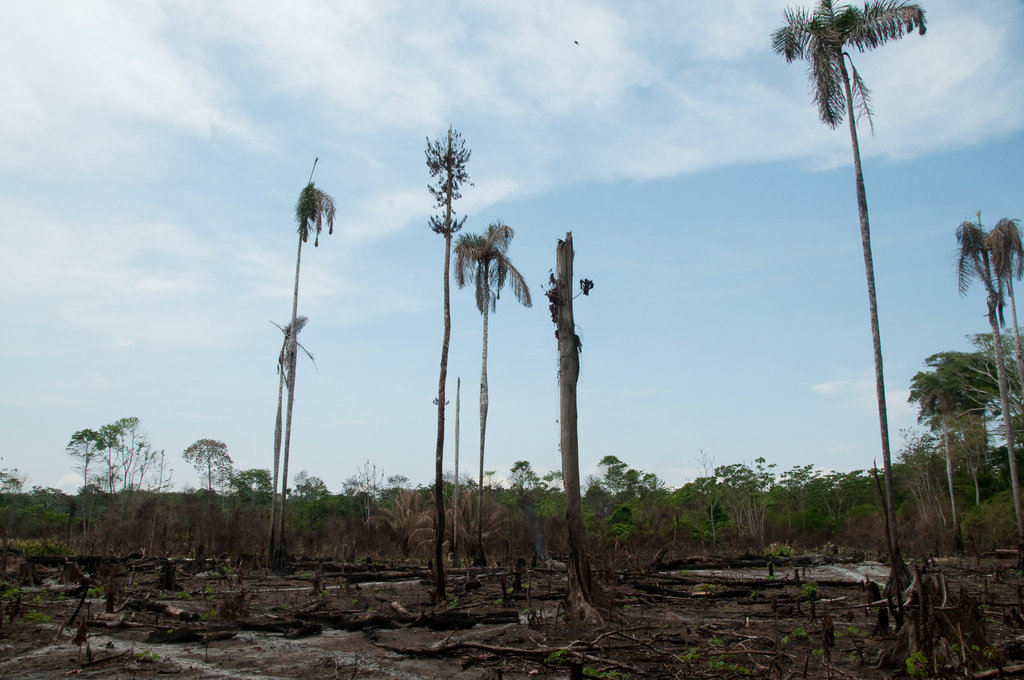
We can learn a lot about the world from Iquitos’s example. In the era of cities, this relative newcomer’s rise has been concurrent with the destruction of its nearby forests, picked over for valuable timber and rubber, felled mostly to open up land for farming (crops need sunlight, the rainforest is an obstacle to be removed). In a familiar way, the the destruction of forests is fueling the fires of progress.
On a human level, cash economies have penetrated into areas where barter and cashless self-sufficiency were very recently the norm. Traditional mechanisms for obtaining food and healthcare have quickly eroded. The setting of prices for goods and services that previously stood outside of a black-and-white valuation system often occurs with a sort of violence toward the have-nots. Traditional people are marginalized in the transaction, and expected to catch up or perish. Indigenous identity measured by whatever indicator is being eroded swiftly.
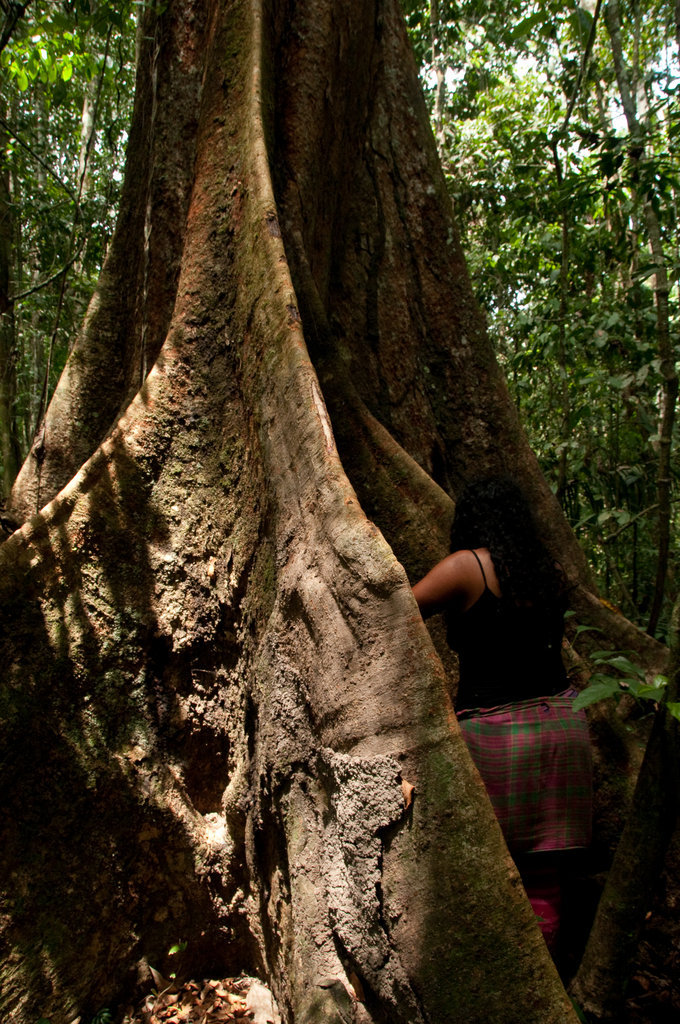
Loreto’s story is a microcosm of vast processes affecting the whole globe, and not just in the sense of urbanization. Iquitos is a mirror of the world in which we live, unique to our time. In this young city just a few degrees from the equator, the weather is not as it once was. Droughts are becoming more frequent, as are unusually violent storms and floods. Age-old agricultural practices have become unreliable as if by black magic. The connection is not lost on farmers between the overall trend of a drying climate and the loss of vast areas of tropical rainforest in the last brief decades.
Often overlooked, a principle underlying factor in urbanization is desperation. As elsewhere, many people have moved to the city because the rural predicament became untenable, sometimes tragically so.
When I first visited the Peruvian Amazon in 2003, I heard stories that were familiar to me from other places in the world. I heard about a younger generation estranged from traditional ways and suffering from previously rare mental and physical diseases. I heard about the almost universal perception that the loss of trees has worsened the severity and damage of storms and droughts. I heard about languages dying out and places that were once considered holy desecrated to bulldozers. I felt echoes of a legacy of colonial oppression which could well be described as collective trauma.
This is the story of our world.
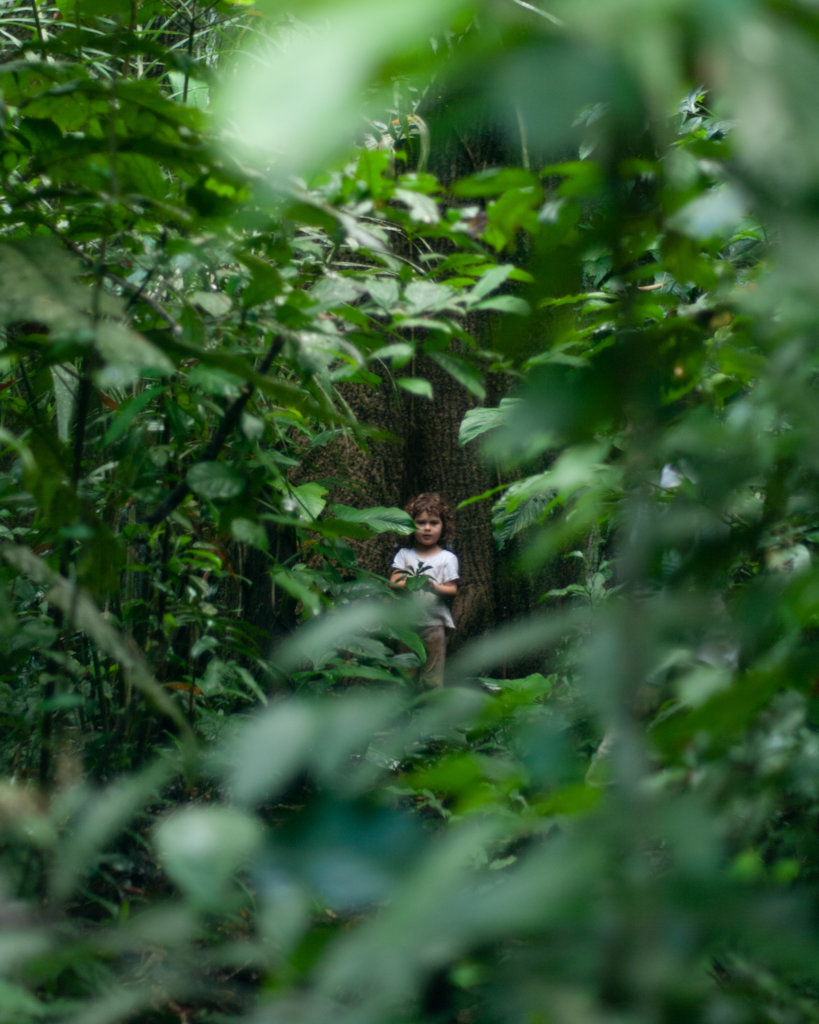
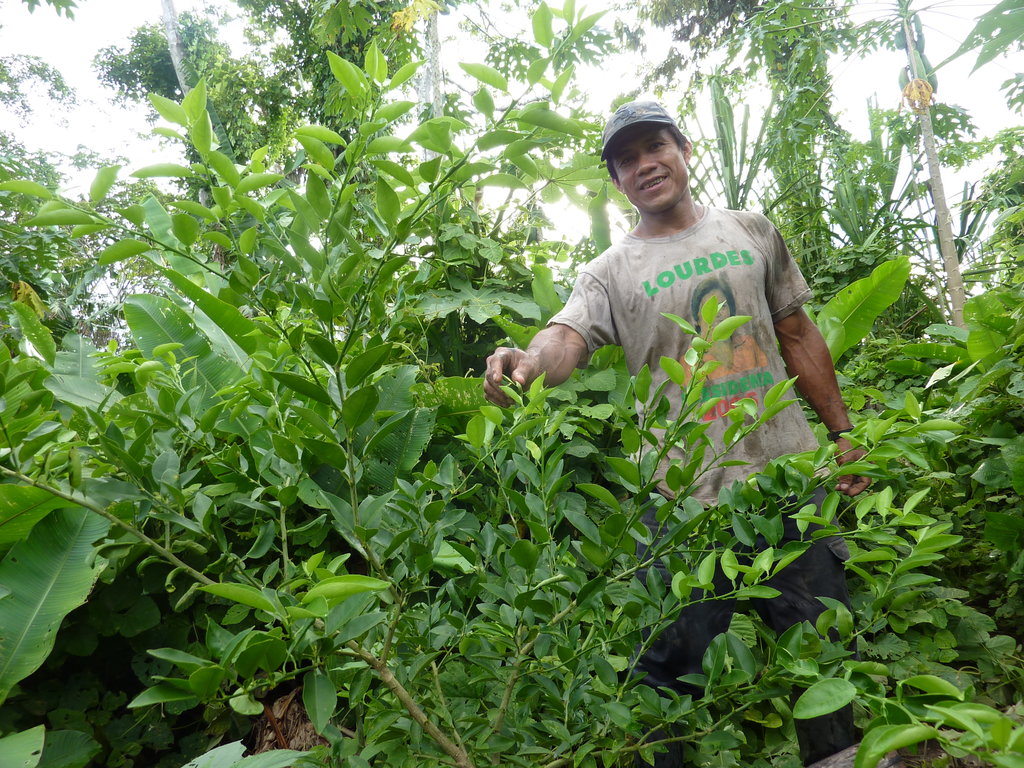
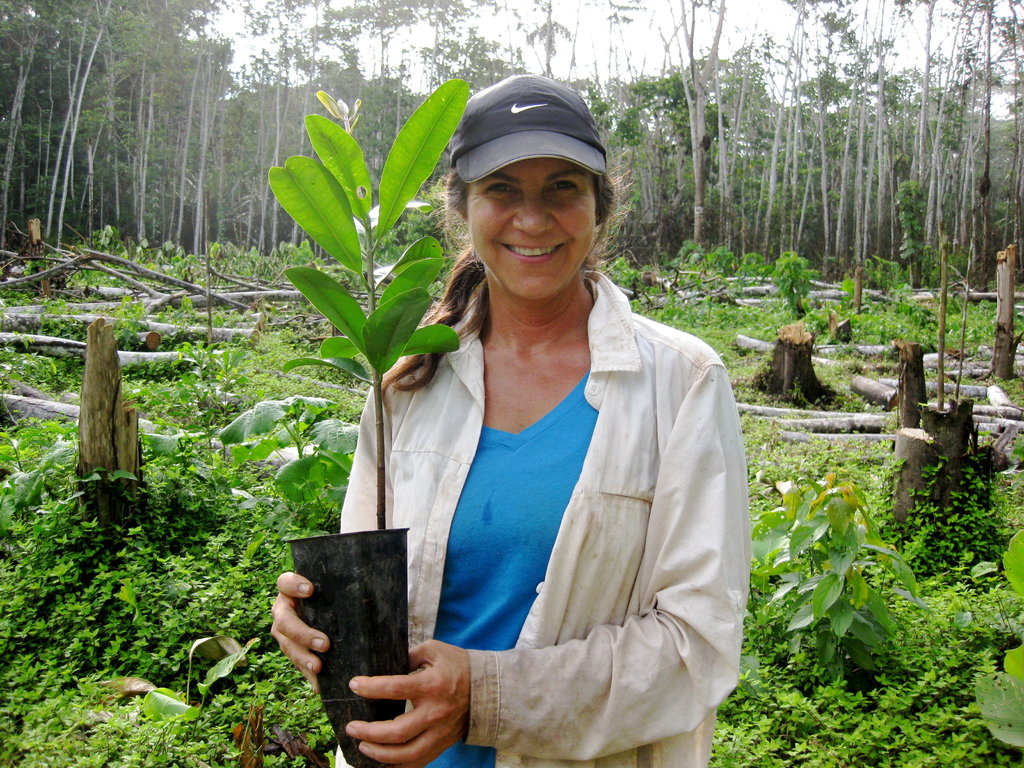
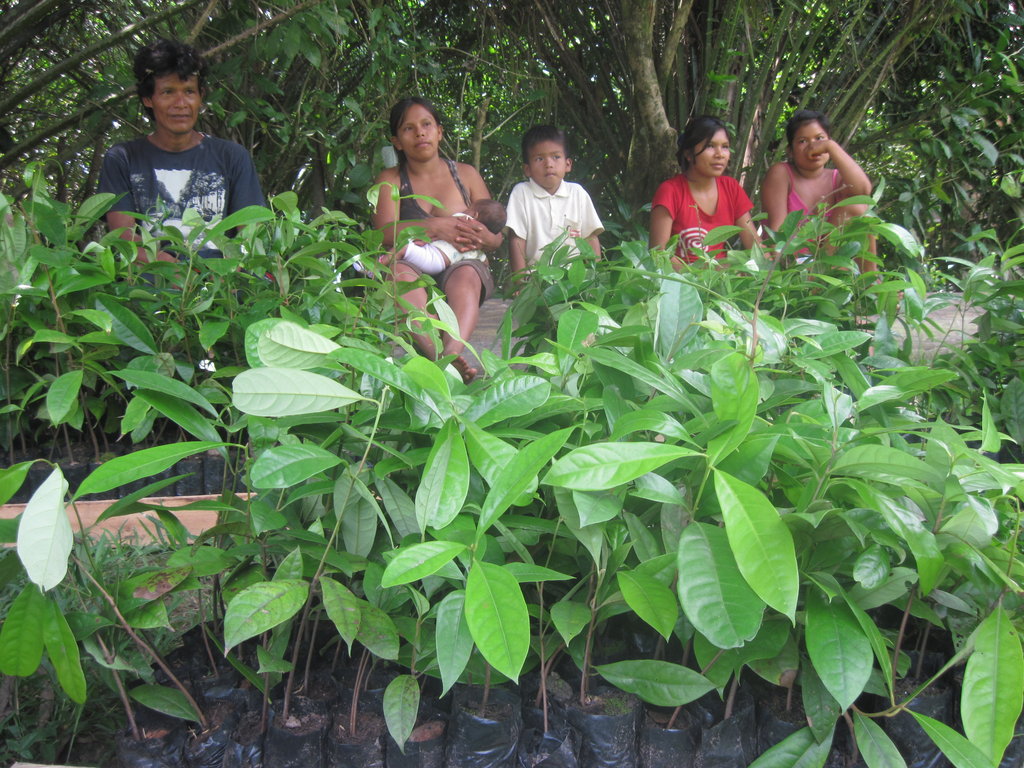
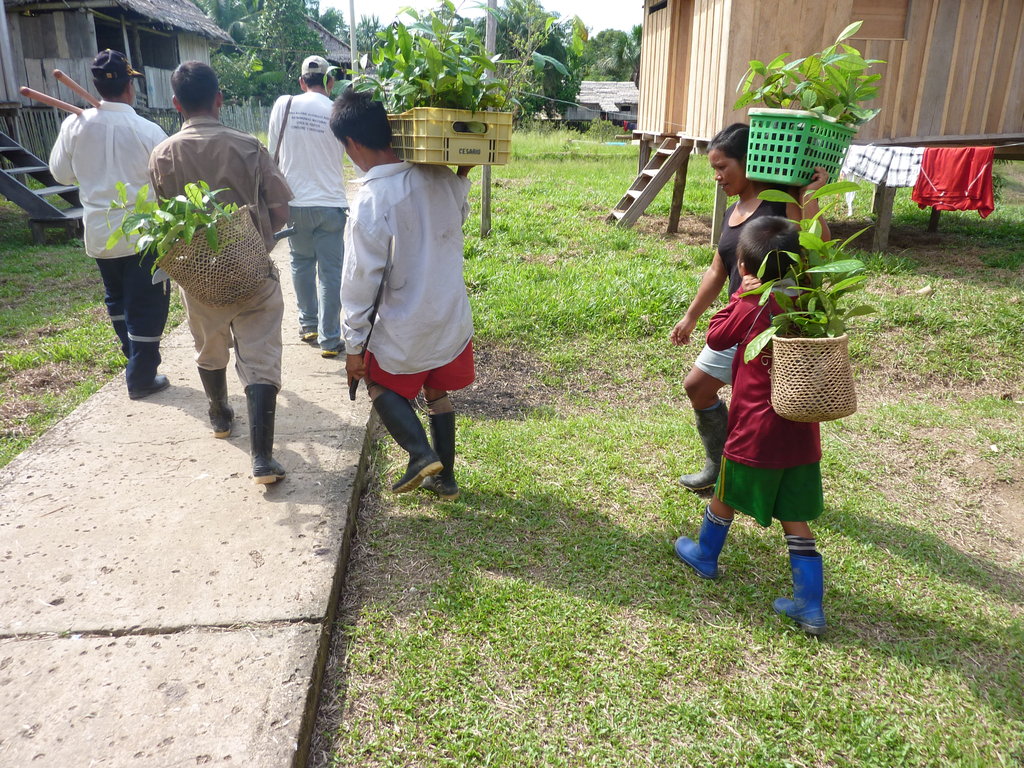
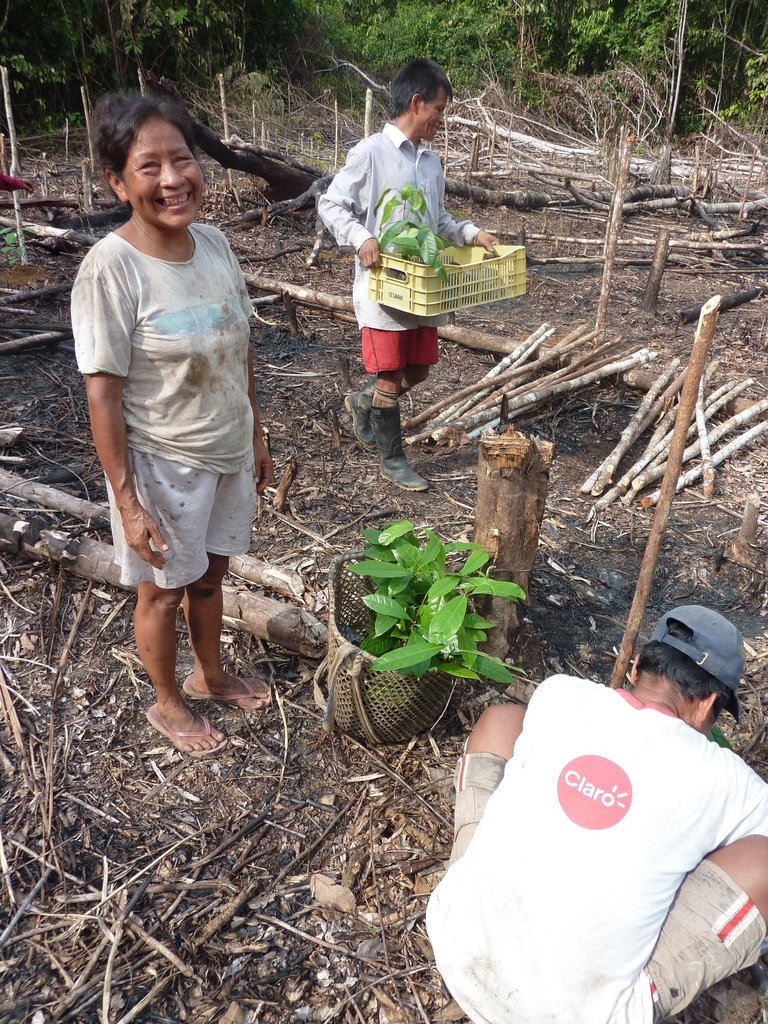
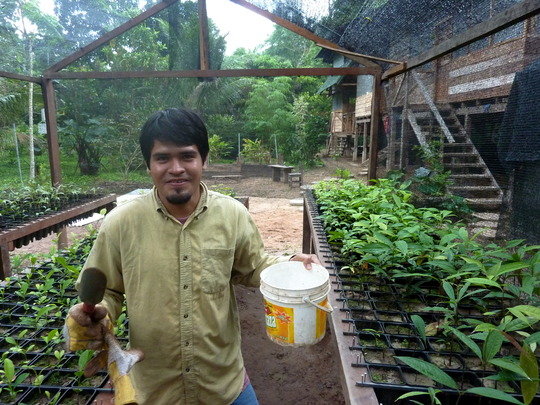
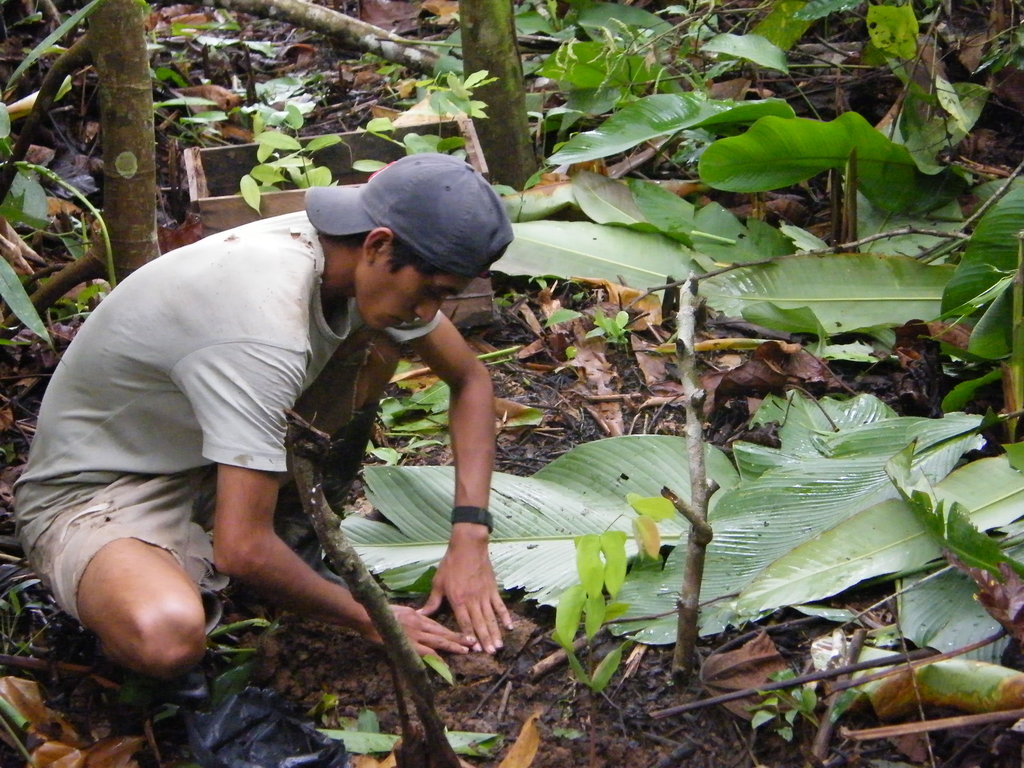
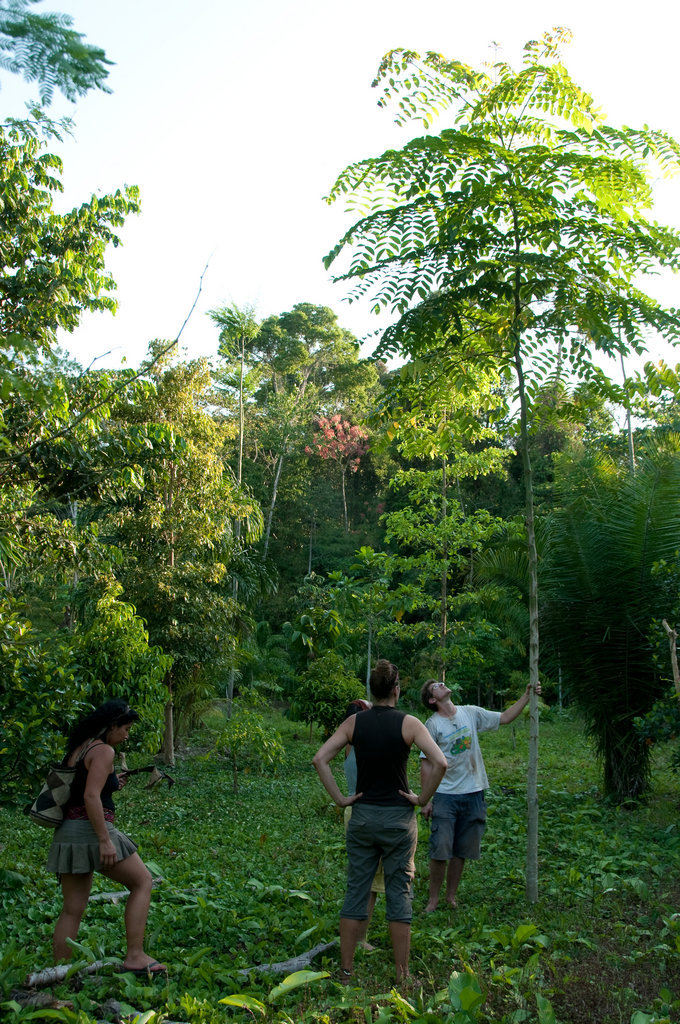
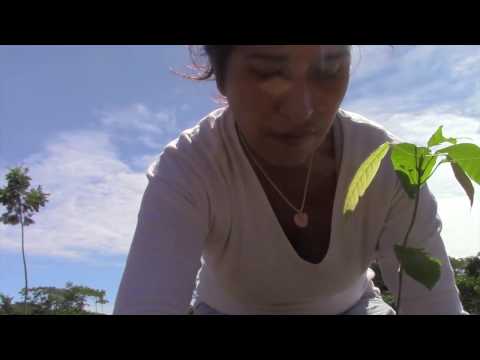
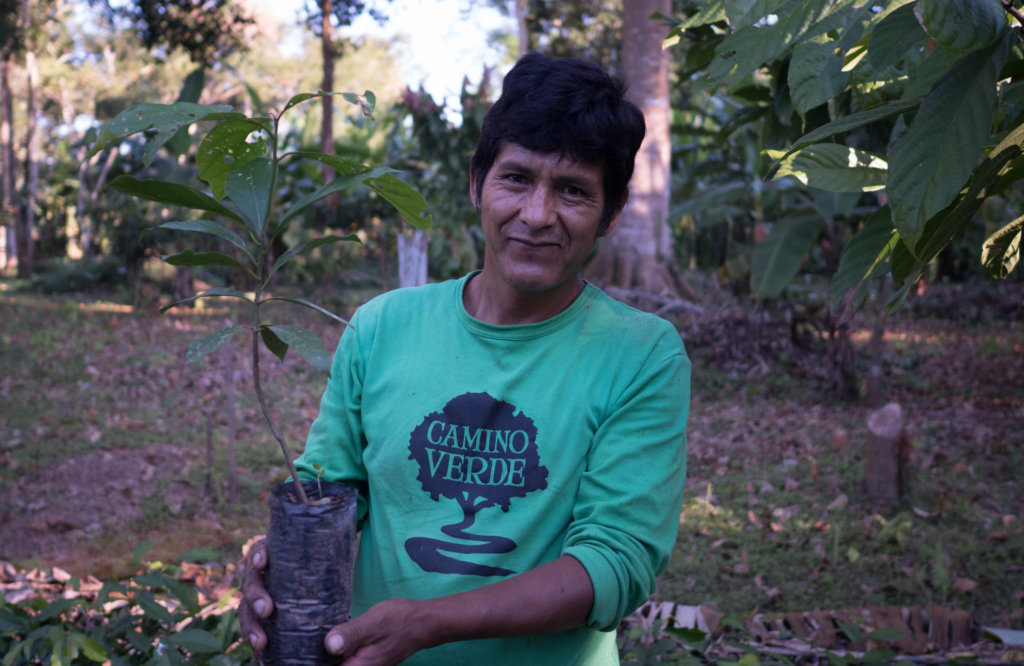
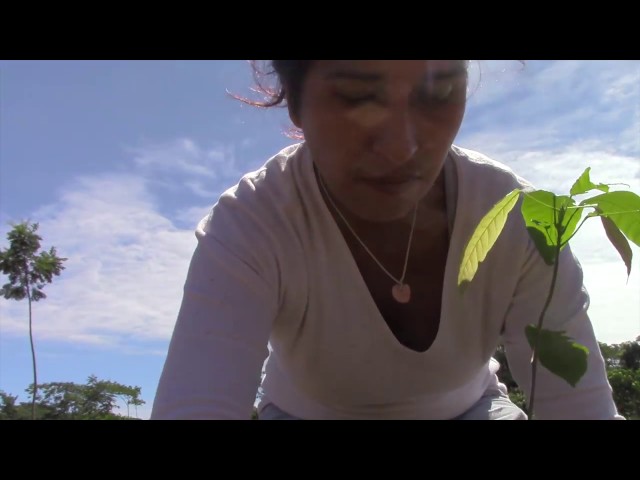
And I saw people doing something about it. I met foresters and farmers, women and men who have overcome extraordinary hardship and have seen a better way. I saw the spark of inspiration in people’s eyes and it was a sign in itself of healing having occurred. I met some of the skilled indigenous farmers and artisans of the Ampiyacu River basin who decided to take a leap of faith and start planting some of their most endangered tree species. I met young forestry students who wouldn’t stand to see their favorite trees from childhood go extinct.
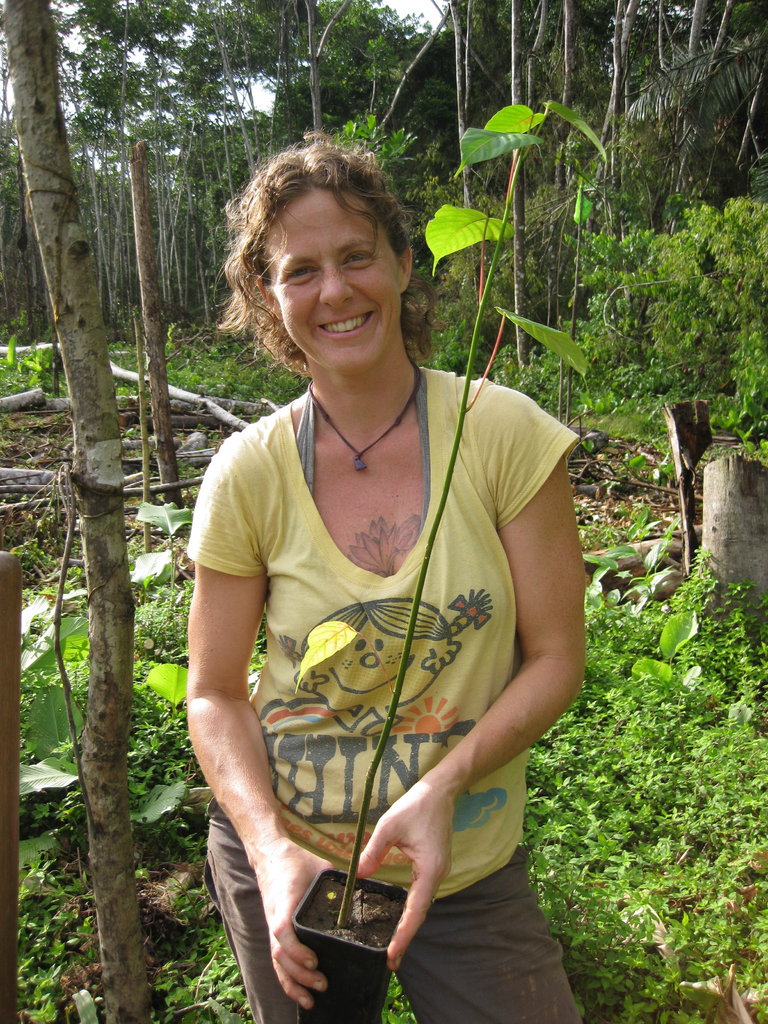
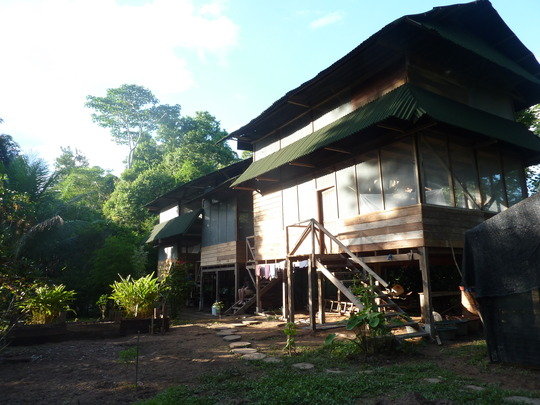
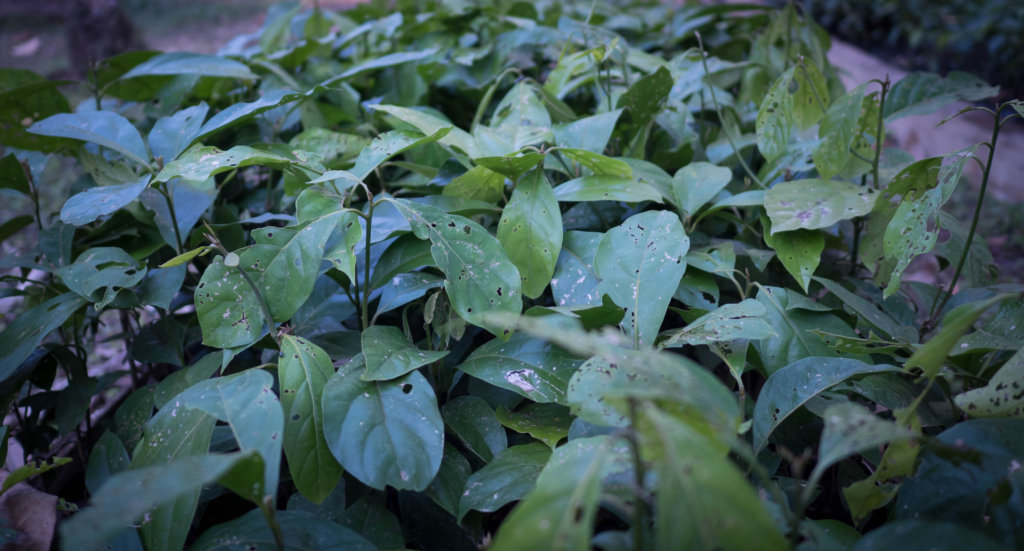
In these many years since, living in the Amazon of Peru I have seen, well, more. Burgeoning nurseries stocked with hundreds of native medicinal tree species. Highly trained forestry technicians alongside medicine men – both with their hands in the dirt. People going out on a limb to plant trees that nobody has really even tried to plant before, knowing they’re doing the right thing. (You can hear more about their work in our past project reports.)
Our world is full of extreme forces, some of which are cataclysmic. But when I see what is possible with the work of our human hands I feel hope for the future of the story of our world. Cities can become intensive gardens again, and perhaps they will have to. In a crowded world, people will only need more plants that heal. Perhaps more of us will work toward a better way. Perhaps we will yet assume the mantle of responsible stewardship for the world that we as humans are uniquely capable of healing or harming.
This could be the story of our world.
Thank you for supporting the work of Camino Verde in Peru, and thank you for all the ways you help make the world a better place.
Program Updates
And that's not all. Want to find out more? Please drop us a line! We'd love to hear your thoughts on what's happening in the Amazon.
Thanks once again for your support. Onward together we go
Project reports on GlobalGiving are posted directly to globalgiving.org by Project Leaders as they are completed, generally every 3-4 months. To protect the integrity of these documents, GlobalGiving does not alter them; therefore you may find some language or formatting issues.
If you donate to this project or have donated to this project, you can receive an email when this project posts a report. You can also subscribe for reports without donating.