Project Report
| Mar 22, 2019
Follow Up Meetings
By Kankya Blaise | Fundraiser
![]()
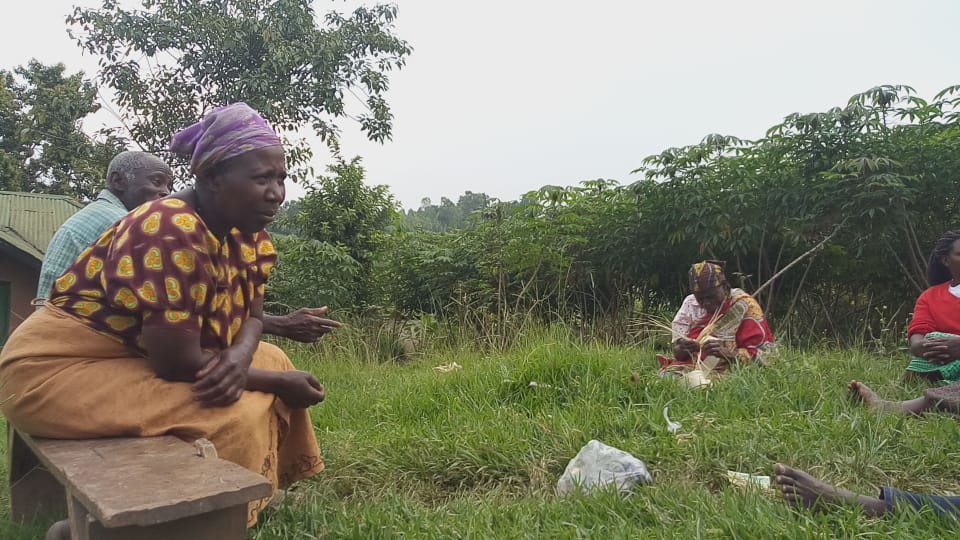
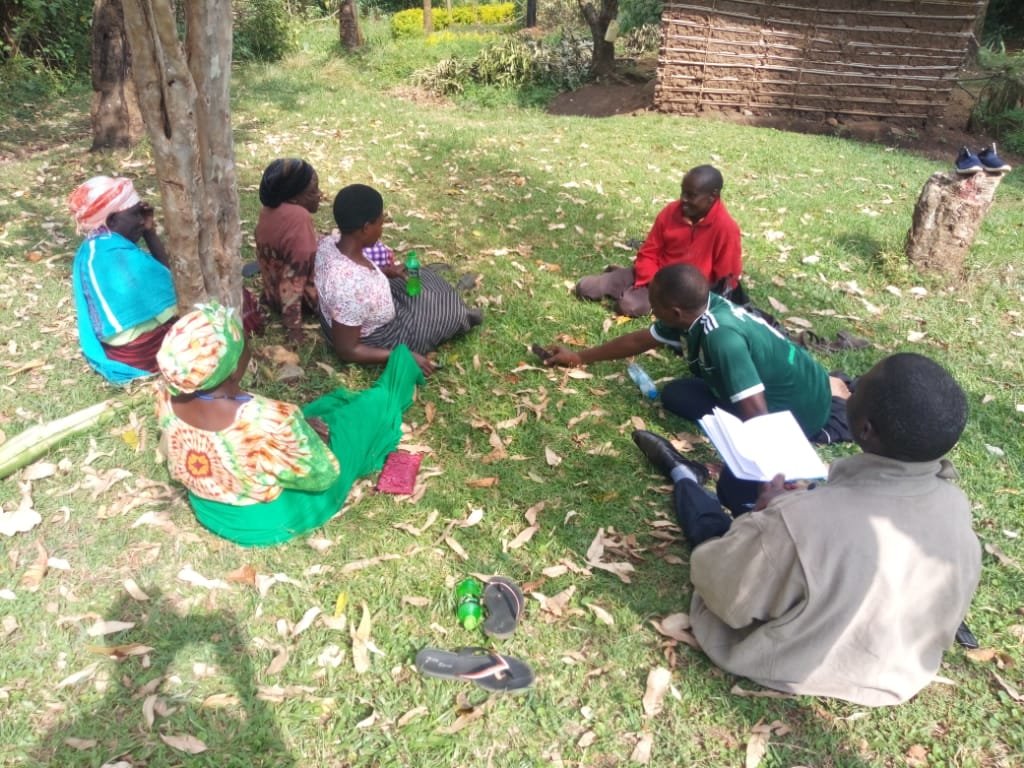
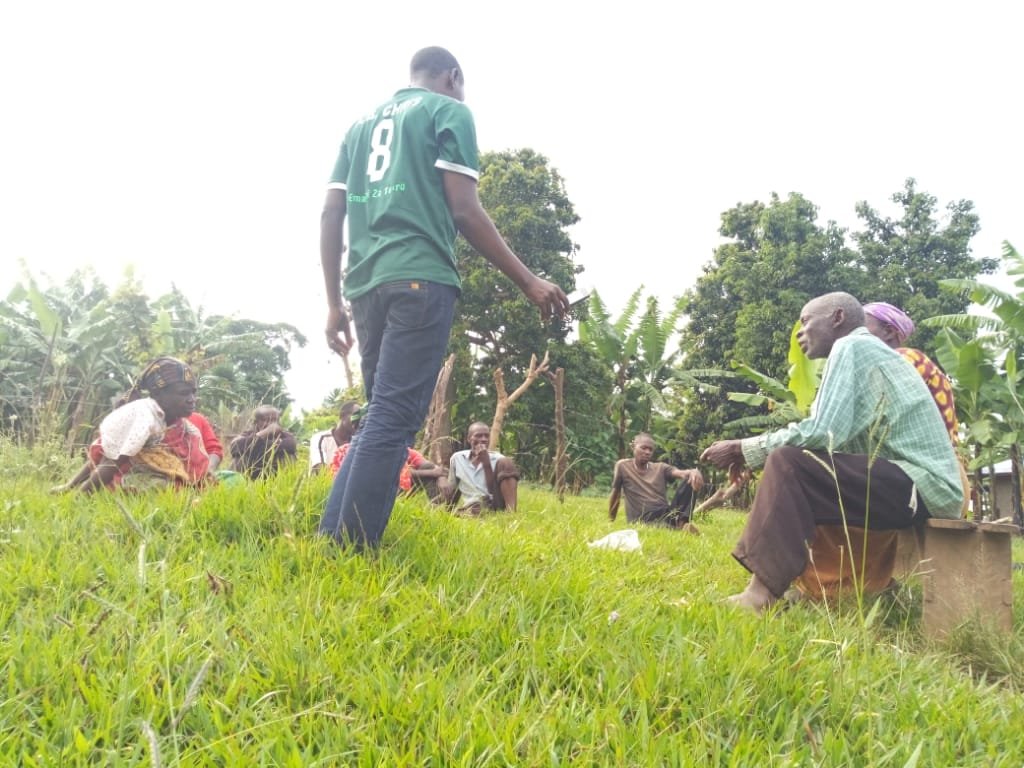
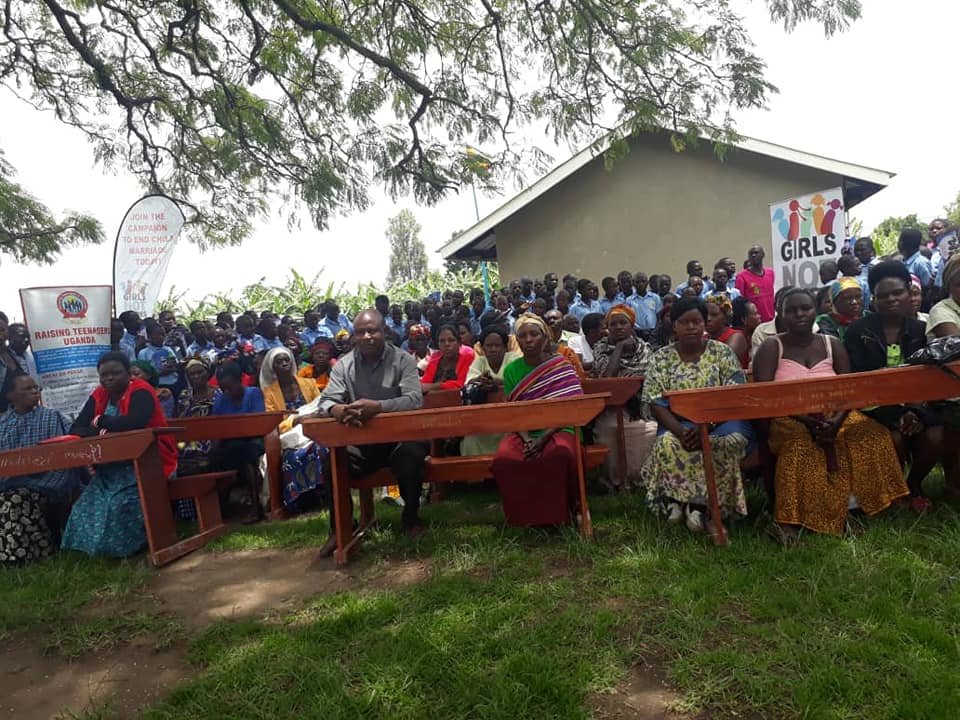
It was amazing hearing parents share on the value of girl chil education to their community and the Kabarole District as a whole! Last week, I was blessed to chair two Focussed Group Discussions in Karangura Sub county, Kabarole District where we disscussed matters regarding the impact our project has made in their community.
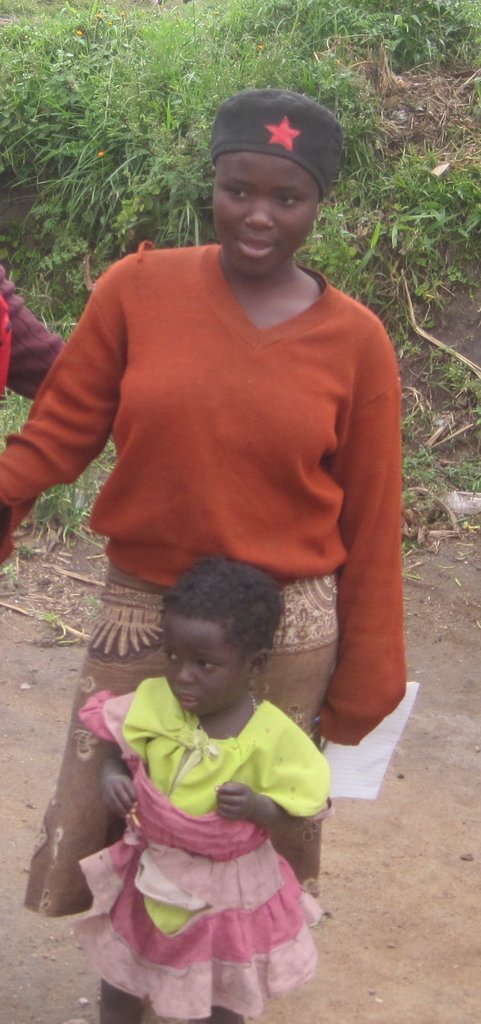
I am blessed to be part of this discussion. Besides the goat my daughter , I have learnt a lot from the meetings I have been attending...I am now a promoter of Girls' Education in my community because I know the benefits it brings to communities one of the parents submitted. It was a reaction to one of the members' view that girls only need basic education for survival.
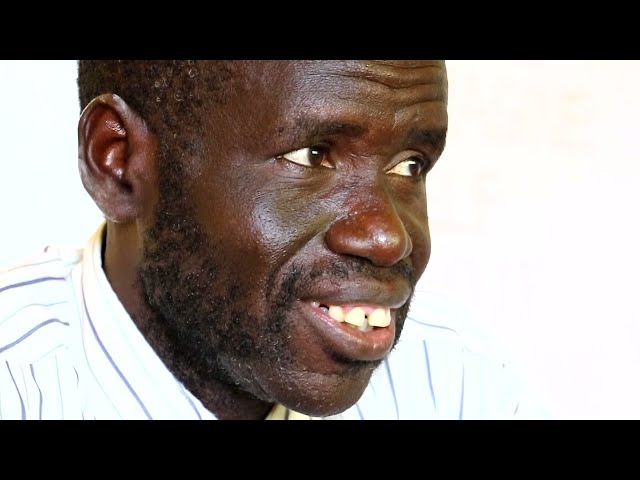
It was found out that most parents in Karangura sub county still need support if they are to fully support the campain of promoting girls' education. I take this opportunity to confess that I am going back home better than I came here an hour ago. This has been my first time to attend such a meeting because it has been my wife representing me at most times. I now can see the value of education to our daughters confessed an elderly man.
In addition, parents in Karangura asserted that there are still early marriages in the sub county majorly because of cultural influence and poverty. The parents committed themselves to reach out to more parents and extend the shared message to those that had not got the oportunity to participate in the FGDs.
![]()
![]()
![Share on Twitter]()
![Share on Facebook]()
Mar 4, 2019
Stratagy For 2019
By Kankya Blaise | Fundraiser
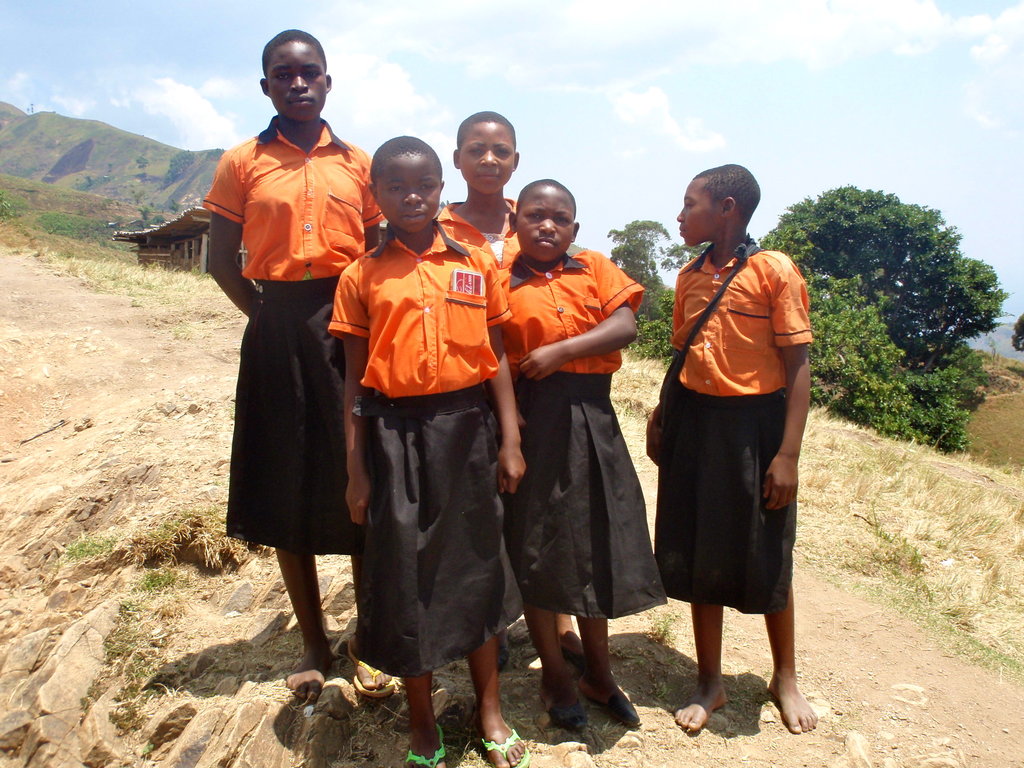
We have worked with the primary schools of Mahyoro and Kibyo and we have walked journies with over 200 vulnerable girls, since the inception of our Delay Marriage Promote Schooling For Ugandan Girls project. This first half of 2019, we will focus on follow up of the beneficiaries. This activity will help us evaluate the effectiveness of the strategies we have been using in our campaigns to end child marriages in Kabarole District.
Our staff, together with volunteers will carry out home visits so as to carry establish the number of goats available. We shall also follow up the beneficiaries that have completed primary seven and joined secondary schools and other institutions of learning. We shall be interviewing the beneficiaries, teacher coordinators and parents/guardians on ways they think the project can best end child marriages in Kabarole.
![Share on Twitter]()
![Share on Facebook]()
Oct 8, 2018
Preparations for The International Day for the Girl Child Celebrations in Kabarole District
By Kankya Blaise | Project Assistant
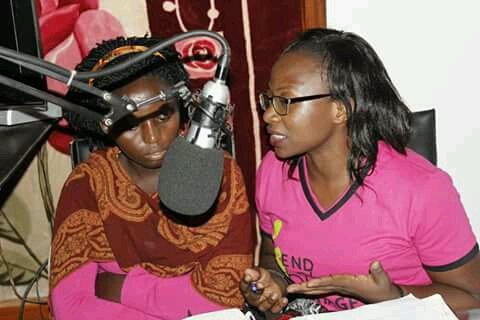
![the pre - IDGC in an interactive radio talk show]()
the pre - IDGC in an interactive radio talk show
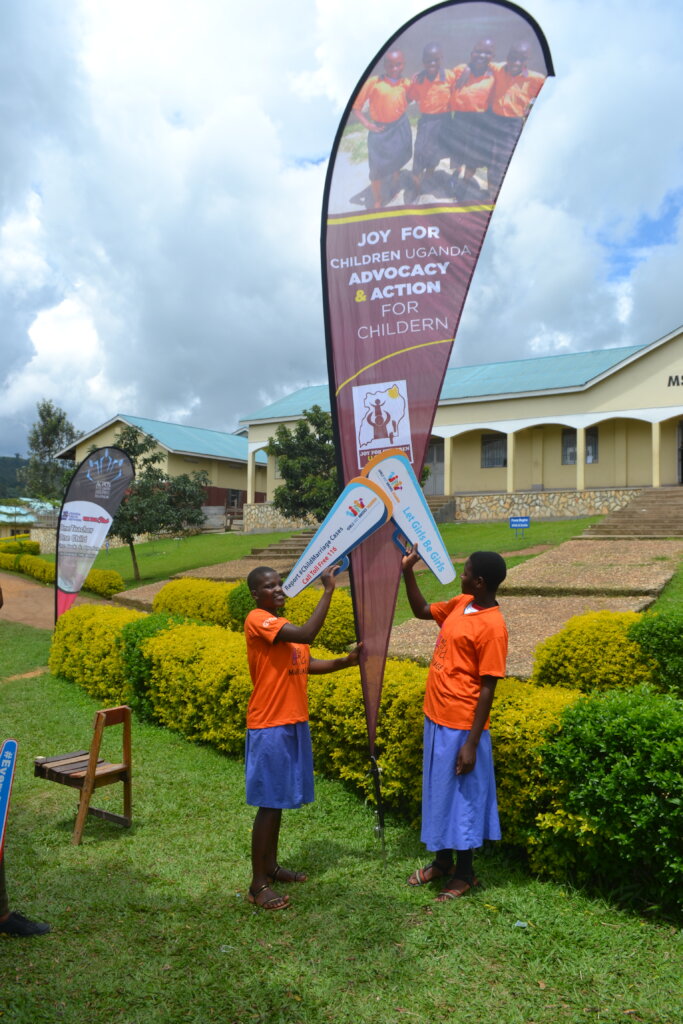
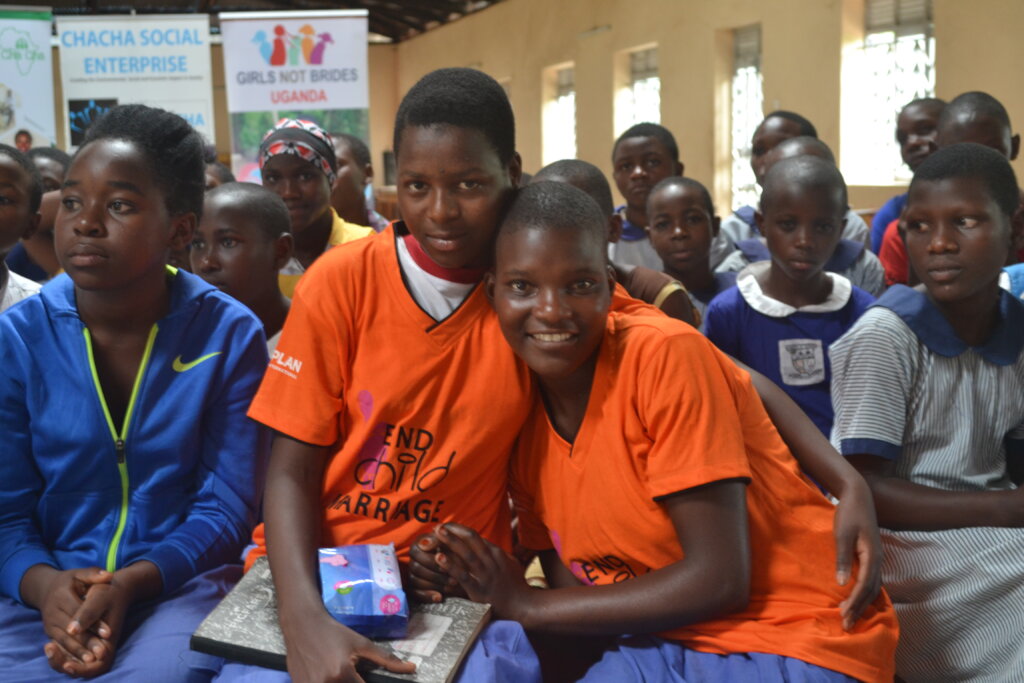
In preparation for the celebration of the International Day for the Girl Child (IDGC) 2018 in Kabarole District-Western Uganda, Joy For Children Uganda, in partnership with the Girls Not Brides - Uganda National Alliance organised a two-day campaign aimed at creating awareness on ENDING CHILD MARRIAGE in the district right from the grassroots from 3rd to 4th of October.
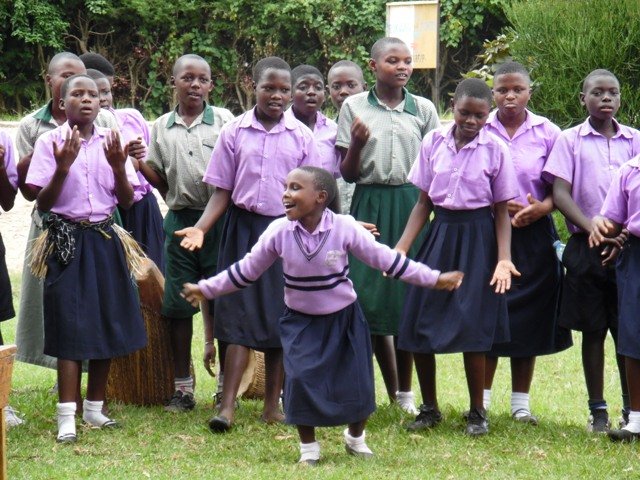
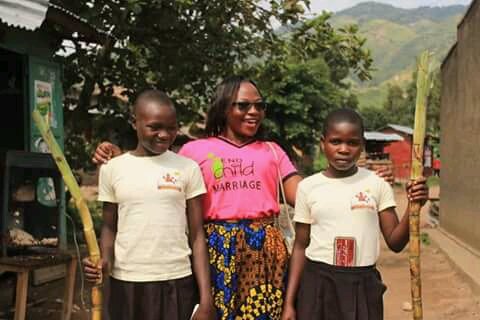
This year’s theme is With Her: A Skilled GirlForce. It focused on equipping girls with the education and training they need for a successful transition into the world of work. IDGC 2018 will mark the beginning of a year-long effort to bring together partners and stakeholders to advocate for, and draw attention and investments to the most pressing needs and opportunities for girls to attain skills for employability. We interacted, connected, commited and acted, on #EndingChildMarriage in Kabalore District; reaching out to the grassroots where child marriage happens. We engaged Kibyo and Kazingo SDA primary schools. Teachers, parents, boys and girls were sensitised on their role on ending child marriage. Some parents revealed that girls don't reach school; girls said they lack scholastic materials and are chased out of schools as school defaults; teachers blamed cultural leaders who are shying away from condemning the vice; while boys assumed that girls are dull and unable to compete with them. We realised there is still great need to empower all stakeholders if we are to achieve SDG 5.3 agenda 2030 on ending child marriage.
We are appreciate the selflessness of our donors who have supported us in this campaign to end child marriage Karangura Sub county, Kabarole District. Together, we will help girls keep in school.
![Reaching out to the girls at the grassroots]()
Reaching out to the girls at the grassroots
![]() Attachments:
Attachments:
![Share on Twitter]()
![Share on Facebook]()