By karungi sandra | Fundraiser
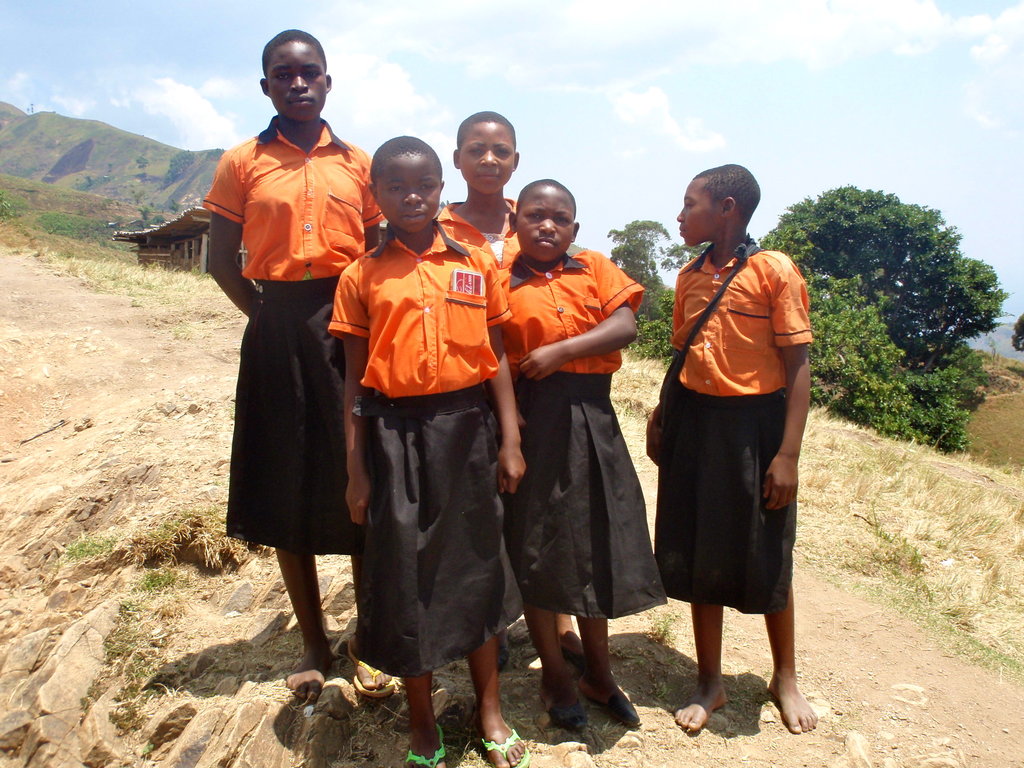
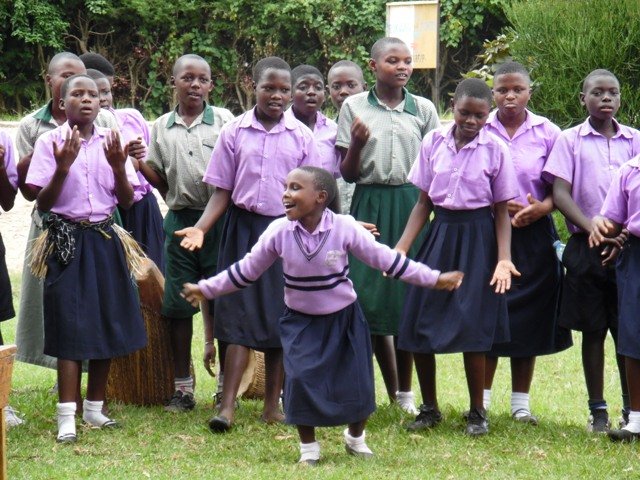
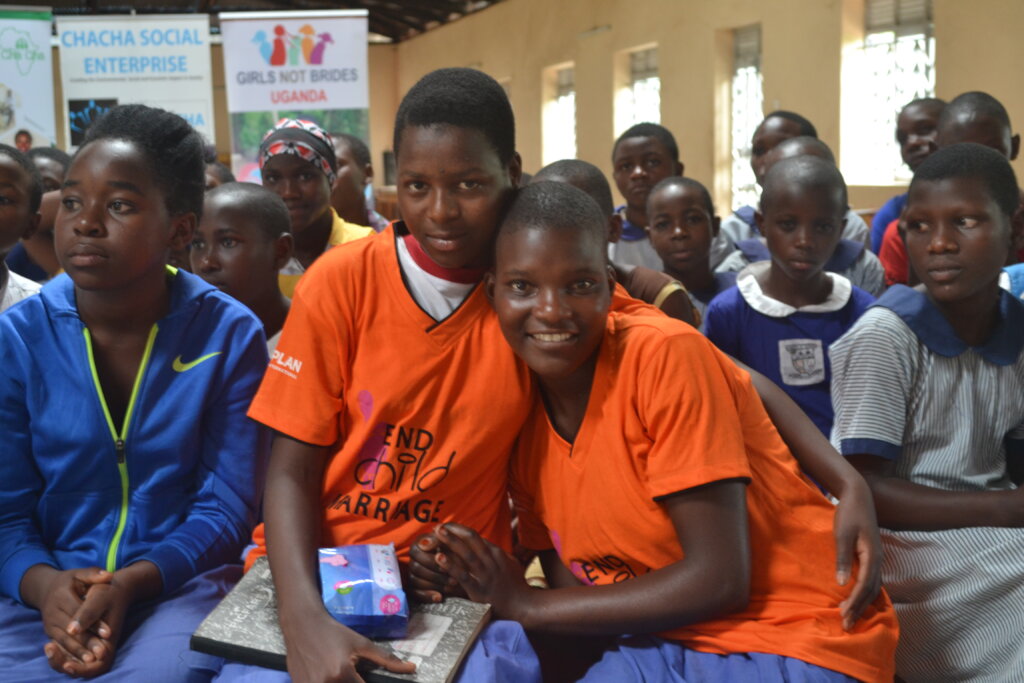
Girls’ education goes beyond getting girls into school; it is also about ensuring that girls stay safe while at school and learn better values acquire knowledge and skills to compete in the labor market outside school. Every day, girls face barriers to education caused by poverty and cultural norms. Families with low incomes often force their daughters to get married to older in exchange for money or cows.
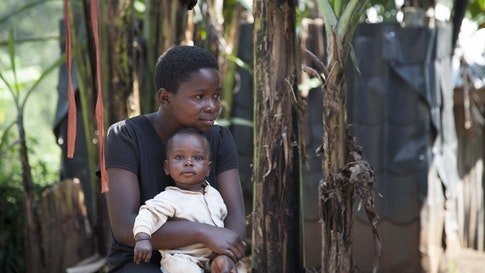
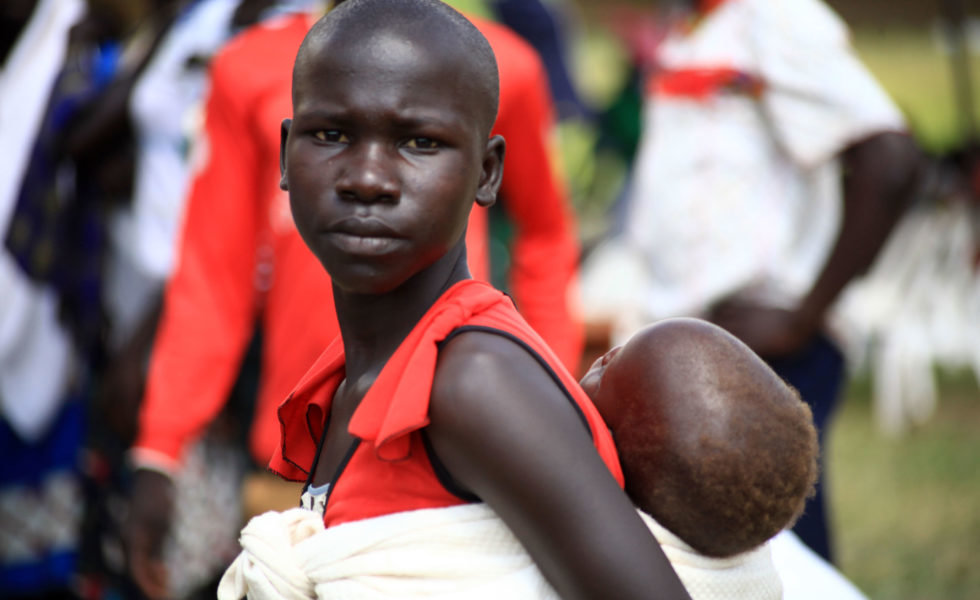
COVID-19 is having a negative impact on girls’ well-being, and many are at risk of not returning to school once they reopen. School closures have cut off girls from teachers who can sound the alarm in suspected cases of abuse at home, and students have been left idle and often unattended by busy parents. We will probably see an increase in drop-out rates as teenage girls become pregnant or married. According to June statistics that the district Community Development Office presented in a meeting with UNICEF, 1,519 girls below 19 years visited a hospital for antenatal care since the Corona virus pandemic forced schools shut in March.
“There is no hope that schools will open soon, we have been at home for close to 10 months and the government is not informing us when the schools will open”, says Jane (not real name). Jane was an eager student, who enjoyed physics, math, and geography and loved playing netball and volleyball with her friends. She planned to attend university to become a doctor. She was devastated when COVID-19 closed her school in mid-March, and her days blurred into a routine of doing chores and helping her mother at her job as a food vendor.
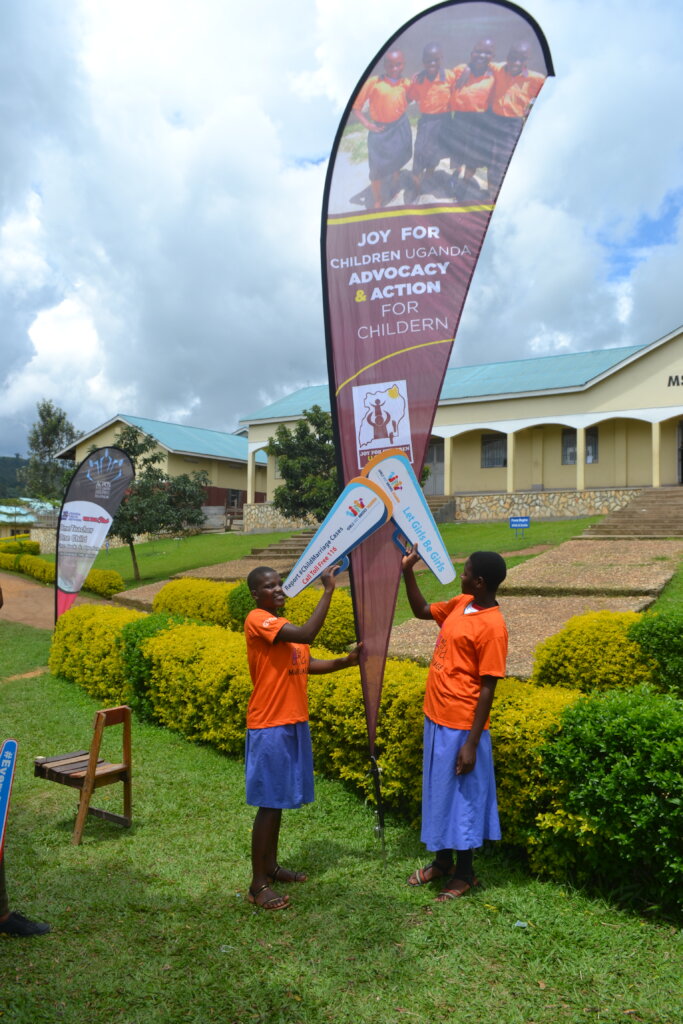
Jane is one of the many girls that have been affected by the prolonged lockdown, she is lucky that she has found what to do with her time unlike her counter parts who have been vulnerable to early marriages and teenage pregnancies. To turn the tide and protect our young girls from teen pregnancies, there is urgent need to address systemic drivers of teen pregnancies and child marriages by fully funding and consistently implementing cost-effective programs. We need to confront hard truths and realities of the issue with honesty and openness.
Project reports on GlobalGiving are posted directly to globalgiving.org by Project Leaders as they are completed, generally every 3-4 months. To protect the integrity of these documents, GlobalGiving does not alter them; therefore you may find some language or formatting issues.
If you donate to this project or have donated to this project, you can receive an email when this project posts a report. You can also subscribe for reports without donating.



Support this important cause by creating a personalized fundraising page.
Start a Fundraiser