By Phiona Kabahubya | Project Manager
In January, 2017, JFCU made an effort to evaluate the progress of The Empower Project in Karangura Sub County, Kabarole District. The title of the study was Promoting Girl-child Education: An Evaluation of the Empower Project in Karangura Sub County, Kabarole District. Activities of this project aim at ending child-marriage and promoting Girls’ Education in the rural areas of Uganda.
PROJECT BACKGROUND
The Empower project is an initiative of Joy For Children, Uganda (JFCU) that was started up as an effort to end child marriage in Karangura Sub County, Kabarole.
The Empower project operates with the guidance of the following objectives:
Unlike other parts of Kabarole, Karangura Sub County has stood out for long as an area with the highest number of early marriage cases. This has mainly been contributed by the influence of culture and the impact of the Allied Democratic Forces (ADF) war of around 1997 to 2007.
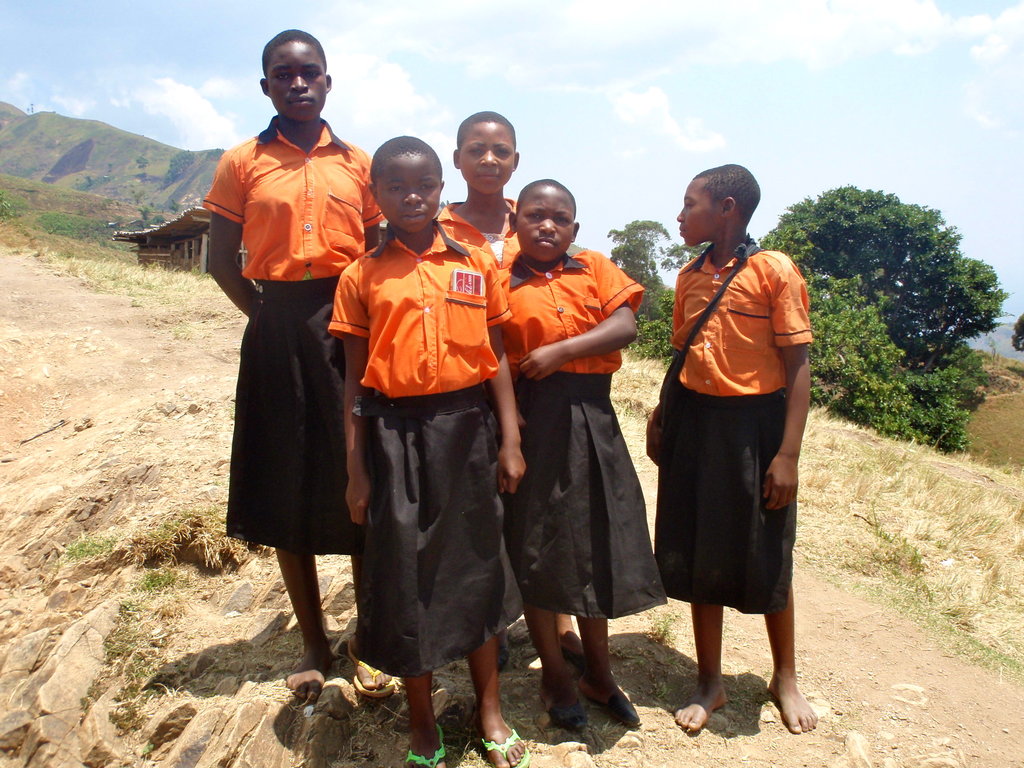
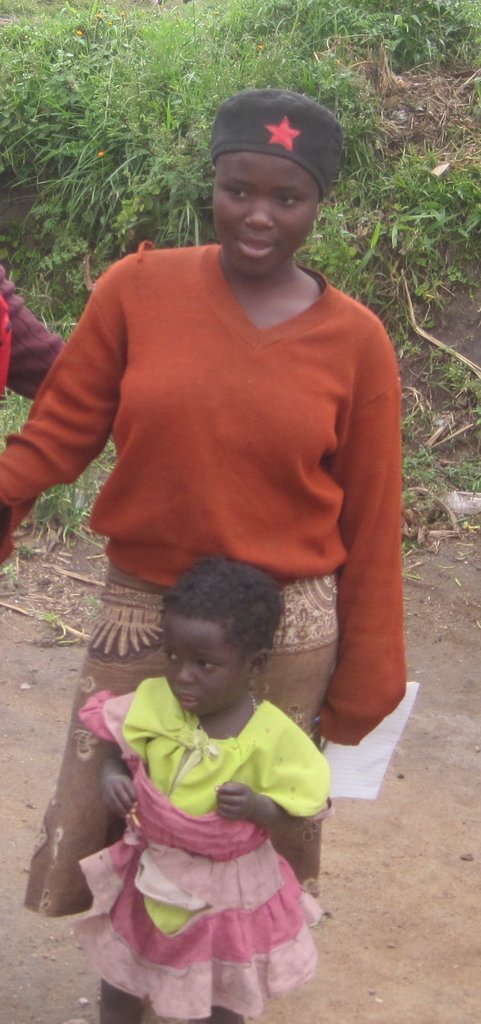
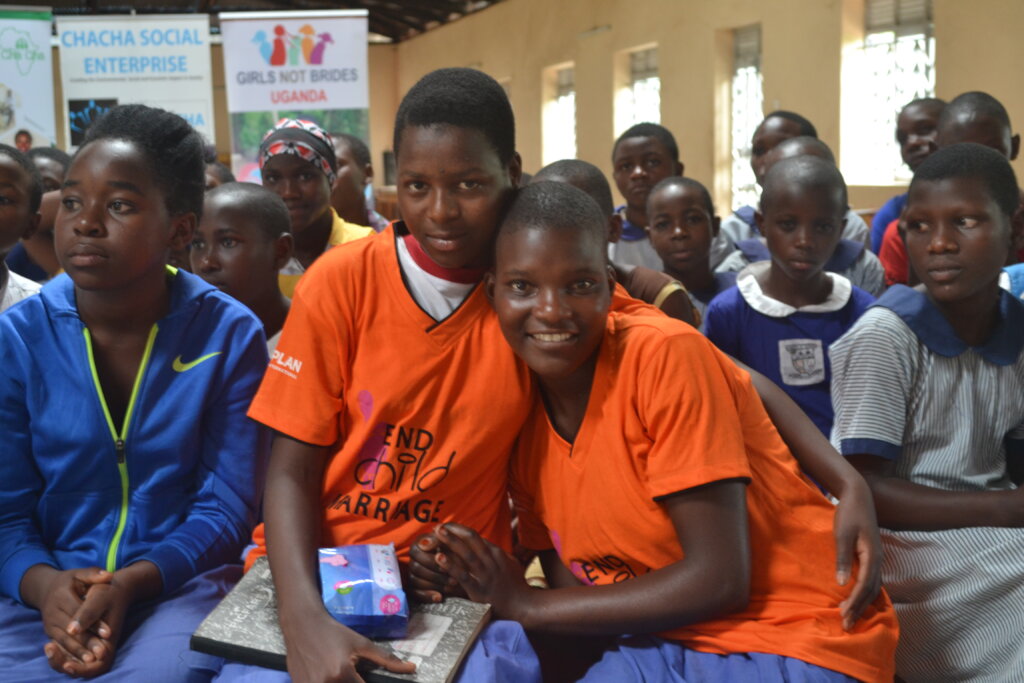
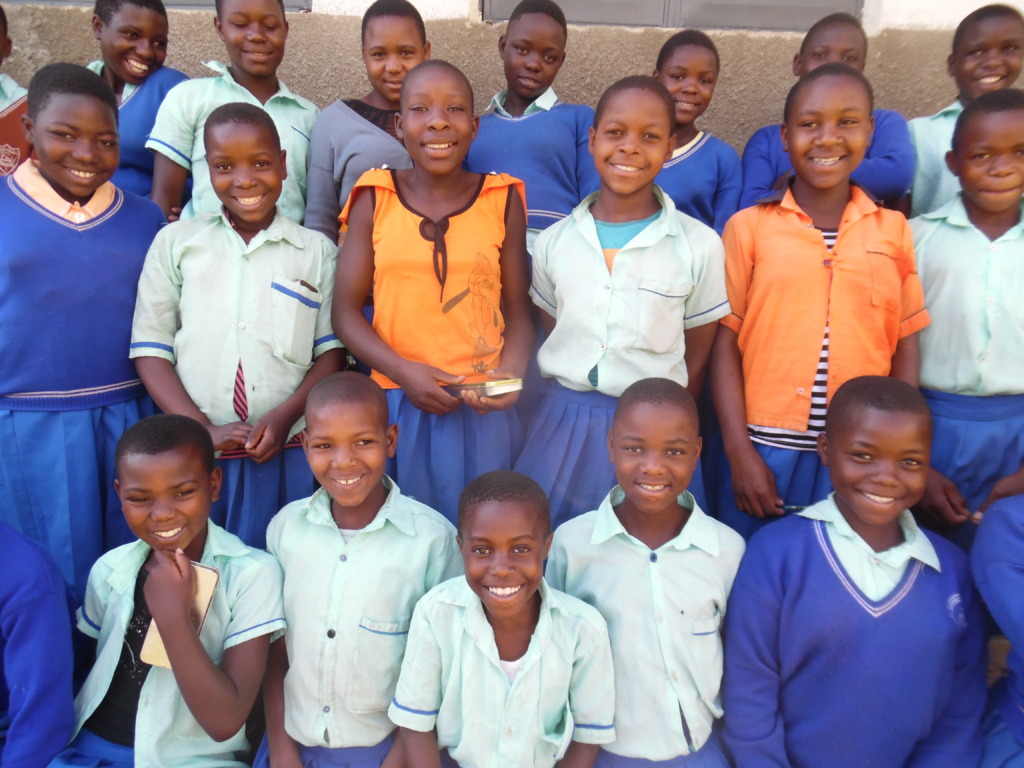
Culturally, the Bakonzo and Bamba have been marrying off their daughters aged between 12 and 14; the suitable age for children from P5 to P7. The Uganda (1995) constitution declares all people under the age 18 as children. According to Isis- WCCE research report (2011), the imposition of a marriage partner upon a child means a girl’s childhood, as well as their fundamental rights like education, is cut short. It goes on to say, many child wives in Uganda who should be in school or playing are living in near slave-like conditions in the homes of their in-laws. Please refer to Picture 1 in the attachments.
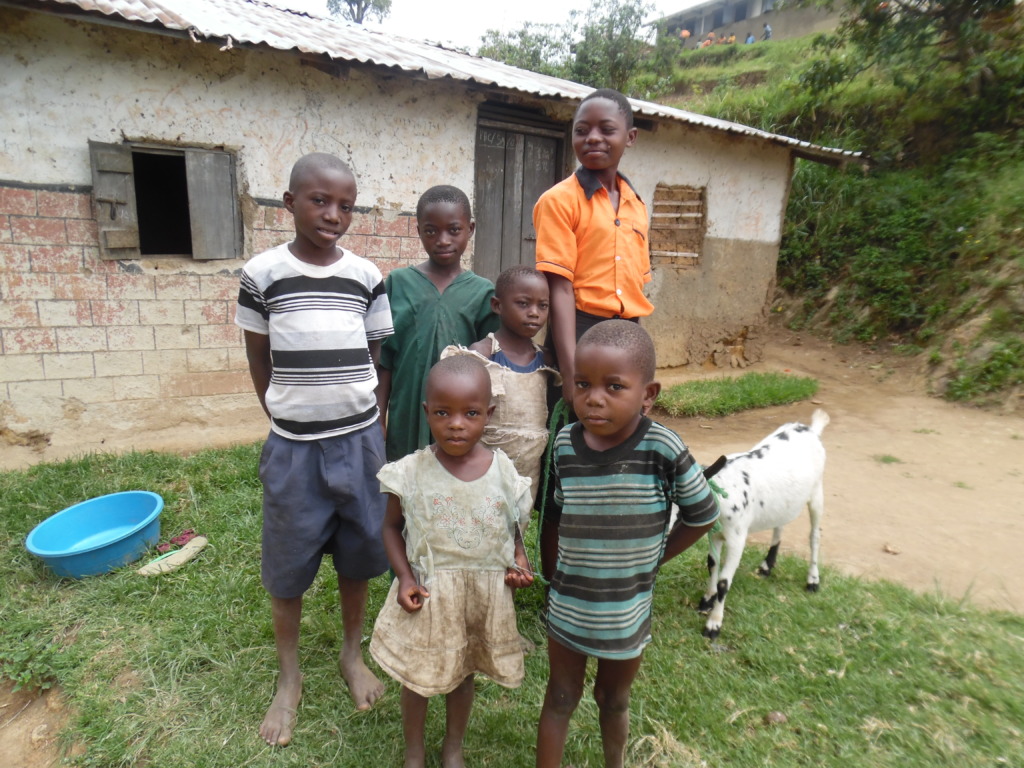
In addition to the above, Karangura Sub County had chocked with the heavy weight of post-conflict[1] effects. Early marriage finds a fertile ground in post-conflict situations where both girls and boys get sexually active early due to rape, forced sex and need to survive in situations where the basis of life is minimal (Isis-WICCE Research Report, 2011). It had also been said, in such an area, parents would marry off their daughters at an early age in the exchange for goats, chickens or cassava.
JFCU, through its Empower project, joins The 1948 Universal Declaration of Human Rights (UDHR) to condemn the practice of child marriage because it violates the (girls’) right to free and full consent to a marriage. This follows reports by the media and documents by various organizations citing the high rate of early marriages in the sub county. The practice had been branded the major cause of high (adolescent) girls’ drop out cases especially in Mahyoro and Kibyo Primary schools.
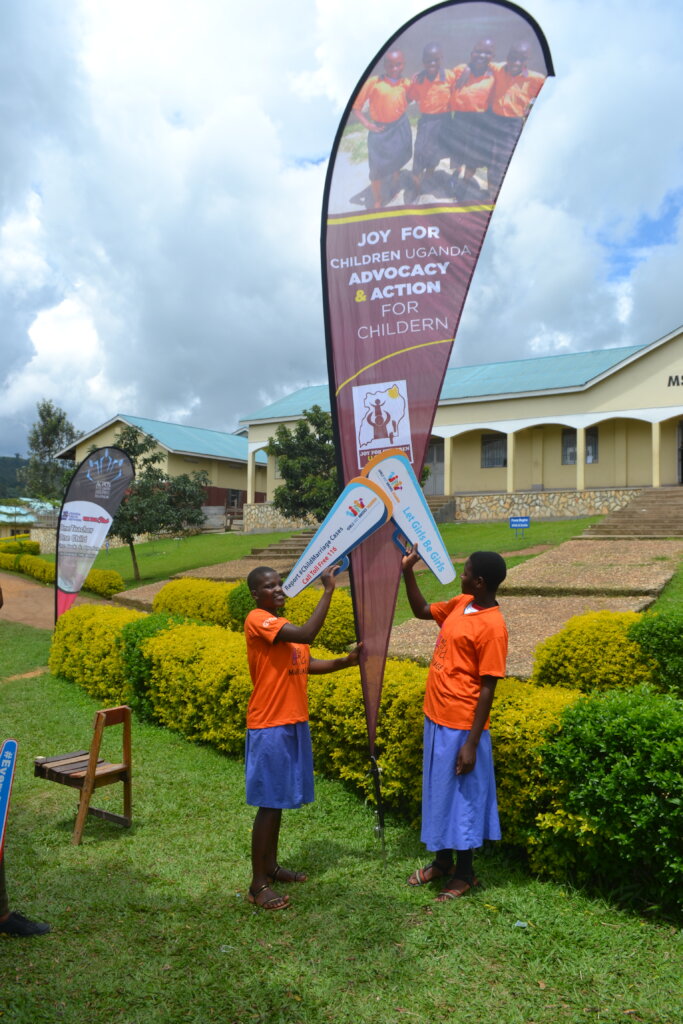
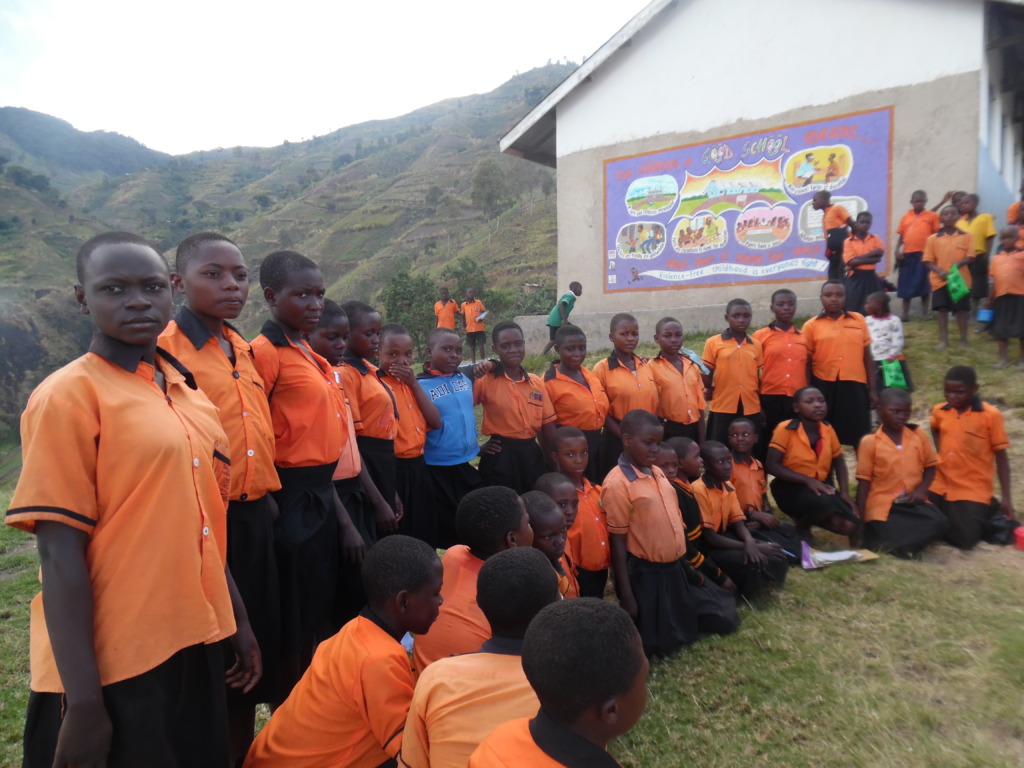
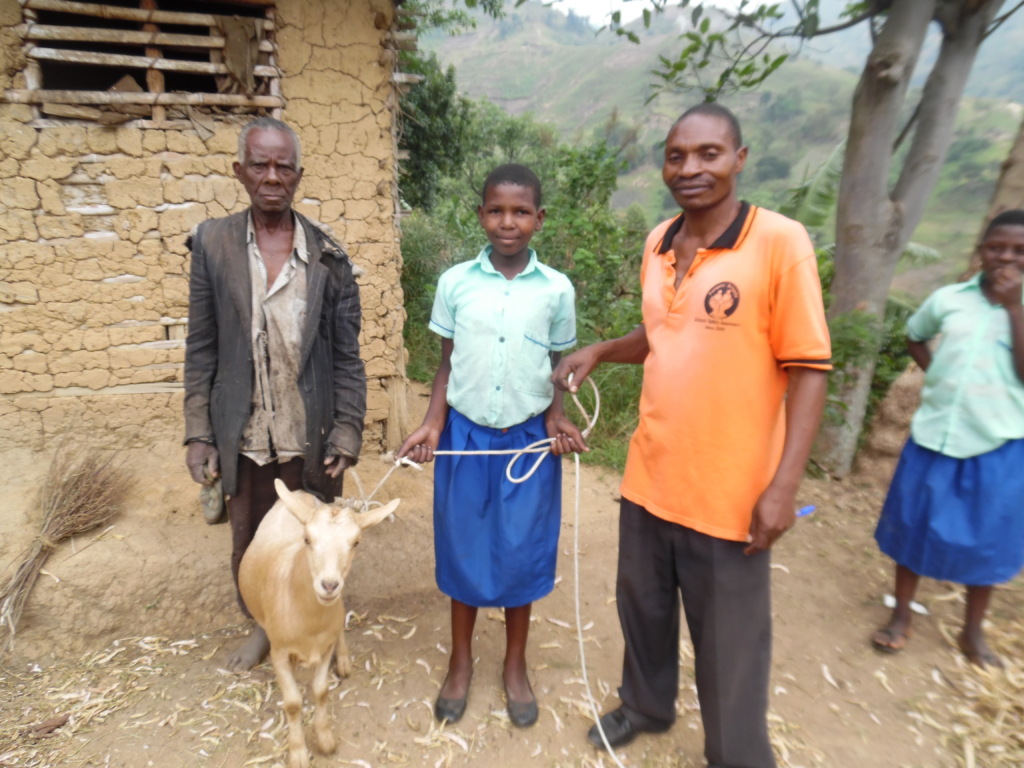
The project was designed to breathe life through activities that include school out reaches, Girls Not Brides Clubs, Community events, communicating messages about ending child marriage, support for girls’ education, income-generating initiatives, publication of educational materials and evaluation reports. The Empower Project was set, for the first three years, to work with Kibyo and Mahyoro Primary Schools that taught about 350 pupils. A target of 200 goats to be given to girls was set to improve on adolescent girls’ (home) income and also serve as bite to sustain their interest in keeping in school.
JFCU proposed working with 20 local leaders to help provide the impact of child marriage on girls and the community, save appreciating the value of education in social and economic development. In addition, 30 teachers were to be trained and supported through various through various economic empowerment and education activities. 11, 102 information, education and communication materials were to be produced and distributed with messages that address the value of education and delaying marriage. It was further targeted; more than 20,000 community members were to be reached through open community events and engagements.
This study was conducted as a way of evaluating the progress of the JFCU’s Empower project in Karangura Sub County, Kabarole. It aimed at:
The study was conducted both qualitatively and quantitatively. Samples were of different categories as it for purposes of obtaining balanced data. The study involved:75 pupils (25 boys and 50 girls) , 20 parents, 10 teachers and 05 members of the Local Council III Executive.
The instruments used in the study were generated locally. Parents and members of the LC3 executive were interviewed as pupils and teachers filled self-administered questionnaires. Items in the tools were arranged according to the set objectives for the Empower Project. Data was presented through the use of tables where it was quantified. Analysis was done basing on the figures obtained from responses in questionnaires and interview sessions.
After presentation and analysis of data, the following findings were reached at:
Following the discussion of the above findings, the following conclusions were made;
After the above conclusions, the following recommendations were made to the management of JFCU, schools administration, parents, pupils and the LC3 executive:
[1] ADF rebel activities of 1997 to 2007 concentrated in the Rwenzori region where Karangura Sub county is located.
Project reports on GlobalGiving are posted directly to globalgiving.org by Project Leaders as they are completed, generally every 3-4 months. To protect the integrity of these documents, GlobalGiving does not alter them; therefore you may find some language or formatting issues.
If you donate to this project or have donated to this project, you can receive an email when this project posts a report. You can also subscribe for reports without donating.



Support this important cause by creating a personalized fundraising page.
Start a Fundraiser