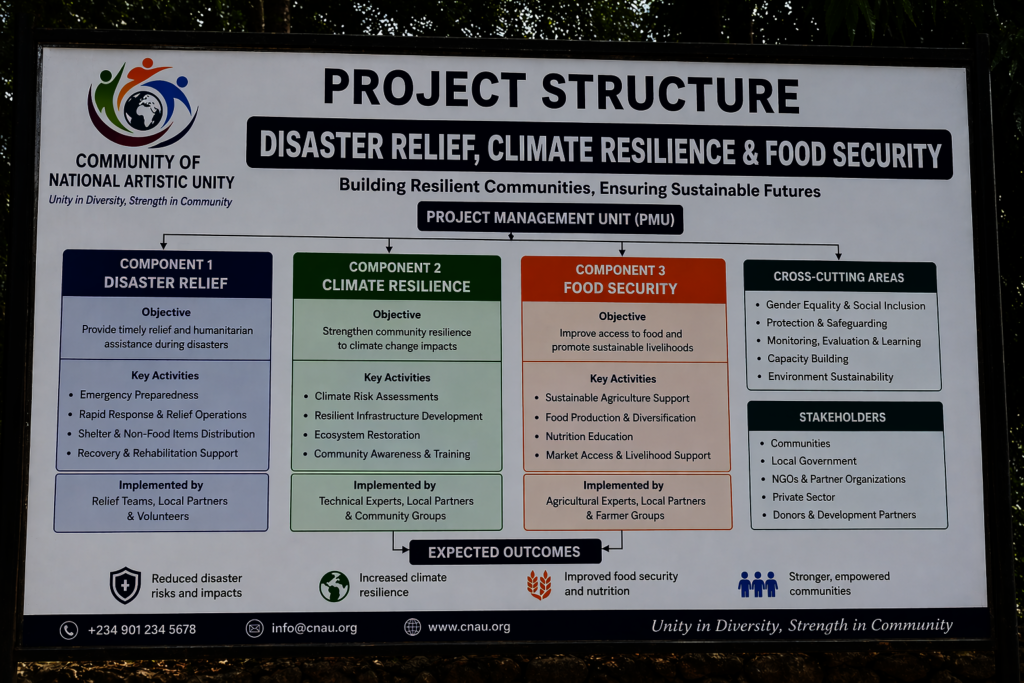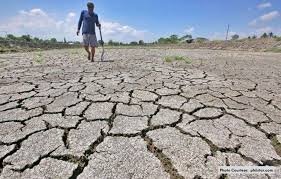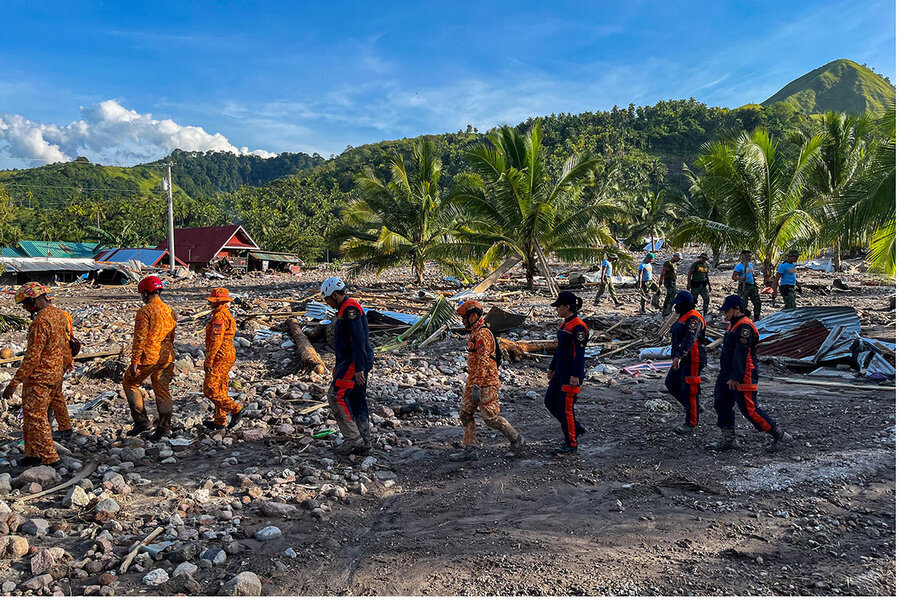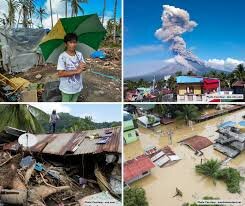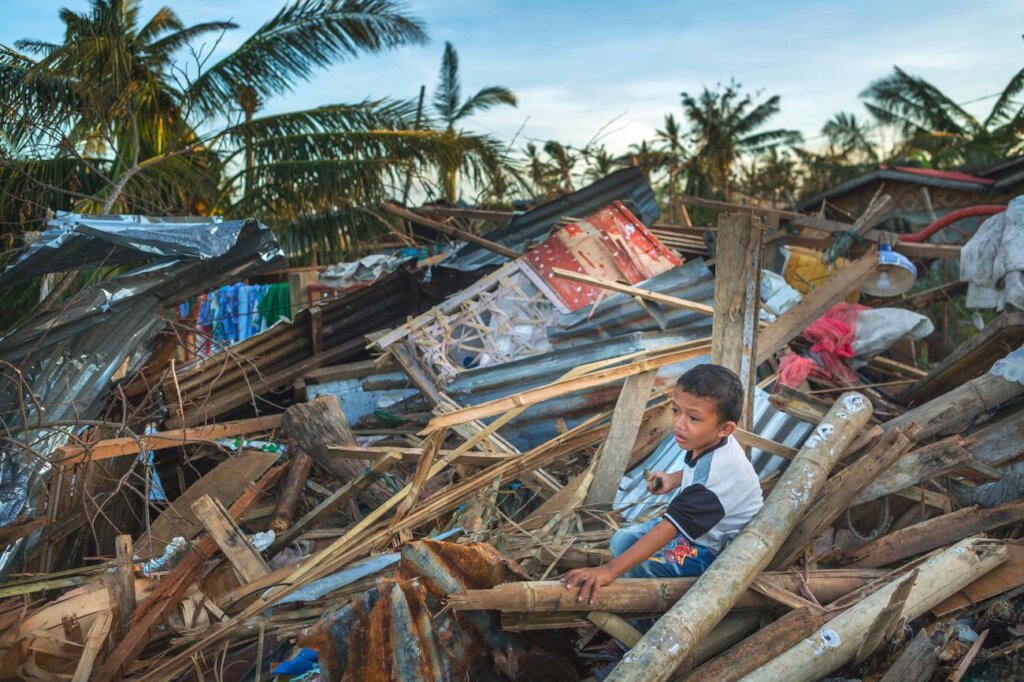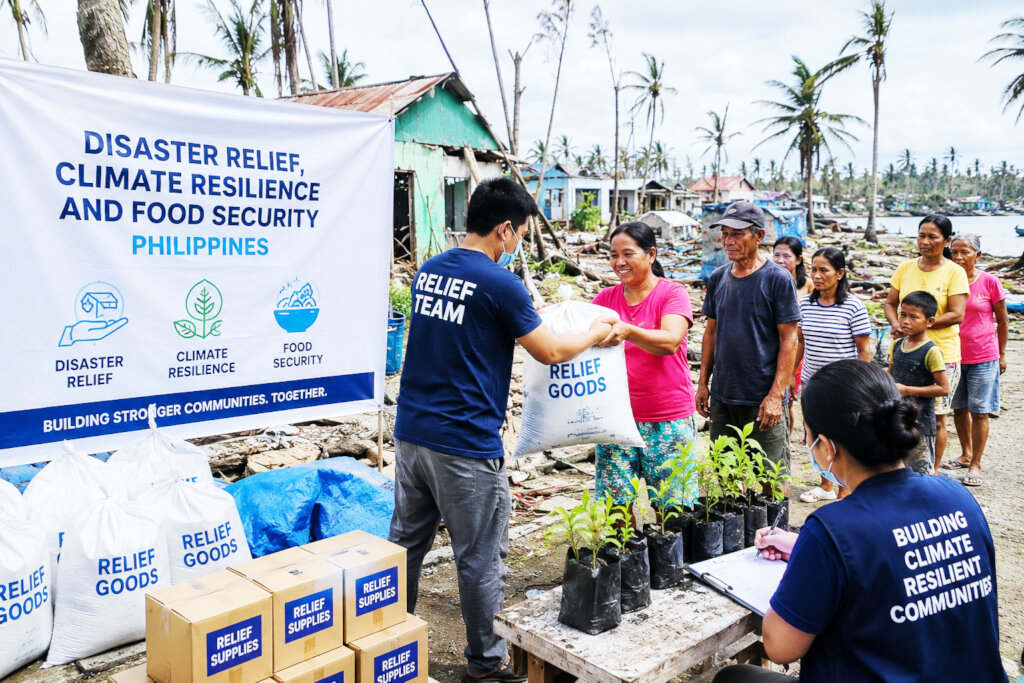
The Philippines, ranked among the world's most disaster-prone countries, faces severe food security threats due to frequent, intense climate shocks. Key initiatives include strengthening climate-resilient agriculture (e.g., adaptive rice production), and implementing early warning systems and cash transfers. Efforts are shifting from reactive disaster response to proactive Anticipatory Action to bolster long-term resilience
The Philippines faces a critical nexus of challenges where high vulnerability to climate disasters (typhoons, droughts) disrupts food systems, causing severe food insecurity, malnutrition, and economic losses. Agriculture and fisheries absorb 22% of disaster impacts, affecting over 10 million farmers, while inadequate funding and slow disaster response hinder long-term resilience. Extreme Vulnerability & High Impact: Ranked as one of the world's most disaster-prone countries, recurring shocks
Disaster relief, climate resilience, and food security projects in the Philippines solve critical vulnerabilities by integrating immediate emergency aid with long-term adaptive strategies. They address high disaster exposure by implementing anticipatory action, improving climate-resilient agriculture (like climate-smart rice farming), and providing early warning systems Anticipatory Action and Risk Financing Livelihood Protection Building Climate Resilience
Integrating disaster relief with climate resilience in the Philippines is critical for long-term food security, aimed at breaking the cycle of poverty caused by frequent typhoons and flooding. Key impacts include protecting vulnerable livelihoods, reducing economic losses ($1.78 billion annually), and utilizing anticipatory action-such as new policies for funding before disasters strike to prevent chronic food insecurity Sustainable Livelihoods Asset Protection Proactive Management Funding Gaps



Support this important cause by creating a personalized fundraising page.
Start a Fundraiser