By Kelli Maddock | Resource Development Officer
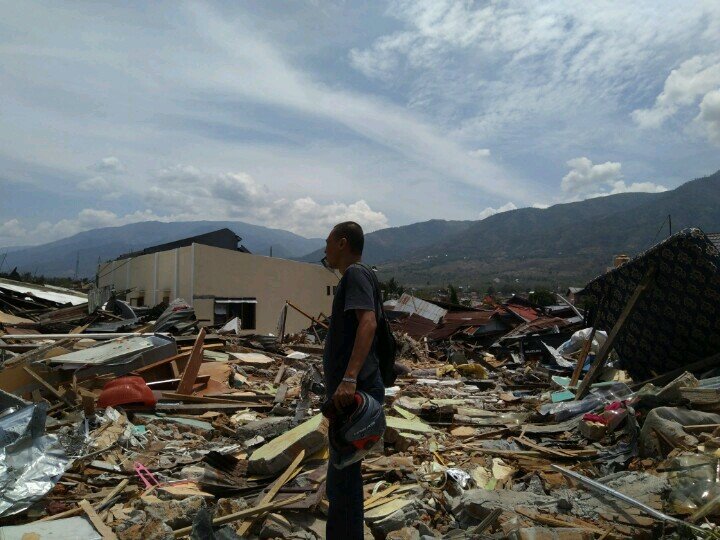
Dani lives in Namo village and works as a farmer. Prior to the earthquake and tsunami on September 28, 2018, Dani says that his house “was made of permanent concrete. Yet at the time of the earthquake, the house collapsed to the ground.” Thankfully, Dani’s family experienced no casualties, but they were living in tents located in a field when they met with International Medical Corps’ on-the-ground partners.
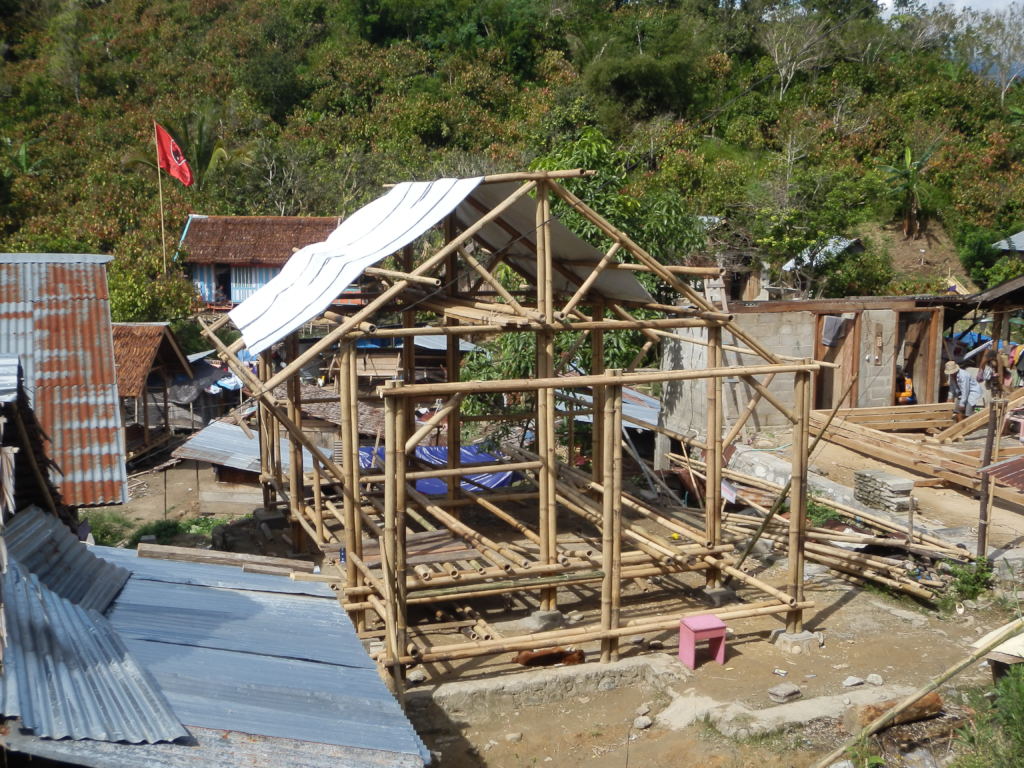
The latest information from government authorities in Central Sulawesi indicates that more than 100,000 homes were either damaged or destroyed. In response to the request from the government to prioritize building more durable, temporary shelters, we made it our goal to build at least 137 shelters that could withstand at least two cyclone seasons. The design of these shelters reduces the risk of people losing their homes due to adverse weather and earthquakes by using bamboo. Additionally, our teams chose bamboo because the regular building materials were out of stock due to the massive rebuilding efforts and the flexibility of the bamboo in regards to its ability to absorb high winds.
Not only is bamboo available locally, but Nursan, also from Namo Village, explains that “bamboo is (traditionally) only used for chicken coops, goat pens, clothes lines and fences.” After attending the training, he told our partners that he came to understand the many properties of bamboo that make it an economically desirable and environmentally friendly, sustainable building material. The villagers hope that by learning this knowledge, there will be less illegal forestry as more people began to understand the environmental importance of bamboo.
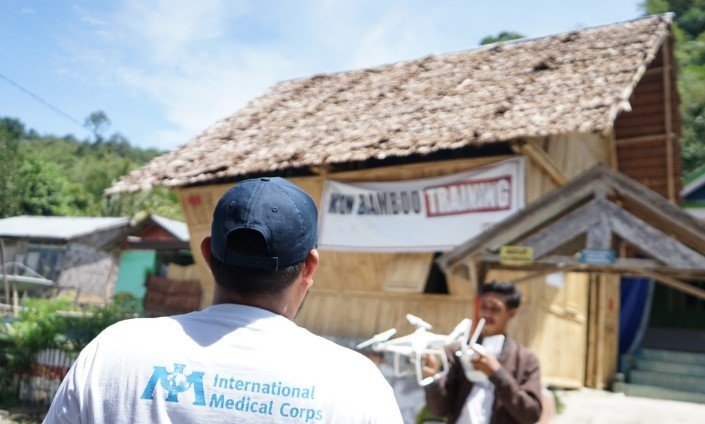
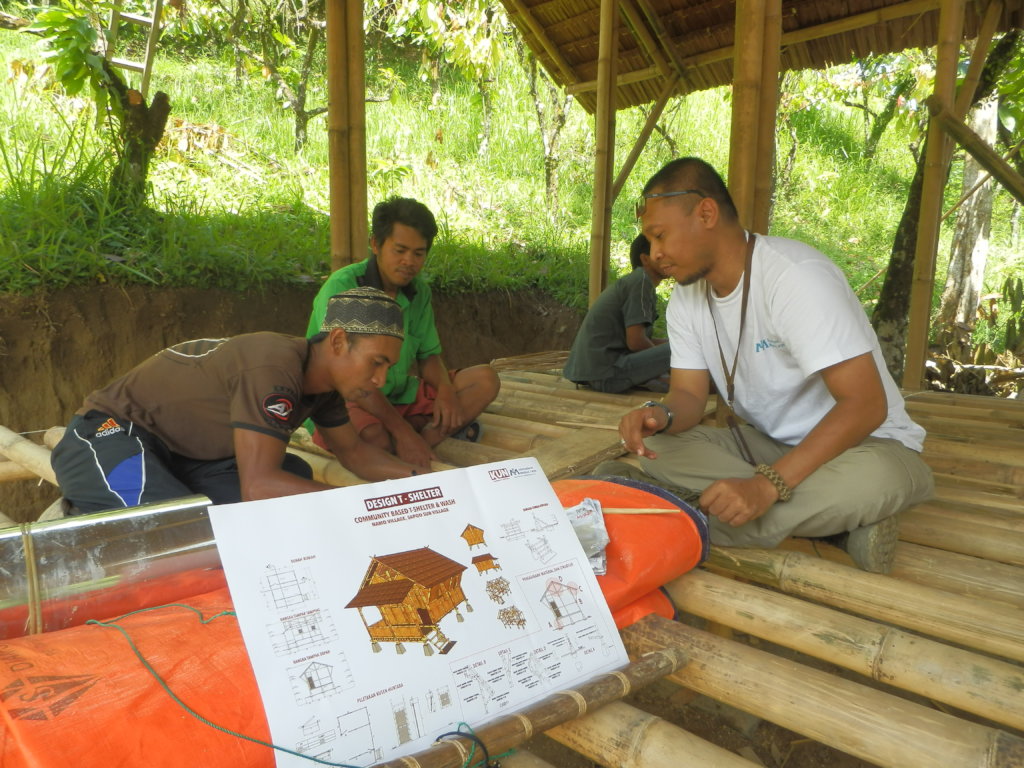
International Medical Corps’ teams have been training both community leaders and heads of households how not only to build with bamboo, but also to maintain it. Dani tells us that our teams showed him that the “process of preserving the bamboo makes it last longer,” but he did not stop there. He added that, our team taught him “how to make bamboo housing so that it can provide economic benefits into the future.” Now, Dani can use his new knowledge to make a living and support his family for many years to come.
Thank you for helping International Medical Corps prioritize building shelters that are based on local needs, local materials, are safer and are more sustainable, while still in line with the local culture. Donations, like those from GlobalGiving, help us to ensure that we continue to have the ability to help people affected by disasters build back better— just like Dani and Nursan in Namo Village.
Thank you for your generous support of disaster relief, recovery and resiliency in Indonesia.
Project reports on GlobalGiving are posted directly to globalgiving.org by Project Leaders as they are completed, generally every 3-4 months. To protect the integrity of these documents, GlobalGiving does not alter them; therefore you may find some language or formatting issues.
If you donate to this project or have donated to this project, you can receive an email when this project posts a report. You can also subscribe for reports without donating.