By Kelli Maddock | Resource Development Officer
Survivors of disasters are at higher risk for psychological distress and mental health conditions due to the stress, fear, displacement, uncertainty and loss of loved ones and livelihoods, which are affecting them, their families and their communities.
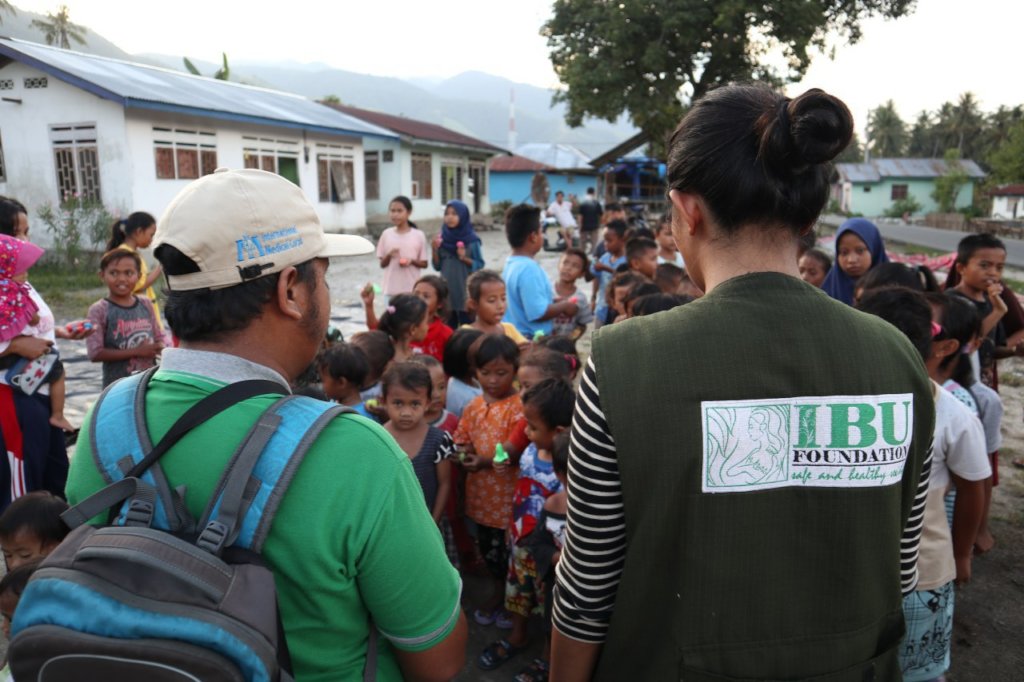
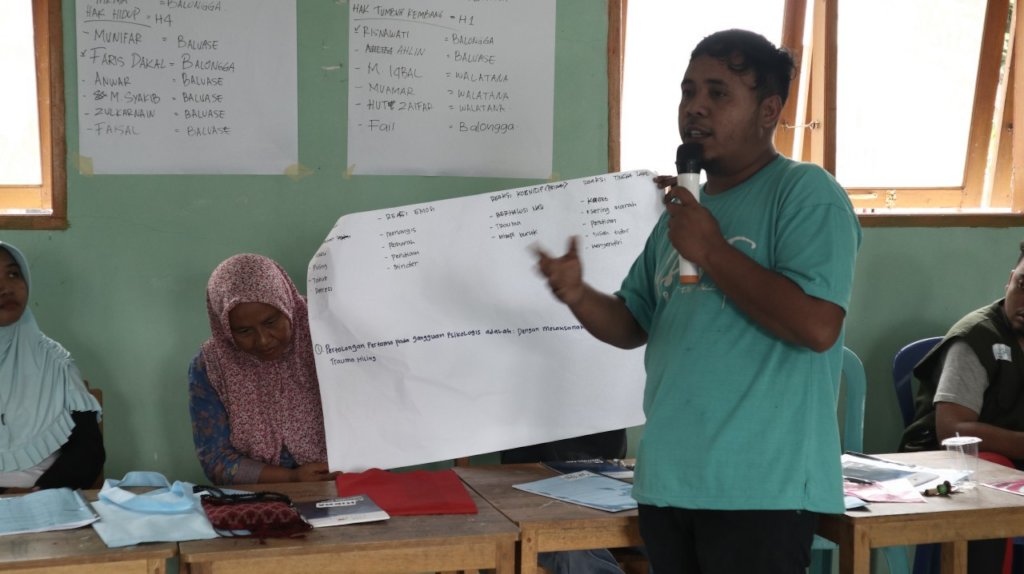
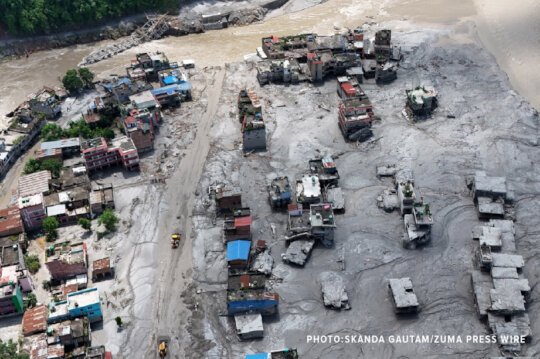
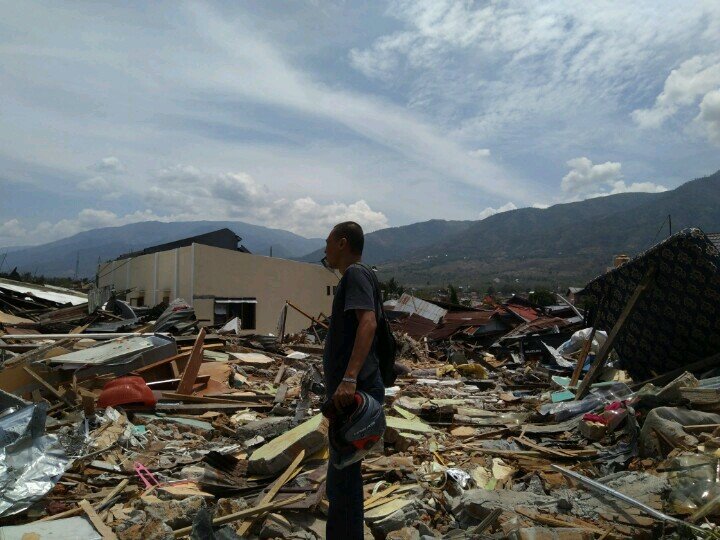
In the aftermath of the Central Sulawesi earthquakes and tsunamis in Fall 2018, International Medical Corps partnered with Indonesia Bhadra Utama Foundation (IBU), a local non-governmental organization working in emergency response, to facilitate a two-day workshop for 21 local volunteers on child protection, psychological first aid and other approaches to psychosocial support. The workshop included activity-based discussions on topics such as safe boundaries, safe touches versus hurtful touches, stress management and identifying emotions. At the conclusion of the workshop, the volunteers’ knowledge about mental health and psychosocial support had increased by 61% between their mean pre-test and post-test scores.
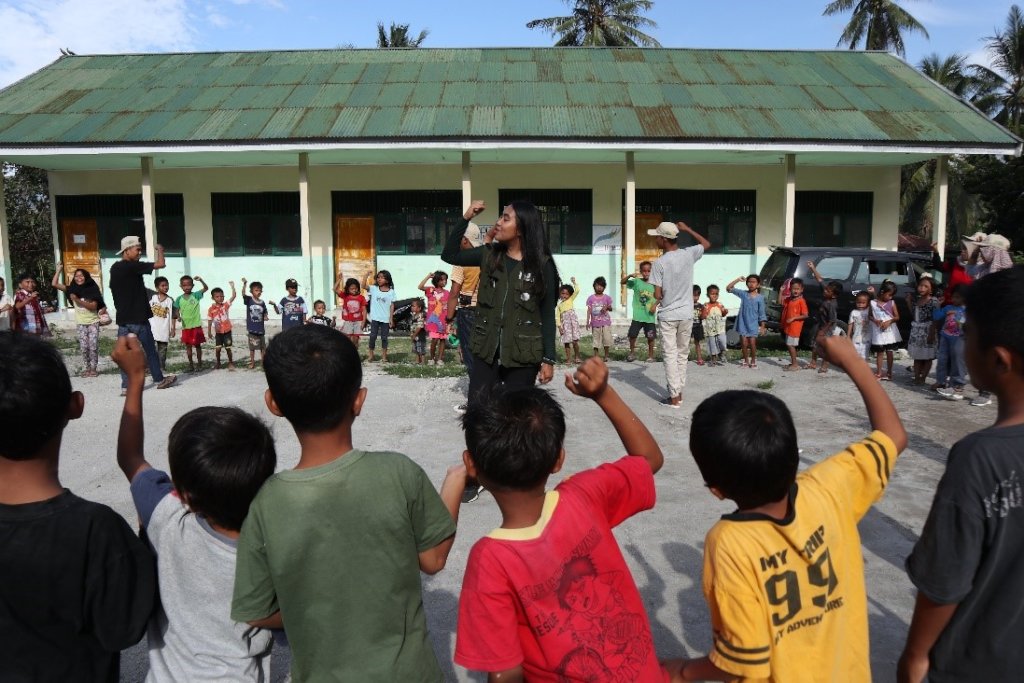
Thanks to interviews and observations conducted by the newly trained psychosocial support volunteers, we learned that post-disaster psychological distress was evident among both children and adults in Sigi and Donggala district of Central Sulawesi. Since being installed in his role the youth leader for Baluase village of Sigi District, Firdaus has addressed these concerns through informal education activities promoting positive mental health for some 740 primary school-aged children, 6 to 12 years old, in three safe spaces, known as Rumah Kencana Centres, in Baluase, Walatana and Balongga villages.
"I am very happy there is a workshop that provides instruction on the promotion of mental health for youth and adolescents after the disaster,” Firdaus tells us. “I think that a program like this not only helps us anticipate the needs in the aftermath of a disaster, but also builds up a village through the youth.” He continues: “Discussing and declaring ideas among young people should be continued.”
The workshop allowed Firdaus to integrate his new skills and knowledge with ongoing conversations within the village, and with existing platforms for community-based activities, such as the “Nature Lover’s Group.” “The youth here are used to leading discussions and planning events. For example, we have a ‘Nature Lover’s Group’ that plans mountain activities,” he says.
Thanks to the GlobalGiving community and other donors, International Medical Corps team members and our local volunteers, like Firdaus, can continue to ensure the resiliency of the next generation through future disasters.
Project reports on GlobalGiving are posted directly to globalgiving.org by Project Leaders as they are completed, generally every 3-4 months. To protect the integrity of these documents, GlobalGiving does not alter them; therefore you may find some language or formatting issues.
If you donate to this project or have donated to this project, you can receive an email when this project posts a report. You can also subscribe for reports without donating.