By Jake Ampleford | Partnerships Executive
Just days after an outbreak of Ebola in the DRC had been declard over, another was identiied in a completely different region. The current outbreak is far more serious than the one before it, as it has occured in a conflict affected environment that many people travel through, meaning the risk of spreading is far greater, and the situation is much harder to control.
As of August 13th 2018, the DRC Ministry of Health (MoH) and World Health Organisation (WHO) have reported 102 cases of which 39 cases are laboratory confirmed and 27 probable and 36 suspected cases. 42 death have been reported (15 among the confirmed cases and 27 among cases tentatively probable) translating into case fatality rate of 38,5% (15/39) among confirmed cases. The outbreak remains active in Beni territory in the north of Nord Kivu province, near Lake Edward and the border with Uganda, health zone Mabalako, Butembo, Oicha, Musiene and Beni. Most cases are reported in Mangina alone (WHO/MoH 13/08/2018). However as at August 13th, 7 confirmed cases with one death at community level were reported in Mandinma Health zone, Mambasa territory in Ituri Province confirming the fears that this outbreak will spread disproportionately in the twin provinces already freight with armed conflicts by armed groups and ethnic groups which could impede access and service delivery.
In summary, as of August 2018, there were:
Oxfam’s Response
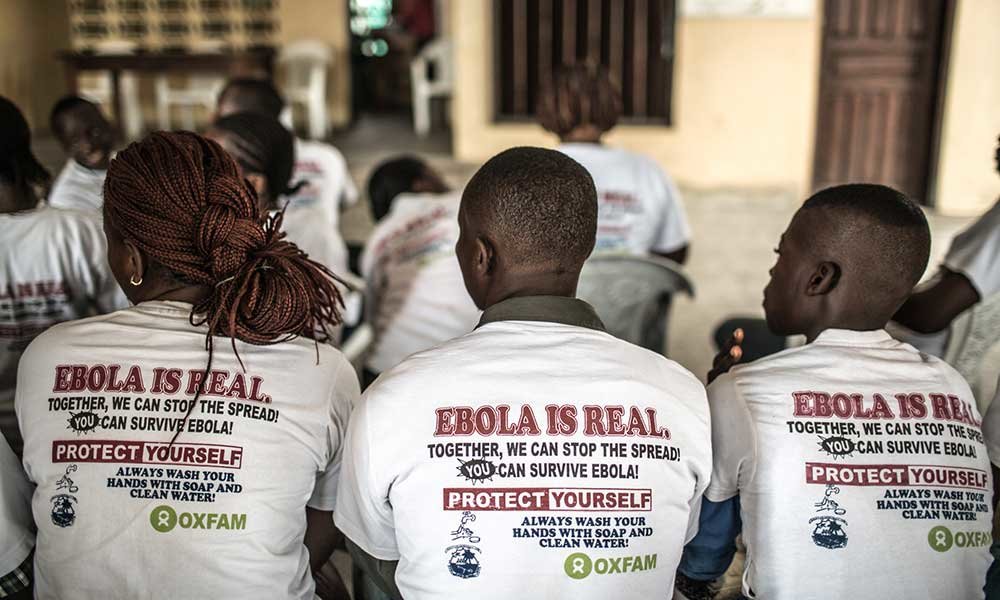
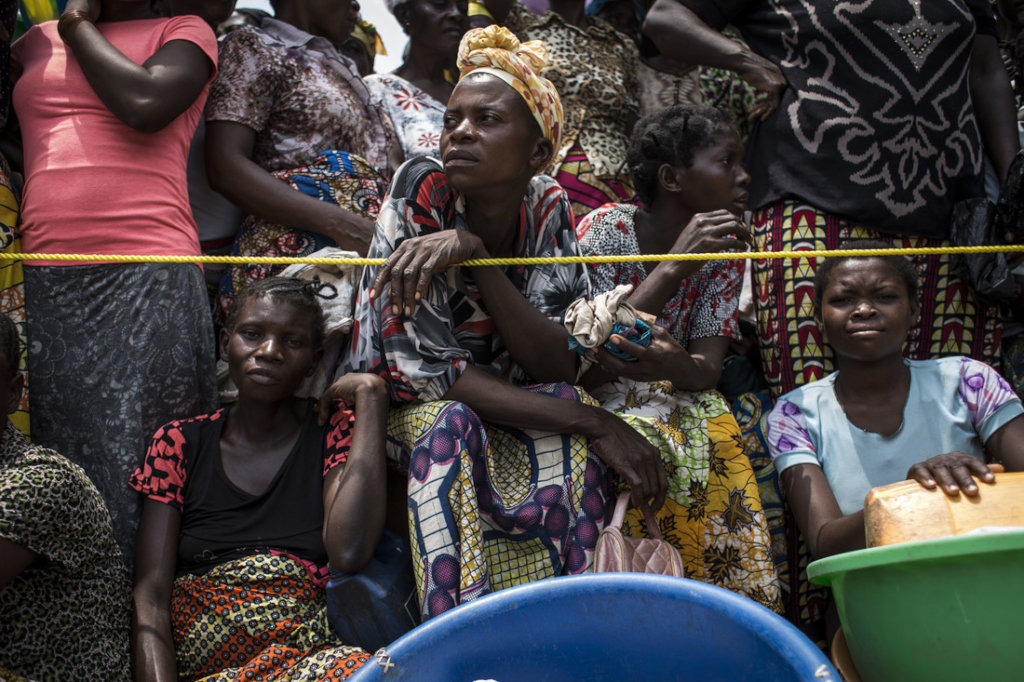
To date Oxfam has reached 85,680 people including 19,204 men and 23,342 women with access to water, sanitation and hygiene assistance and 36,687 people including 16,876 men and 19,810 women directly reached through awareness raising activities.
Oxfam's response has been split between the two affected areas Beni and Mangina.
Beni:
Water, Sanitation and Hygiene
Communication
Mangina:
Water Santiation and Hygiene
Communication
Thank your for your support in stopping the outbreak of Ebola in the DRC.
Project reports on GlobalGiving are posted directly to globalgiving.org by Project Leaders as they are completed, generally every 3-4 months. To protect the integrity of these documents, GlobalGiving does not alter them; therefore you may find some language or formatting issues.
If you donate to this project or have donated to this project, you can receive an email when this project posts a report. You can also subscribe for reports without donating.