By Nicholas Syano | Executive Director
DNRC AGROFORESTRY PROJECT: JAN-MARCH 2014 PROGRESS REPORT
A. Announcing the First DNRC Office!
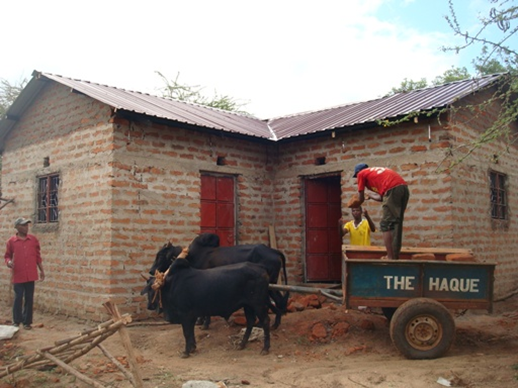
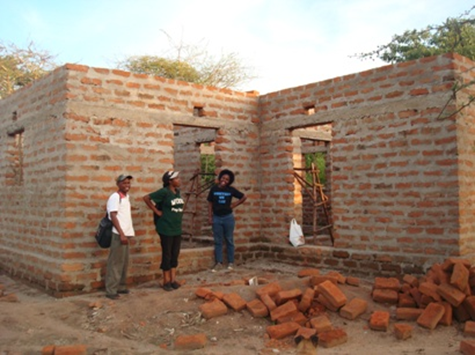
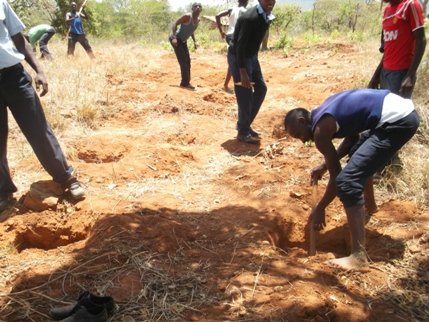
From 2007 until this month, the DNRC and its staff operated out of Nicholas Syano’s house and remote locations. Now, we finally have our own land and office building. This is a huge step forward for the DNRC, and our staff and the local community could not be happier. Our staff can now work more productively, and we can more easily host members of the community, academic researchers, and other visitors. The office will enable us to expand our impact, improve our operations, and maintain better communications with the local community.
The office was constructed with the financial and legal support of our partner organization, CCR, and with the help of many community members. It will be ready for use at the end of March.
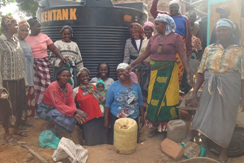
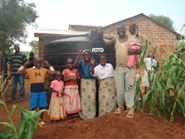
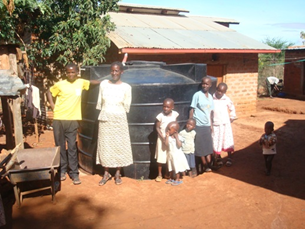
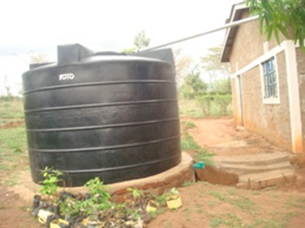
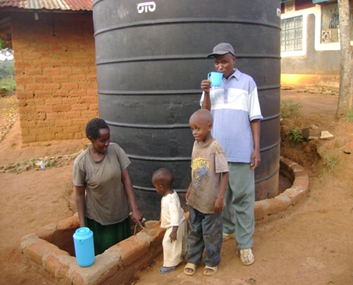
Although the basic facility is now complete, we still need to furnish the office, install solar panels to power computers and lights, and install a water cistern to harvest more water for our tree nursery.
Cash of in-kind donations for these furnishings would be much appreciated - if you would like to donate a specific item, please write to Daniel Pike at danieljamespika@gmail.com.
B. Training and Outreach Activities: 400 Farmers Visited and Trained
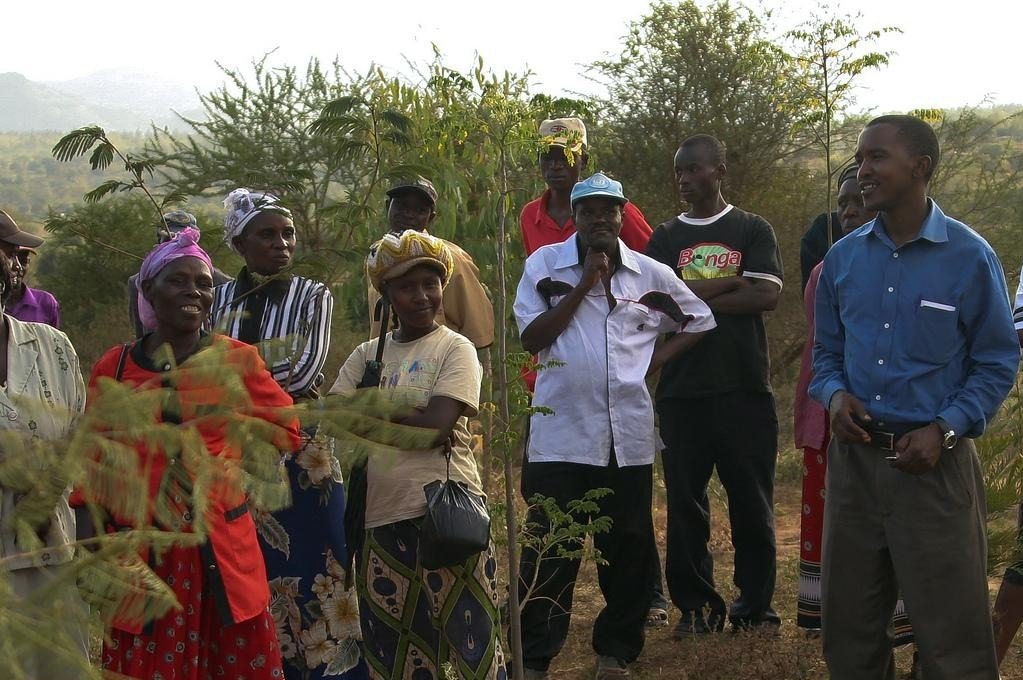
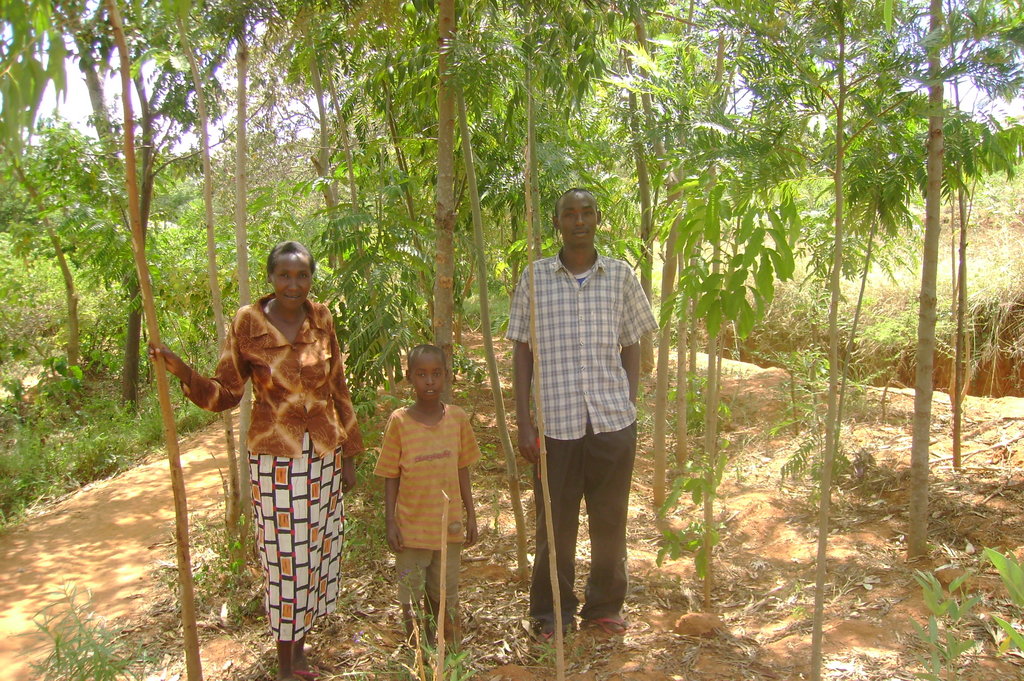
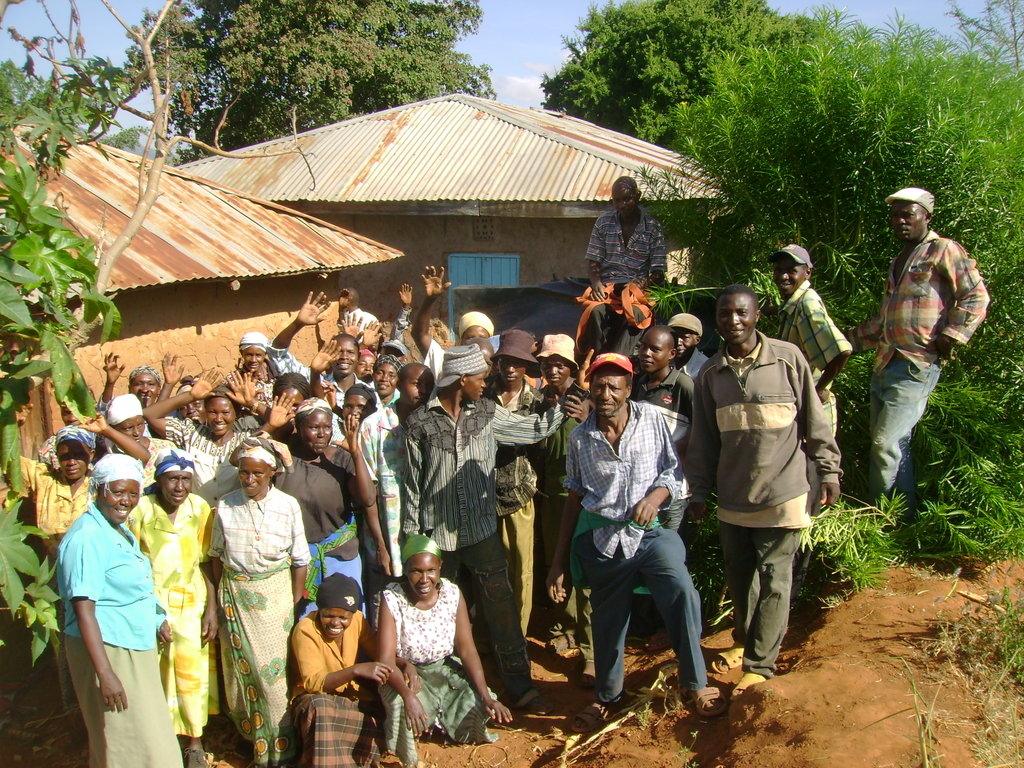
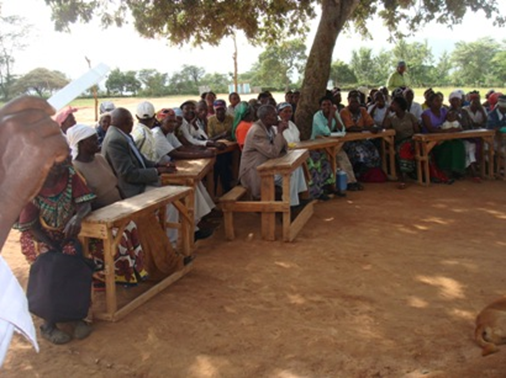
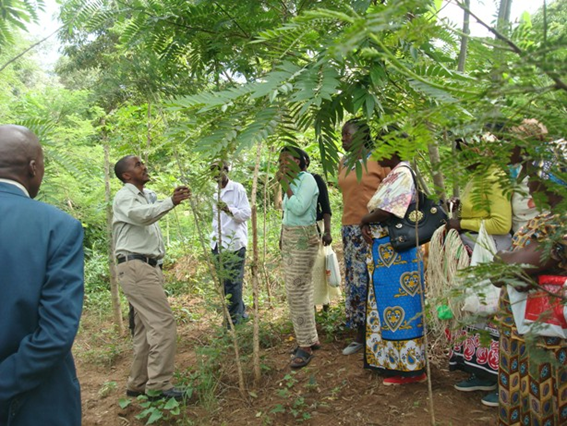
During this quarter, the 400 farmers working with DNRC were visited and trained in their individual farms on care and management of their trees. This was done by our training and outreach person, Fedelis Nzisa Charles. Fedelis also trained them on the application of biopesticides. In Feb. 2014, Nicholas Syano together with the other DNRC staff held a joint training of all the members at Maiuni Primary school.
C. Tree Nursery Activities: On Target For 50,000 Seedlings This Year
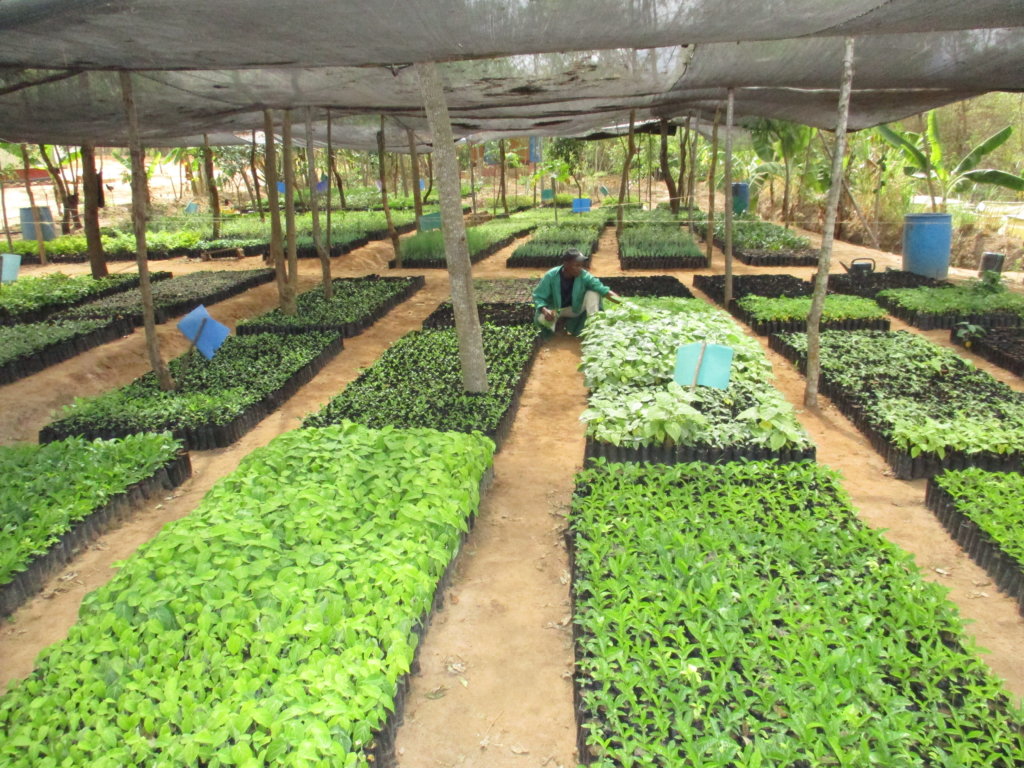
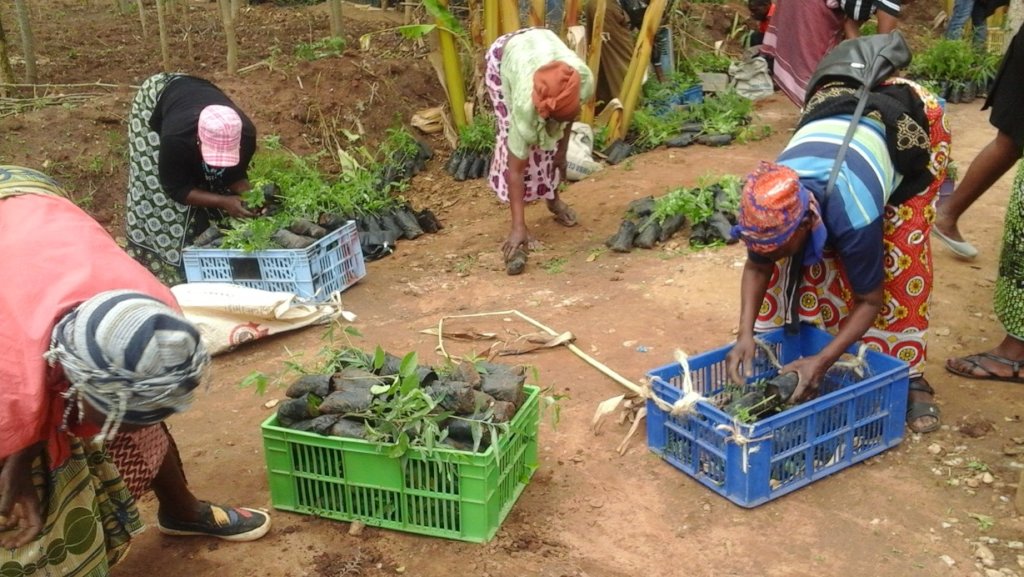
During the quarter, the nursery team lead by Lucas Munyao was able to propagate 14,480 different tree species and potted 32,000 pots for transferring the saplings. This is on target to achieve 50,000 seedlings during the year. Other activities included watering the seedlings and preparing nursery materials like soil gathering and mixing with manure.
D. Focus for Q2 2014: Harvesting and Selling Tree Products
1. Finishing, furnishing and moving in to the new office
2. Continued seed propagation in the tree nursery
3. Reaching and training the 400 farmers now working with DNRC
4. Design and preparation for our first tree harvest in late 2014. (By harvesting high-value tree products in an environmentally sustainable manner, we aim to generate significant revenue for the DNRC and over two hundred member farmers)
5. Grant applications and fundraising to support harvest design and new monitoring and evaluation teams
By Daniel Pike | Project Manager
By Nicholas Syano and Daniel Pike | Executive Director and Director of Planning
Project reports on GlobalGiving are posted directly to globalgiving.org by Project Leaders as they are completed, generally every 3-4 months. To protect the integrity of these documents, GlobalGiving does not alter them; therefore you may find some language or formatting issues.
If you donate to this project or have donated to this project, you can receive an email when this project posts a report. You can also subscribe for reports without donating.



Support this important cause by creating a personalized fundraising page.
Start a Fundraiser