By Paco Alcaide | Regional Director
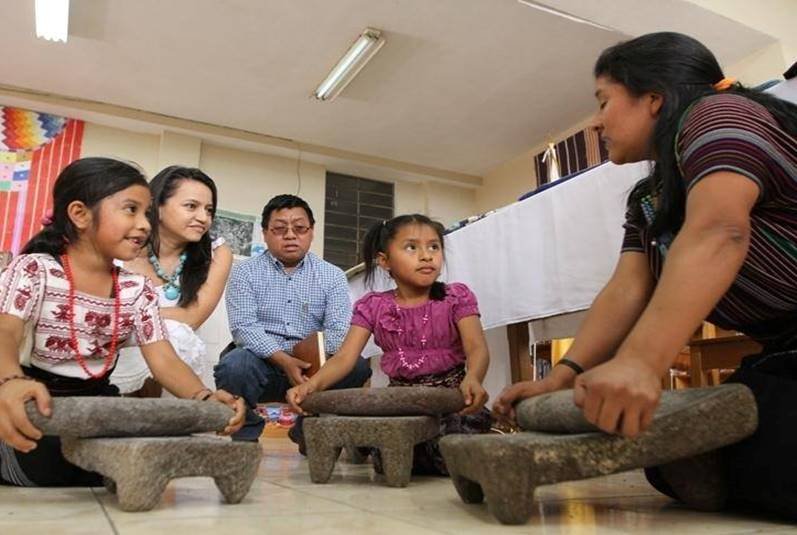
Over than 15 million people in Guatemala, more than half (51,3%) are women, who represent 50,6% of rural population. According to Central Bank of Guatemala, 53.71% population lives in poverty conditions, and of these, approximately 13.33 % in extreme poverty. Poverty is a synonym of social exclusion (precarious access to health and education services, and overall development possibilities), and in rural areas, a gender divide: In Guatemala, poverty has a woman’s face.
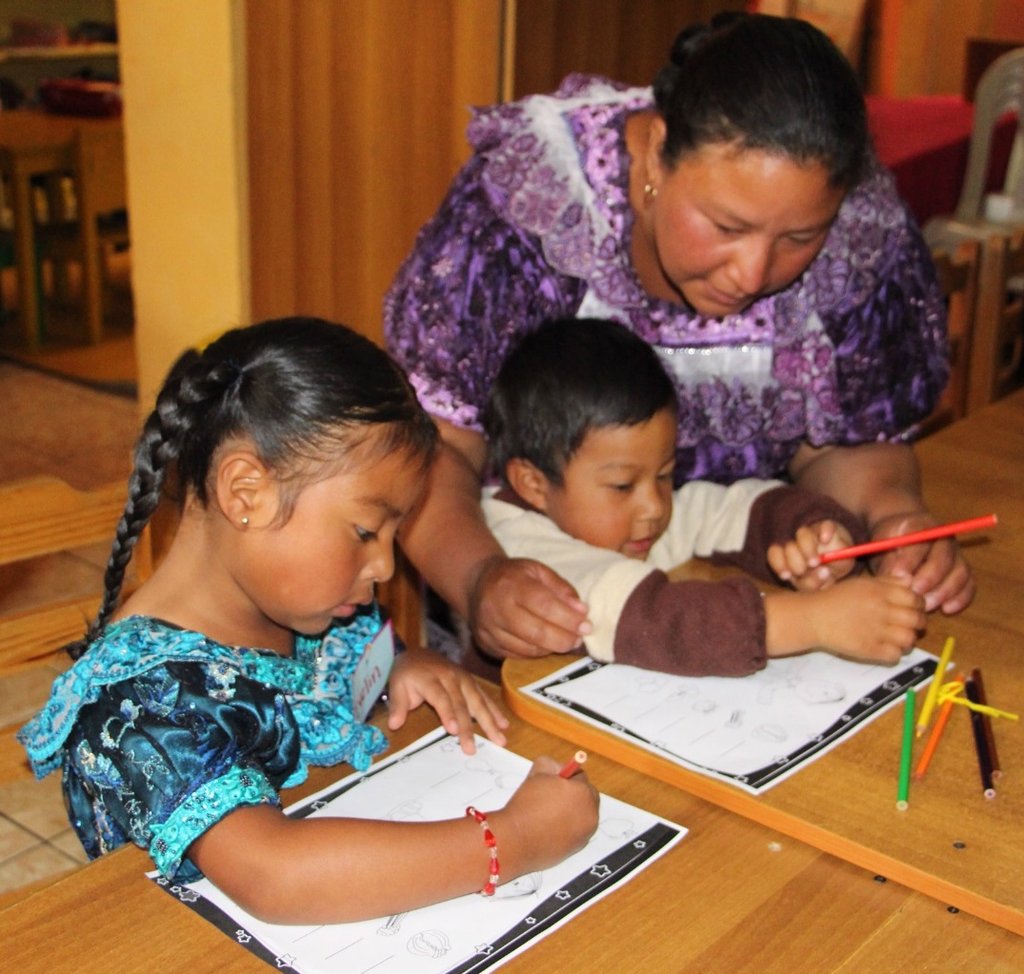
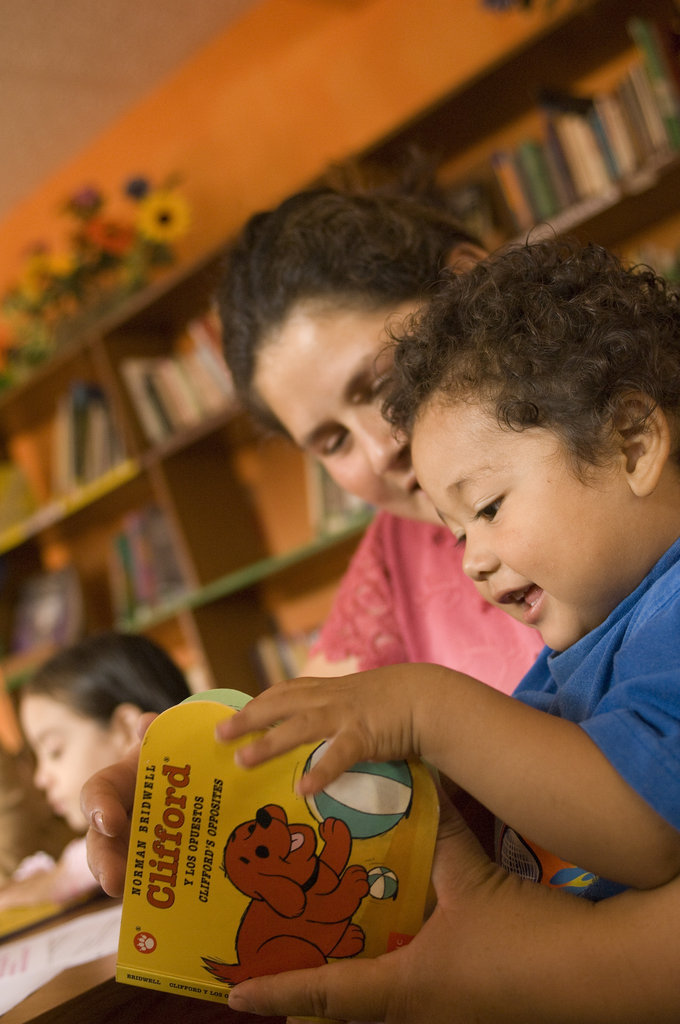
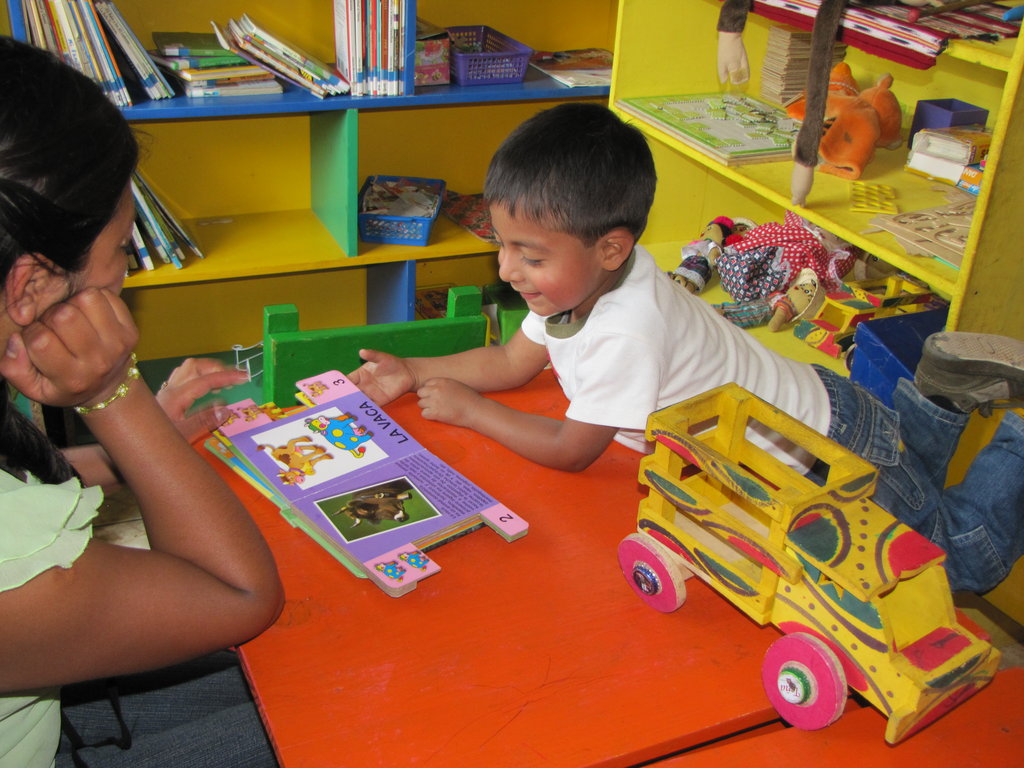
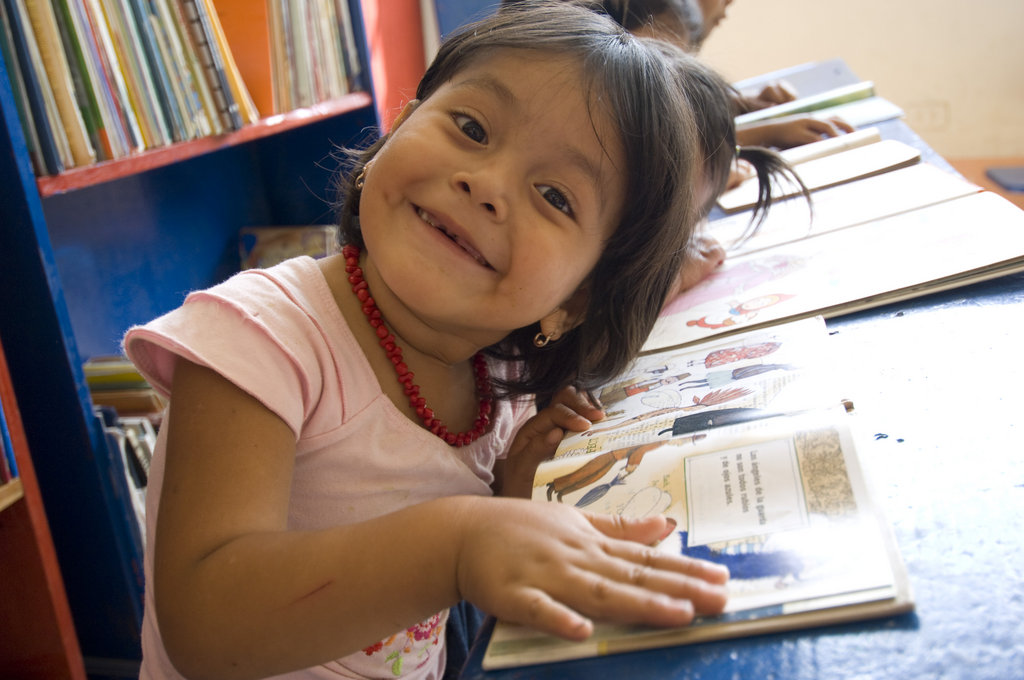
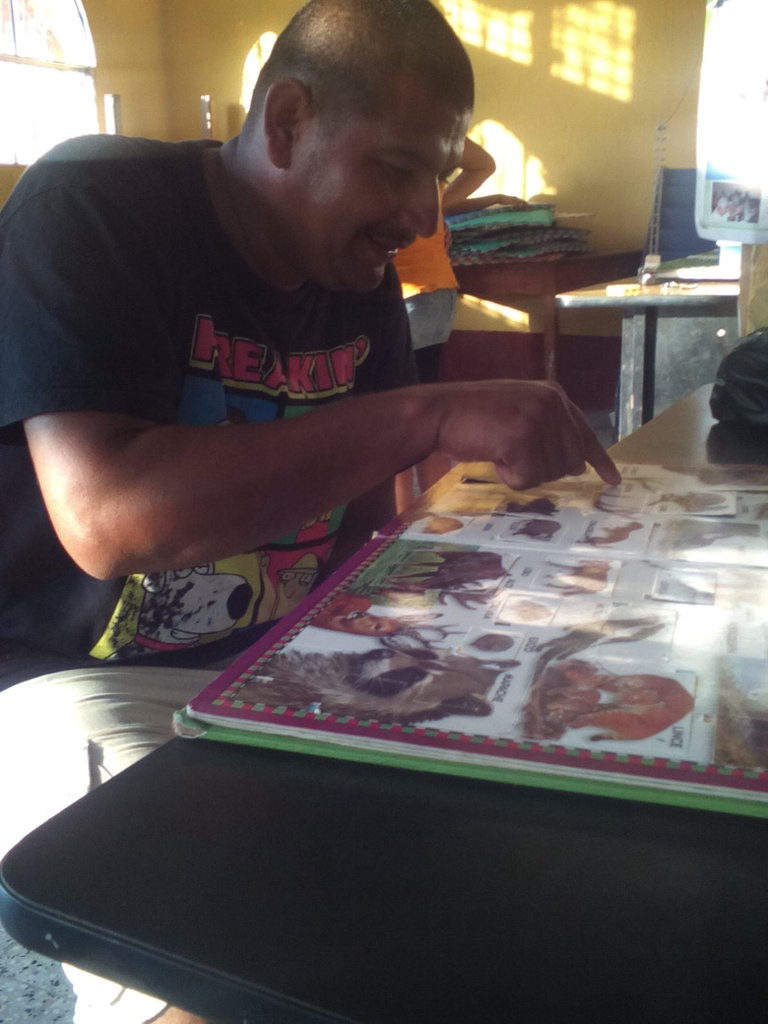
Riecken Community Library Network in Guatemala, through their development and Management Business Services, promote the economic and social equity, especially of rural women. How does it do that?
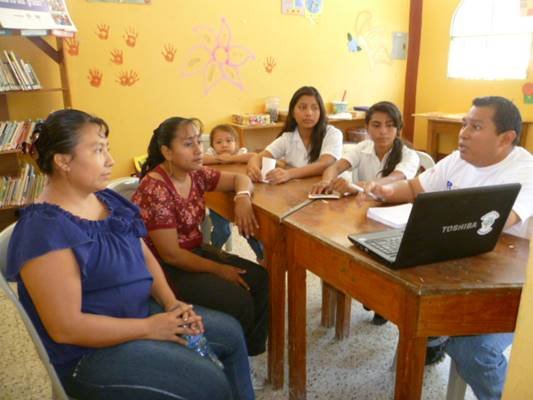
o Libraries promote women’s leadership to learn to organize themselves
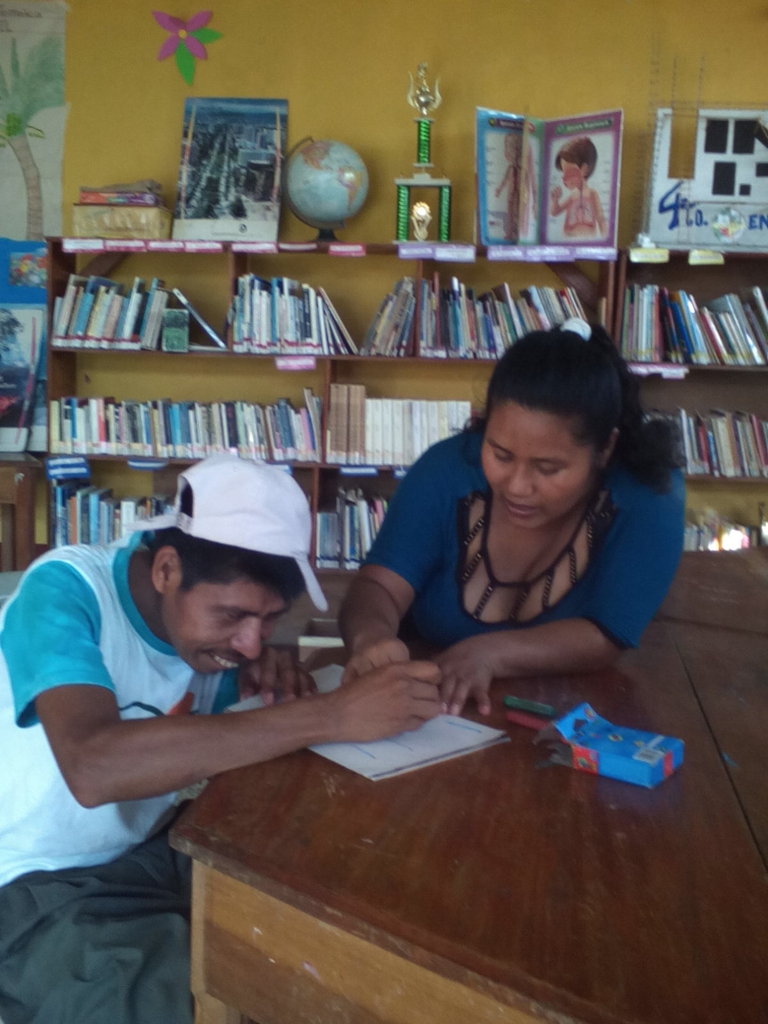
o Libraries train to women in use of internet and access information
o Libraries promote social participation and community entrepreneurship of woman project.
All Riecken Community Libraries offer solutions to the community problems.
Based in data of National Statistical Institute[1], Young people of rural area access to a job before than urban area. In the Economically Active Population (PEA in Spanish), Rural male participation is double than Female (Male: 83.9, Female: 40.6). Almost half of rural homes depend of “Remesas” (migrants send money to their home); 80% of migrants are male son Females become heads of household but decisions depends of male because they provides to the Household Economy. This situation aggravates the relationship of dependency in the decision making process. Same statistical data of PEA, women is an unpaid family worker, so, they have not incomes or free time which they need to improve their studies.
Step by Step, Riecken Libraries in Guatemala are reducing women’s exclusion. We think when women in rural communities strengthen their leadership skills and abilities, and are provided participation and entrepreneurship opportunities at the community level, there will be an increase in positive community development and improvement of quality of life in the communities. When women learn to self-organize and work in a coordinated manner, they increase their community standing. Business projects that they generate will likely be more sustainable and have greater impact, both at the level of income-generation (business centers) and health (early stimulation and nutrition, etc.).
So, Riecken Libraries are promoting the participation and leadership of rural women via community development projects (e.g., business development, political and social initiatives) in rural communities. Our activities addresses the woman in a threefold dimension: as 1) individual, 2) as collective or organized social group, and 3) from their environment, strengthening the sense of belonging to a community. At the individual level, activities are visualized so that women can discover their inner abilities and strengths to help them confront their personal challenges through training in values, analysis, and self-reflection. As an organized social group, training will be oriented to strengthen their organizational and coordination skills, as well as teamwork, delving into values such as tolerance and respect. From the community dimension, the community library will be the institutional platform that accompanies the training process and supports women´s projects. Its purpose is to promote values, aspirations, and skills for women leaders to develop and implement social changes.
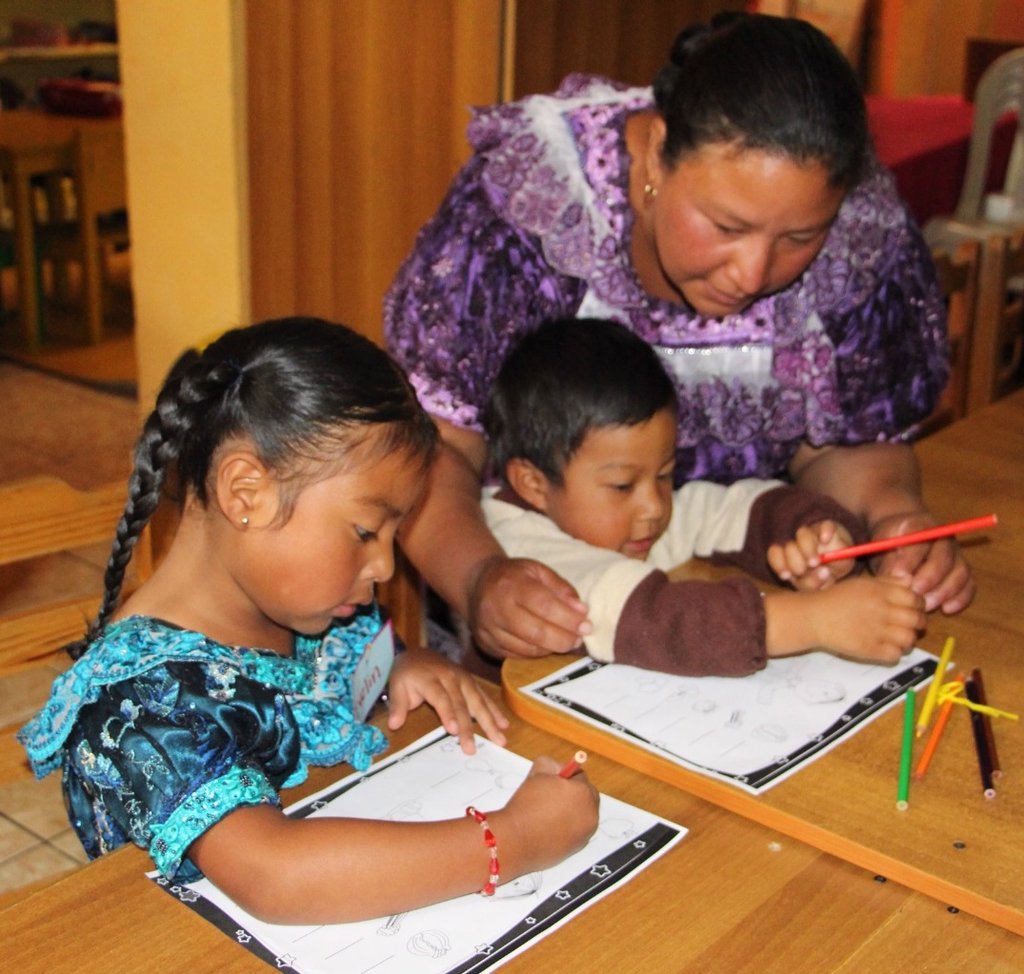
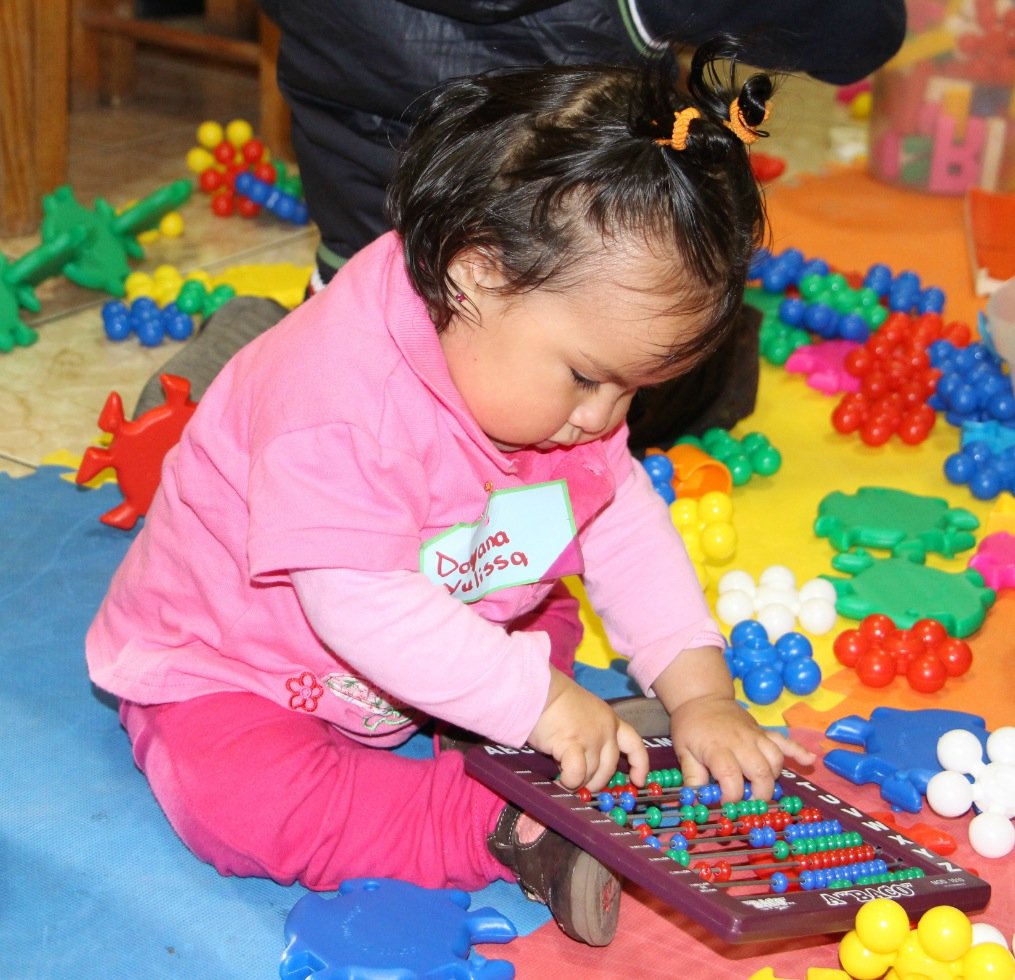
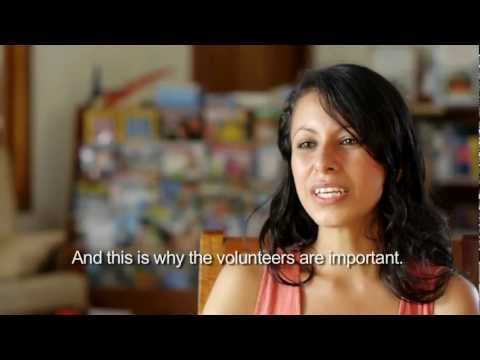
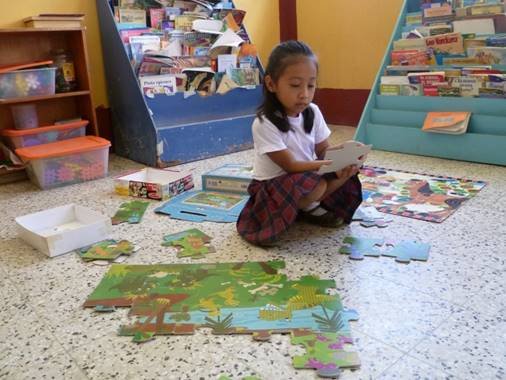
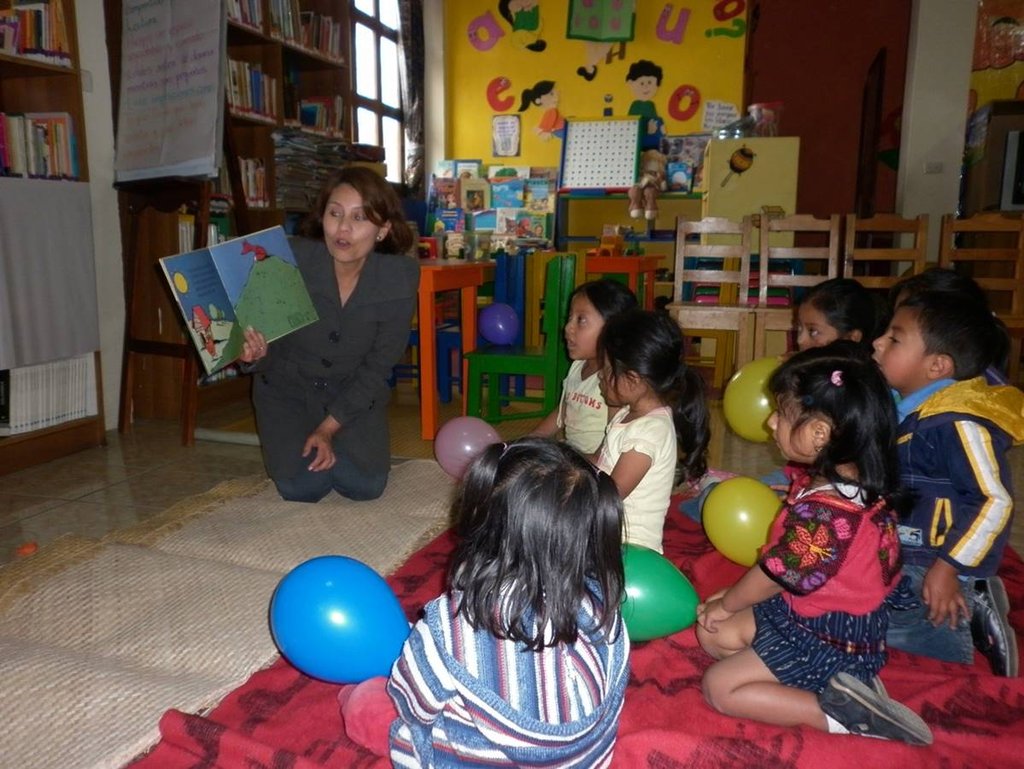
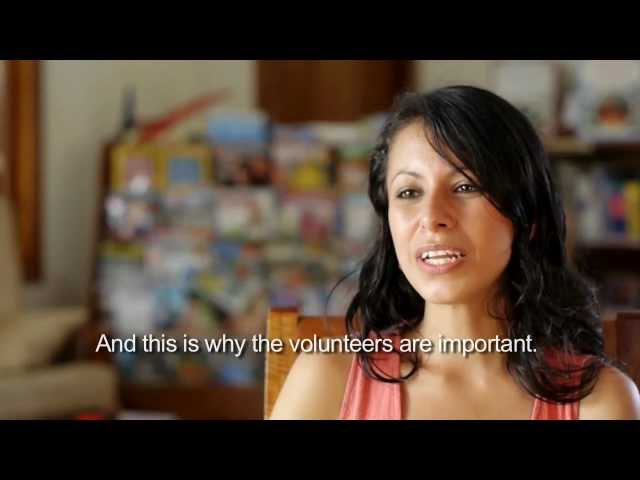
The Riecken Foundation, operating as the Riecken Community Libraries, is a nonprofit organization that manages a network of community libraries that promote social participation and proactive citizenship. Founded in 2000, Riecken’s community library model is entrenched in a philosophy that promotes access to essential knowledge, the development of critical thinking skills, and a commitment to lifelong learning and self-education. Each library is managed by volunteer community leaders. The mission of the Riecken Community Libraries is to promote democracy and prosperity in Central America by awakening a spirit of discovery and social participation.
[1] Tasa de participación: la Población Económicamente Activa (PEA) como proporción de la población en edad de trabajar (PET). (INE, ENEI 1-2013).
Links:
By Paco Alcaide | Regional Director
Project reports on GlobalGiving are posted directly to globalgiving.org by Project Leaders as they are completed, generally every 3-4 months. To protect the integrity of these documents, GlobalGiving does not alter them; therefore you may find some language or formatting issues.
If you donate to this project or have donated to this project, you can receive an email when this project posts a report. You can also subscribe for reports without donating.
Support this important cause by creating a personalized fundraising page.
Start a Fundraiser