By Kimberly Laney | Resource Development Officer
Today, International Medical Corps is participating in GlobalGiving’s Pro-Rated Bonus Day. Give to our project any time between 9:00 AM EST and 11:59 PM EST, and GlobalGiving will add extra funds to make your donation go even further. Your donation and the extra funds will go towards reaching those affected by the 2015 earthquake and aftershocks in Nepal. Read our latest update below to learn more about the current situation and our water and sanitation interventions.
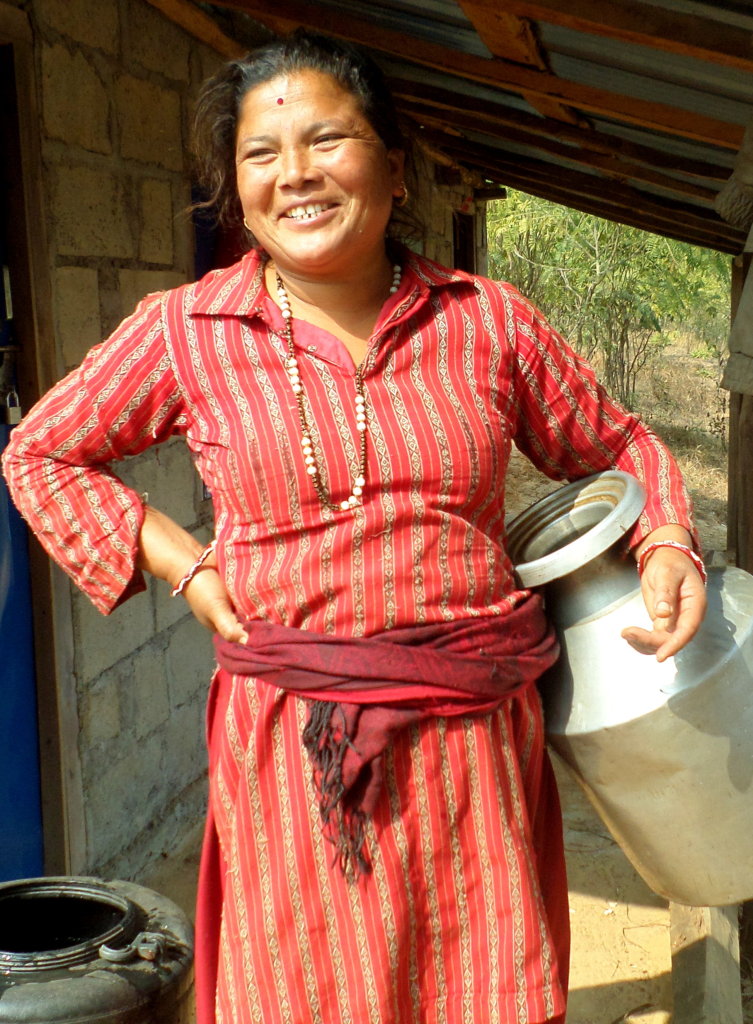
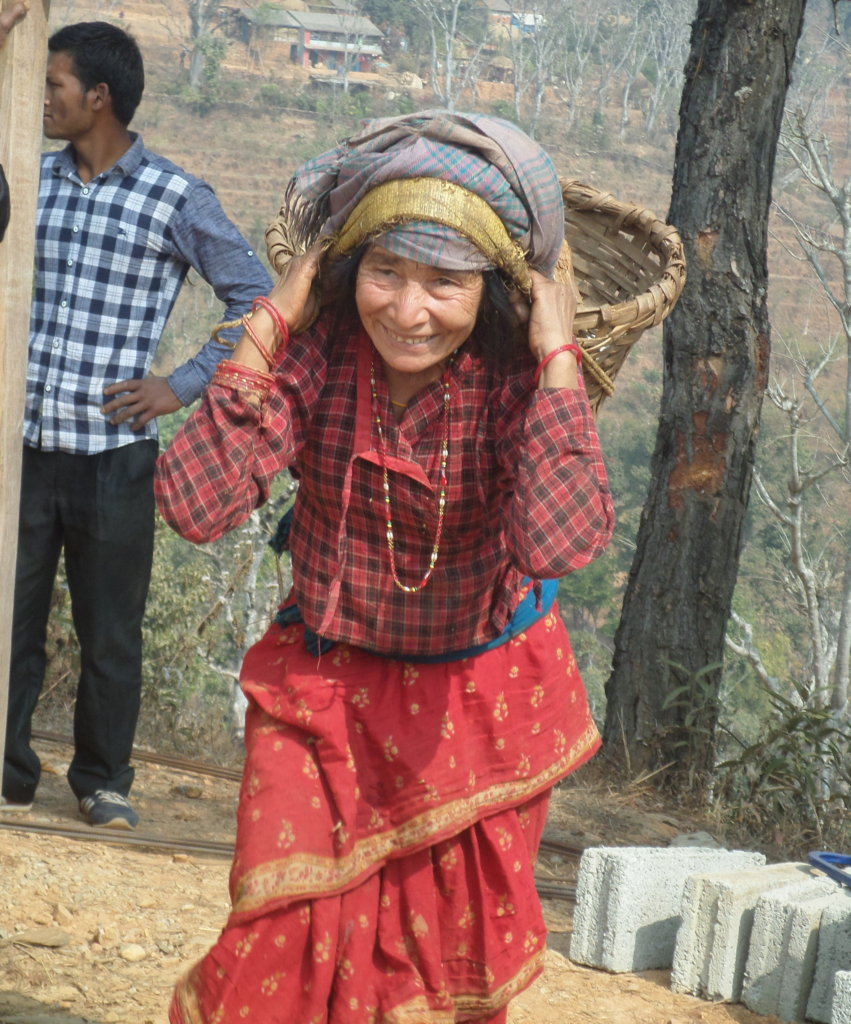
“I don’t know how to read or write, but I know how important it is to know how to build a toilet. Even my son is doing masonry work here,” says Ganga, a female community member living in the district of Dhading in Nepal.
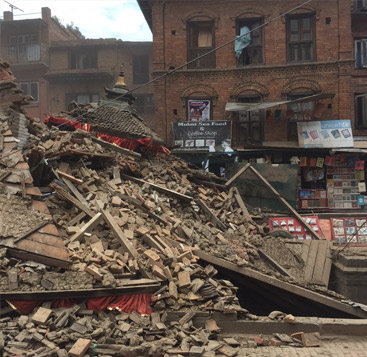
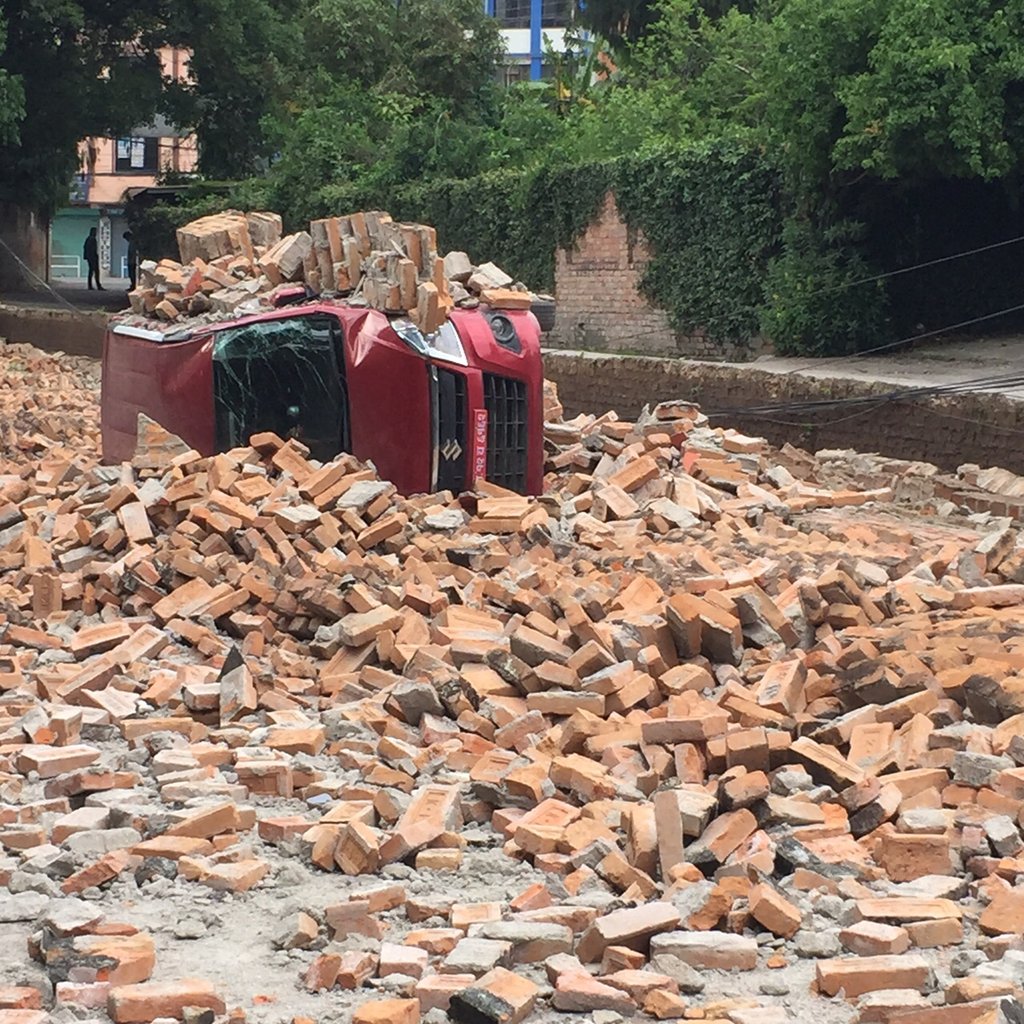
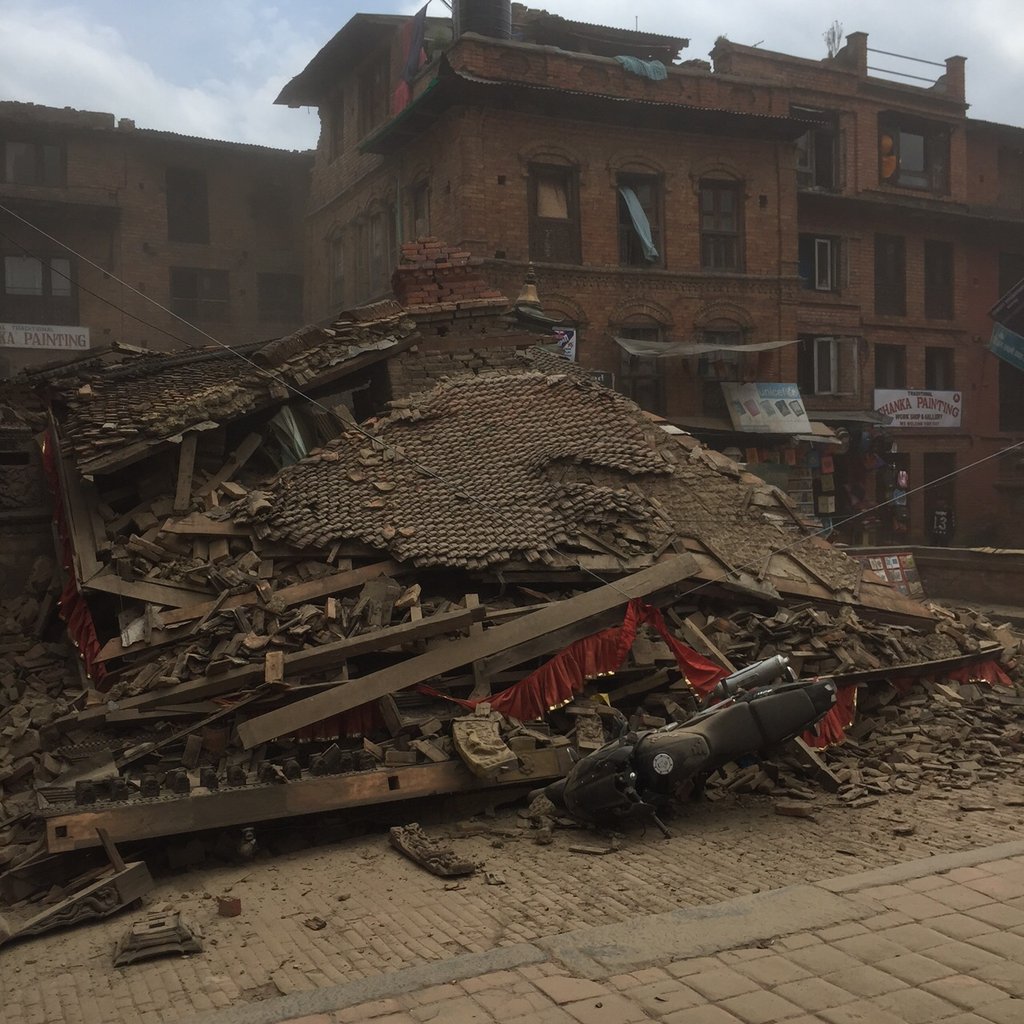
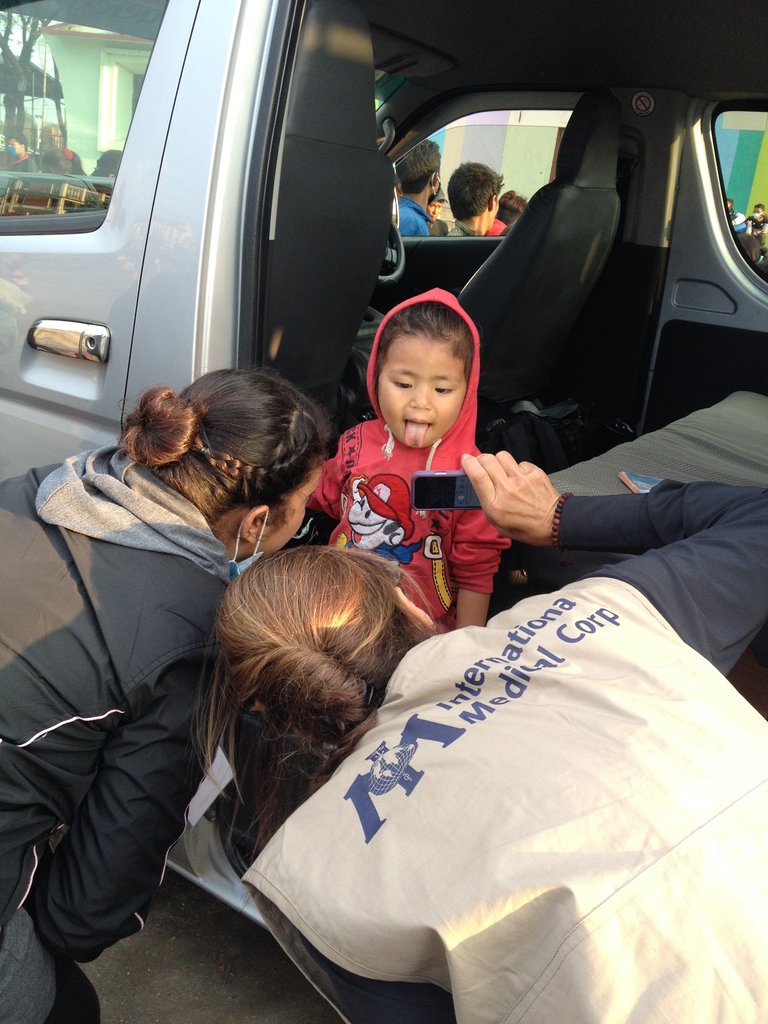
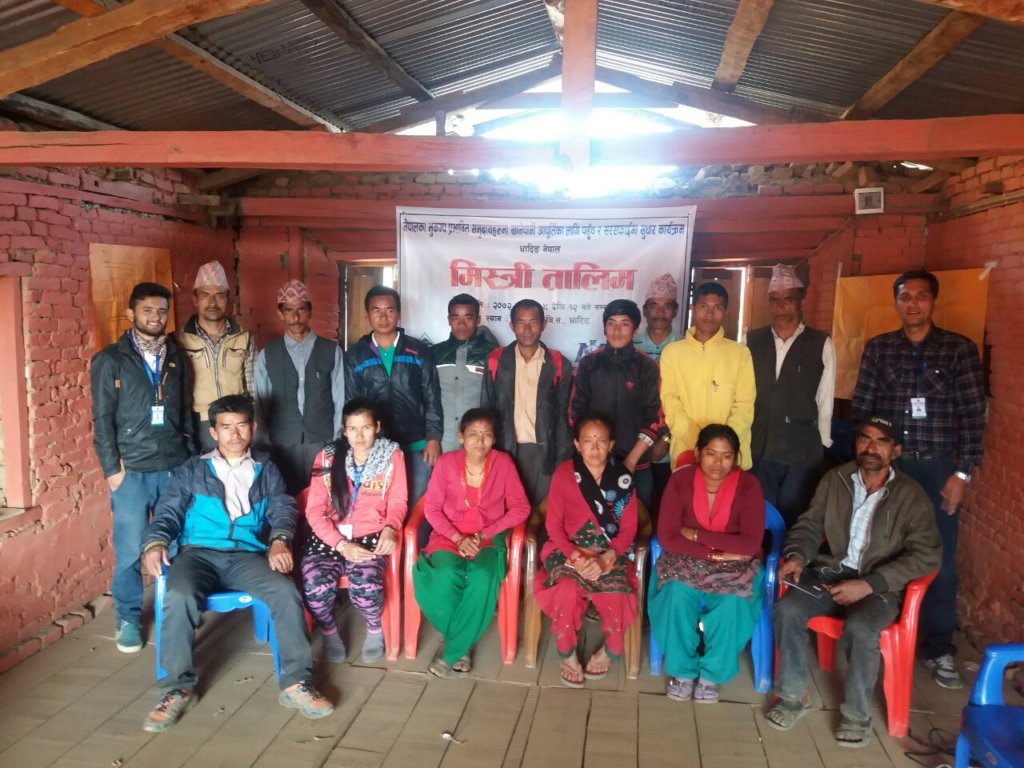
Nearly one year since Nepal’s devastating April 25th earthquake, International Medical Corps continues to reach both those affected by the quake and those seeking access to quality health services to meet basic and significant needs. In the sector of water and sanitation, International Medical Corps is training masons to build safer, quality latrines and build back better in their local communities. Sanitation is a key post-disaster intervention. Without it, poor health can unnecessarily overcome people struggling to recover economically and materially. Lack of proper sanitation increases their risk for diseases like diarrhea, which can lead to dehydration, malnutrition, increased vulnerability to other diseases, and in some cases, death.
In the district of Dhading, a bumpy three-hour ride from Kathmandu, International Medical Corps is working with a local partner, ACTION Nepal, to develop strong relationships and trust within the communities in order to communicate the importance of proper sanitation and hygiene. Teams are also training local masons and supporting infrastructure, including building and repairing latrines. Throughout five villages in the earthquake-affected district of Dhading, our teams have trained more than 168 masons, including 16 women. The acquired skills and tools not only lead to improved community health, but are also new sources of income that help the trained masons provide for themselves and their families. International Medical Corps plans to work with community members to construct more than 2,000 latrines moving forward.
While many individuals in these communities remain traumatized from the losses they suffered in the earthquake and aftershocks and fearful about the uncertain future, they illustrate great resilience as they learn to help guarantee community health by improving sanitation.
“If I had built the latrine my own way before the training, I would have built a very unsafe and unhealthy toilet. But I have learned many things from this training and now I can build a sustainable toilet by myself,” observes Min Bahadur.
The new skills and proper practices will remain in the communities long after International Medical Corps departs, not only reducing the risk of diseases related to poor sanitation, but also creating resilience in the face of future disasters.
International Medical Corps thanks you and the GlobalGiving community as we continue to work with masons and community members like Ganga and Min Bahadur, providing a healthy and safe environment for those affected by the devastating earthquake.
Project reports on GlobalGiving are posted directly to globalgiving.org by Project Leaders as they are completed, generally every 3-4 months. To protect the integrity of these documents, GlobalGiving does not alter them; therefore you may find some language or formatting issues.
If you donate to this project or have donated to this project, you can receive an email when this project posts a report. You can also subscribe for reports without donating.