By Lori Brister | Resource Development Officer
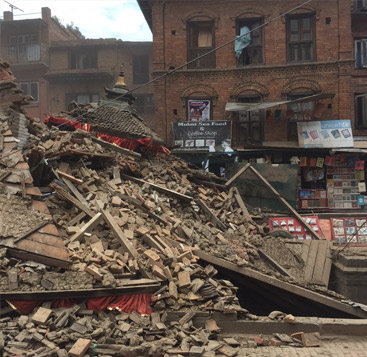
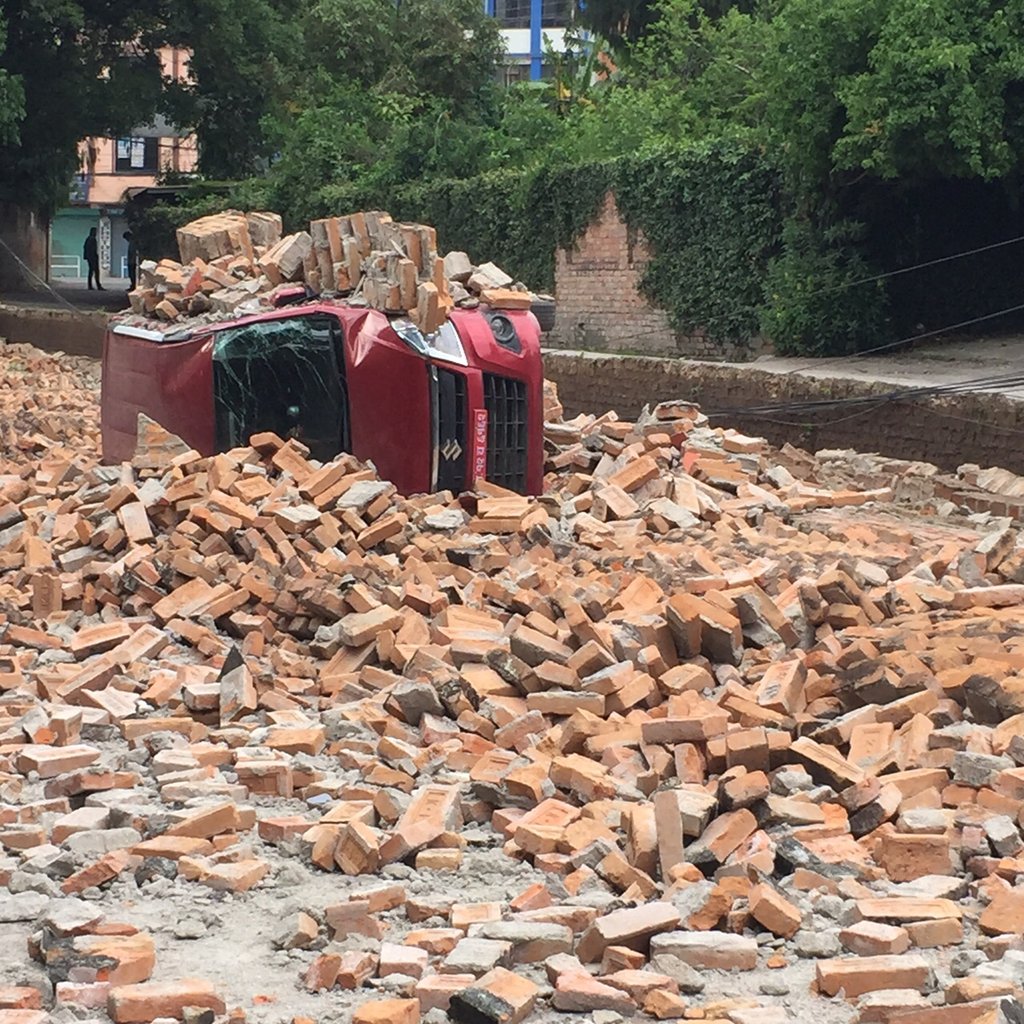
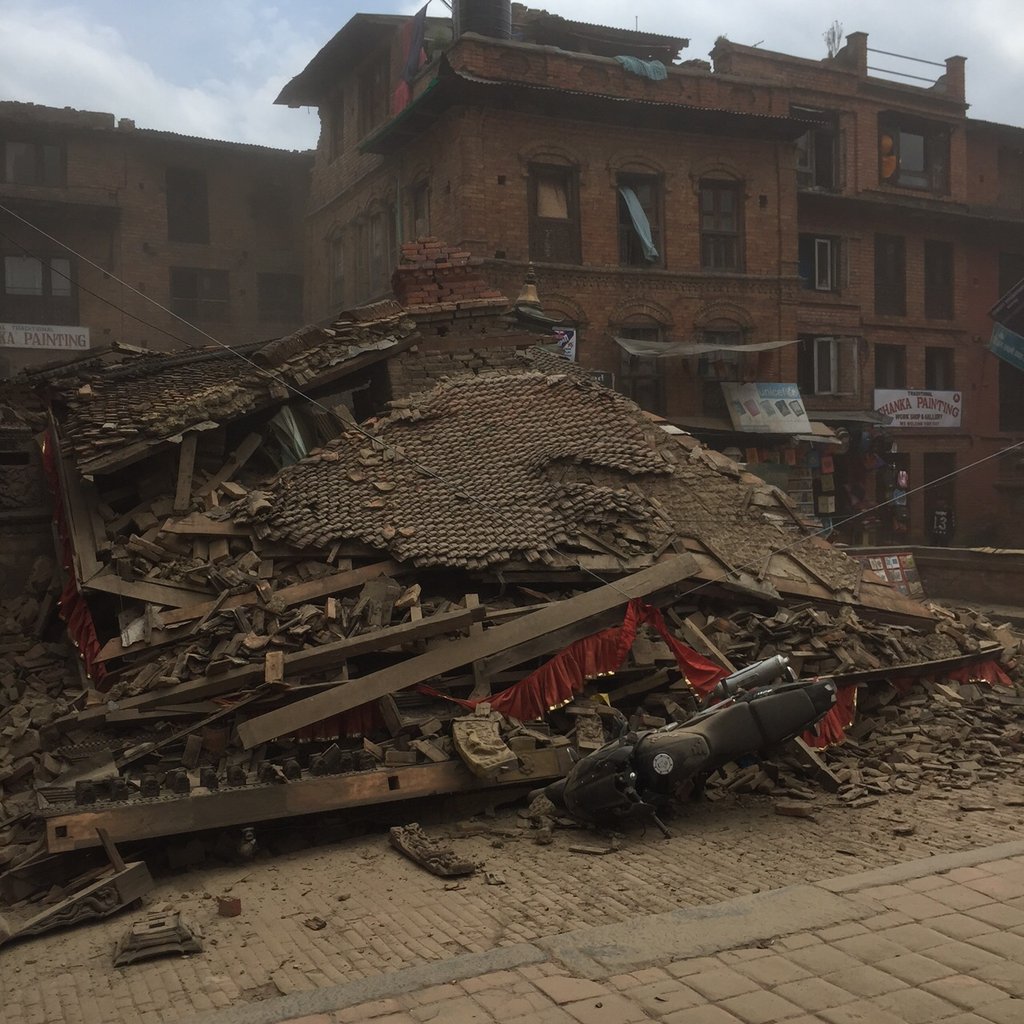
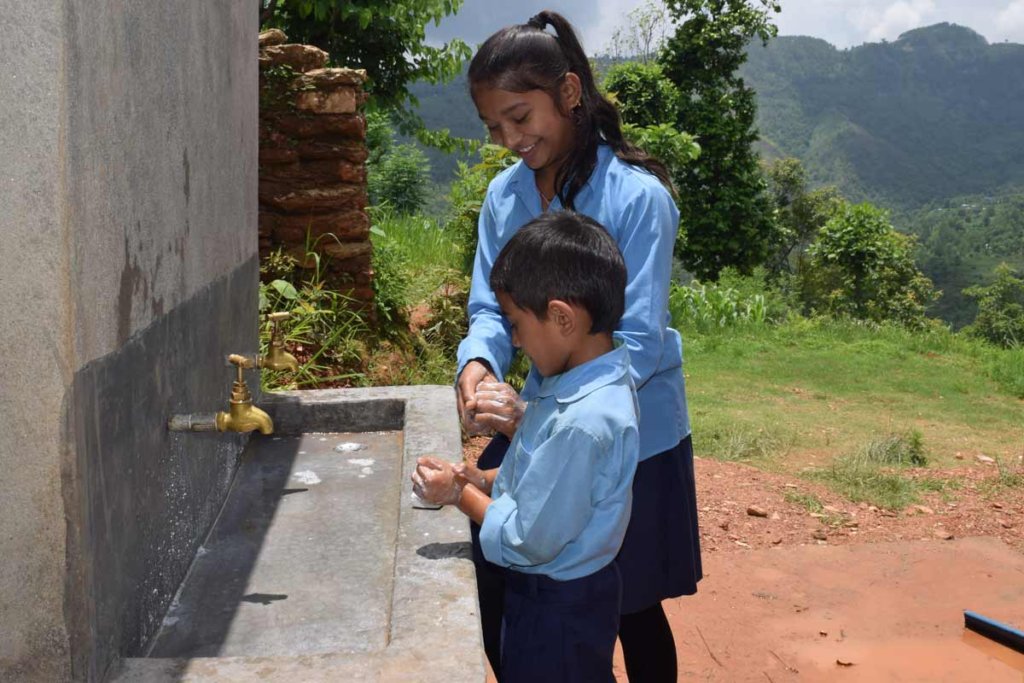
Aashika and her best friend Anjuta attend school with some 300 other students, tucked into the hillside of rural Dhading region of Nepal, a few hour’s walk from the nearest town. They seem just like any other six year-old friends anywhere in the world, clasping hands wherever they go. Although they are still very young, the little girls have already experienced one of the worst natural disasters to ever strike their country. After the 2015 earthquake, their water supply was contaminated, and the nearest community with clean water was inaccessible due to landslides and damaged roads. Without clean water to drink or bathe with, Aashika and Anjuta could suffer from dehydration or risk disease and infection caused by contaminated water.
Dhading is a beautiful region of Nepal, which comes alive with lush greenery during the monsoon season, when drenching showers saturate the countryside and fill the area’s streams and rivers. But even though the land is saturated, with the devastation from the earthquake, the people of Dhading lack much of what they need for safe drinking water, including water access points, piping and reservoir tanks, and the knowledge of water management necessary to provide reliable, clean water year-round. Areas of Dhading were not alone – some 1.1 million people in Nepal were left without long-term access to protecting water sources.
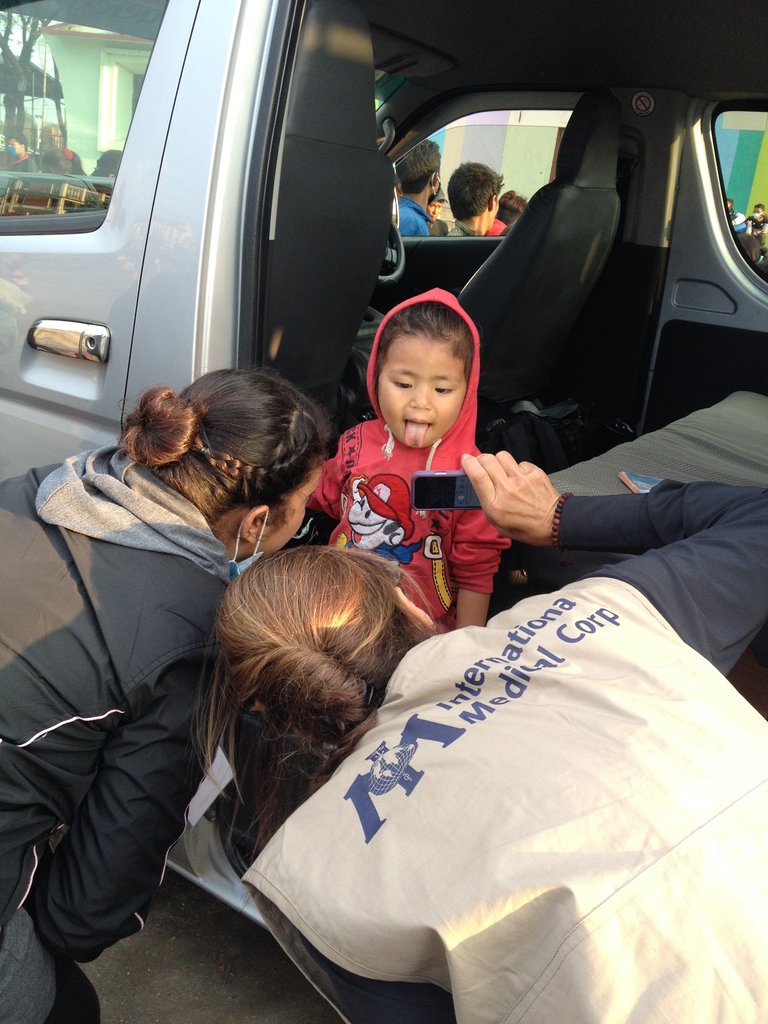
With help from local partners, International Medical Corps has brought new water, sanitation, and hygiene facilities and associated learning programs to communities and local schools. For example, in Aashika and Anjuta’s community, our teams identified a local, untapped spring and built intake and filter systems, plus a reservoir storage tank capable of holding up to 6,500 liters of water. This new source now provides a direct supply of clean water to over 30 households and nearly 200 people.
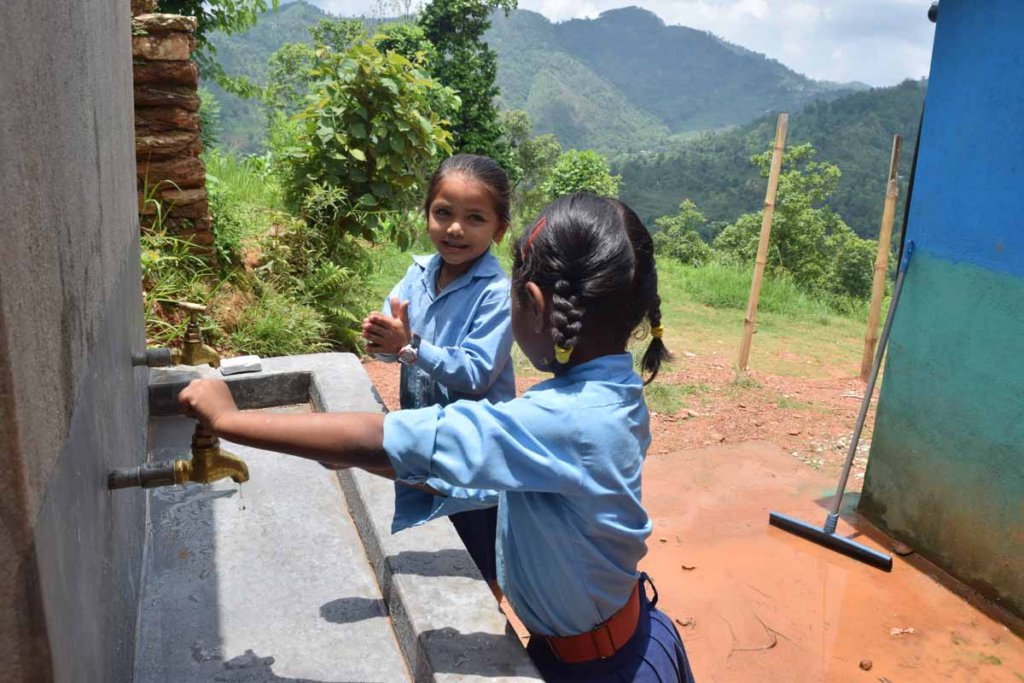
Most popular with Aashika, Anjuta, and their classmates at their school in Muralibhanjyang area is the new hand-washing station, which conveniently stands 27 inches high, a height that offers easy access for all students. “The new hand-washing place is better than the old one,” Aashika said as she reaches for the soap. Anjuta, humming a tune she learned at school as she washes her hands, explains, “We always use this song to help us remember all six steps,” referring to one of several child-friendly tools used to instill lifelong habits of proper hygiene practices in students.
In addition to providing hand-washing stations and lessons on their use, International Medical Corps is promoting a wider cleanliness and proper water-use campaign, in which student clubs take the lead in creating a hygienically clean, environmentally minded school. Students are learning to manage physical waste by segregating it into bio- and non-biodegradable bins. They are also learning how to manage waste water, using it to care for plants grown in the school’s garden. The produce is then sold to local communities. Our teams are installing new latrines to replace the existing dilapidated, unsanitary facilities, while student clubs help set—and then manage—latrine cleaning schedules and classroom cleanup days.
International Medical Corps’ school program is not just about clean hands, it is about a clean environment and lifestyle. The principal of the school has been pleasantly surprised by the change in student attitudes and the eagerness with which they have embraced their new responsibilities. “The students themselves have taken ownership,” he says. “They’ve become incredibly concerned about hygiene and water use. We have five and six year-olds immediately informing their teachers when soap runs out, and 10 and 12 year-olds eager to arrange cleaning duties. The level of self-management they’ve shown is impressive.”
The Dhading region is home to just a handful of the over 100,000 people, like Aashika and Anjuta, who benefit from similar International Medical Corps water, sanitation, and hygiene programs in Nepal. We thank the GlobalGiving community and other donors for their critical support to help the people of Nepal on their journey from relief to self-reliance.
Project reports on GlobalGiving are posted directly to globalgiving.org by Project Leaders as they are completed, generally every 3-4 months. To protect the integrity of these documents, GlobalGiving does not alter them; therefore you may find some language or formatting issues.
If you donate to this project or have donated to this project, you can receive an email when this project posts a report. You can also subscribe for reports without donating.