By Lori Brister | Resource Development Officer
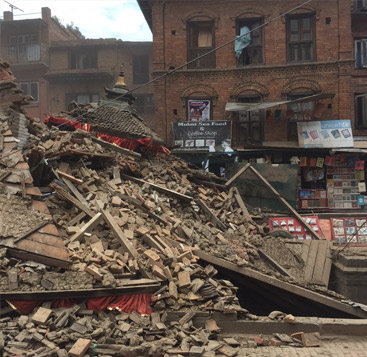
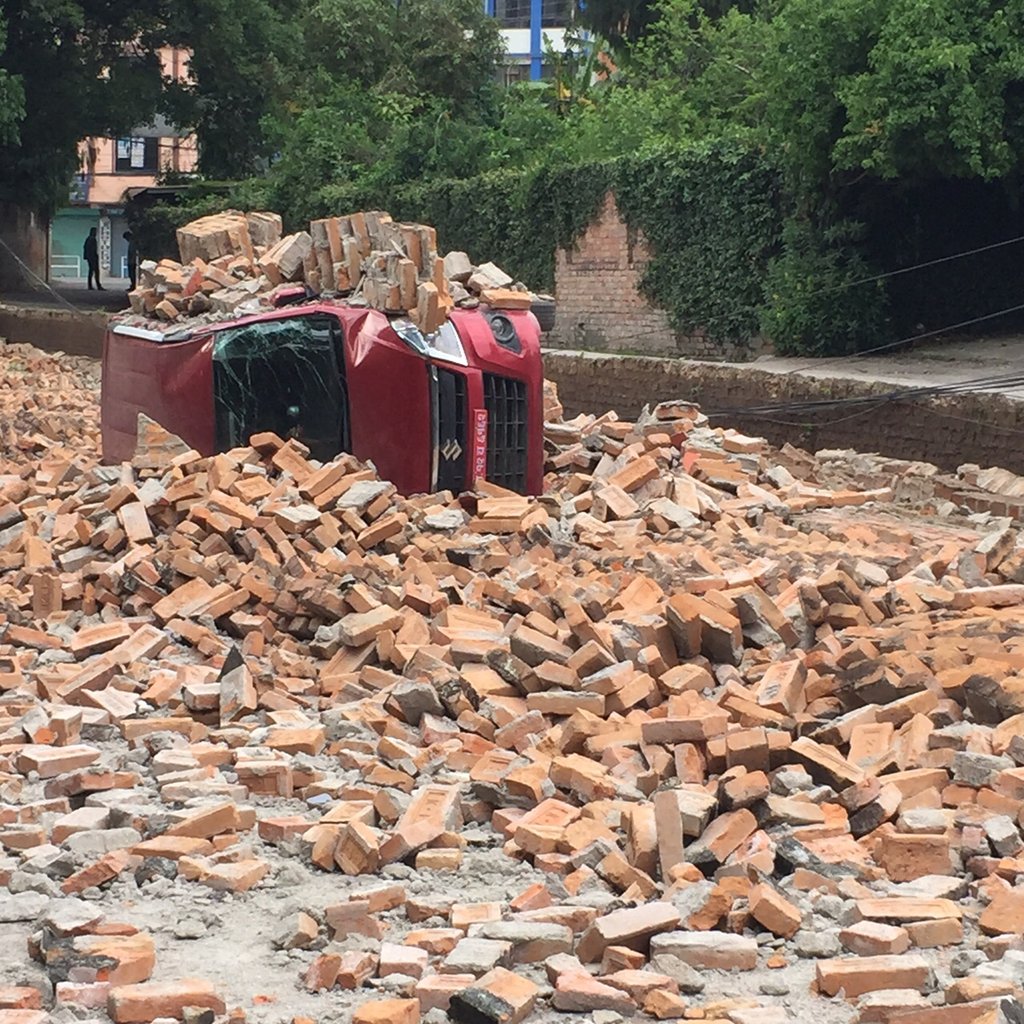
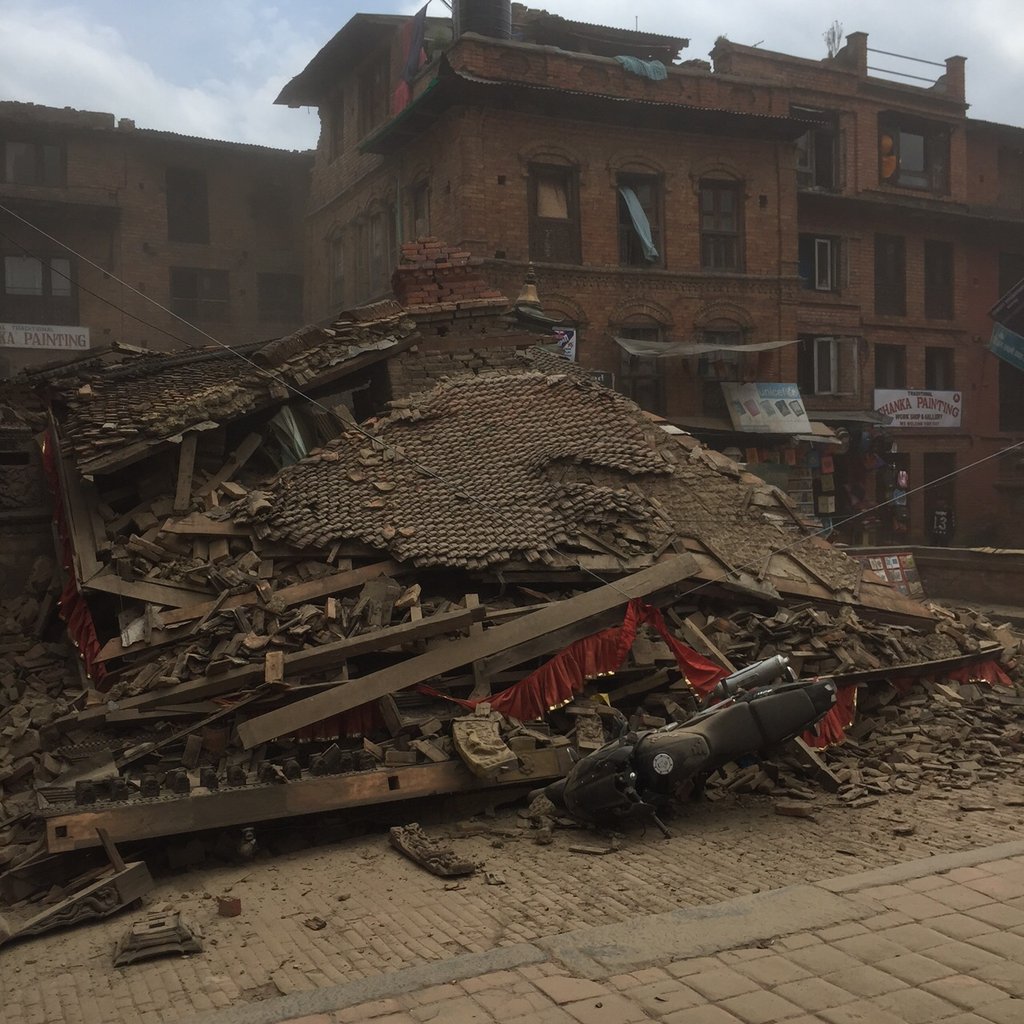
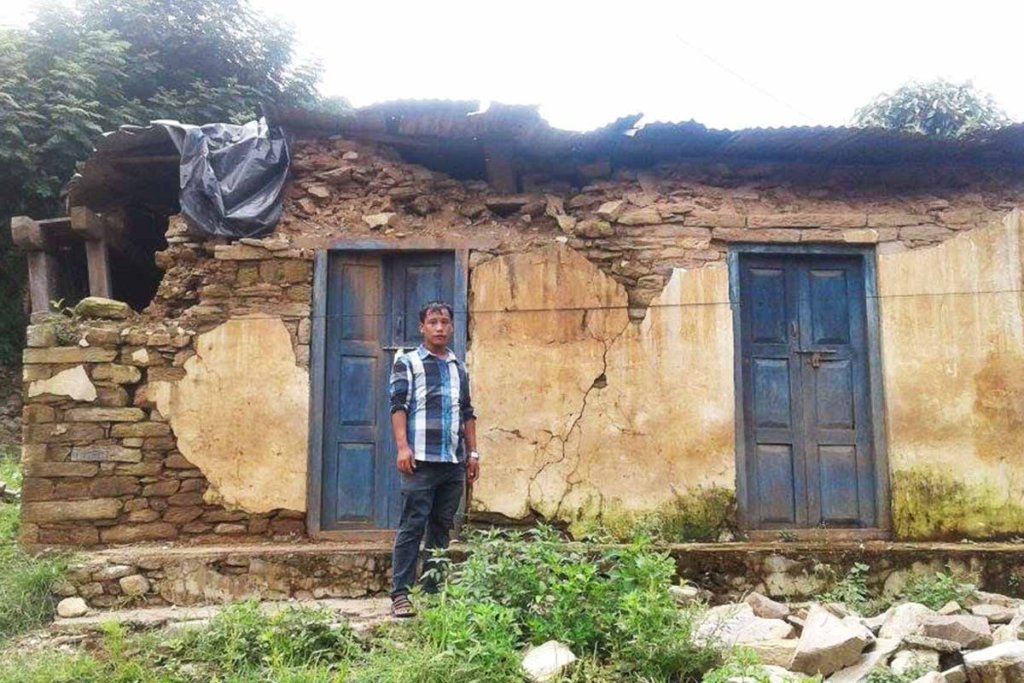
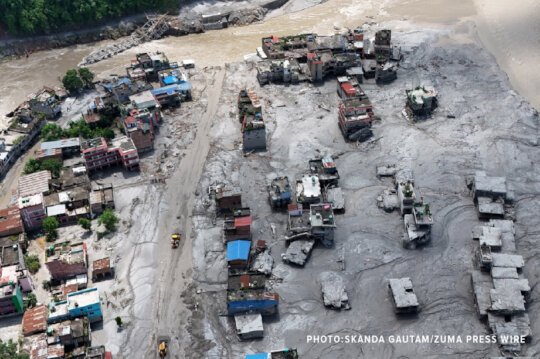
On April 25th, 2015, Shambu boarded an early morning bus to attend a training in Kathmandu, Nepal. He remembers the moment the ground started shaking, how the bus came to a halt, and how all the passengers were screaming and crying. When the earthquake stopped, he tried to get back to his village, Mulpani, but the destruction made travel almost impossible. Then Shambu received a message from a friend that his home had collapsed and that much of the village was levelled. When he finally made it back home, he saw people crying and digging in the rubble for loved ones. He started to do the same, and with his neighbors, they found the bodies of Shambu’s wife, son, and nephew.
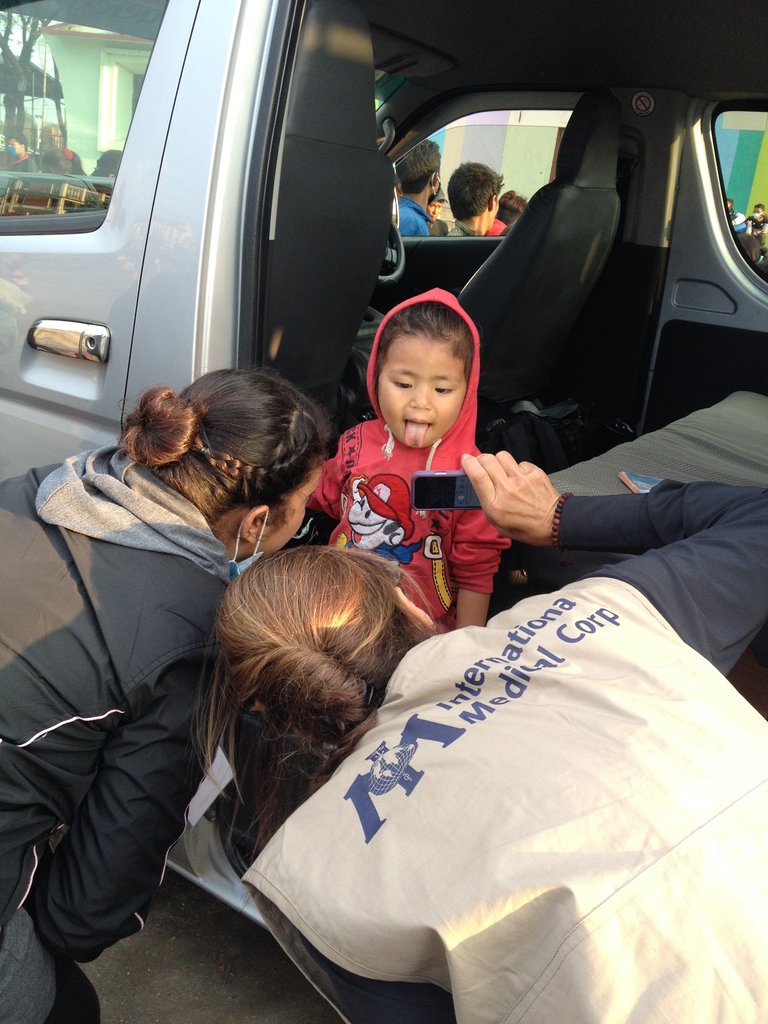
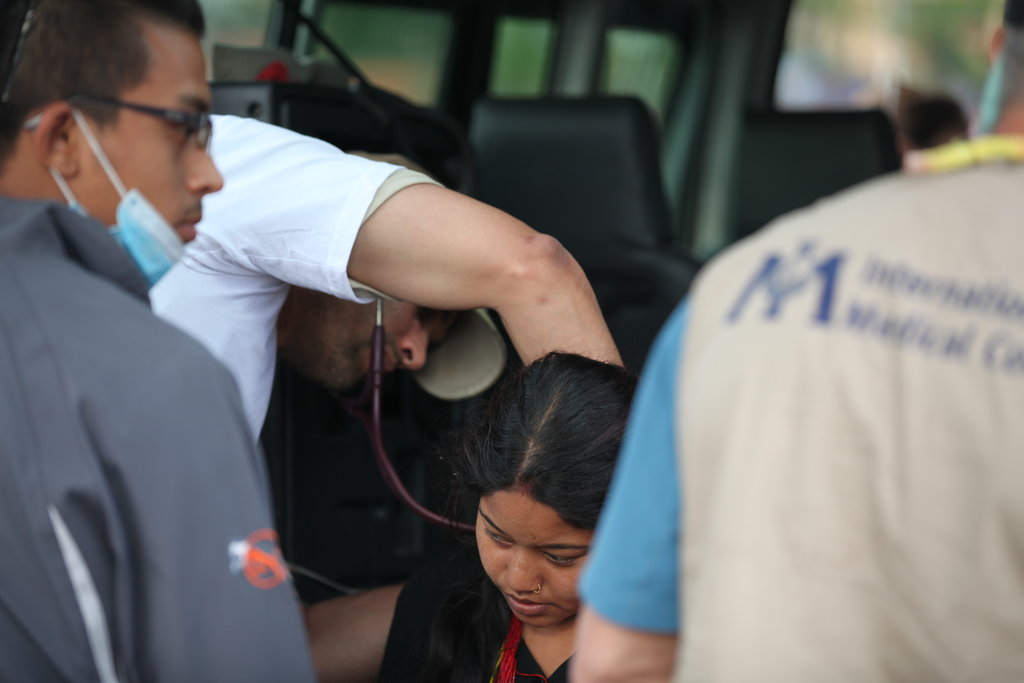
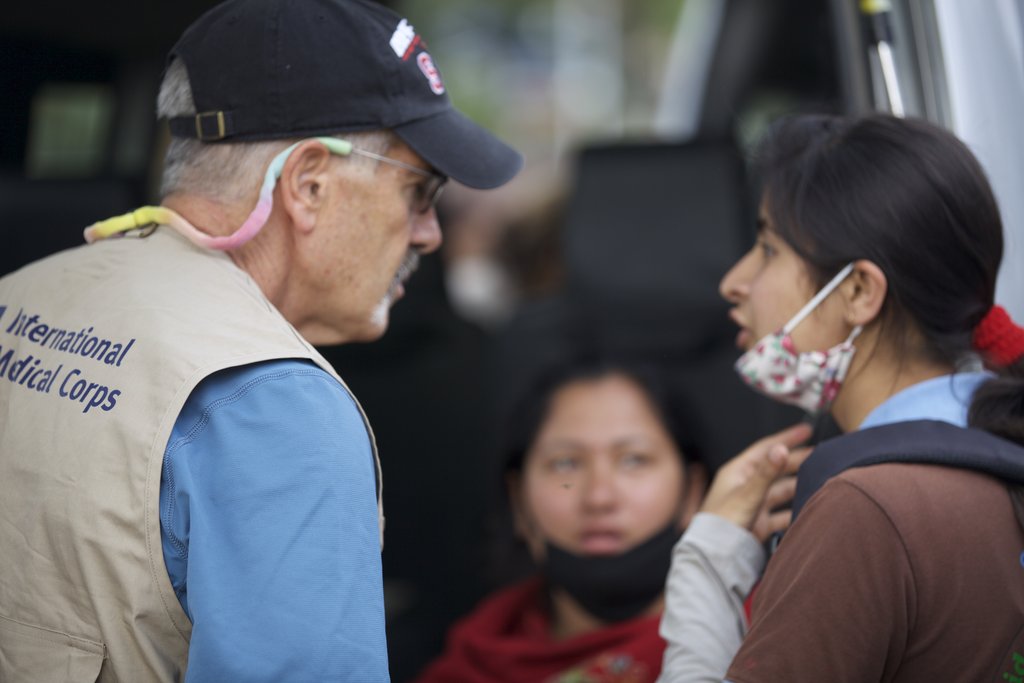
The 7.8 magnitude earthquake was one of the strongest to ever strike Nepal, and over 350 aftershocks of 4.0 magnitude or higher continued to rock the country for weeks, including a major 6.3 earthquake on May 12th. Some 8,000,000 people were affected, and 1,147 health facilities were destroyed or damaged. Within hours, International Medical Corps’ Emergency Response Team was on the ground, and in the weeks that followed, we provided 4,547 health consultations. Our mobile medical units traveled by foot, car, donkey and even helicopter to reach 27 remote villages.
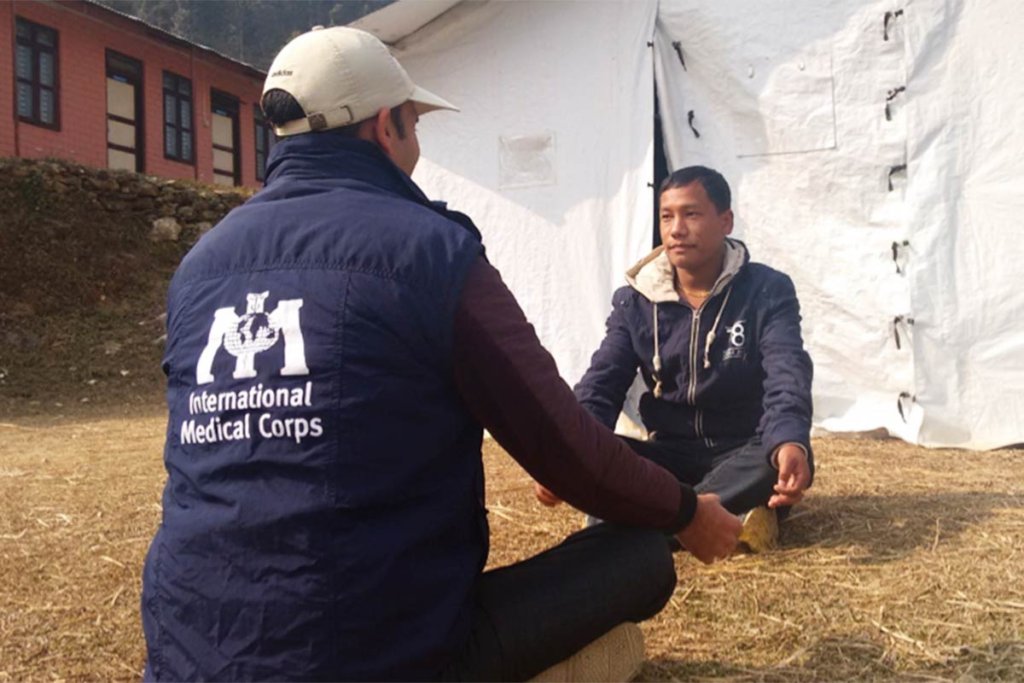
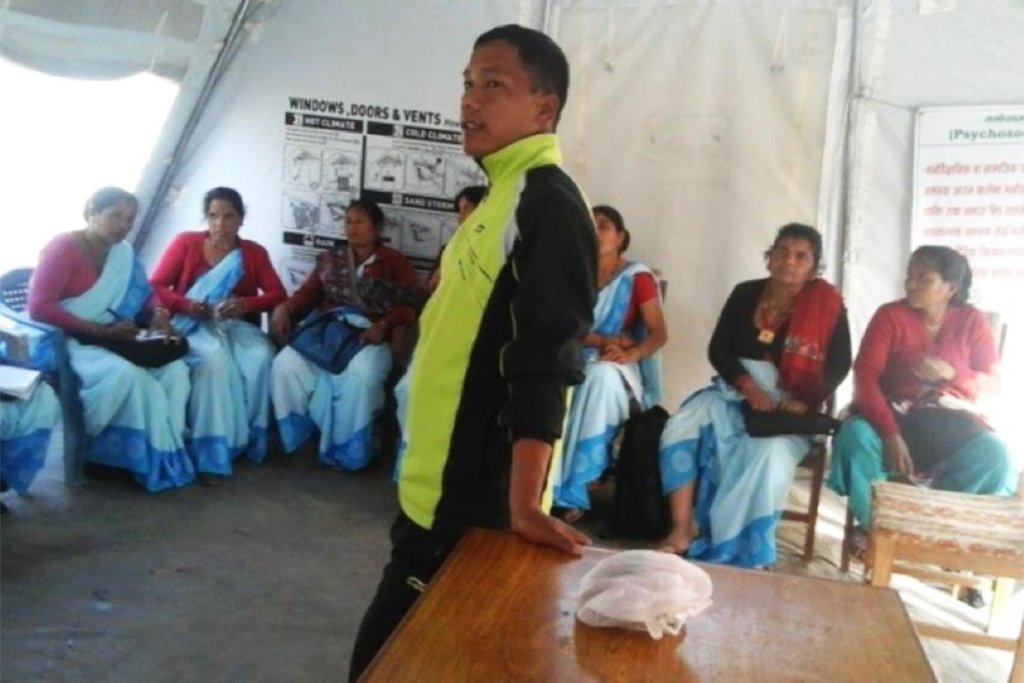
The day after the earthquake, Shambu and his neighbors buried his family, along with the 19 other residents lost in the earthquake, and then he started working to help his village recover. Shambu knew first-hand about the struggle with grief and psychological pain following the disaster, so he volunteered as a community psychosocial worker. Along with our implementing partners in Nepal, our teams have provided mental health and psychosocial support services to 2,881 Nepali men and women, and more than 9,300 people participated in psychosocial activities to improve well-being. Our teams also provided 78 health facilities with psychotropic medications and integrated mental health services to help the people of Nepal recover from the long-lasting effects of the earthquake.
Nearly two years since the earthquake, Shambu continues to experience overwhelming feelings of loneliness, and he has nightmares about his wife and son, but his formal training and experience as a community psychosocial worker help him get through the hard times. He has learned valuable coping methods, and he realizes the contributions that he’s making to his community’s recovery.
International Medical Corps would like to thank the GlobalGiving community for your continued support of the people of Nepal.
Project reports on GlobalGiving are posted directly to globalgiving.org by Project Leaders as they are completed, generally every 3-4 months. To protect the integrity of these documents, GlobalGiving does not alter them; therefore you may find some language or formatting issues.
If you donate to this project or have donated to this project, you can receive an email when this project posts a report. You can also subscribe for reports without donating.