By Savannah Paolillo | Donor Services
The United Nations' second Sustainable Development Goal aims to end global hunger by 2030. With less than five years to go, urgent action is needed to ensure everyone can access the food they need to survive and thrive. The International Rescue Committee (IRC) is responding by delivering nutrition services in 21 countries.
What is hunger?
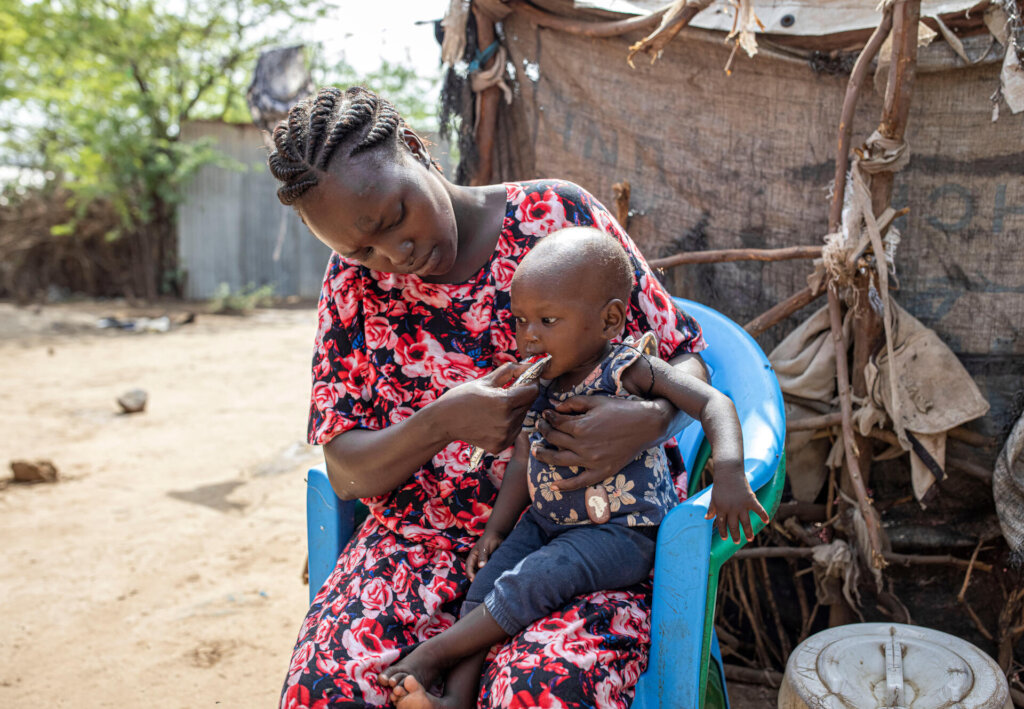
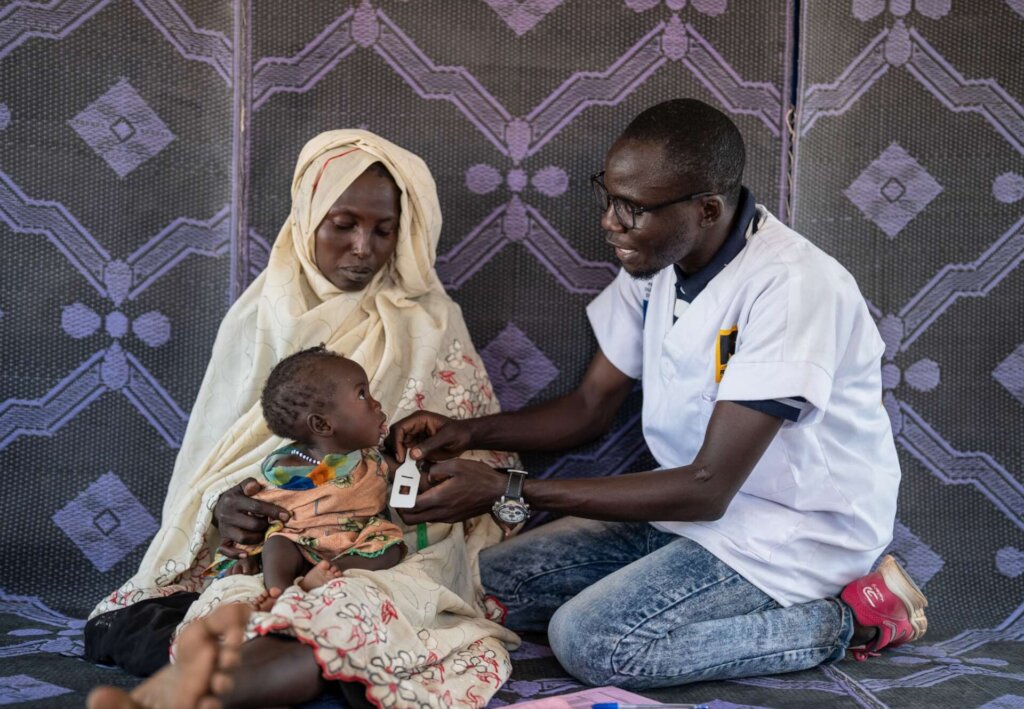
Hunger means not having enough food to meet daily energy and nutritional needs. Over time, this can lead to acute malnutrition—a serious and potentially life-threatening condition, especially for young children. Without proper nutrition, a child’s growth, development and immune system can be permanently damaged.
1. One in 11 people in the world go hungry
Global hunger has declined significantly since the 1970s, when roughly one in four people experienced hunger. But the crisis is far from over: Today, one in 11 people—over 700 million people globally—still face hunger. In places like Sudan, Gaza and Yemen, people are experiencing extreme food shortages and acute malnutrition. When hunger becomes widespread, entire regions can quickly fall into famine.
2. Half of all child deaths are caused by malnutrition
Malnutrition is the leading cause of child mortality worldwide. Every year, up to two million children lose their lives to acute malnutrition. That’s one child every 15 seconds. Even those who survive face lifelong consequences. Malnutrition can cause permanent damage to brain development and weaken the immune system, leaving children more vulnerable to disease. Join the IRC in fighting for a world where no child goes hungry.
3. U.S. aid cuts are putting lives at risk
U.S. aid cuts are jeopardizing malnutrition treatment programs around the world, forcing many to scale back or close in communities where humanitarian aid is often the only source of support. The consequences are especially severe for children suffering from the most severe forms of malnutrition. The IRC treats these children in ICU-like settings where even a momentary disruption to care can be life-threatening. Although aid cuts are forcing the IRC to cut malnutrition support programs for tens of thousands of children around the world, we are doing everything we can to keep our programs operational.
4. By the time famine is declared, people are dying
Famine isn’t just extreme hunger—it’s the worst stage on a scale used by experts to measure the severity of food shortages and malnutrition rates. By the time a famine is officially declared, many people have already suffered and died. A famine can only be declared once the following criteria are met:
By the time these conditions are reached, it’s already too late. In Somalia’s 2011 drought, more than 250,000 people had died from starvation before famine was even declared.
5. Parts of Gaza are experiencing famine
Famine thresholds have now been surpassed in Gaza City. The worst-case scenario is unfolding across much of the Gaza Strip. More than one million Palestinians are experiencing emergency levels of food insecurity, with growing risks of severe malnutrition and disease due to hunger and poor sanitary conditions. Abdelraheem Hamad, an IRC staff member inside Gaza, explains:
"People are collapsing in the streets from emaciation. One day, I saw a child digging through a pile of trash for food. He found nothing—there are no scraps left. That moment captured the meaning of famine in a way words cannot describe.”
The IRC is on the ground in Gaza delivering critical malnutrition treatment, safe water and other humanitarian services to Palestinian communities devastated by war.
6. More than half of Sudan’s population faces extreme food insecurity
Sudan is experiencing the largest humanitarian crisis ever recorded. More than two years of civil war have pushed the country to the brink of a famine declaration, with more than 25 million people—over half the population—facing acute food insecurity. More than 750,000 people are experiencing famine conditions, including in the country’s largest camp for displaced people. For communities facing famine conditions, death by starvation is a daily occurrence. Read more about the crisis in Sudan.
7. Less than 1 in 5 children receive treatment for malnutrition
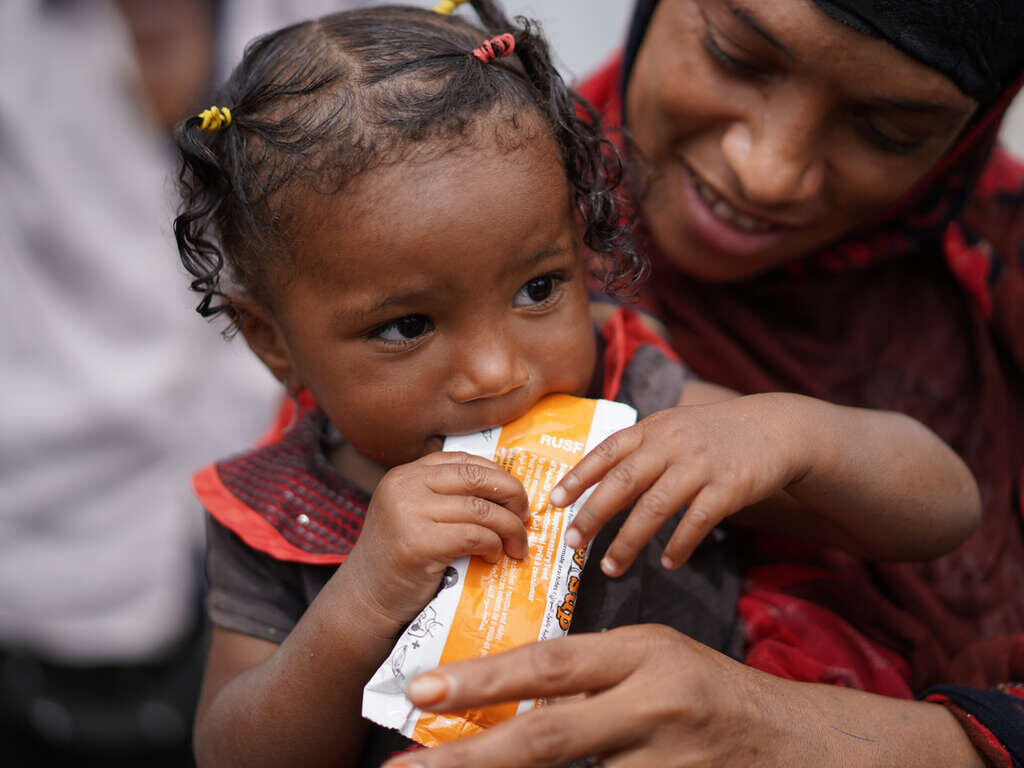
Each year, an estimated 45 million children suffer from acute malnutrition. Historically, more than 80% of these children do not get the treatment they need. There is a solution. The IRC’s evidence-based approach expands the reach of malnutrition treatment and helps more than 90% of children treated to make a full recovery. Our approach is also simple, scalable and efficient, allowing us to treat acutely malnourished children in 21 countries. The IRC’s treatment method costs 20% less per child treated and uses 25% less product than traditional approaches to treating malnutrition.
8. Conflict and climate change are among the biggest causes of hunger
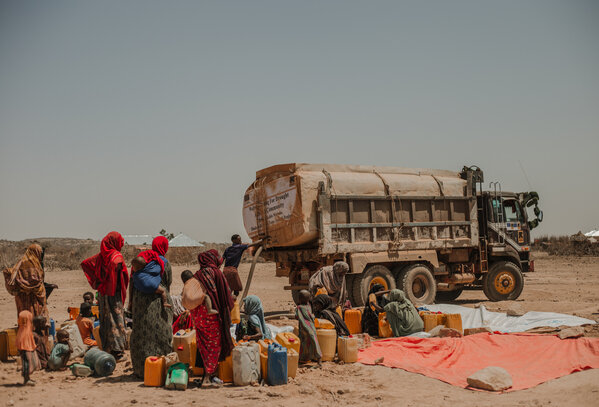
Conflict drives hunger and famine. When people are forced to flee, they lose safe access to food, health care and jobs. Violence can disrupt food supply chains and cut off entire regions from lifesaving humanitarian assistance. Climate change is another major contributor, as it leads to worsening natural disasters, such as droughts and floods. Extreme weather destroys farmland and livestock, causing many to lose their income and access to food.
What you can do to help end hunger
In 2023, the IRC screened over 2.5 million children and pregnant and lactating women for malnutrition and admitted over 570,000 children under the age of five for nutrition services. With your help, we can continue our campaign against global hunger.
$50 can pay for an IRC health care worker to reach parents and help them detect acute malnutrition in their children.
$93 can aid in the delivery of emergency food to one crisis-affected family.
$160 covers the whole cost of treating one child for malnutrition, including medical care, food, and delivery costs.
Project reports on GlobalGiving are posted directly to globalgiving.org by Project Leaders as they are completed, generally every 3-4 months. To protect the integrity of these documents, GlobalGiving does not alter them; therefore you may find some language or formatting issues.
If you donate to this project or have donated to this project, you can receive an email when this project posts a report. You can also subscribe for reports without donating.



Support this important cause by creating a personalized fundraising page.
Start a Fundraiser