Eastern Afromontane Biodiversity Hotspot Program

by WeForest
Play Video
Eastern Afromontane Biodiversity Hotspot Program

Project Report | May 13, 2025
2024 Annual Report: Progress and Achievements in E

By Gaetan Magrin | Sponsorships and Partnerships Coordinator

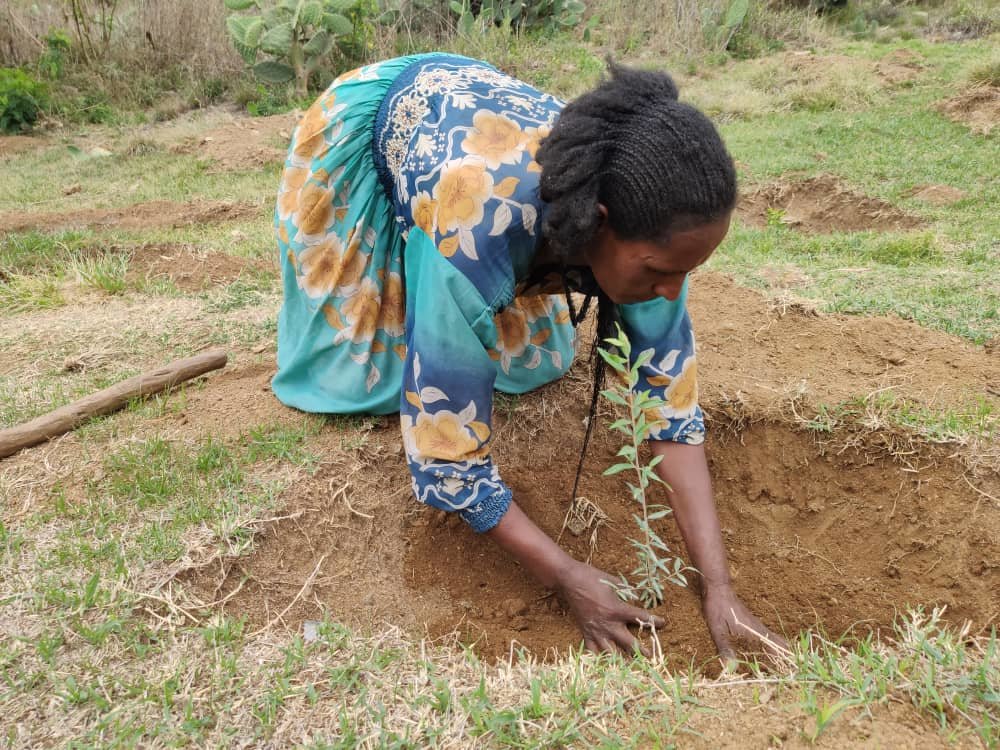
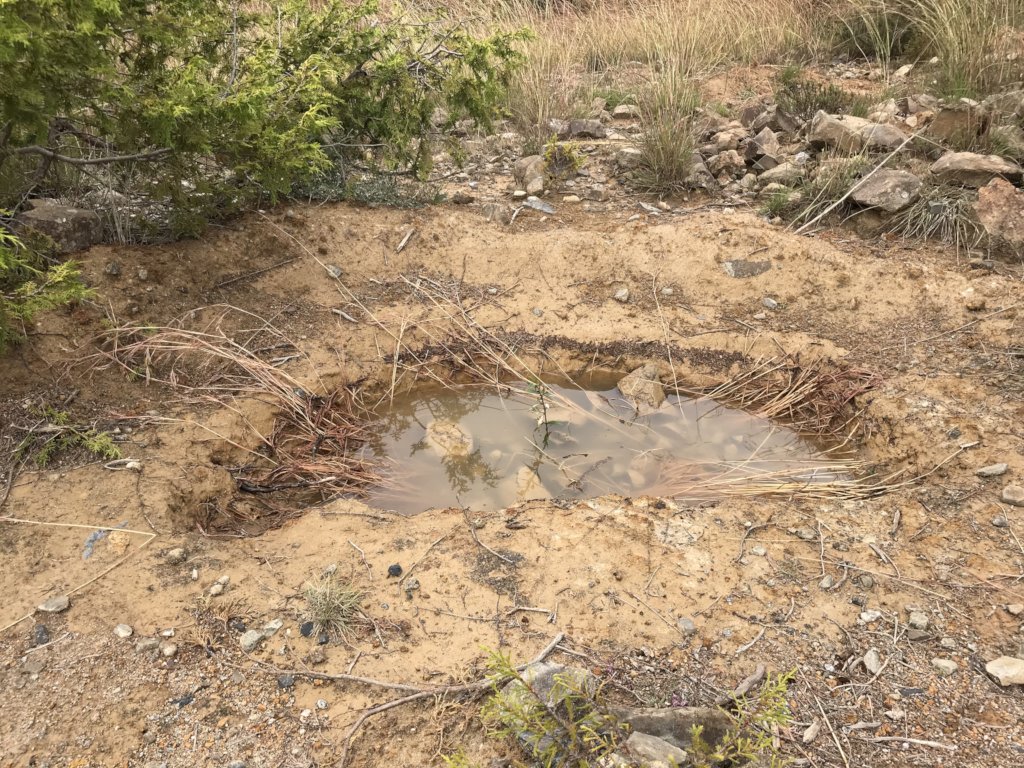
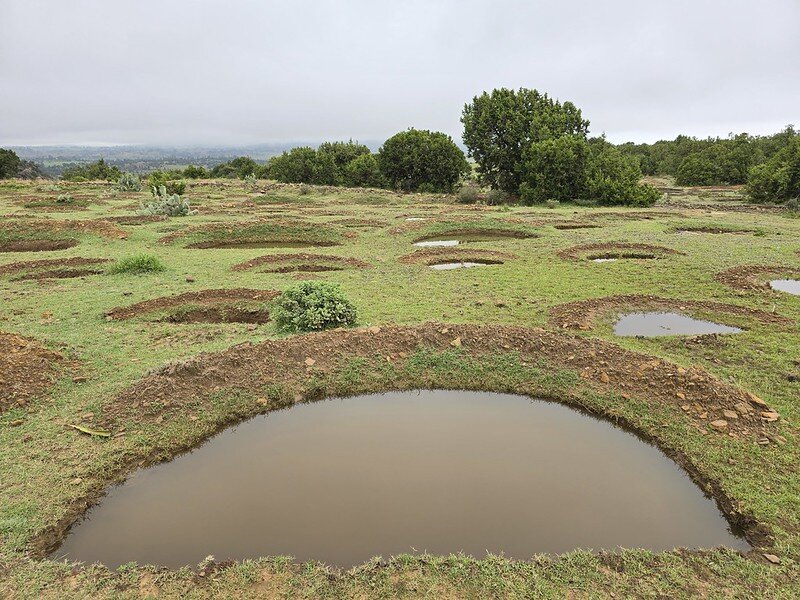
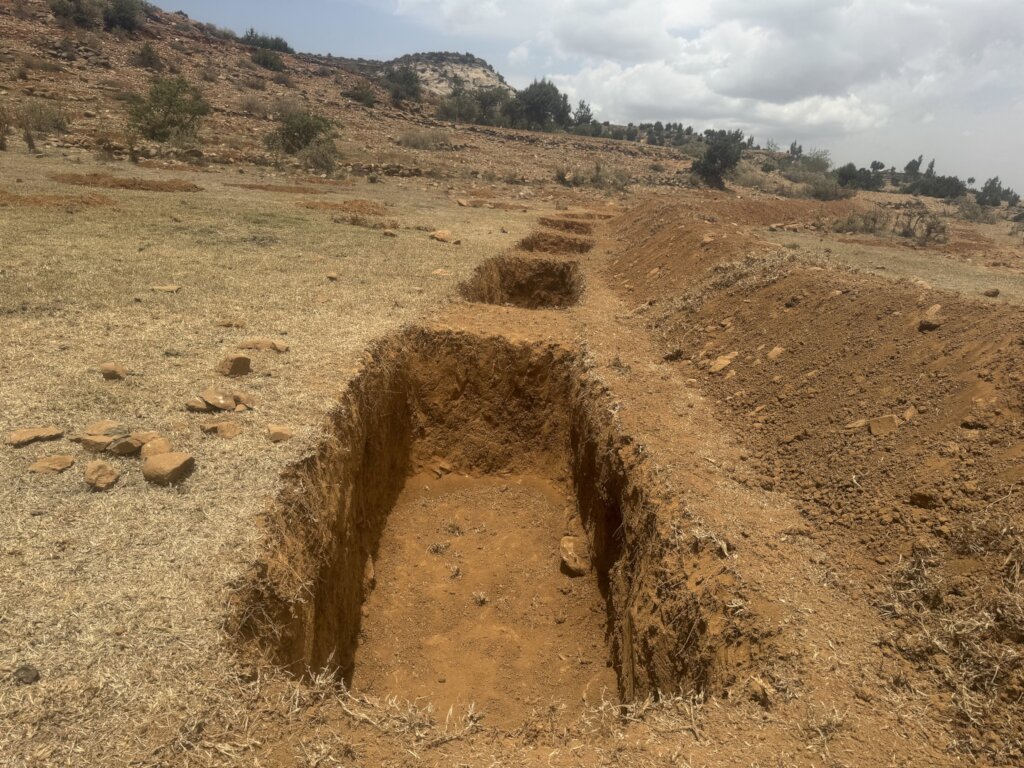
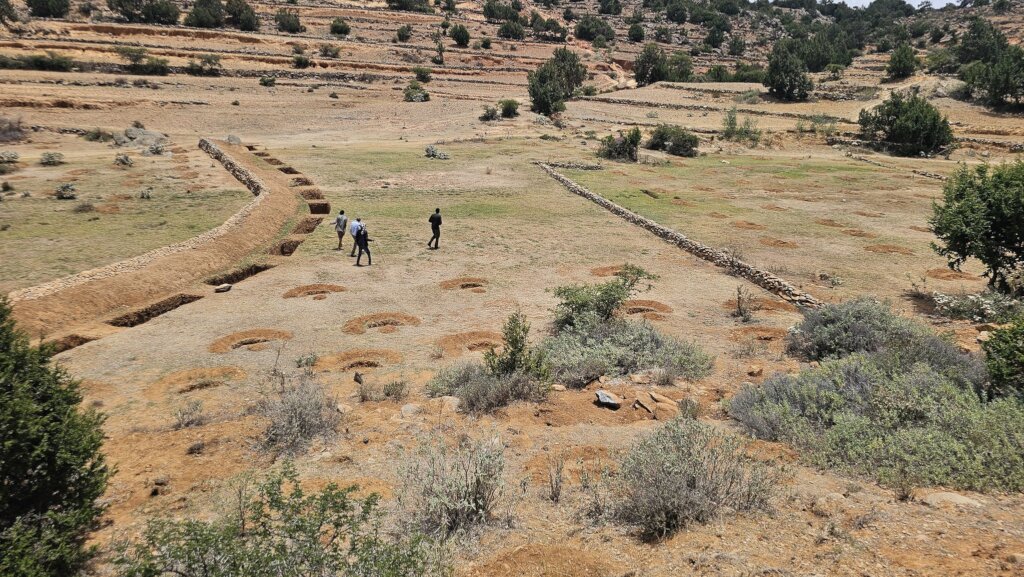
planning pit Juniperus - credits:  Asnake Atakure
planning pit Juniperus - credits: Asnake Atakure

As we reflect on the past year, we are proud to share the significant progress made across our restoration projects. Despite the challenges faced, including political instability and ongoing recovery from conflict, our collective efforts have led to substantial environmental and community benefits. In 2024, we saw remarkable advancements in ecosystem restoration, forest governance, and community resilience. From the Desa’a Project's Ecosystem Restoration Standard (ERS) verification to the Ferlo Restoration Project's successful community engagement, each project has made meaningful contributions to both environmental sustainability and improved livelihoods.

In 2024, the Desa’a project achieved significant milestones, receiving Ecosystem Restoration Standard (ERS) verification by Preferred by Nature, a testament to its high restoration standards. A midline evaluation revealed that over the past five years, interventions increased above-ground carbon stocks by 15% and woody plant species richness by 20% in degraded buffer zones. 

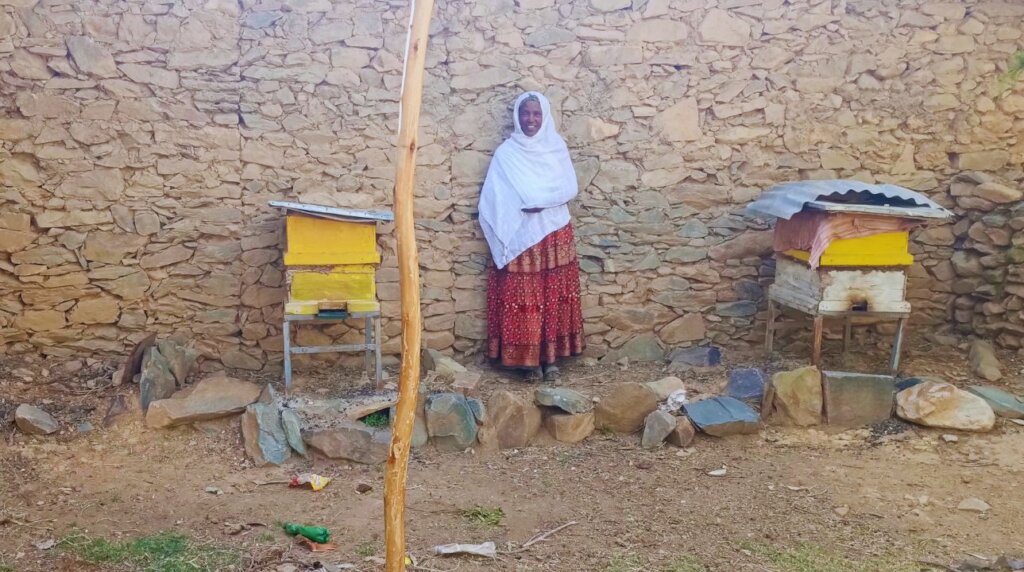
The project continued to play a crucial role in supporting community resilience during times of conflict, notably by assisting over 23,000 households with improved agricultural inputs. Restoration efforts in 2024 included planting over 425,000 native seedlings across 4,588 hectares, managing nurseries, and implementing vital soil and water conservation structures. Community consultations remained central to planning and governance. The project also strengthened forest-friendly livelihoods, supporting over 1,500 households with beekeeping, livestock, cookstoves, solar lamps, and fruit trees. 

Notably, over 63,000 multipurpose tree seedlings and 1,000 apple seedlings were distributed to improve incomes and nutrition. Inspiring case studies from Felegeweyni village showcased how poultry and beekeeping packages helped families generate sustainable income and recover from the impacts of war and drought. Despite facing funding limitations and the ongoing recovery from conflict, the project demonstrated strong resilience, with tree survival rates above 90%. In 2025, the focus will shift to restoring an additional 2,835 hectares, producing half a million seedlings, expanding sustainable income activities to nearly 3,000 households, and continuing to build institutional capacity across the landscape.

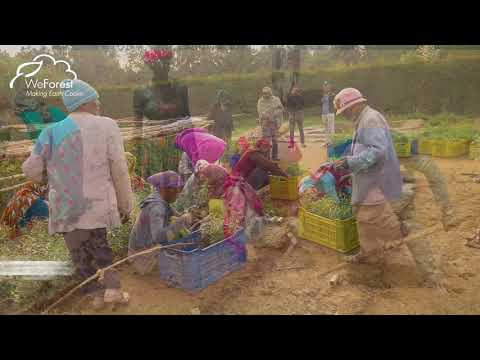
This year, the Wof-Washa Forest Restoration Project marked a key milestone with the initiation of a general management plan for the proposed Wof-Washa Protected National Park. A major consultative workshop brought together various stakeholders to align on objectives for forest conservation, benefit-sharing, and potential carbon market opportunities. Forest governance was notably strengthened through engagement with local leaders and communities, leading to the development of delineated forest maps and bylaws by 12 Participatory Forest Management groups. Meanwhile, 348 hectares were restored, and 25,450 native seedlings were planted, with over 500,000 seedlings currently being cultivated in four active nurseries for future restoration. 

Efforts to promote forest-friendly livelihoods saw the planting of over 163,000 multipurpose and high-value crop seedlings across 39 hectares of agroforestry land, directly benefiting 910 households through planting, training, nursery work, and guarding roles. A youth seed collection group was also established, creating employment and generating income. Despite the persistent political instability in the Amhara region, leading to site inaccessibility, safety concerns, and fieldwork suspensions, the project adapted its strategies and maintained progress through local collaboration. Looking ahead to 2025, the project aims to expand restoration to 500 hectares, involve 2,300 households in agroforestry, approve the forest’s protected area plan, and continue developing local forest governance systems.

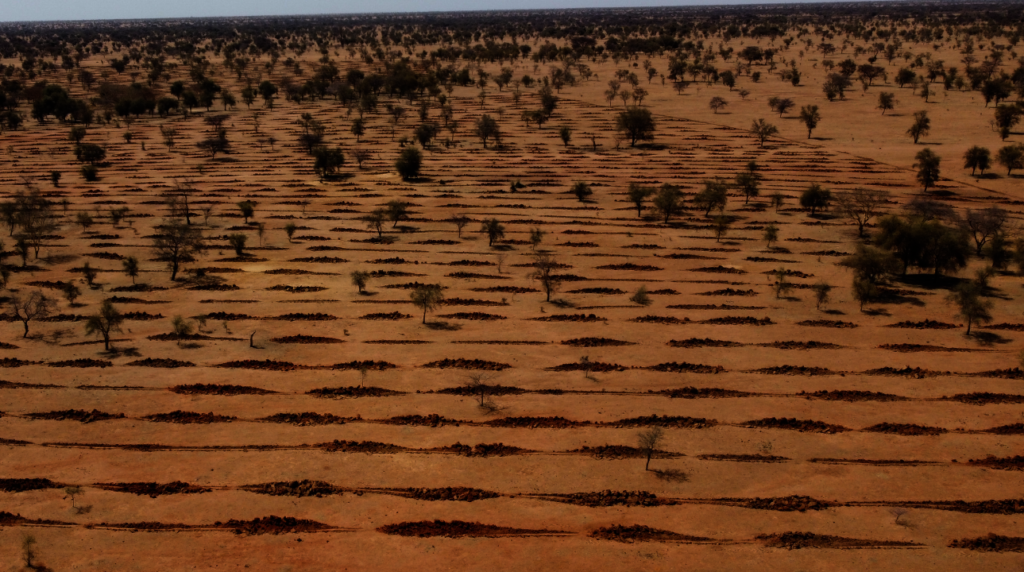
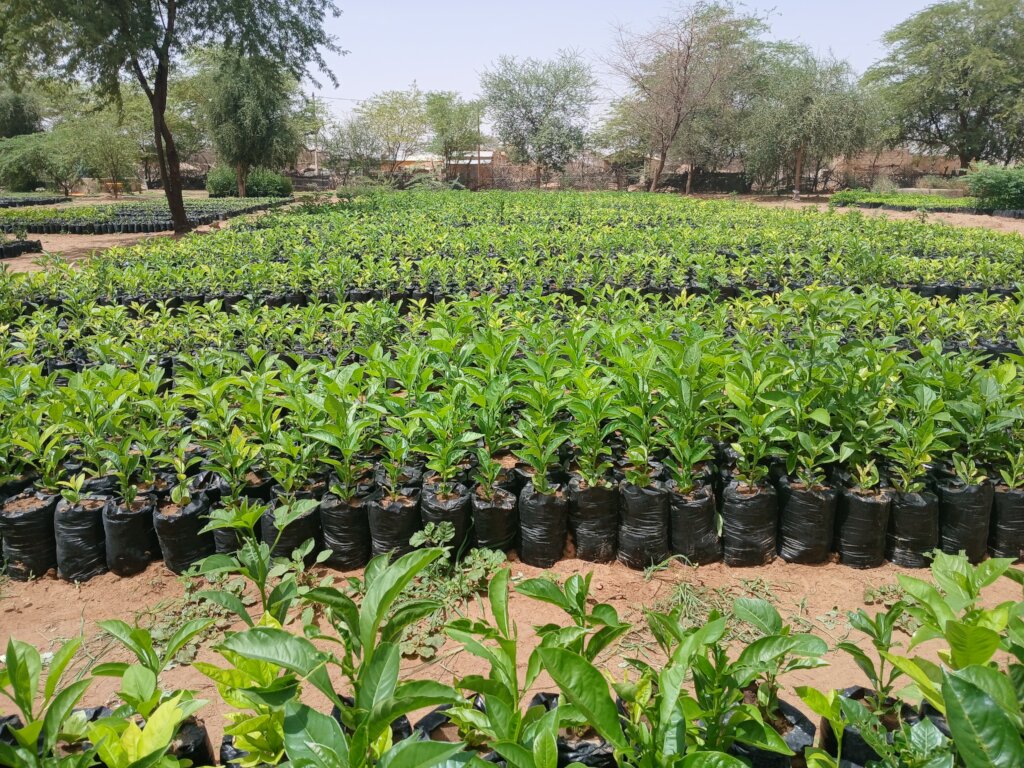
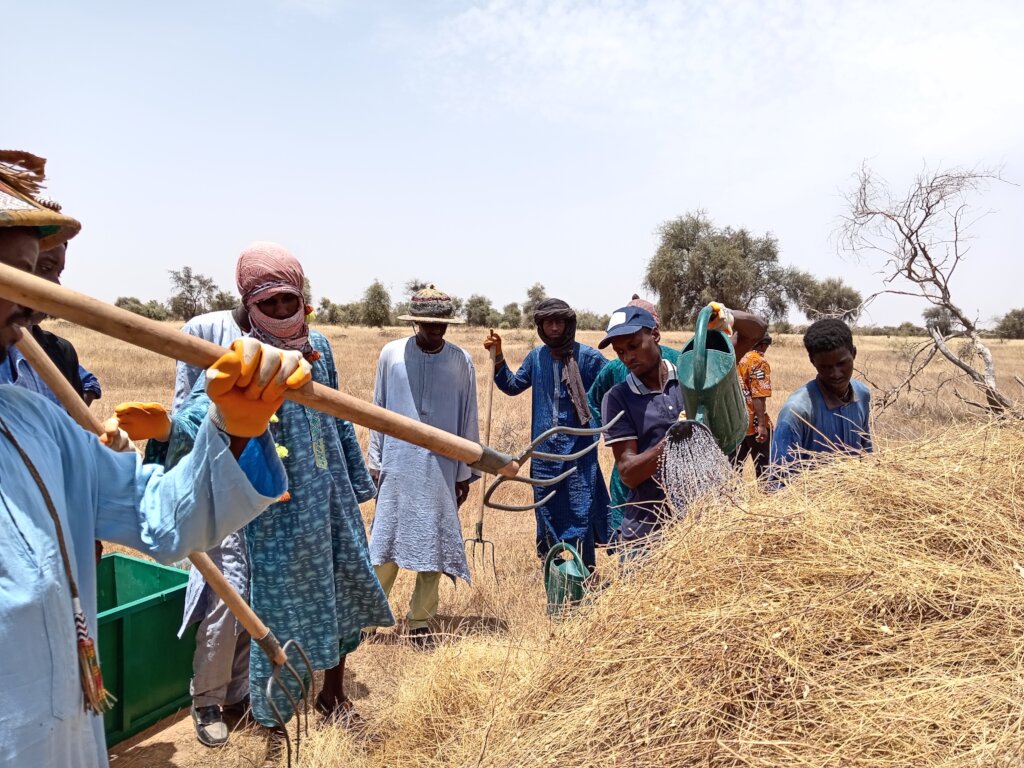
The Ferlo Restoration Project made notable strides in forest governance, conservation, and community livelihoods. A key success was organizing the sale of fodder from restored plots, which generated €7,700, ensuring continued management of these areas by local communities. The project also updated pastoral unit management plans, trained local committees, and fenced 585 hectares of degraded land. A total of 82,337 nursery-raised seedlings were planted, and local communities contributed to seed and organic manure collection, with 240 people trained in reforestation techniques. However, challenges remain, particularly in ensuring the long-term sustainability of community engagement without financial compensation. There was also a need to improve communication among project partners. Moving forward into 2025, the project will focus on scaling up activities, publishing research findings, and further enhancing its impact within the Great Green Wall initiative. Key priorities include evaluating the project for future phases and capitalizing on the results for broader regional success.

We would like to express our heartfelt gratitude to all our partners, supporters, and the communities involved in these transformative projects. Your dedication and collaboration have been crucial to the progress we’ve made, and together, we are laying the foundation for a sustainable and resilient future. Looking ahead to 2025, we are committed to continuing our restoration efforts, strengthening local governance systems, and expanding our impact across the landscapes we serve. Thank you for your ongoing support in helping us restore ecosystems and improve livelihoods.

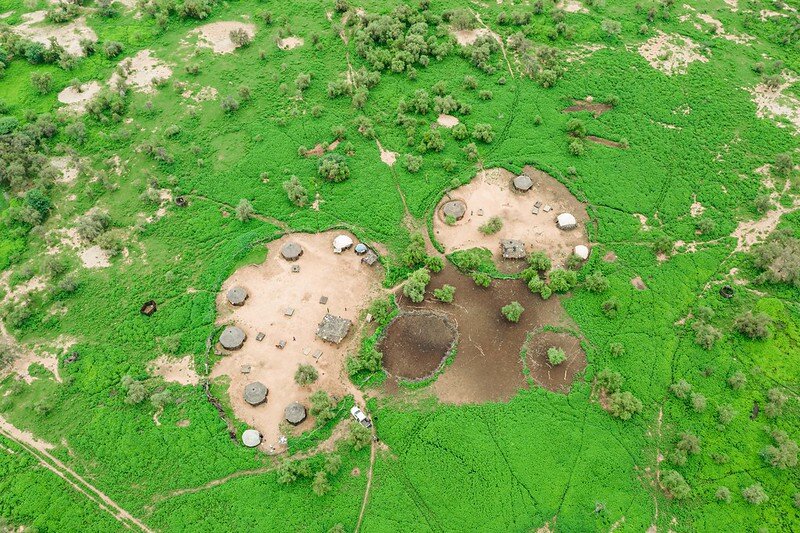
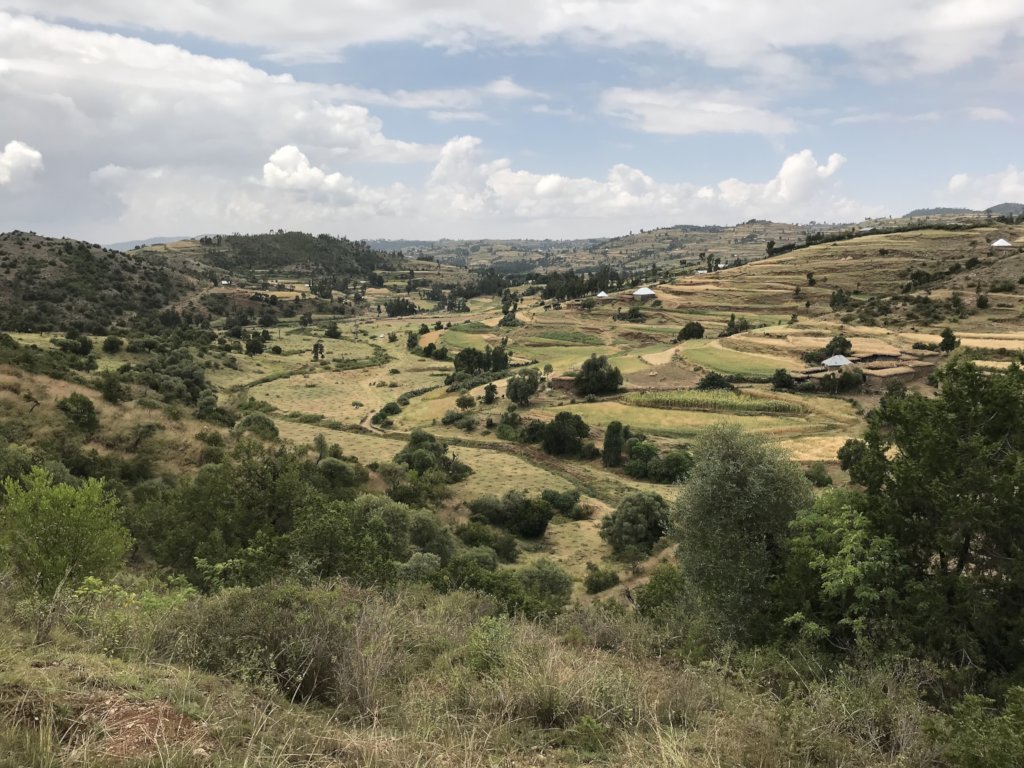
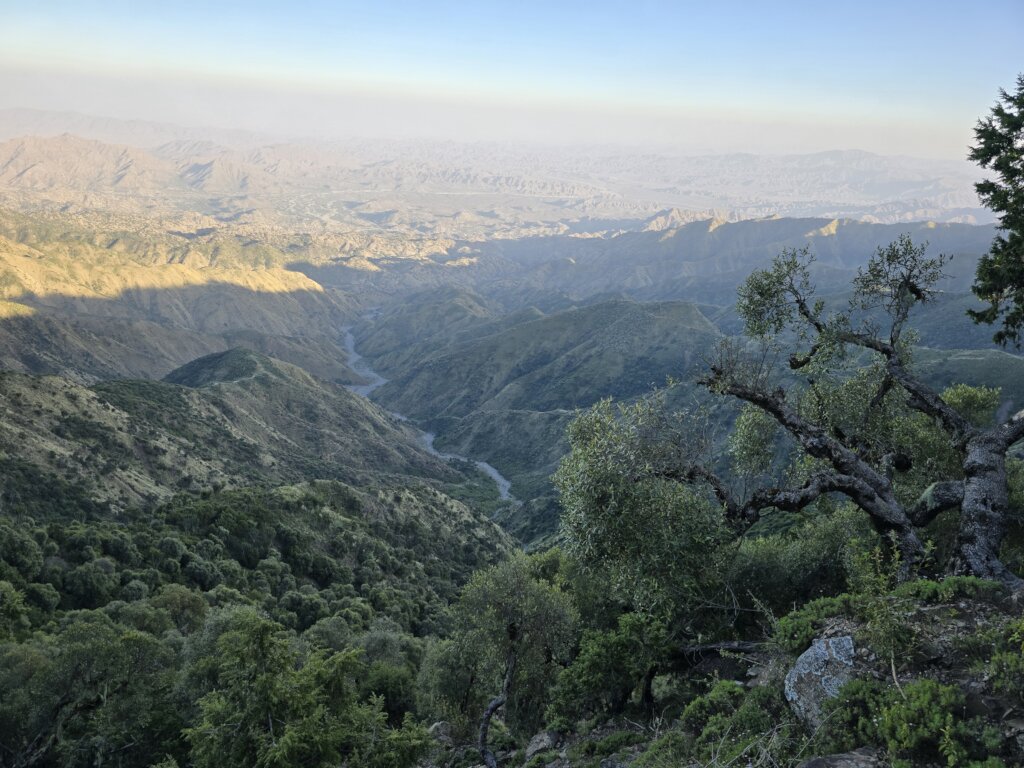
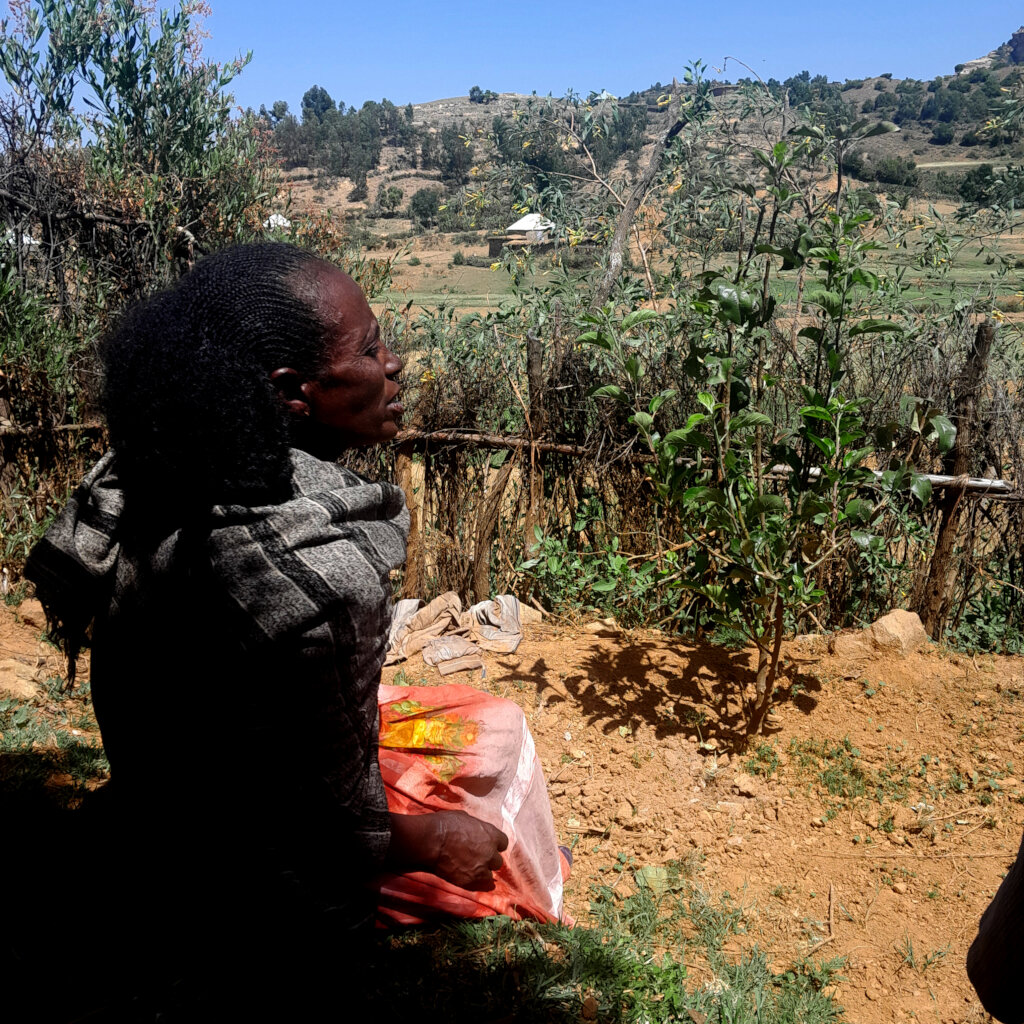
Desaa Forest
Desaa Forest
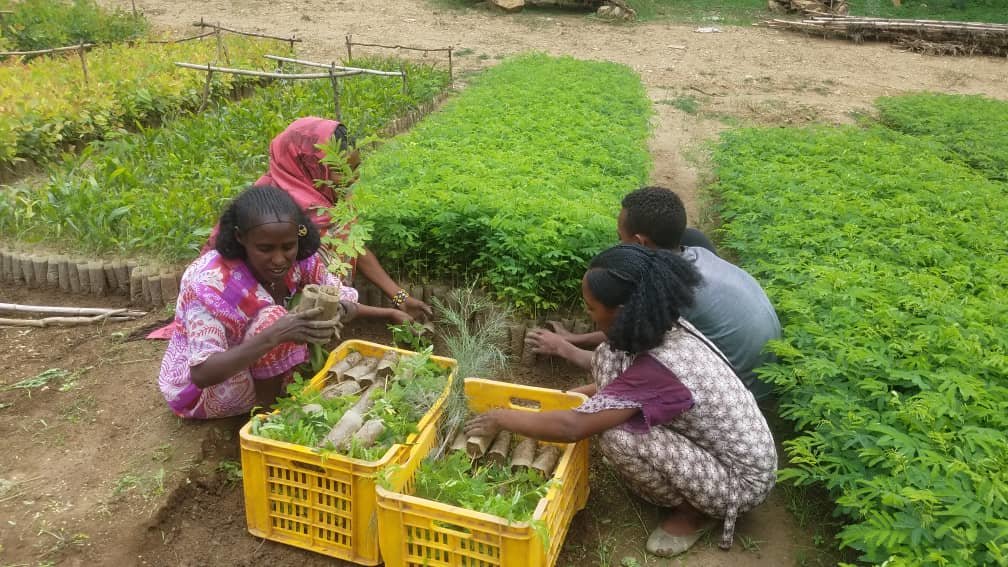
Ferlo Nursery
Ferlo Nursery

Links:

Share on Twitter Share on Facebook

Oct 30, 2024
Conflict brings challenges - but projects move forward

By Vienna Leigh | Communications Manager, WeForest

Jul 5, 2024
Welcome, Earth Allies!

By Vienna Leigh | Communications Manager, WeForest

About Project Reports

Project reports on GlobalGiving are posted directly to globalgiving.org by Project Leaders as they are completed, generally every 3-4 months. To protect the integrity of these documents, GlobalGiving does not alter them; therefore you may find some language or formatting issues.

If you donate to this project or have donated to this project, you can receive an email when this project posts a report. You can also subscribe for reports without donating.


Sign up for updates

Organization Information

WeForest

Location: Brussels - Belgium
Website:
Facebook: Facebook Page
Project Leader:
Alexandra Dawe
Brussels , Brussels Belgium
$118,393 raised of $145,000 goal
 
920 donations
$26,607 to go
Donate Now

Help raise money!

Support this important cause by creating a personalized fundraising page.

Start a Fundraiser

Learn more about GlobalGiving

Teenage Science Students
Vetting +
Due Diligence

Snorkeler
Our
Impact

Woman Holding a Gift Card
Give
Gift Cards

Young Girl with a Bicycle
GlobalGiving
Guarantee

Get incredible stories, promotions, and matching offers in your inbox

WARNING: Javascript is currently disabled or is not available in your browser. GlobalGiving makes extensive use of Javascript and will not function properly with Javascript disabled. Please enable Javascript and refresh this page.