By Tracey-Ann K Harriage | Project Leader
Months after Hurricane Melissa devastated communities across Jamaica, the visible signs of the storm may be fading in some places, but for many families, the journey toward full recovery continues.
At I-SEEED Youths Limited, our work has therefore never been about responding only in the immediate aftermath of disaster. We have remained present, walking alongside affected families, restoring dignity, rebuilding livelihoods, strengthening food security, supporting children and vulnerable households, and helping communities become better prepared for the future.
This reporting period marks an especially important chapter in that journey.
We are deeply grateful to GlobalGiving for providing I-SEEED Youths with an additional USD $60,000 emergency grant from the Hurricane Melissa Relief Fund. This extraordinary support has strengthened our ability to continue both our programmes and operations serving hurricane-affected communities and has given us greater flexibility to respond where needs remain most urgent.
To the GlobalGiving team, its donors, and every individual who has believed in our work: thank you for continuing to stand with Jamaica and with I-SEEED Youths.
Beyond Emergency Relief: Helping Families Rebuild
Our response began with emergency meals, essential supplies, outreach and community care. Today, that work has expanded into something much deeper, helping families move from survival toward stability.
One of the areas that has been especially meaningful to us has been assisting families whose homes and lives were severely disrupted by Hurricane Melissa.
To date, six homes have been rebuilt, helping families regain something that cannot easily be measured in numbers, a sense of safety, stability, dignity and belonging.
Each family reminds us that disaster recovery is not completed when debris is removed. Recovery is achieved when people can once again sleep safely, prepare meals, send their children to school, earn an income and begin planning for tomorrow.
This is the kind of recovery I-SEEED Youths remains committed to supporting.
Continuing Our Feeding and Community Support
Food security remains central to our hurricane recovery work.
Following Hurricane Melissa, I-SEEED Youths prepared and distributed warm meals across affected communities, including areas in Westmoreland, St. Elizabeth, Trelawny and Manchester, working alongside community leaders, volunteers, police and other partners to reach those most in need.
Our feeding interventions did not simply end when the immediate emergency passed.
Where needs persisted, we continued providing meals and community support, particularly for vulnerable families, older persons, children, women-led households and individuals whose livelihoods had been disrupted.
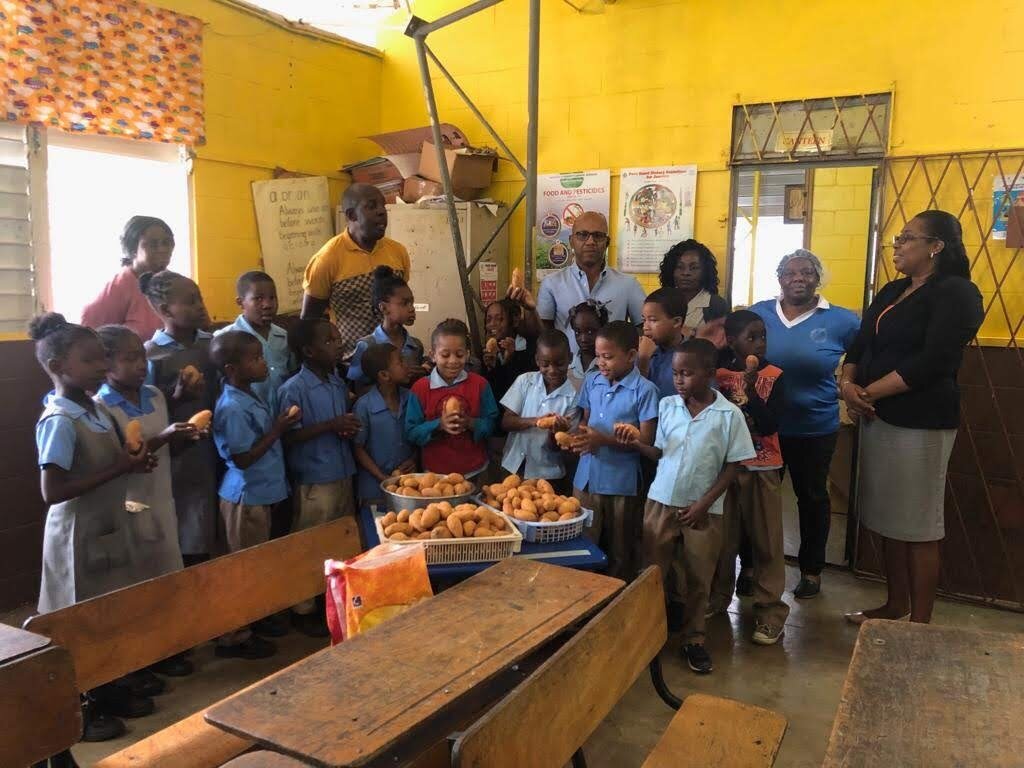
Our own agricultural operations have played an increasingly important role in this work. Fresh produce from our farm helps us connect humanitarian assistance with local food production, demonstrating what resilient community food systems can look like.
Instead of treating food relief and agriculture as separate interventions, we are intentionally building a system in which local production strengthens local recovery.
A Transformational USD $60,000 GlobalGiving Grant
The latest USD $60,000 emergency grant from GlobalGiving represents far more than financial support.
It represents trust. It represents flexibility.
And most importantly, it gives a community-based organization like ours the ability to make timely decisions based on the realities we are seeing every day.
The funding will allow us to strengthen and continue programmes and operations supporting hurricane-affected communities, including areas related to:
Food security and emergency/community feeding;
Recovery assistance for vulnerable families;
Livelihood restoration and economic empowerment;
Agriculture and climate-resilient food production;
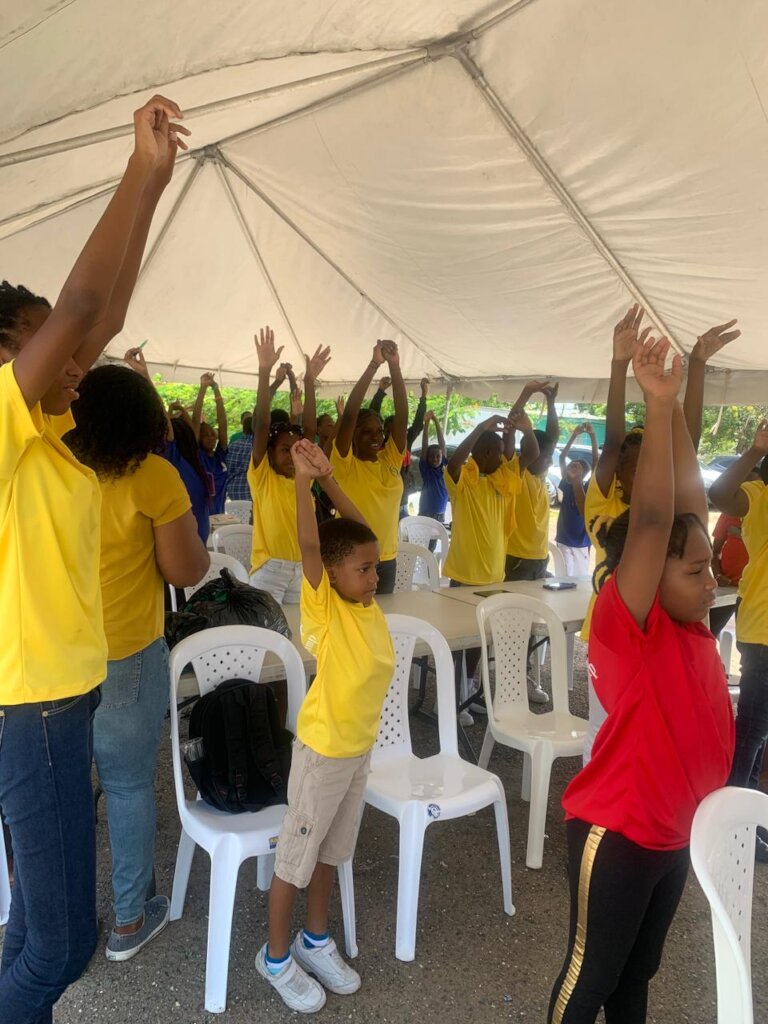
Support for children, schools and community spaces;
Psychosocial and dignity-centred support;
Youth and women's empowerment;
Strengthening our operational capacity to respond to future emergencies; and
Building more sustainable systems that reduce vulnerability before the next disaster occurs.
GlobalGiving's flexible approach to this grant is especially valuable because recovery needs do not always fit neatly into predetermined categories. Families may need food today, livelihood support tomorrow, and assistance restoring a safe environment for their children the following week.
Having the ability to respond to those evolving realities makes this support extraordinarily impactful.
Supporting Emotional Recovery and Human Dignity
Hurricanes destroy physical infrastructure, but their emotional impact is often less visible.
Many individuals experienced displacement, loss, fear, uncertainty and significant emotional stress following Hurricane Melissa.
Recognizing this, our response has included psychosocial and community support, particularly for vulnerable families and individuals already navigating difficult circumstances.
As an organization whose work has long focused on youth, women and survivors of gender-based violence, we understand that disasters can intensify existing vulnerabilities.
Our approach therefore continues to place dignity, safety and emotional well-being alongside material assistance.
We do not want communities merely to survive disasters.
We want people to recover with hope, confidence, opportunity and support.
Education Remains at the Heart of Recovery
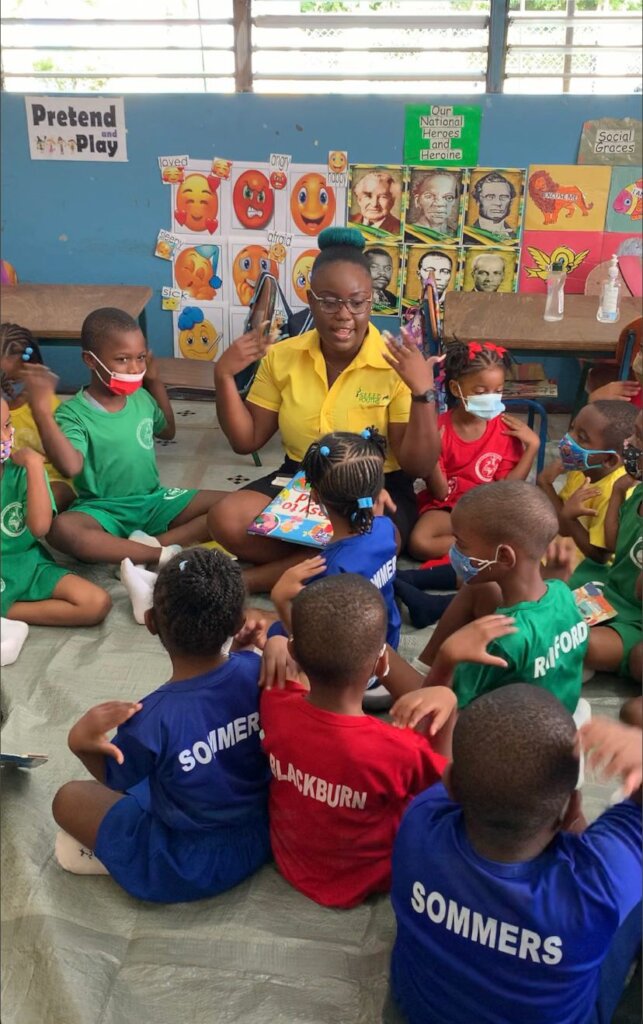
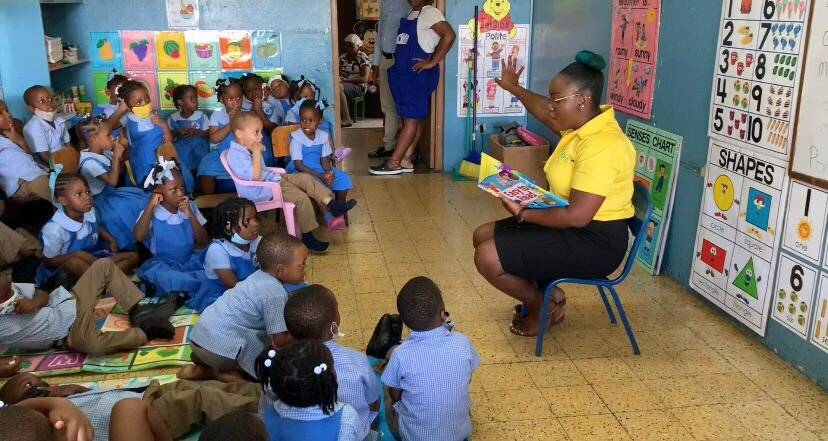
Our GlobalGiving project, “Educate a Child, End Gender-Based Violence,” reflects our conviction that education is one of the strongest tools available for breaking cycles of vulnerability.
Following the hurricane, schools and learning environments were also affected. Children who were already navigating economic and social challenges faced further instability.
We have therefore continued supporting educational environments through supplies, resources, partnerships and programmes designed to create safe and nurturing spaces for children.
Our relationship with schools, including Marlin Avenue Basic School and other educational institutions, continues to strengthen.
For us, rebuilding a classroom is about much more than replacing materials.
It is about restoring routine.
It is about giving children a safe place to learn.
It is about allowing a parent struggling after a disaster to know that their child still has an environment where they can grow.
And ultimately, education creates pathways that can reduce poverty, dependence, violence and vulnerability for generations.
Rebuilding Food Systems for the Next Disaster
Hurricane Melissa reaffirmed something I-SEEED Youths has been advocating for for years: food security must be treated as a resilience issue.
Jamaica cannot wait until disasters occur to think about how vulnerable households will access food.
Our climate-smart agricultural model is therefore becoming an increasingly important part of our recovery strategy.
We are continuing to develop and strengthen systems including:
Climate-smart greenhouse production;
Hydroponics and aquaponics;
Renewable and solar-powered agriculture;
Rainwater harvesting;
Open-field crop production;
Livestock and goat production;
Agro-processing;
Cold-storage capacity;
Composting and circular agricultural systems;
Value-added agricultural products; and
Farm-to-table operations.
These investments create several layers of impact simultaneously.
They increase local food production.
They create employment and training opportunities.
They generate income that can be reinvested into our social programmes.
And they strengthen our ability to provide food when communities face future disruptions.
This is the transition we are intentionally making: from emergency food distribution to resilient community food systems.
Creating Opportunities for Women and Youth
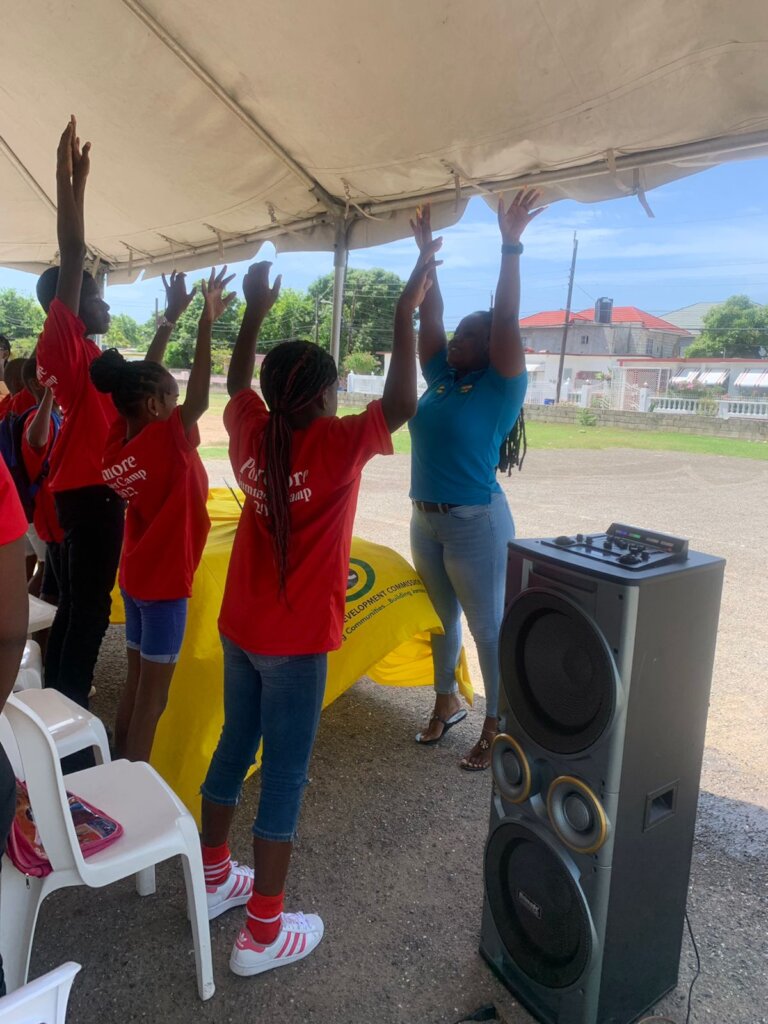
Our recovery work continues to prioritize the people who are often disproportionately affected when disasters occur, especially women, youth, low-income families and individuals with limited livelihood opportunities.
Through agriculture, entrepreneurship, training and social enterprise, we are creating opportunities for individuals to participate in recovery rather than simply receive assistance.
Our farm and social enterprise activities provide pathways for training and income generation through areas such as:
Agricultural production;
Agro-processing;
Sweet pepper and Scotch bonnet powders and flakes;
Food preparation;
Livestock production;
Entrepreneurship;
Climate-smart agriculture; and
Farm-based enterprises.
Our objective is simple but ambitious:
A person who receives assistance today should have the opportunity to become economically stronger tomorrow.
That is what sustainable recovery means to us.
Strengthening Our Farm as a Community Resilience Hub
We are also looking beyond individual projects toward the development of a more comprehensive community resilience model.
Our vision is to transform our agricultural operations into an integrated space where agriculture, climate resilience, technology, education, wellness, entrepreneurship and community development work together.
The evolving model incorporates greenhouses, hydroponics, aquaponics, renewable energy, rainwater harvesting, livestock, cold storage, agro-processing, training spaces, farm-to-table activities and other circular-economy systems.
We envision the farm functioning not only as a place where food is produced, but as a living classroom and resilience hub where young people, women, farmers, schools and communities can learn how food systems can become smarter, more sustainable and more prepared for climate shocks.
Hurricane Melissa has strengthened our determination to build this model.
We cannot prevent every storm.
But together, we can reduce how deeply the next storm affects our communities.
Partnerships Continue to Multiply Our Impact
None of these achievements belong to I-SEEED Youths alone.
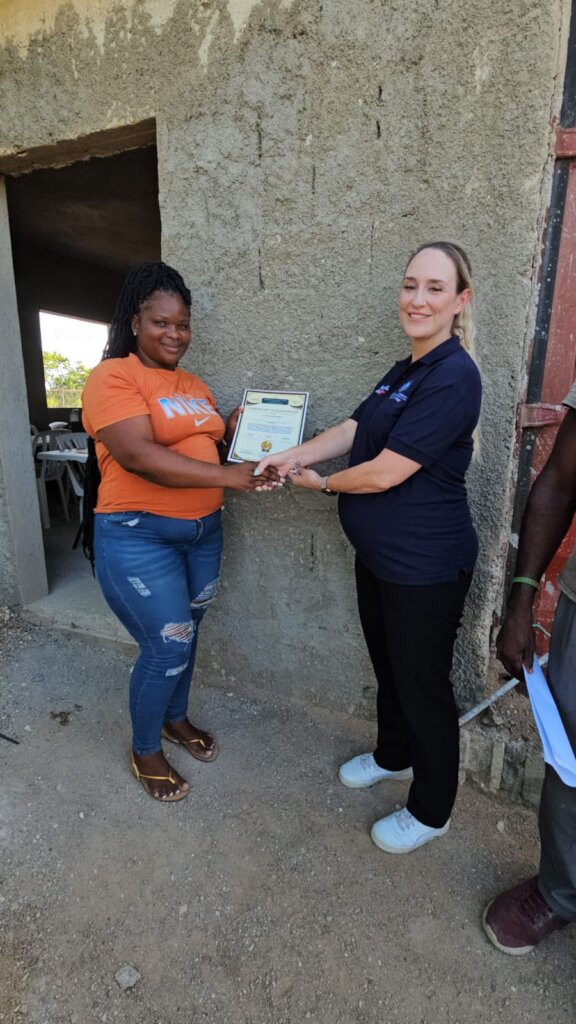
Our work continues to be strengthened through partnerships with GlobalGiving, UNDP, government agencies, schools, community groups, volunteers, donors, agricultural stakeholders, law-enforcement partners and international development organizations.
These partnerships have allowed us to reach further, respond faster and think more boldly about what long-term recovery can look like.
We are also encouraged by the increasing interest from local and international organizations seeking to partner with and support I-SEEED Youths.
For a grassroots organization that has remained committed to communities through some of their most difficult moments, this growing recognition is deeply meaningful.
It demonstrates that locally led organizations can produce solutions with relevance far beyond their immediate communities.
From Fear to Freedom
Our work with survivors of gender-based violence remains deeply connected to everything we do.
Disasters can heighten economic dependency, displacement, family stress and vulnerability to violence. For survivors, rebuilding a life often requires much more than emergency assistance.
Through our broader From Fear to Freedom vision, we continue working toward an integrated model that combines safety, psychosocial support, economic empowerment, agriculture, skills development and pathways toward independence.
Our belief remains unchanged:
Safety should not be temporary, and empowerment should not end when emergency assistance ends.
Women and families deserve opportunities to rebuild lives that are safer, economically stronger and more resilient than the circumstances they escaped.
What GlobalGiving Has Made Possible
Our relationship with GlobalGiving continues to demonstrate the extraordinary impact that can occur when donors trust organizations working directly within communities.
GlobalGiving's support since Hurricane Melissa has enabled I-SEEED Youths to respond to immediate humanitarian needs while simultaneously thinking about the future.
It has helped us feed families.
It has contributed to restoring dignity.
It has strengthened our ability to support children and educational environments.
It has helped us remain present for communities long after the cameras and headlines moved elsewhere.
And now, through the additional USD $60,000 emergency grant, it is helping us build the next stage of our recovery and resilience work.
For this, we are profoundly grateful.
Looking Ahead: We Are Not Rebuilding the Same
Our goal is not simply to rebuild what Hurricane Melissa damaged.
We want to build forward stronger.
We want farms that can withstand climate shocks.
We want communities with stronger food systems.
We want women with greater economic independence.
We want young people equipped with skills and opportunities.
We want schools that are safe spaces for learning and development.
We want families who once depended on emergency assistance to eventually have the resources and opportunities to support themselves and others.
And we want our organization to remain strong enough to respond whenever Jamaica needs us.
The journey is far from over, but neither is our determination.
To GlobalGiving and every donor who continues to believe in I-SEEED Youths, please know that your support reaches far beyond a financial transaction.
It becomes a meal.
A rebuilt home.
A classroom resource.
A seedling.
A livelihood.
A safe space.
An opportunity.
And, for someone experiencing one of the most difficult periods of their life, it becomes hope.
From our entire I-SEEED Youths family and the communities we serve:
Thank you for standing with us. Thank you for trusting us. And thank you for helping Jamaica rise stronger.
Together, we are moving from relief to recovery, from recovery to resilience, and from fear to freedom.
Project reports on GlobalGiving are posted directly to globalgiving.org by Project Leaders as they are completed, generally every 3-4 months. To protect the integrity of these documents, GlobalGiving does not alter them; therefore you may find some language or formatting issues.
If you donate to this project or have donated to this project, you can receive an email when this project posts a report. You can also subscribe for reports without donating.



Support this important cause by creating a personalized fundraising page.
Start a Fundraiser