By Paul Maina | Director
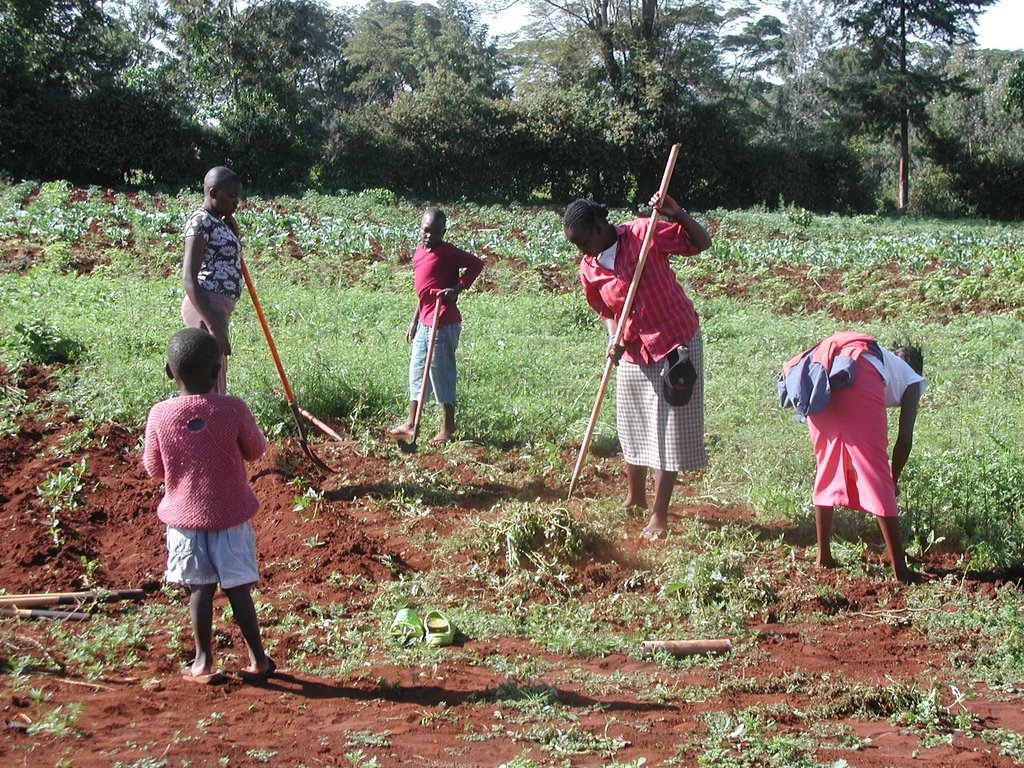
The Children and Youth Empowerment Centre (CYEC) has been involved in agricultural activities for many years but has never had a formal training program for agricultural skills. With the establishment of Rathithi Polytechnic, which is a sister initiative to CYEC, a means of developing such a program was finally at hand, but a suitable training curriculum was not readily available. CYEC recognizes the sustainability and other major challenges of existing agricultural practices and has therefore been looking to establish a regenerative agriculture program as the preferred way forward.
Among the major challenges of existing agricultural practices include high costs of inputs, soil degradation, chemical safety concerns, and the loss of indigenous food crops. During an era of frequent supply chain disruptions and mounting effects of climate change, having a well-developed regenerative agriculture program is likely to become a valuable means of realizing food security and sustainable livelihoods in Kenya and elsewhere in Africa.
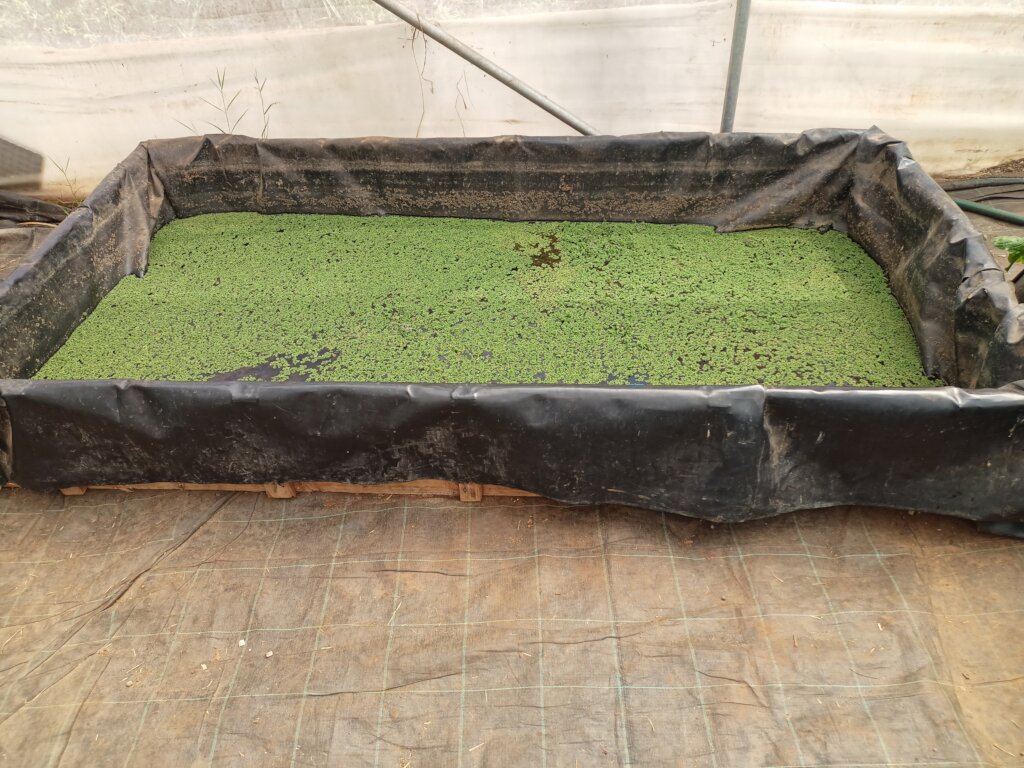
Among the noteworthy activities of the polytechnic’s agriculture program include a black soldier fly (BSF) project, an azolla initiative, and a forest gardening initiative. The BSF project involves the farming of insects that convert organic waste into larvae for poultry feed and frass for organic fertilizer. Azolla is a fast-growing aquatic fern that serves as a biofertilizer, animal feed, and means of carbon sequestration. Forest gardens mimic the principles of natural forest ecosystems for the purpose of growing trees and other forestry products that are useful to people.
After discussions with the National Industrial Training Authority (NITA), including a meeting that involved faculty from Pennsylvania State University (PSU) who have been providing technical assistance to the polytechnic, a way forward for the agriculture program was found. It was agreed that the Rathithi Polytechnic will take part in piloting NITA agriculture curriculums that are currently under development. In the process, the polytechnic may include regenerative agriculture materials that NITA could adopt for use across the country.
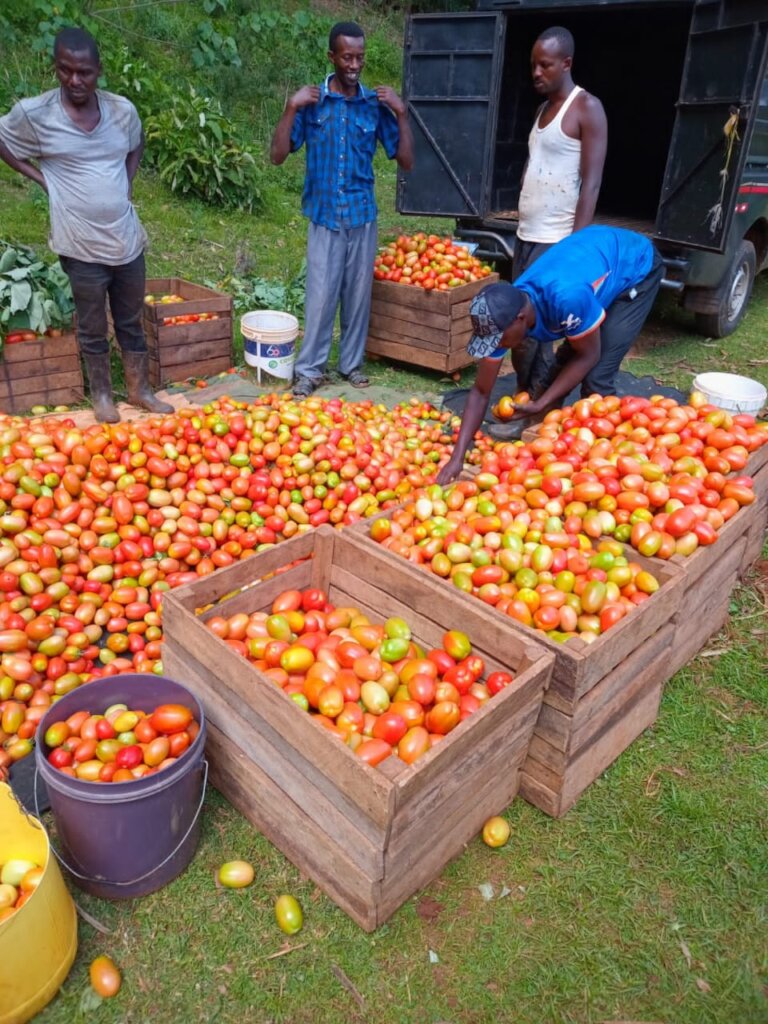
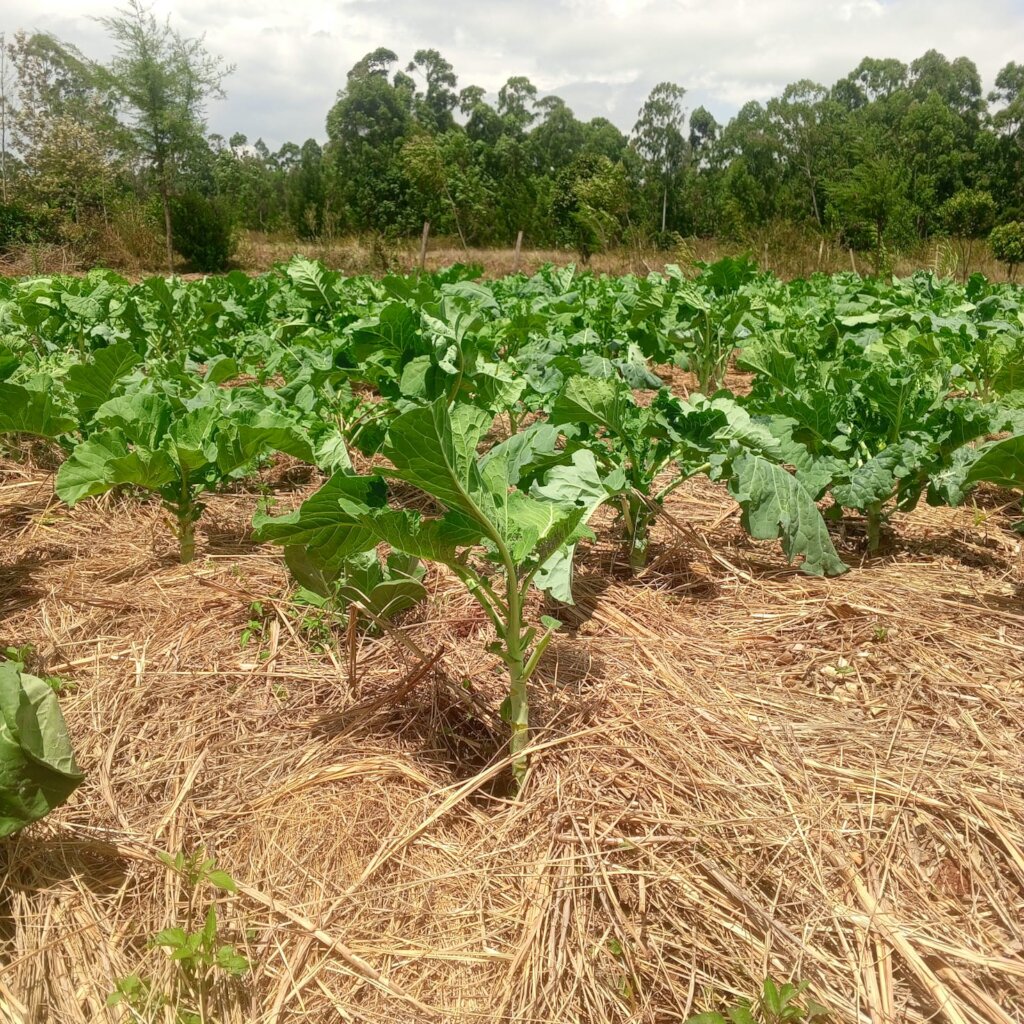
The expectation is that the polytechnic’s agriculture program will help to create specialized cadres of well-trained technicians for future-oriented agricultural work. The training will start with horticulture and general crop production, but with time it will include animal husbandry and basic agricultural processing.
Project reports on GlobalGiving are posted directly to globalgiving.org by Project Leaders as they are completed, generally every 3-4 months. To protect the integrity of these documents, GlobalGiving does not alter them; therefore you may find some language or formatting issues.
If you donate to this project or have donated to this project, you can receive an email when this project posts a report. You can also subscribe for reports without donating.



Support this important cause by creating a personalized fundraising page.
Start a Fundraiser