By Amy Maglio | Executive Director
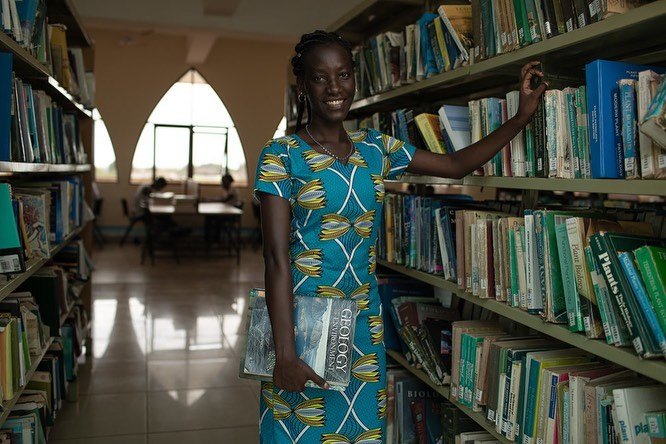
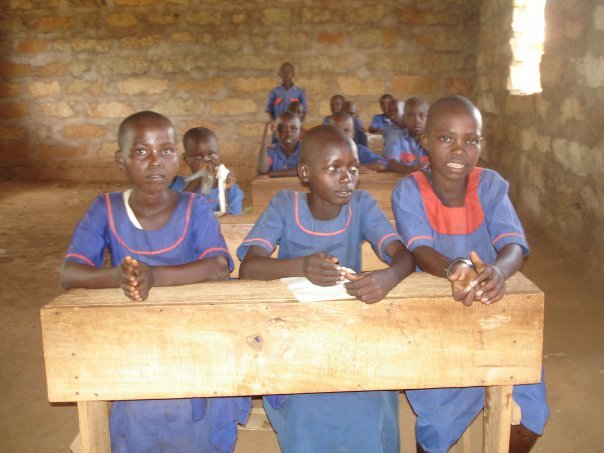
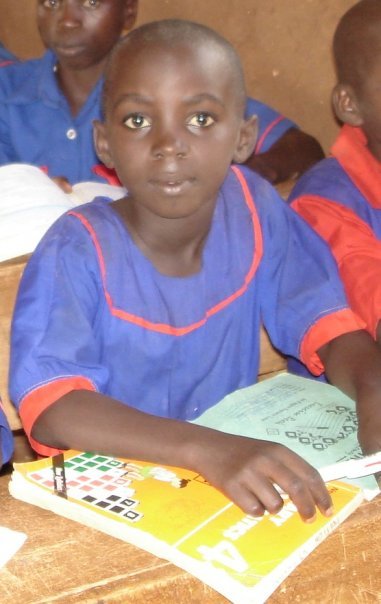
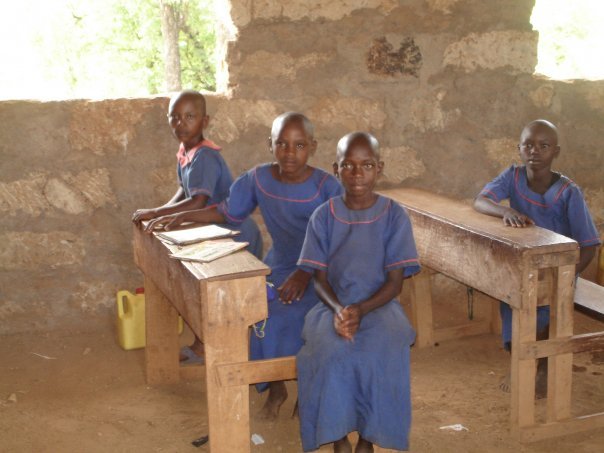
WGEP employs a holistic and comprehensive approach to dismantling the barriers that limit girls' access to education. In addition to our scholarship program for primary, secondary and university students, we also provide complementary interventions including tutoring, mentoring, health workshops and community outreach. One of our most impactful community outreach programs is our Women's Literacy program.
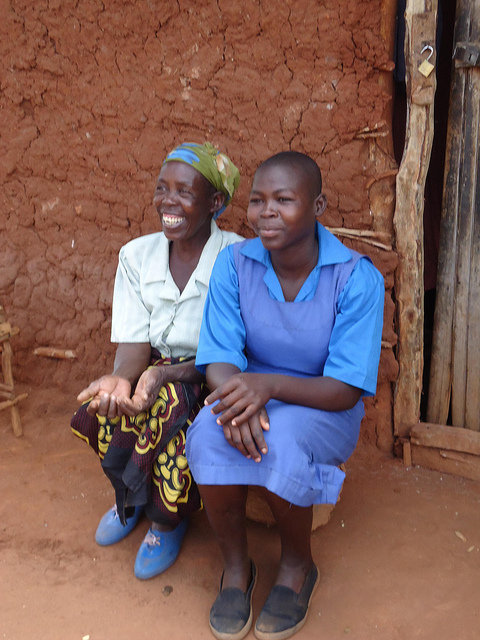
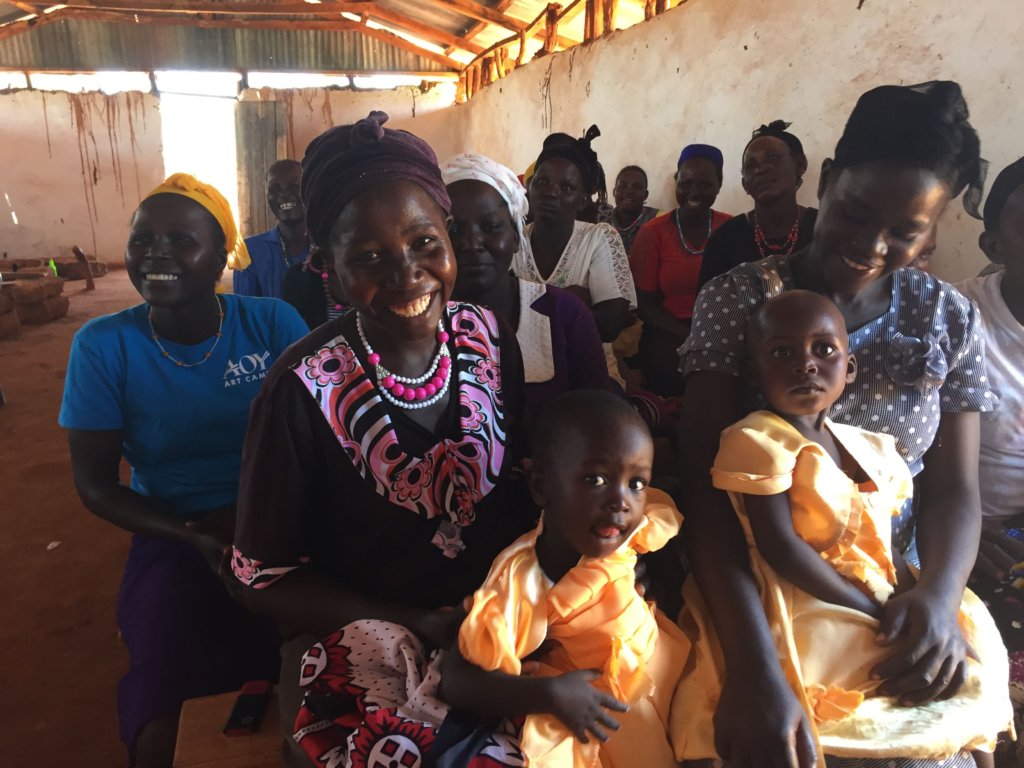
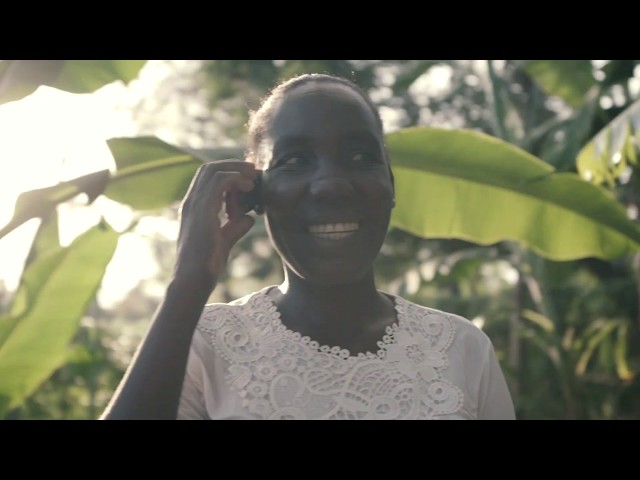
Each year, over 400 women in Kenya participate in WGEP's Women's Literacy classes. Women join these classes in order to gain reading, writing and numeracy skills to help their daughters with their homework in addition to improving their own lot in life. With these skills, mothers become mentors for their daughters and demonstrate the importance of education and literacy.
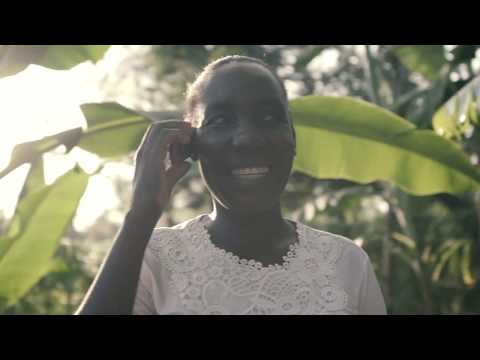
Women in our literacy classes have also noted an increased sense of independence as a result of their participation in these classes. As Tabitha notes,
I can now go to the market and sell my goods alone. I used to ask my neightbor to go with me because I was afraid people would take advantage of my inability to read and count by underpaying me.
Women are also gaining confidence in public speaking. From Lucy:
Before the class, I could not speak in front of many people. Now I feel comfortable sharing my views at large community meetings.
In addition to teaching women basic literacy and numeracy skills, our Women's Literacy classes are improving women's confidence and increasing their independence. As a result, women are more active in public life and their voices are being heard.
Thank you for supporting WGEP programs like Women's Literacy!
Links:
By Amy Maglio | Executive Director
By Amy Maglio | Executive Director
Project reports on GlobalGiving are posted directly to globalgiving.org by Project Leaders as they are completed, generally every 3-4 months. To protect the integrity of these documents, GlobalGiving does not alter them; therefore you may find some language or formatting issues.
If you donate to this project or have donated to this project, you can receive an email when this project posts a report. You can also subscribe for reports without donating.



Support this important cause by creating a personalized fundraising page.
Start a Fundraiser