Project Report
| Oct 16, 2012
WGEP Kenya Peer Educators
By Amy Maglio | Founder and Executive Director
WGEP Kenya has recruited 15 Peer Educators--self-driven young men passionate about securing the rights of their sisters, mothers and friends--to help increase support for girls' education in their communities.
These Peer Educators work to raise awareness among their peers, family and neighbors by speaking in schools, youth groups and community meetings. They have also been going door-to-door in the Tharaka region, finding that people are often willing to listen to them because of their gender and their favored status in the community.
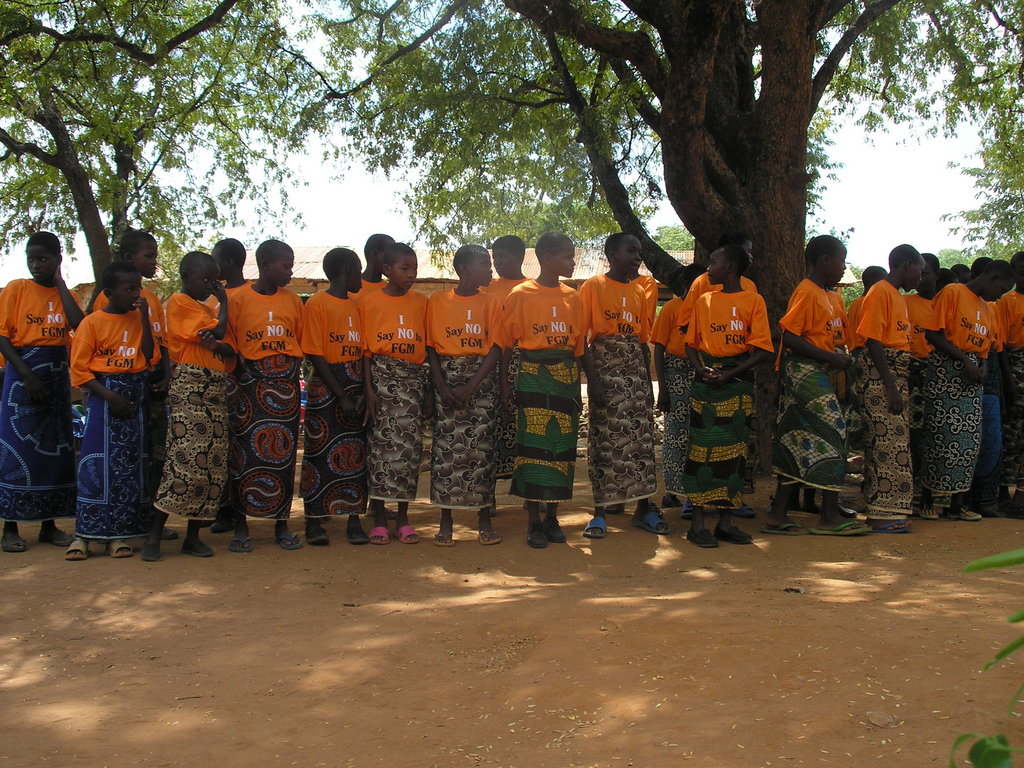
This past month, the Peer Educators reported finding female genital mutilation (FGM) going on underground in the Northern Tharaka region, with circumcisions being performed at night, and they have pledged to help combat the practice. They have also found that overall, FGM has been reduced by 70% in Tharaka over the previous years, due in large part to the work done by our project.
Thank you for supporting this important work!
Links:
![Share on Twitter]()
![Share on Facebook]()
Aug 1, 2012
"Girls have equal rights"-WGEP survey boys & girls
By Amy Maglio | Founder and Executive Director
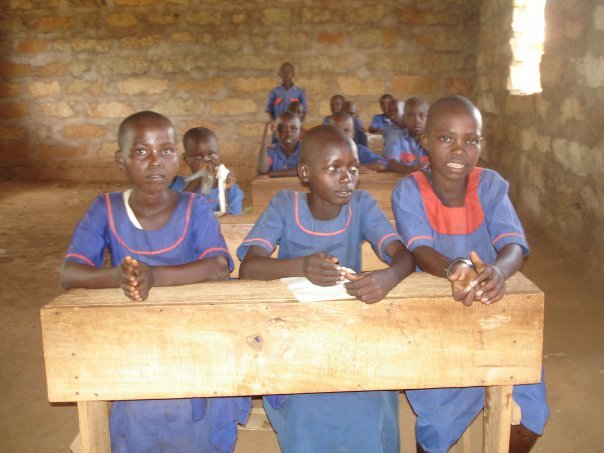
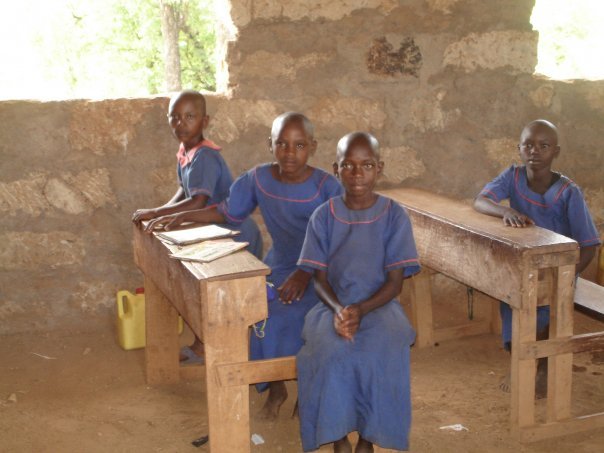
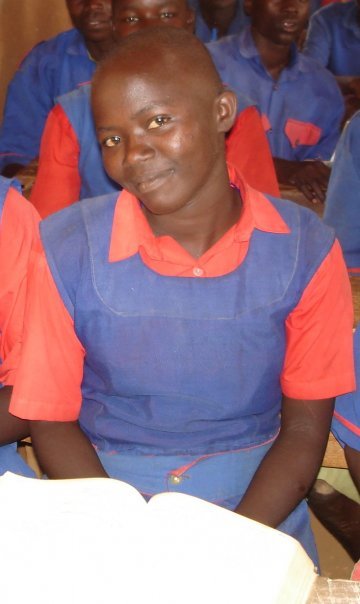
100 percent of the children recently surveyed at our WGEP Kenya Boys and Girls Clubs believe that girls should have the chance to go to school, the same as boys.
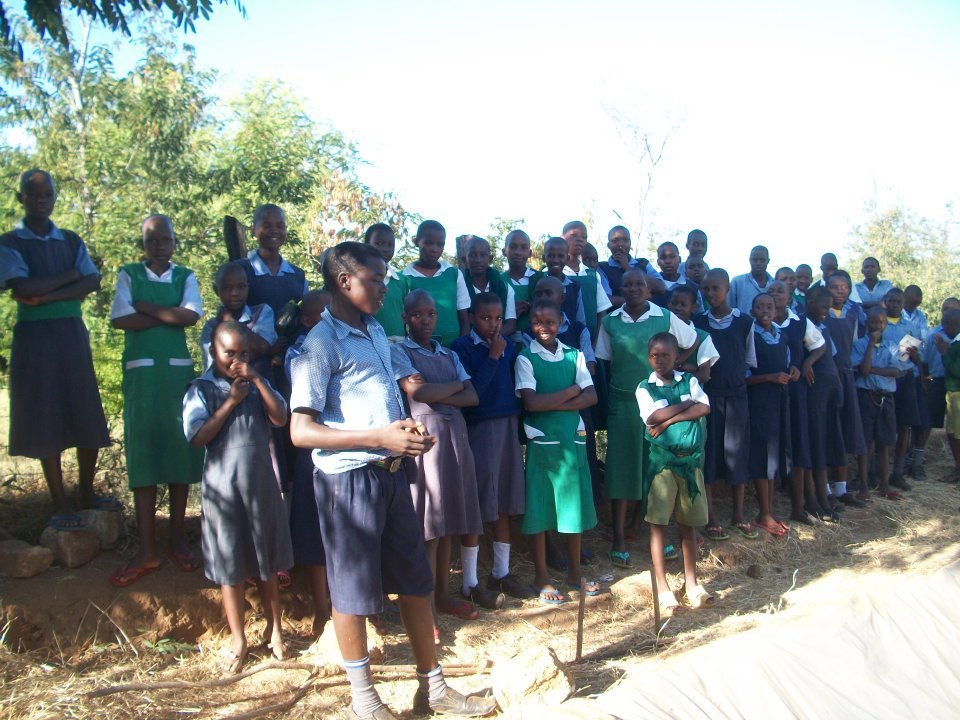
The survey asked 46 middle school club members about their attitudes towards girls, education, genital cutting, and empowerment. The results show that our programs are making a real difference: 78% of the girls said they did not want to undergo genital cutting; 60% of the boys said they did not support genital cutting for their sisters; and 100% of both the girls and the boys said girls should be able to go to school.
The survey also showed how much our programs are needed in the community: 60% of the children come from subsistence-farming families, and 80% cited lack of funds for food, shelter and school fees as the biggest problem their family faced. Thank you for your support of our WGEP project in Kenya!
Links:
![Share on Twitter]()
![Share on Facebook]()
May 24, 2012
WGEP visits Kenya program
By Amy Maglio | Founder and Executive Director
![]()
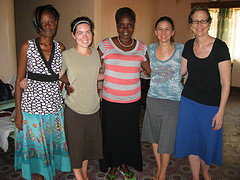
Women's Global Education Project recently visited our Kenya project in rural Tharaka, and returned with a renewed belief in the power of education to change lives!
"The trip was exciting, fun, hot, exhausting, exhilarating, inspiring, and humbling," says WGEP Executive Director Amy Maglio. "More than anything, it reinforced for us the impact--and great need--for our project and for what we are doing in the Tharaka region of Kenya."
Amy visited Tharaka last February with WGEP Board President Joan Sherman and WGEP Intern (and current Kenya Peace Corps Volunteer) Hayley Webster.
Amy reports on some of the highlights of the trip:
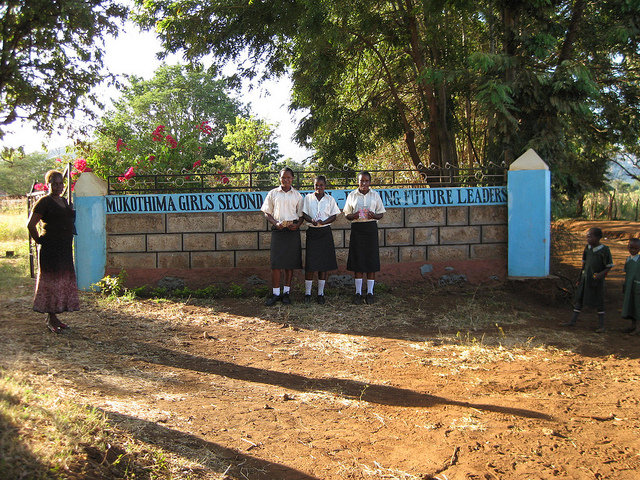
- 10 days in Tharaka, Kenya. "We met with our amazing staff, Aniceta and Rael, went to classes with our scholars, participated in after-school tutoring, joined Boys and Girls Molding Club sessions, sat with scholar moms in their adult literacy class, spoke at community meetings--basically talked to everyone we could about girls and education!"
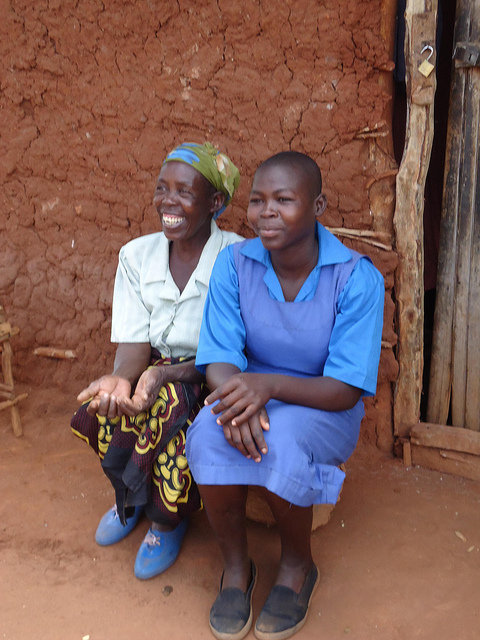
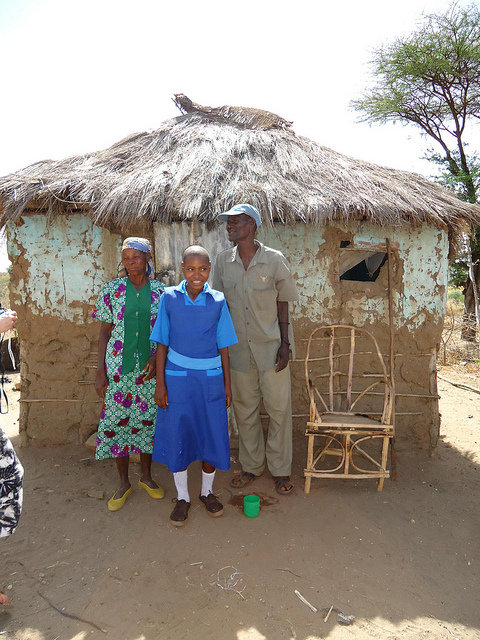
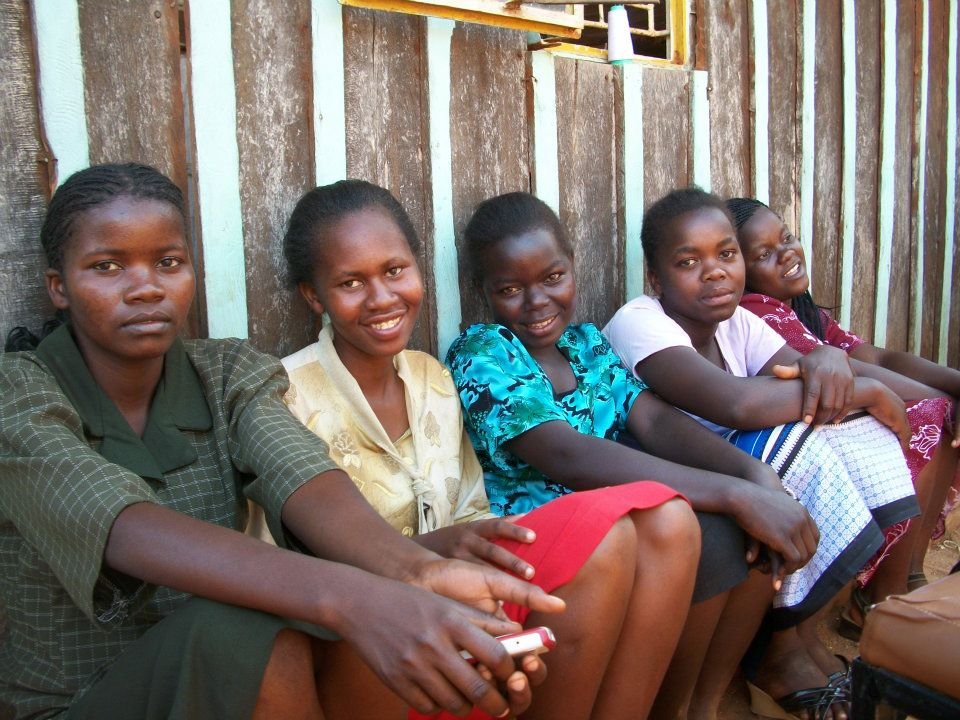
- Saw the difference that education can make in the lives of girls in Kenya and their families. "We heard directly from our scholars' families about how our programs help them overcome the challenges they face in educating their girls. We also saw how the lack of access to education can severely limit opportunities--and therefore just how important our work is in this region."
- Witnessed the impact of our work on the broader community. "There is more support for women and girls in the villages where we work. More families are sending their girls to school, there are more women in leadership roles, and it is slowly becoming the norm for girls and their families to refuse genital cutting!"
- Saw the effects of the East Africa drought and famine. "Rains finally came in January, which helped alleviate the immediate problems in Tharaka--hopefully they will keep coming. Many thanks to everyone who helped us send food aid over to our scholars and families--it really helped them over the hump until the rains came."
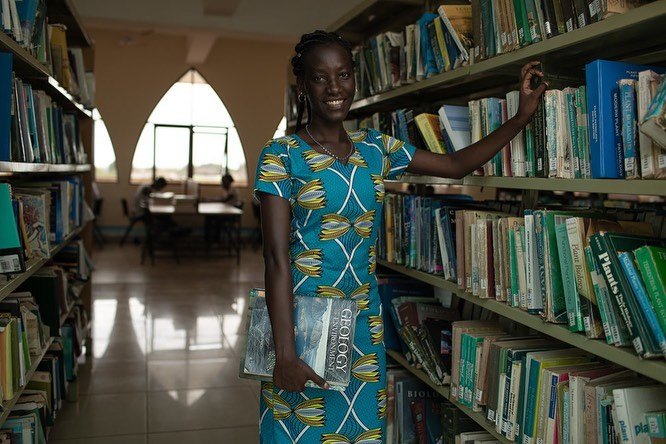
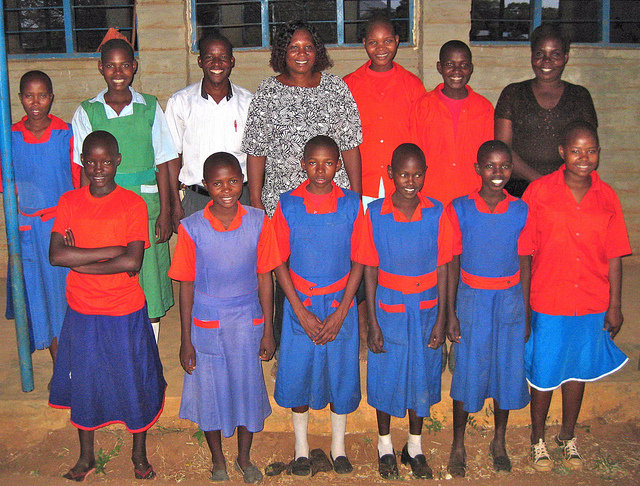
- Getting to know our amazing scholars and graduates. "Our scholars and grads are truly inspiring! Many of them have overcome huge challenges and barriers to go to school and succeed academically. WGEP is proud to be helping them achieve their dreams of becoming teachers, doctors, midwives, lawyers, engineers, pilots, and someday, perhaps even president of Kenya!"
![]()
![]()
Links:
![Share on Twitter]()
![Share on Facebook]()