By Kaufusi Daniela | Refugees Projects Coordinator
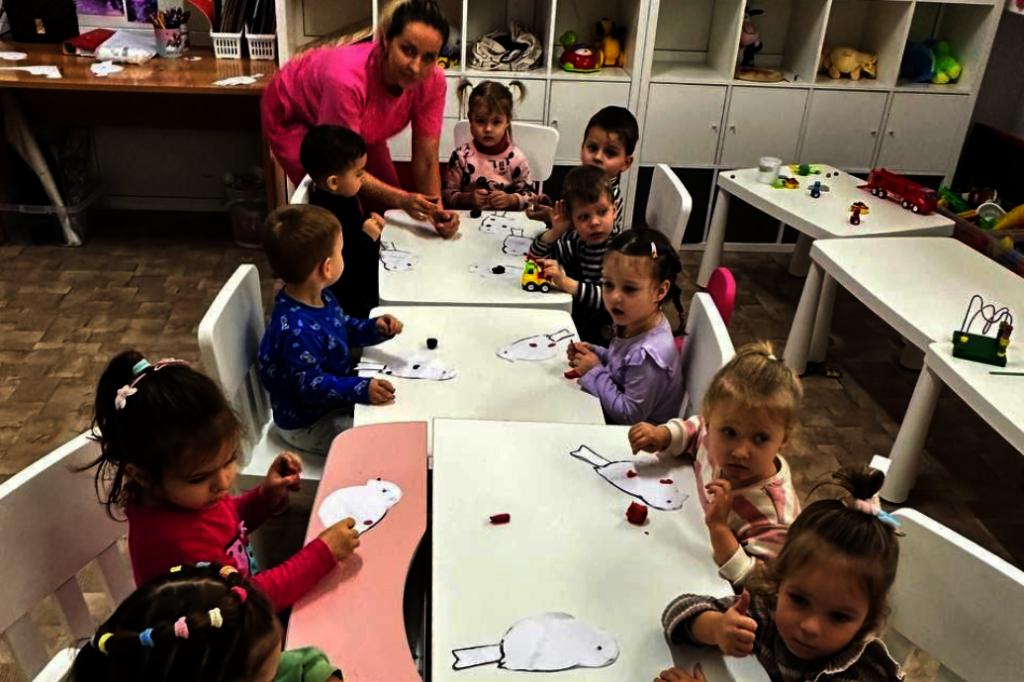
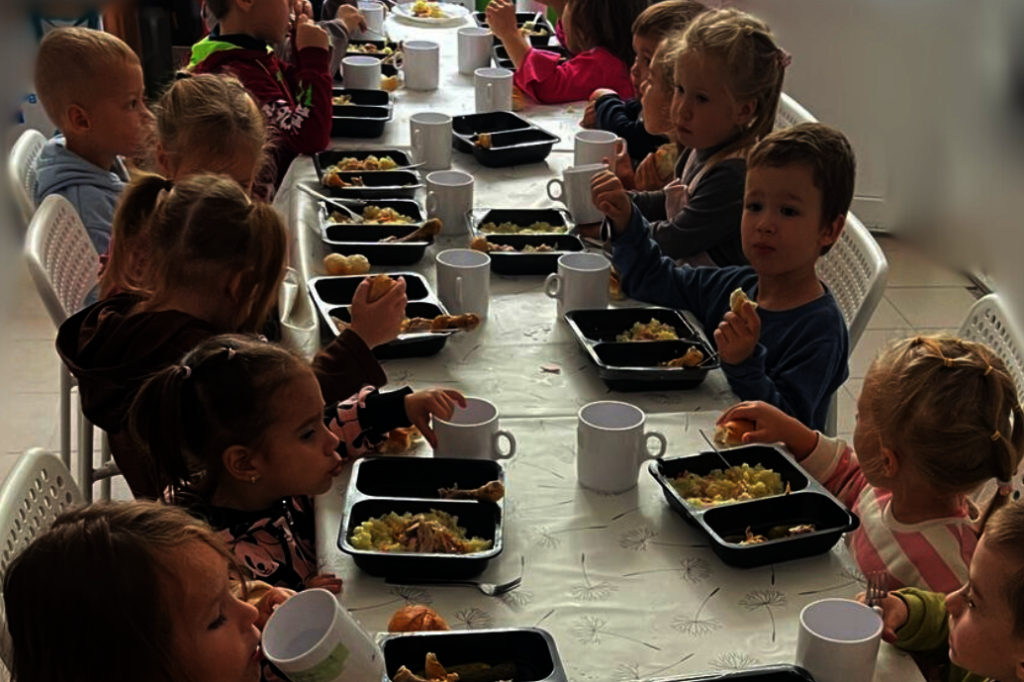
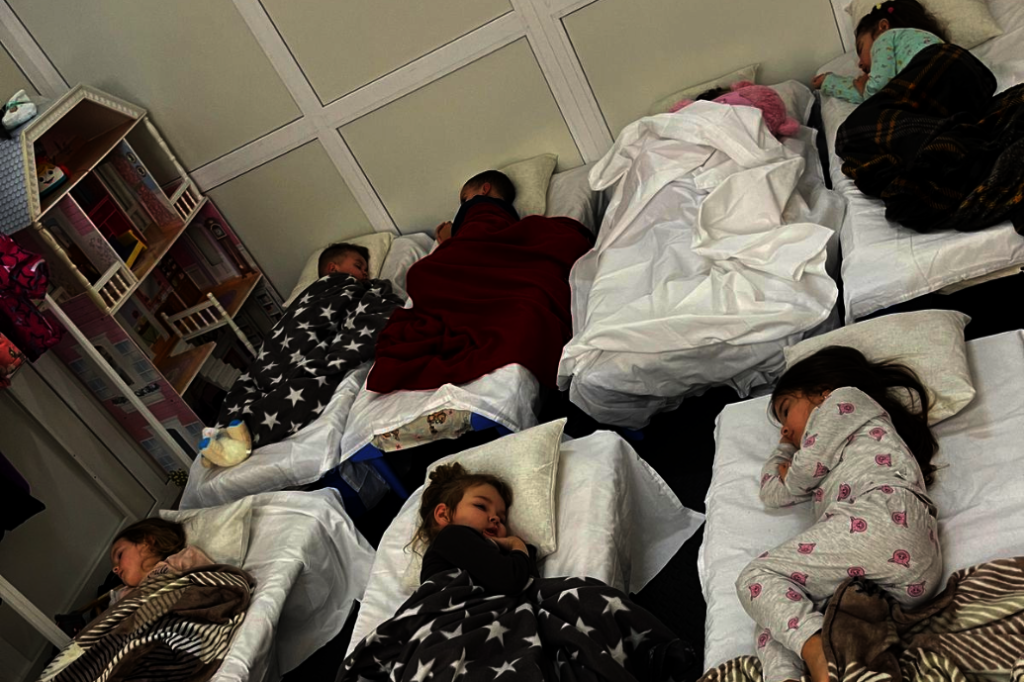
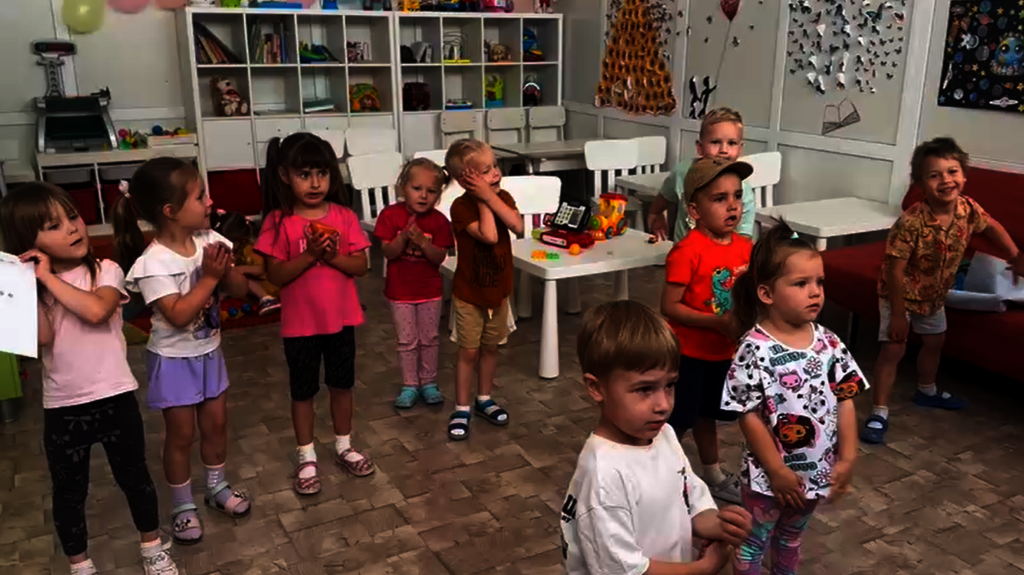
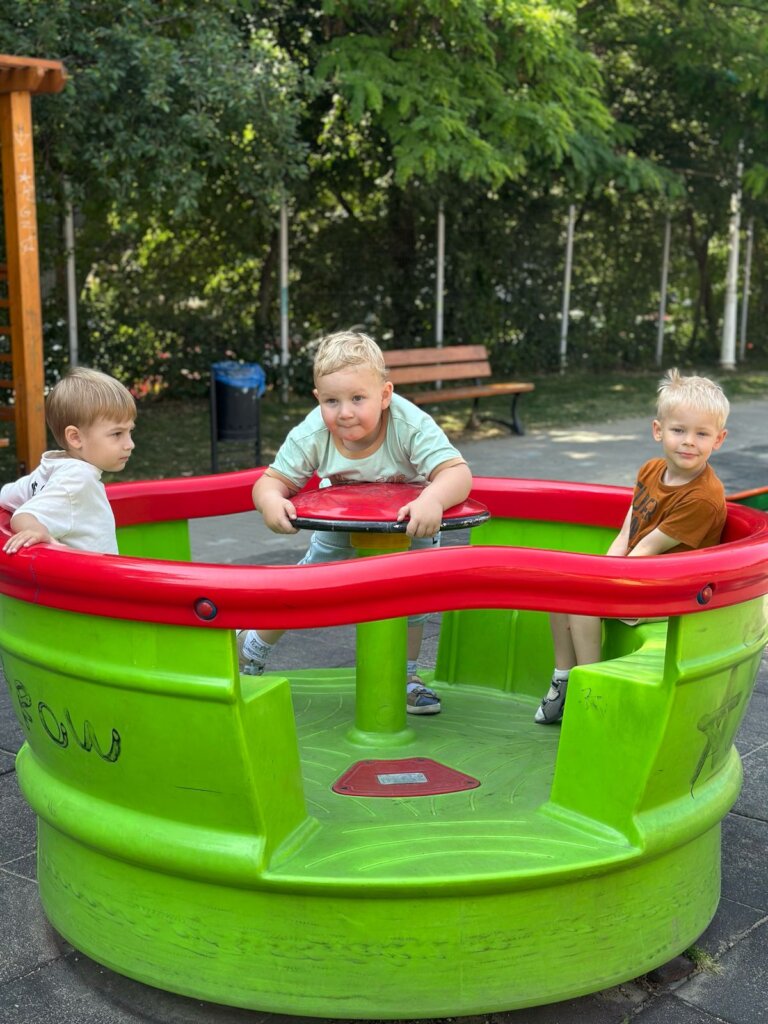
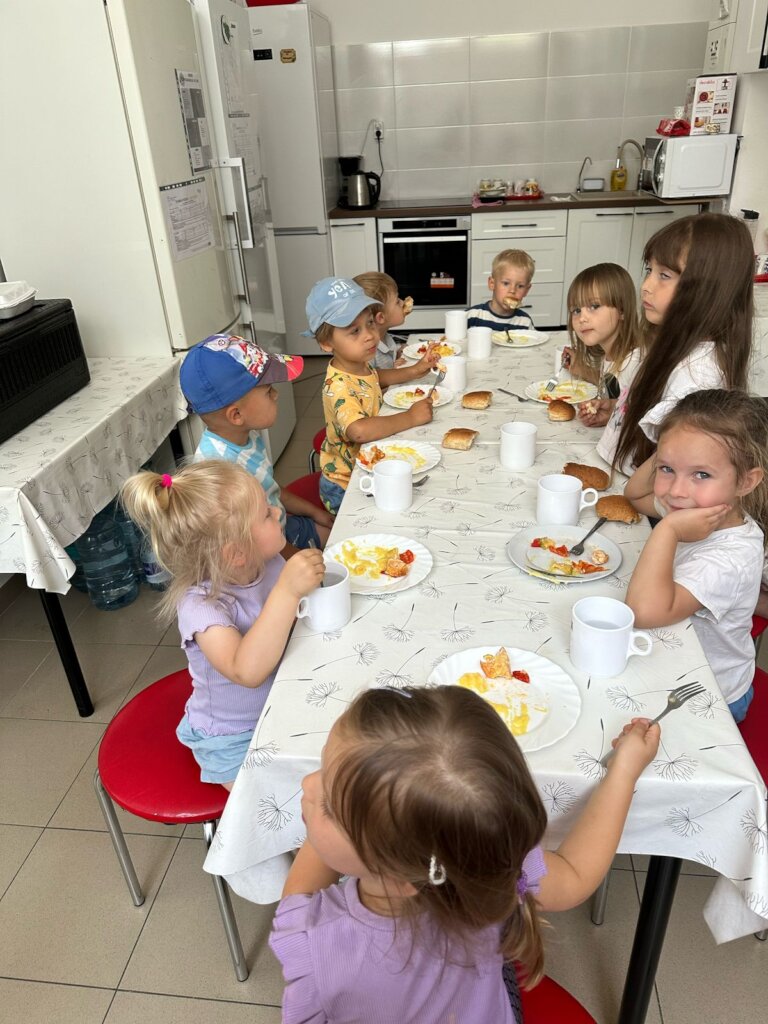
In this period marked by summer vacations and a general slowdown of activities in many institutions, our kindergarten program for Ukrainian refugee children has continued without pause. While many doors close during the summer, ours have remained open – because the needs of these children do not take a holiday.
Two children from the kindergarten groups we organized in partnership with a local public kindergarten have successfully completed the full kindergarten cycle. This fall, they will take their next important step and begin school in Romania. It is a beautiful milestone and a reminder of why this work matters – but also a sign of how vital early support and structured educational programs remain for refugee families.
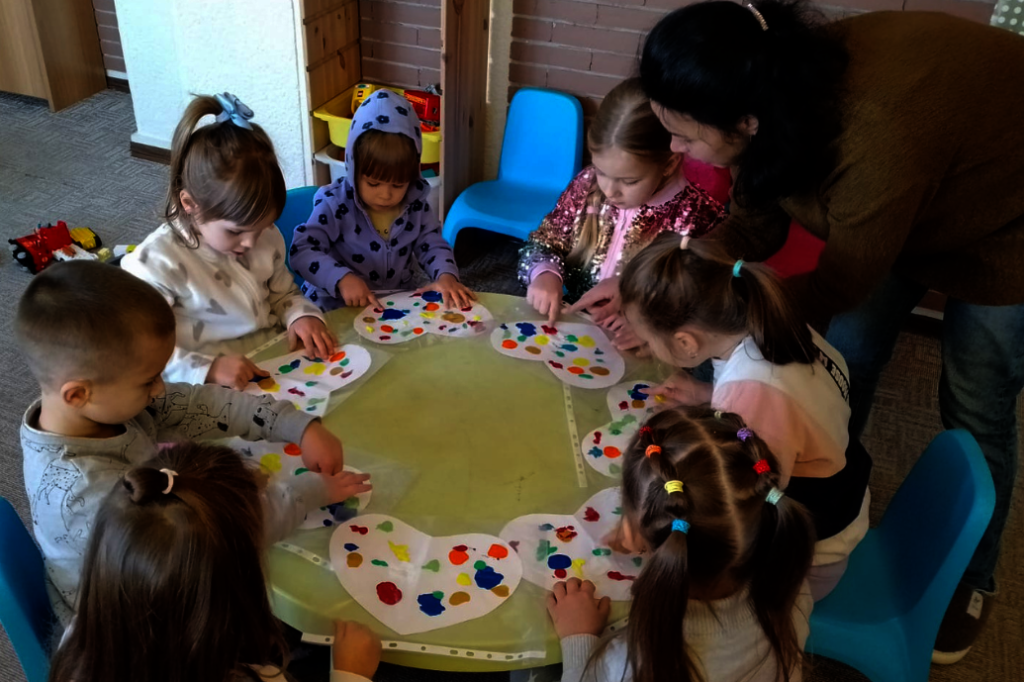
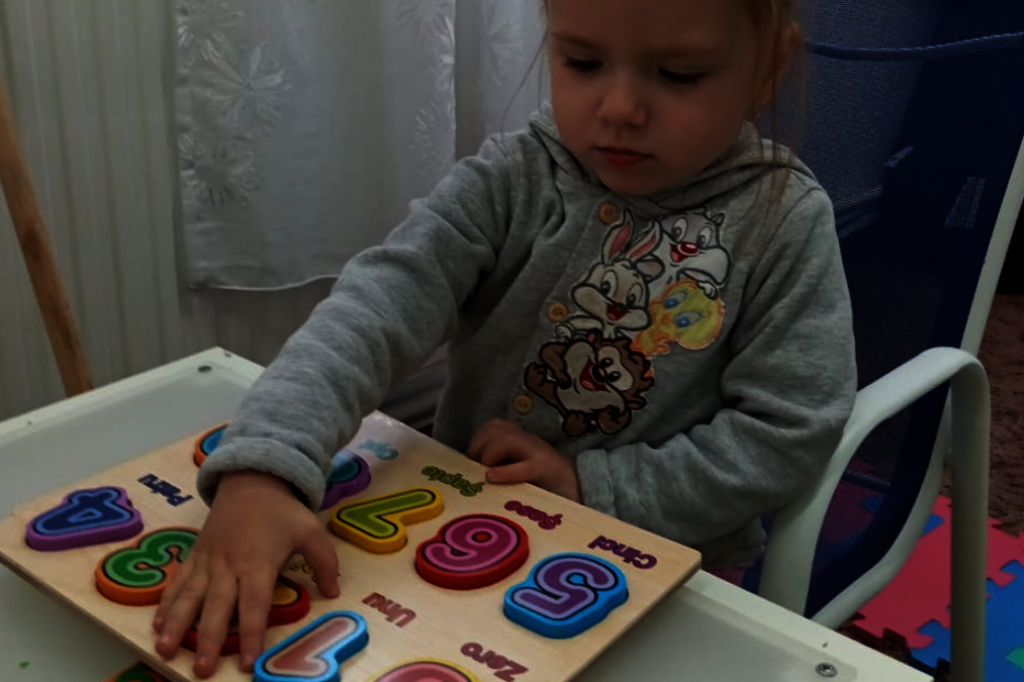
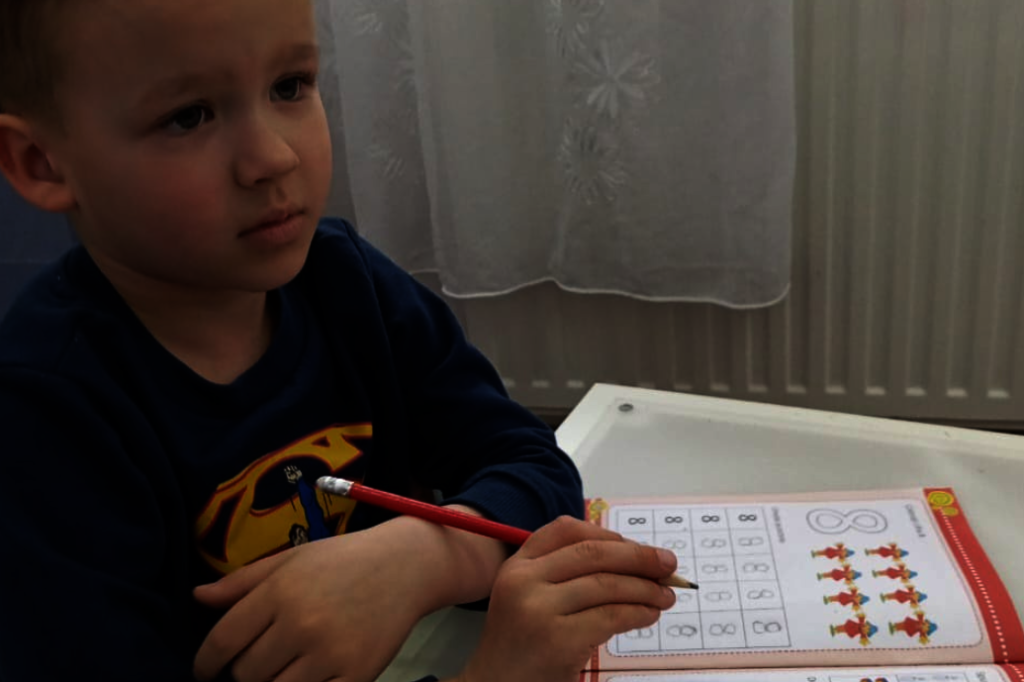
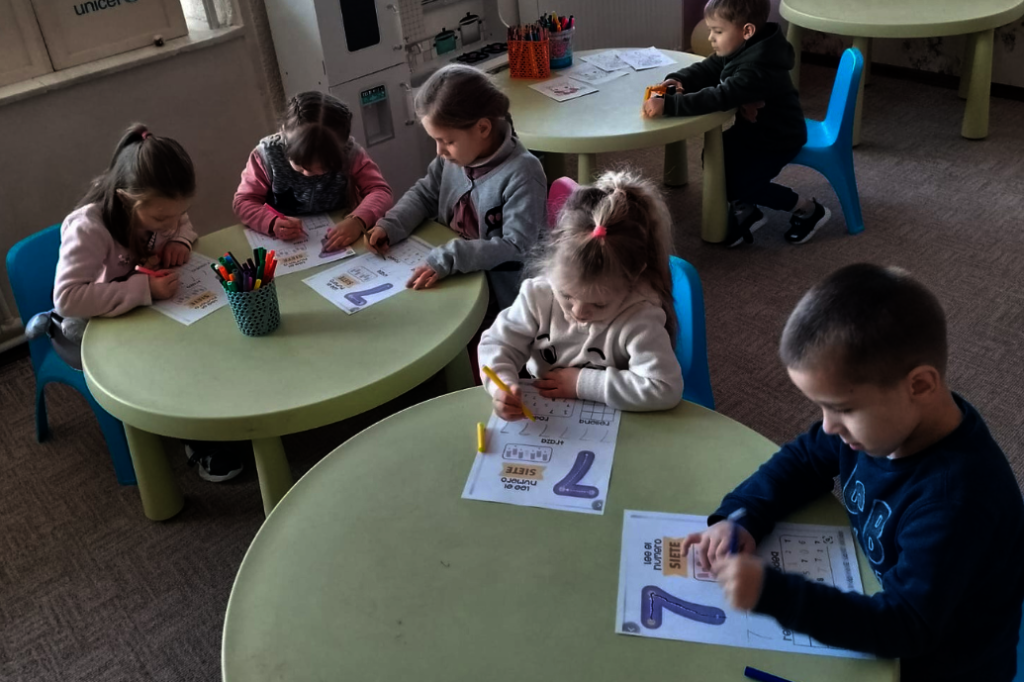
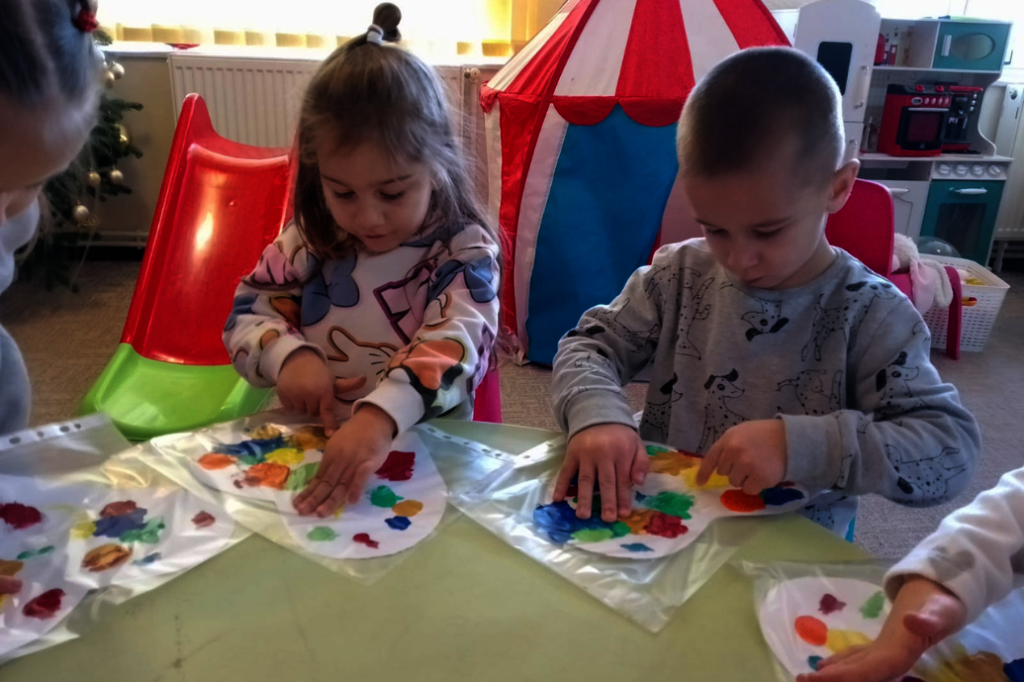
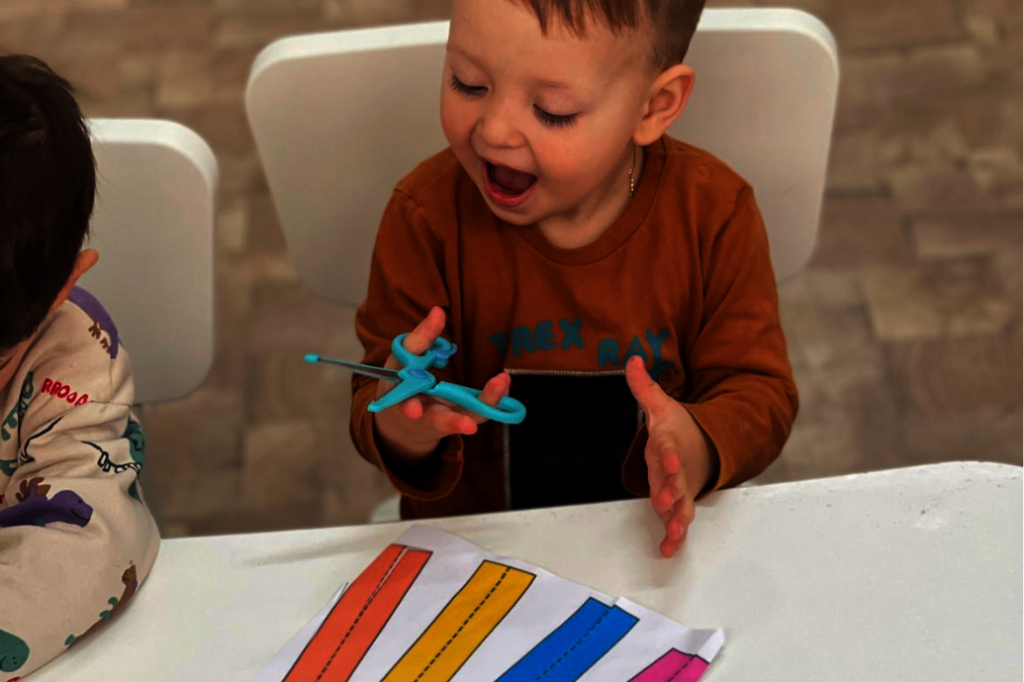
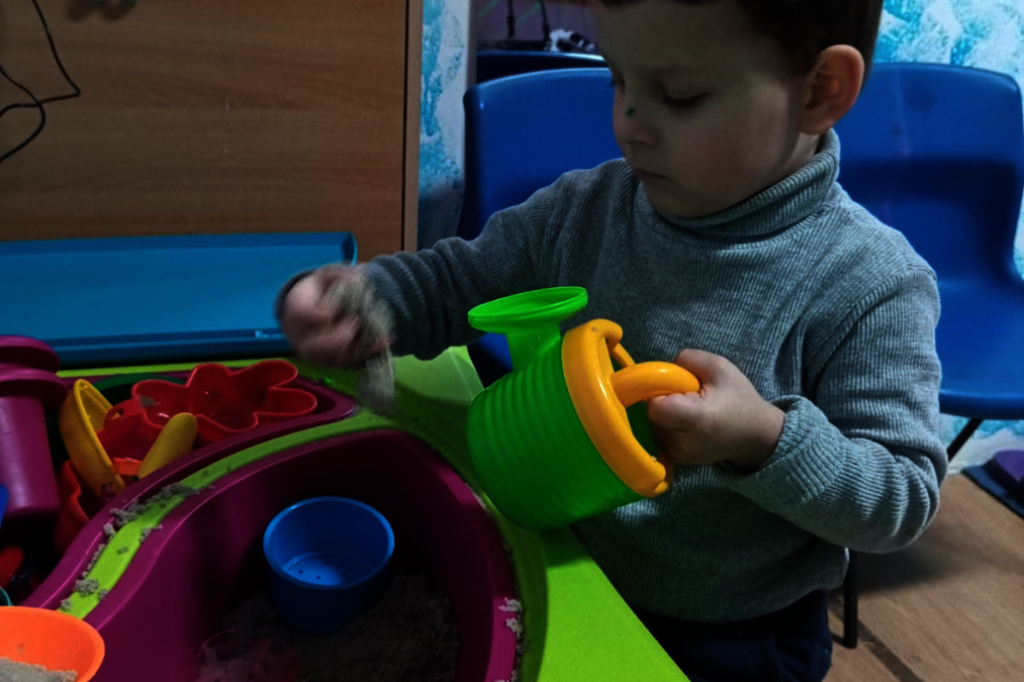
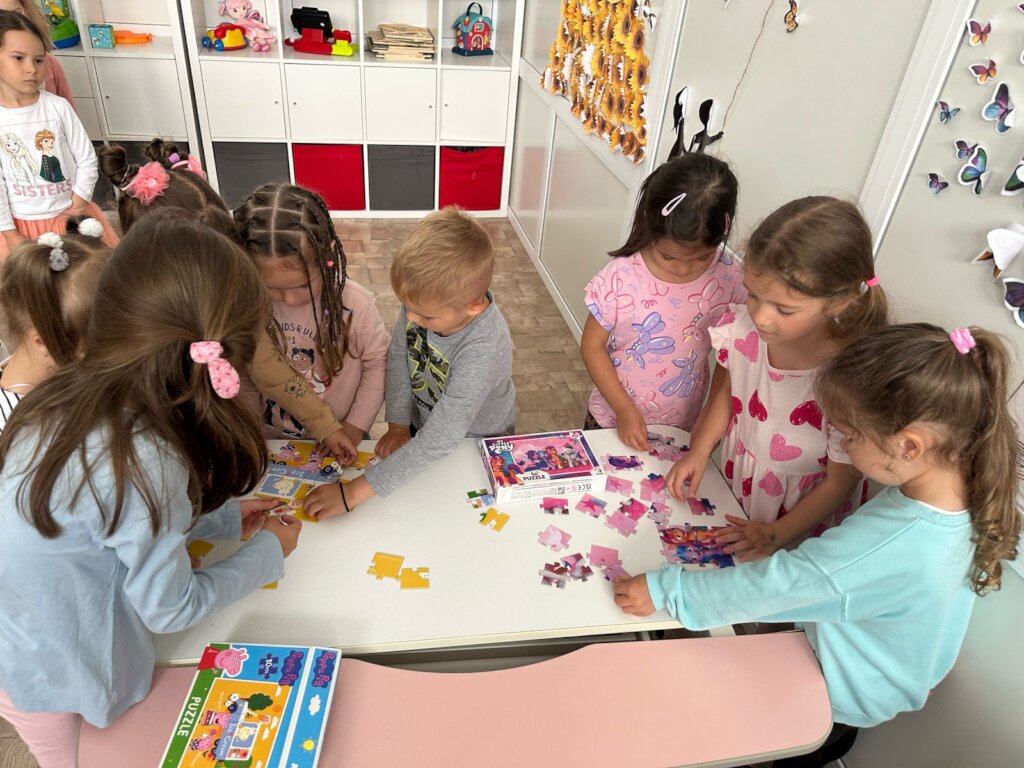
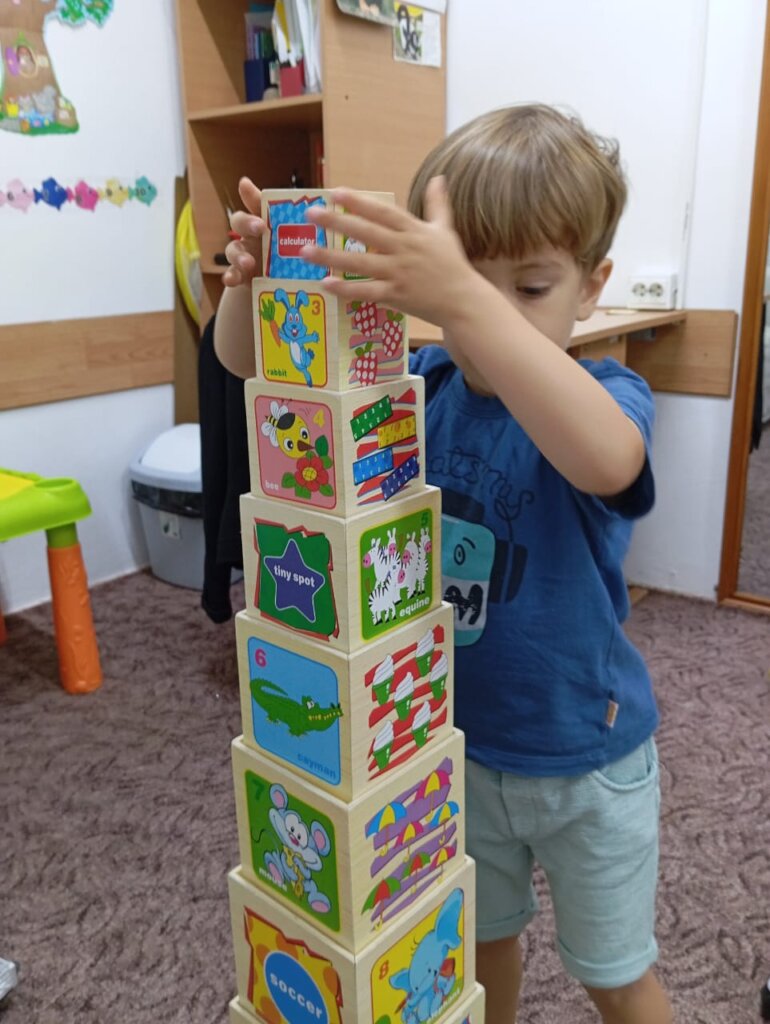
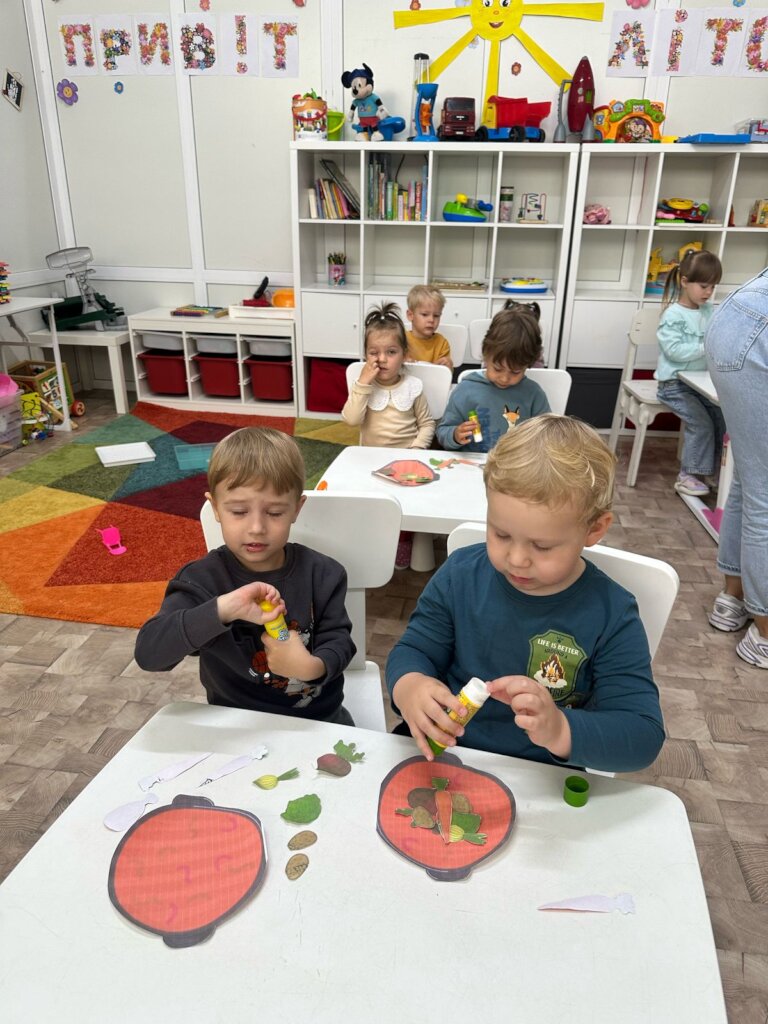
At our center, the summer brought no pause – only continued growth. The children are making steady progress in learning numbers, geometric shapes, and other essential skills for their age. At the same time, they are learning the Romanian language, a crucial step for their integration and emotional well-being. Every day they come with curiosity, resilience, and hope, and every day we try to meet their needs – not just educational, but emotional, psychological, and social.
Key Events and Milestones
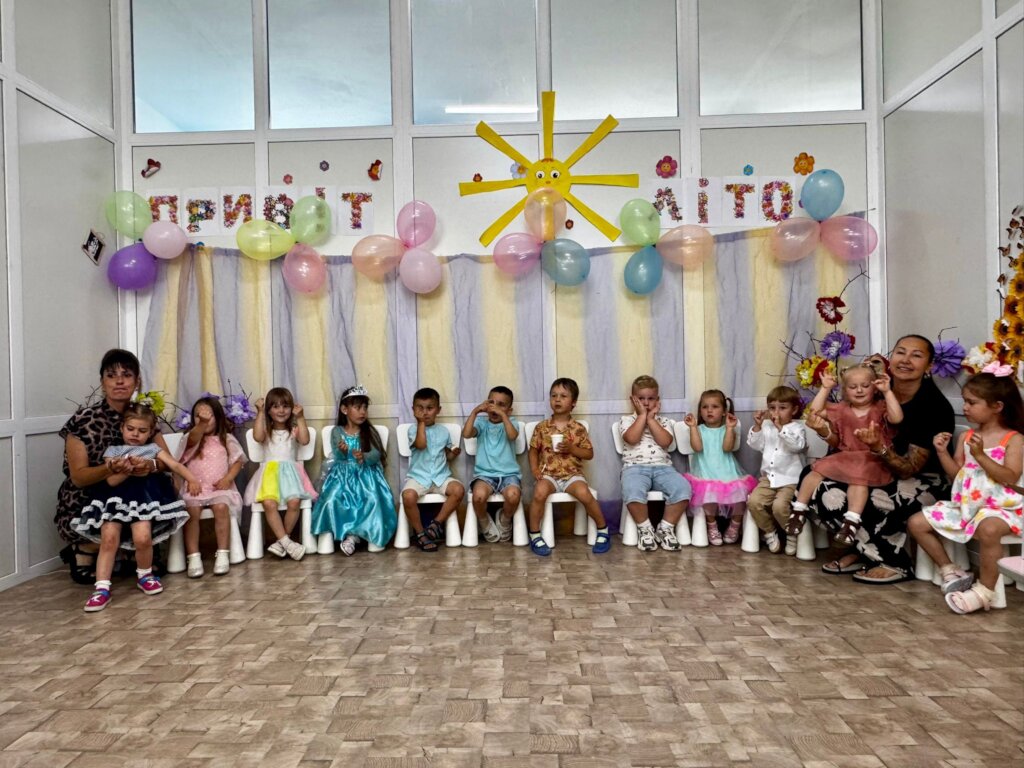
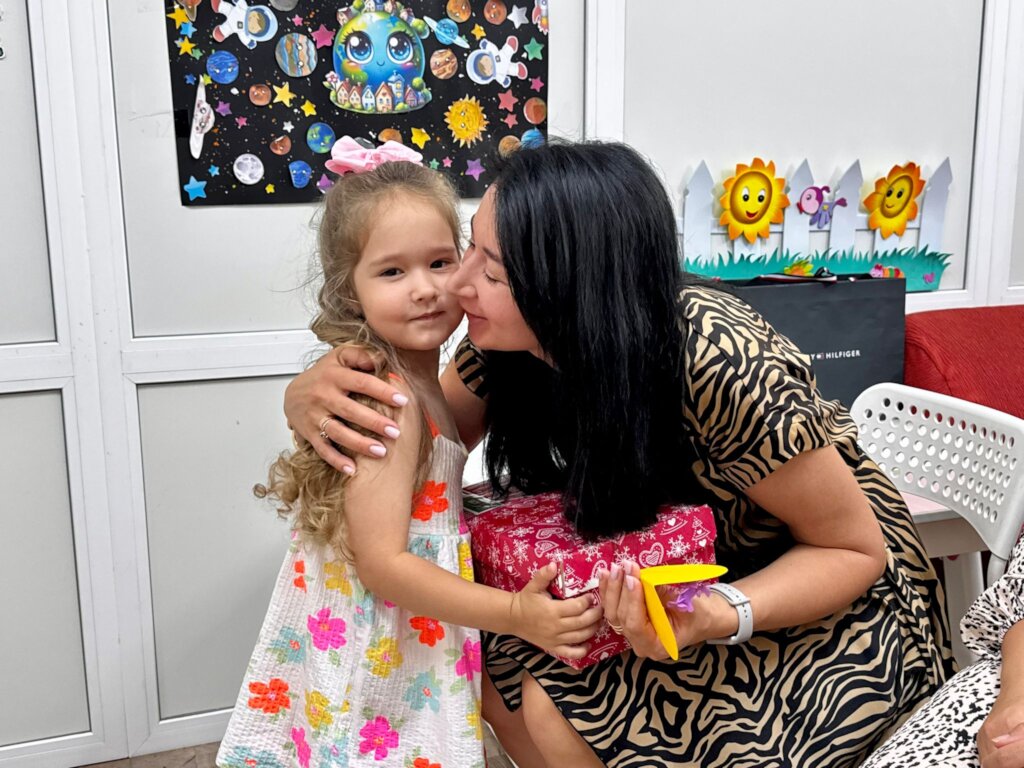
Children’s Day was a moment of joy and celebration. Each child received a gift and experienced a sense of normalcy and delight – something no child should be deprived of, even in exile.
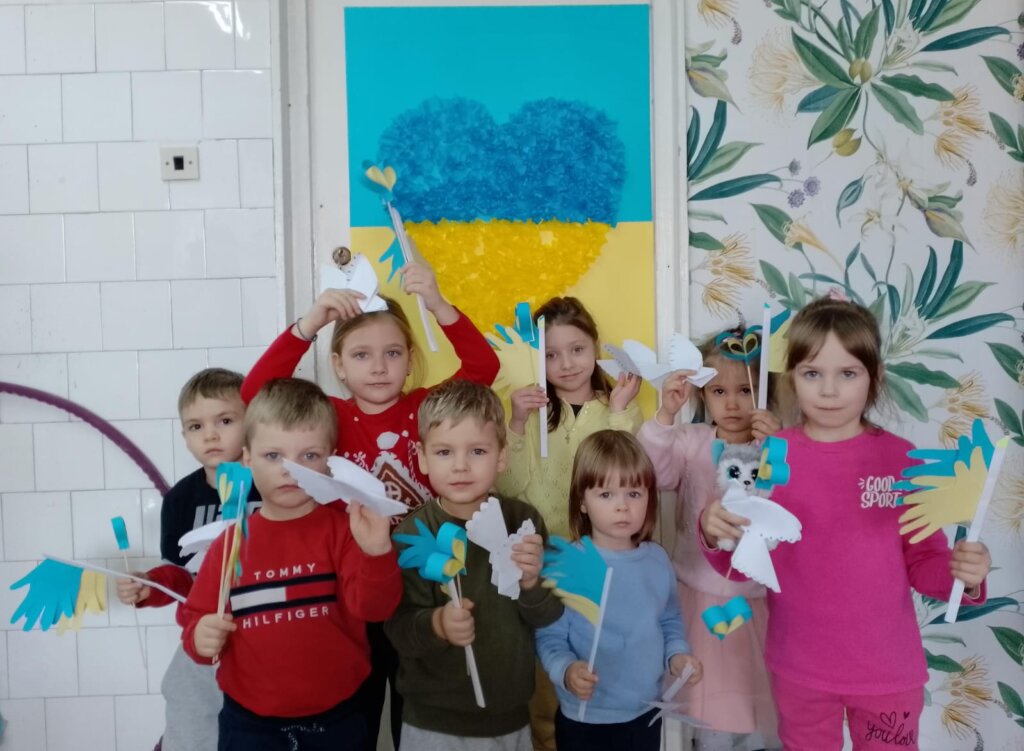
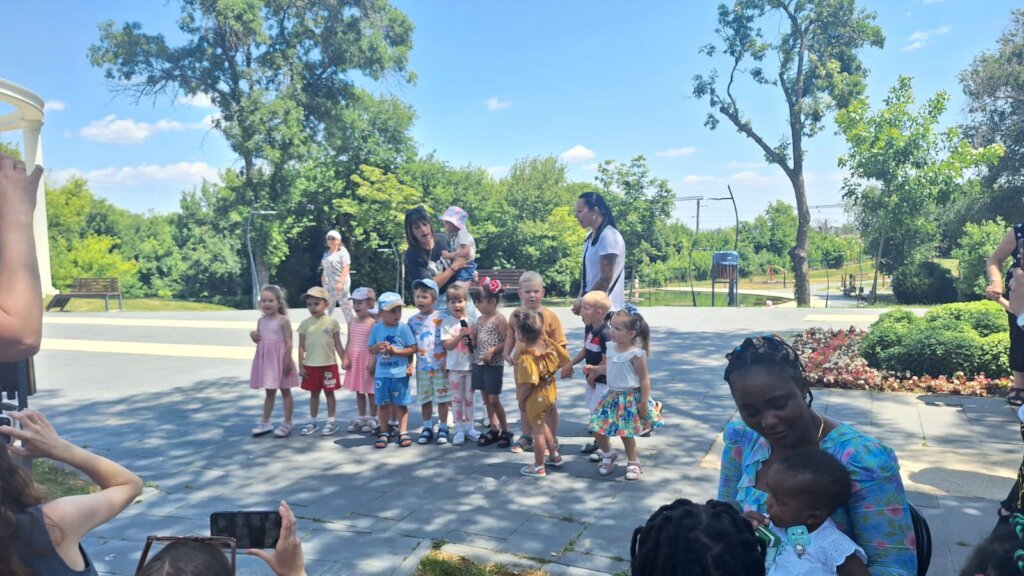
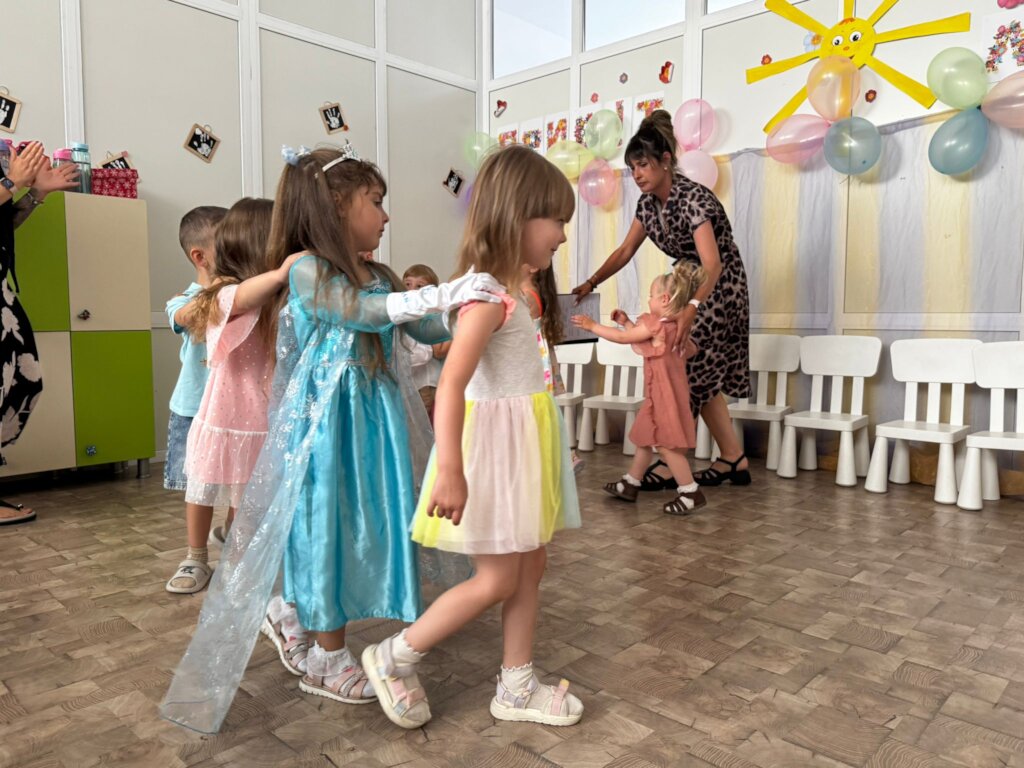
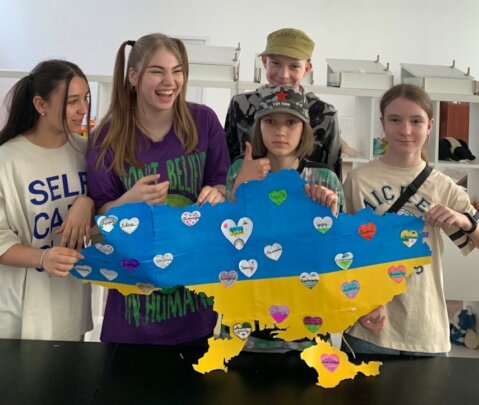
World Refugee Day was a powerful reminder that they are not alone. We celebrated in a local park, alongside partners and other organizations working with refugees from various countries. Our Ukrainian kindergarten children contributed a touching artistic moment, singing “ …” — a song that has become a symbol of resistance and hope.
The children sang it with wide eyes and open hearts, while behind them, adults stood quietly – some with tears in their eyes, whispering the words in unison. It was not just a song; it was a prayer, a collective act of remembrance, identity, and strength. For the Ukrainian people, this melody carries the weight of history and the promise of endurance.
In that moment, it was clear: these children are carrying not only backpacks and notebooks – they carry the memory, pain, and hope of an entire nation.
Ira’s Story – When a Kindergarten Becomes the Only Hope
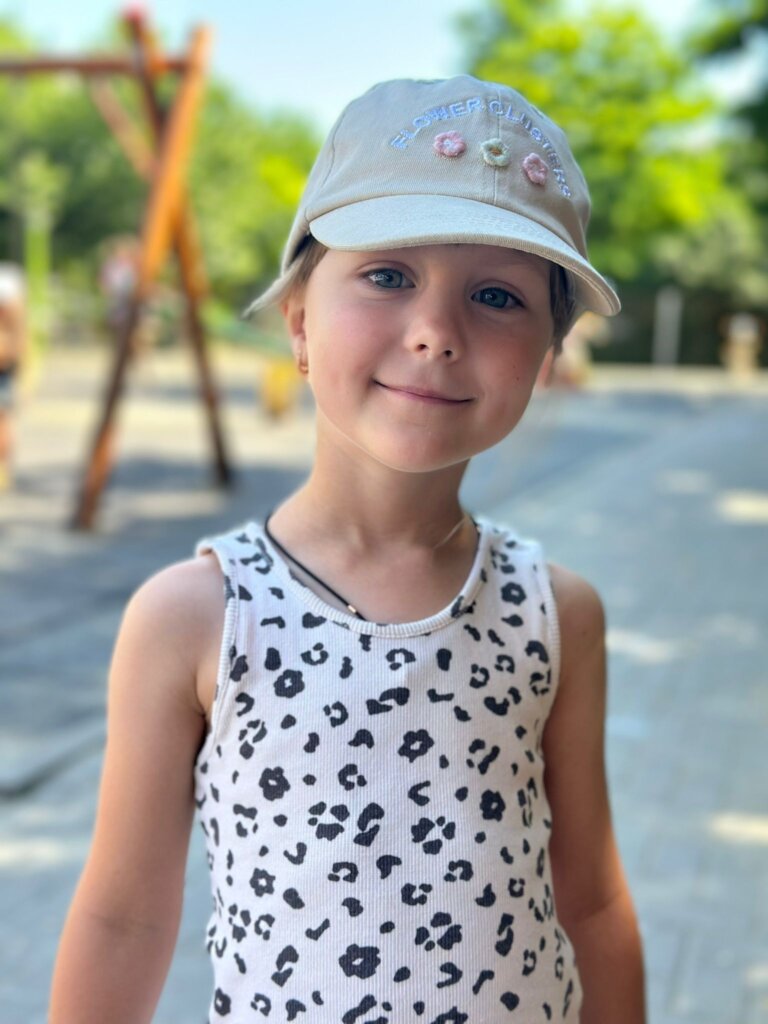
Ira is five years old. She’s a quiet little girl with wide, watchful eyes — the kind of eyes that seem to be always looking for danger, even when everything around her is calm.
She and her mother fled Ukraine last year, along with Ira’s older sister. They came from a small village where, once the war started, the school and kindergarten shut down completely. The few children who stayed behind — the ones who didn’t escape the bombings — had to travel 40 kilometers to the nearest town just to attend a school with a basement shelter in case of air raids.
Ira never went to kindergarten. She spent her early years in fear, in isolation, with war outside her window. Her mother told us that Ira witnessed a bombing very close to their home. That kind of trauma doesn’t go away easily.
When they arrived here, her mother tried enrolling her in a public kindergarten — but no one would take her. There weren’t enough spots, and Ira’s developmental delays made things even harder. Meanwhile, her mother was trying to rebuild her life. She enrolled in university, hoping for a better future for her girls. But trying to study with a young child who’s struggling emotionally is almost impossible.
Technically, our kindergarten program only accepts children up to age four. But we knew we couldn’t turn them away. In Ira’s case, saying “no” would have meant leaving her with no other option. So we said yes.
At first, it was incredibly difficult. Ira was terrified of loud noises. When the other kids screamed or played too loudly, she would freeze or cry. She didn’t speak much, didn’t play, didn’t connect.
But slowly — with patience, care, and lots of love from our educators — things began to change.
Ira also started attending therapy sessions at our recovery center. And little by little, we saw the difference. She cries less now. She’s playing with other kids. Her language is developing. She even smiles. Some days, she sings.
This kindergarten isn’t just a classroom for her. It’s a lifeline. It’s a safe space — maybe the first one she’s ever truly known.
For children like Ira, we’re not just a place of hope. We are the only hope they have in this area.
Challenges and Continuing Needs
Our community assistants have worked hard to facilitate the enrollment of Ukrainian children into Romanian public kindergartens. Registrations have recently begun. However, we have already encountered significant barriers – most of the children were rejected due to lack of available places. Public kindergartens are limited and overwhelmed, and unfortunately, the children of refugees are often the first to be left out.
This reality underscores the importance of alternative educational spaces like ours. These children and their families still need safe environments, access to education, psychosocial support, and community. The trauma of displacement does not vanish in a few months or even a year. For many, the war is still present in their thoughts and conversations.
Our center continues to be more than a classroom. It is a place of belonging, of rebuilding trust, of finding a rhythm in a world turned upside down. But we cannot do this alone. These families still need us — and we, in turn, need sustained support to continue meeting their needs.
Project reports on GlobalGiving are posted directly to globalgiving.org by Project Leaders as they are completed, generally every 3-4 months. To protect the integrity of these documents, GlobalGiving does not alter them; therefore you may find some language or formatting issues.
If you donate to this project or have donated to this project, you can receive an email when this project posts a report. You can also subscribe for reports without donating.