By Ranjeet Kumar | People First Student
Hello Everyone.! I am Naresh, in charge of the education programme here at People First and it's time for a project update . I have asked Ranjeet one of our students, ( we have to change the name according to the rules because we cannot give personally identifiable information), but what he has written in Hindi and translated is completely unedited.
Namaste. (Greetings)
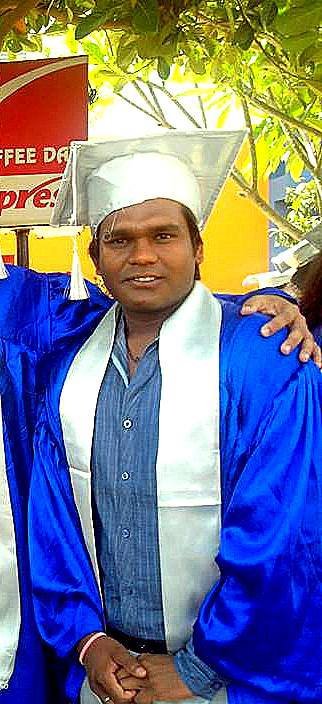
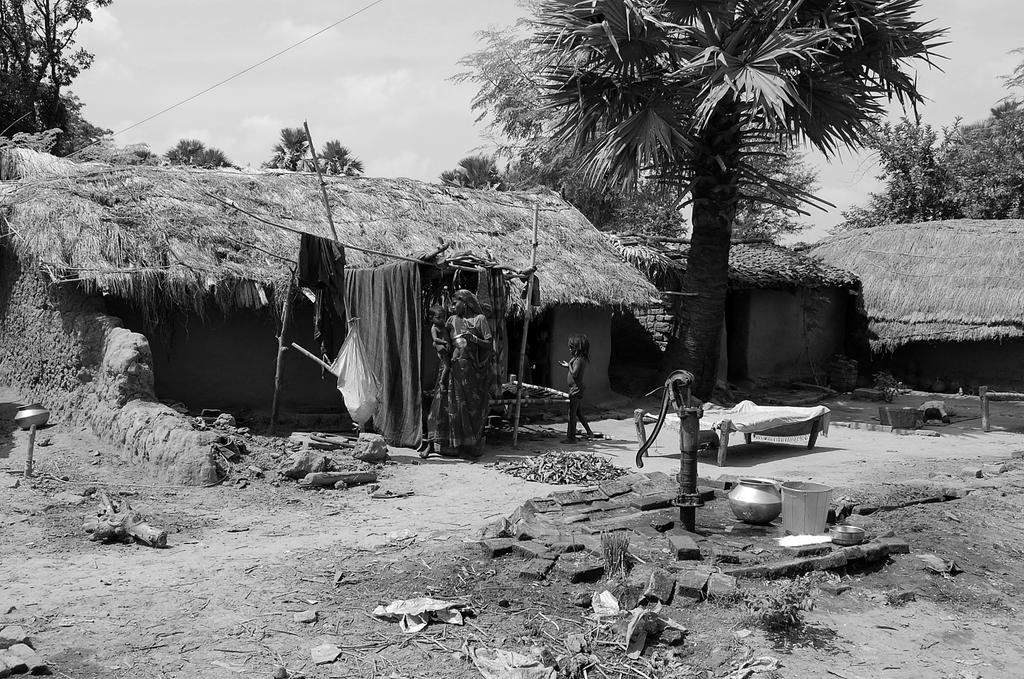
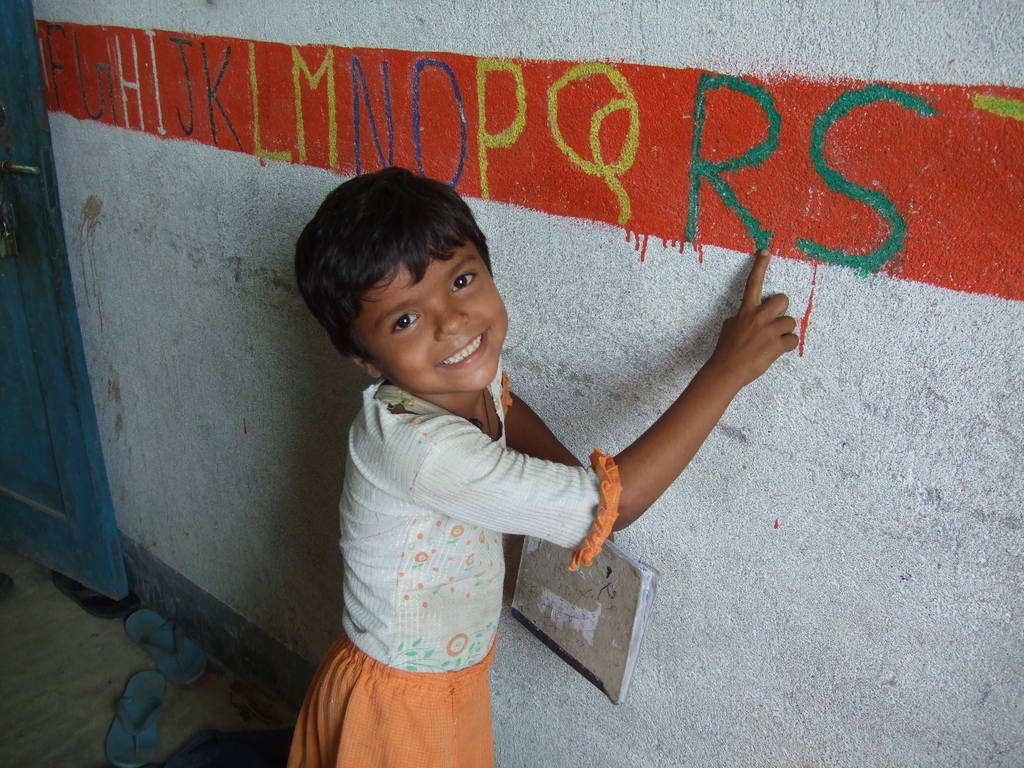
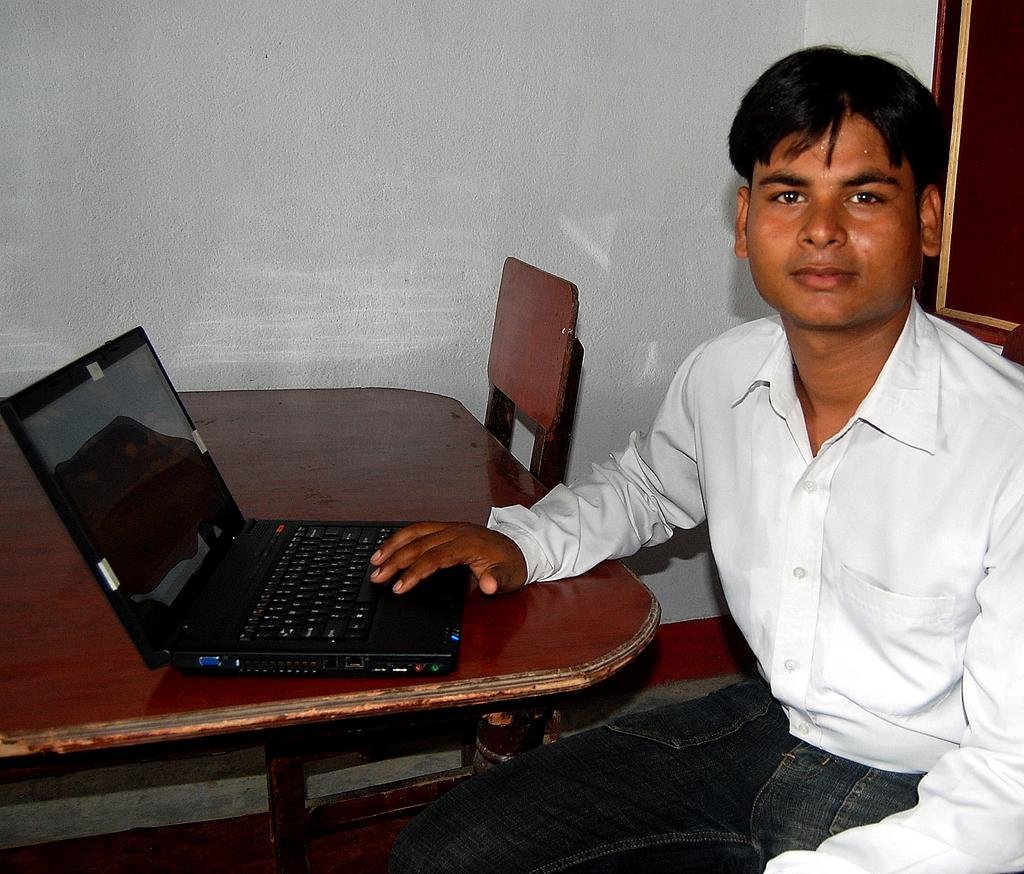
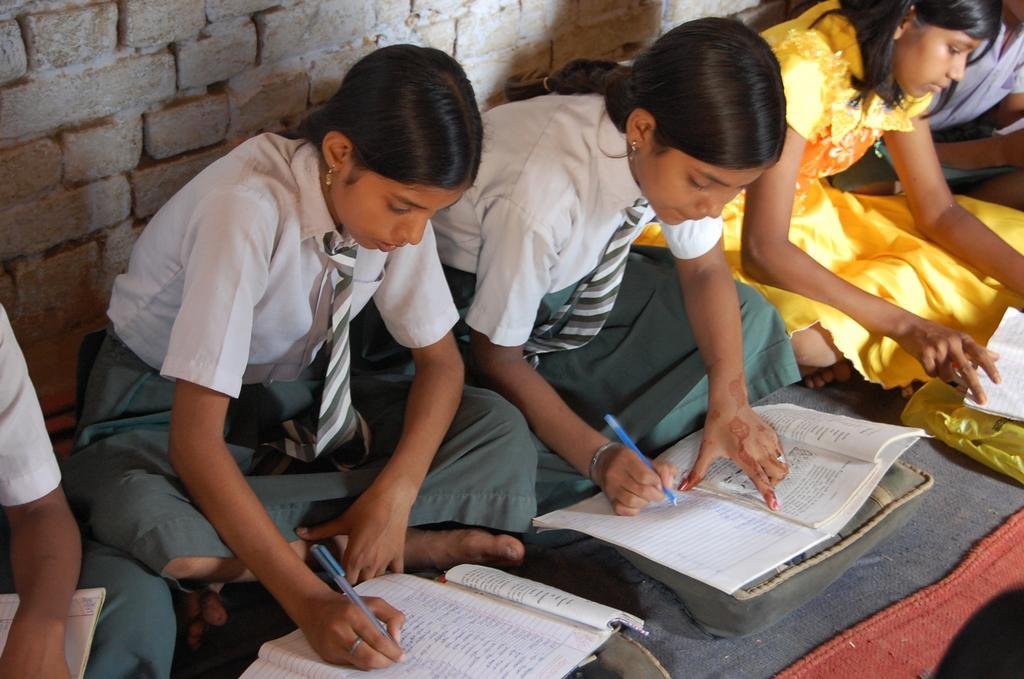
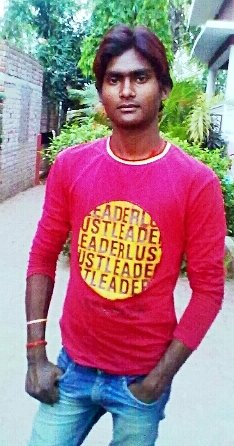
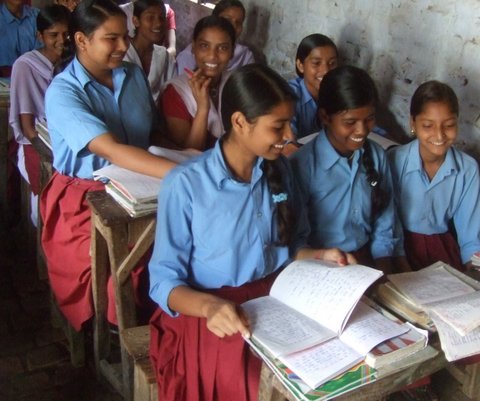
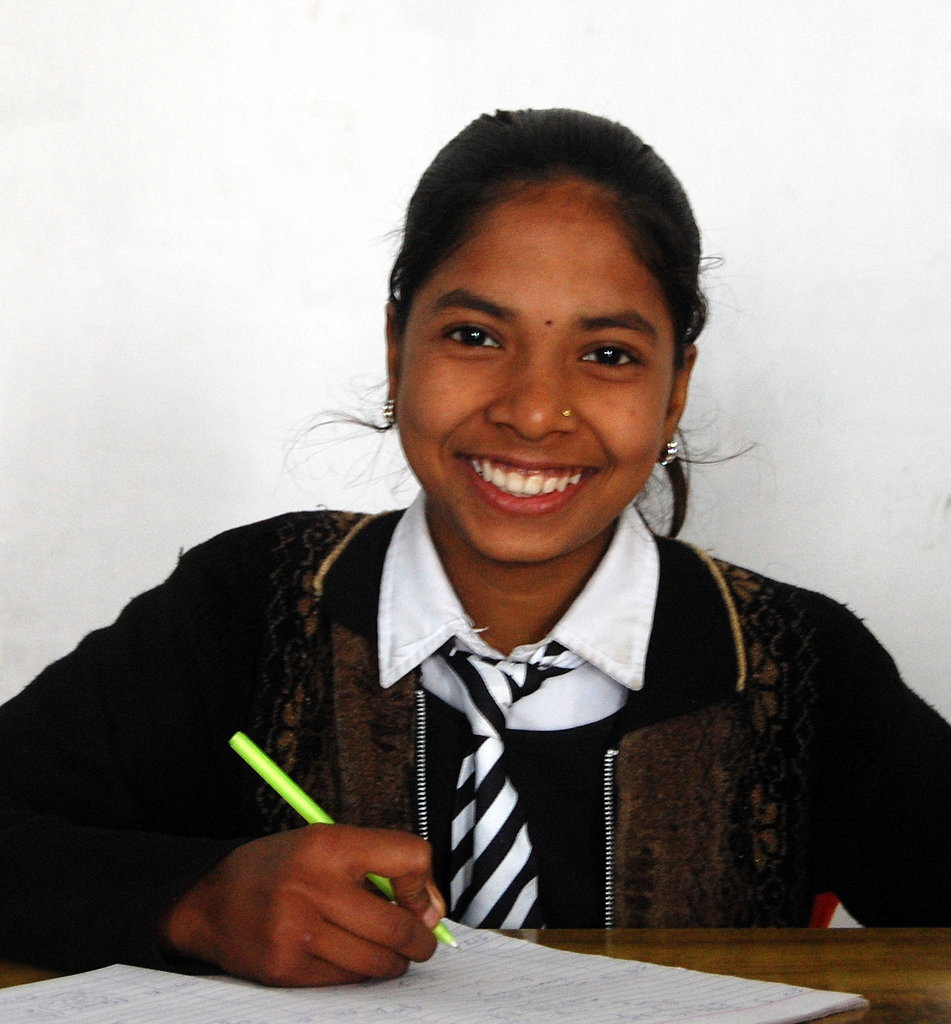
My name is Ranjeet, I am 17 years old and I have a People First scholarship at Gaya College , and I am studying science. I come for a village where People First has a school and they have educated me without any cost for me and my family for over 10 years. We are extremely poor, but with my education that will change. But I think you know that People First has this programme, I think you know how wonderful and successful the programme is, how it helps so many students like me to change their lives.
I want to tell you all just what the situation is here for poor students who have to rely in government education, unless like me they are very lucky, and others help them through the goodness of their hearts .
Here in Bihar the government recruited thousands of teachers to fill in the shortages particularly at primary schools and here's what happened, we discussed this news article in our regular monthly student meeting with Naresh Sir and others, Its from the BBC dated 15th July 2014.
When authorities in India's Bihar state began a mass recruitment of primary school teachers in 2003, many believed it would lead to an improvement in the quality of education.
Bihar's primary schools did not have enough teachers, so the new recruits were welcomed.
To fill in the hundreds of thousands of vacancies, the appointment rules were relaxed - the teachers were hired on presentation of degree certificates verified by the city or village council officials and they did not have to write any competitive examination.
Known as "contract teachers", these new recruits are paid just 25% of a regular teacher's salary of 40,000 rupees ($666; £389) a month.
More than a decade later, things look relatively better on paper - some 417,000 teachers, a majority of them (362,000) hired in the last decade, are employed with 73,000 primary schools.
But the reality is much grimmer: news washed up recently that more than 20,000 of the new recruits had forged their degree certificates to get their jobs. Authorities have already dismissed 779 teachers after investigation.
Senior education department official Ram Sharnagat told the BBC that they had received complaints against 52,000 teachers for submitting fake certificates.
"We will conduct a thorough probe and those who have forged their certificates will lose their jobs," state Education Minister Brishen Patel said.
Rising corruption
This is not the first time that such a scandal has hit school education in Bihar: some 15,000 teachers were dismissed in December 2008 for providing forged certificates.
That's not all. Education in Bihar is beset with several other problems too. Consider this:
No wonder, say experts, Bihar has the lowest literacy rate in India - 63% against the country's average of 74%. It also has a poor teacher-student ratio with one teacher for every 63 students, against the recommended national average of one teacher for 40 students.
Many of the schools have no classrooms
No wonder then that a primary school teacher in Samastipur district was caught on camera by a local news channel a few years ago telling students that there were 360 days in a year and that Patna - the capital of Bihar - was the Indian capital.
She also spelt January as Junuary, apple as Apil, and education as adukesun.
There's a lot more I could tell you, according the official auditor of the Indian government were sent false figures by the Bihar government in which they reported many more children were at school then there were actual children according to the very recent census, by a large margin.
My country is progressing.
Especially in other States. I am proud to be an Indian.
But please remember things are often not as they are reported and the need for this programme sadly is as great as it has ever been. Thank you so much for your help, and please help spread the word about this life changing programme.
Your obedient student,
Ranjeet
Links:
By Naresh Sir | Director of Education, People First
By Naresh Sir | Director of Education
Project reports on GlobalGiving are posted directly to globalgiving.org by Project Leaders as they are completed, generally every 3-4 months. To protect the integrity of these documents, GlobalGiving does not alter them; therefore you may find some language or formatting issues.
If you donate to this project or have donated to this project, you can receive an email when this project posts a report. You can also subscribe for reports without donating.