By Michelle Simon | Project Leader
Child poverty does not only mean a lack of money. It goes far beyond the absence of housing or food. In addition to the lack of basic services, poverty also implies limited opportunities and a vulnerable emotional environment. On the International Day for the Eradication of Poverty, we debunk some common ideas about it and explain how we work so that every boy and girl can grow up with dignity and a future.
One in ten children worldwide lives without the protection and care they need. Eradicating child poverty is not just about transferring financial resources, but about guaranteeing equal opportunities for the most vulnerable children.
“Poverty is just a lack of money”
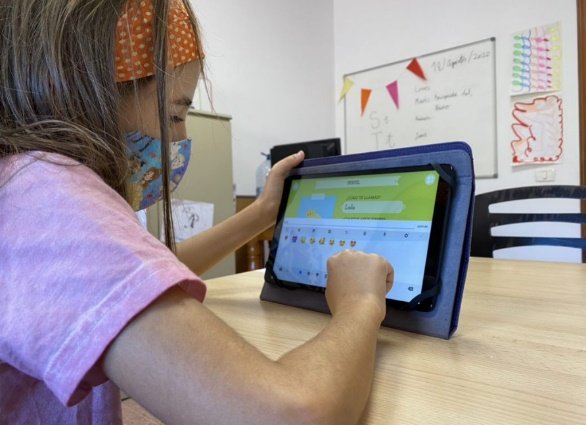
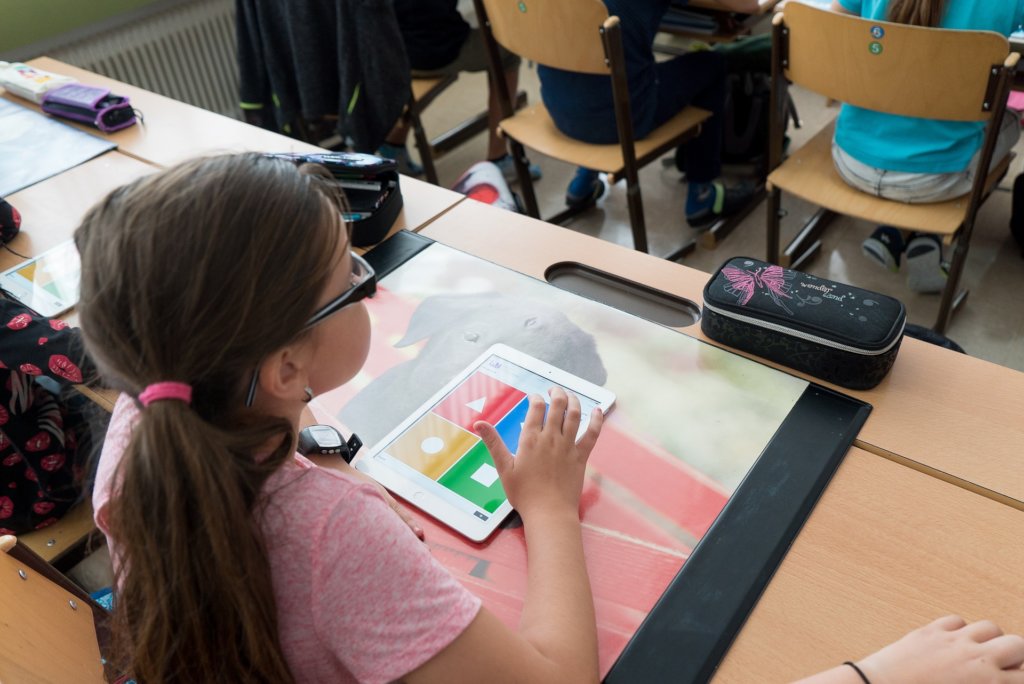
Children can be affected by multiple dimensions of poverty: education, health, nutrition, housing, family environment, and social participation. A child may have food and shelter, but if they cannot access quality education, the internet, or spaces where they can learn, play, or interact with peers, they are experiencing a form of poverty that limits their development opportunities.
“Child poverty only exists in developing countries”
Although we often associate child poverty with developing countries, we must remember that it exists in every corner of the world, including Spain. It knows no borders; it is a global challenge that requires local, supportive, and long-term policies.
In fact, according to data from Plataforma de la Infancia, child poverty affects 28.9% of children and adolescents in our country, and these figures are even more alarming among Roma families or single-mother households.
“Because they are children, they are not aware of the situation”
The emotional impact of poverty on children is often underestimated. Imagine living with daily uncertainty, instability, or being unable to take part in social life like your peers. This leaves a mark on their mental health, causing stress, anxiety, feelings of inferiority, and isolation. Furthermore, when families must focus on economic survival, emotional bonds tend to weaken, reducing the household’s capacity for emotional connection.
“Poverty is inherited and the cycle cannot be broken”
The fact that poverty can be passed from one generation to the next does not make it an inevitable destiny. Early access to education, family support, and employment opportunities can completely change the course of a life. When a child receives educational support, learns social skills, and grows up in a protective environment, the chances of escaping the cycle of poverty increase exponentially.
At Aldeas Infantiles SOS, we see this every day by supporting many young people who, through our family strengthening or independent living programs, have managed to continue their studies, find employment, and build an independent future.
“Child poverty is only the responsibility of families”
This belief ignores the structural causes of poverty: unemployment, inequality, unaffordable housing, educational gaps, and a lack of adequate public services. Blaming families only creates more stigma. In reality, many families make enormous efforts to offer their children a better life, but face social and economic barriers that are difficult to overcome without external support.
“Poverty can be solved with one-off aid”
Financial assistance or donations are necessary in urgent situations, but they do not address the structural causes of poverty. Without ongoing support, families may fall back into situations of vulnerability.
For this reason, Aldeas Infantiles SOS implements long-term programs focused on education, autonomy, and family strengthening.
“Eradicating it is only the task of NGOs”
NGOs play a crucial role, but we cannot do it alone. Eradicating child poverty requires partnerships between public institutions, businesses, schools, and citizens. At Aldeas Infantiles SOS, we collaborate with different stakeholders to promote policies that protect children’s rights and strengthen the social fabric.
Project reports on GlobalGiving are posted directly to globalgiving.org by Project Leaders as they are completed, generally every 3-4 months. To protect the integrity of these documents, GlobalGiving does not alter them; therefore you may find some language or formatting issues.
If you donate to this project or have donated to this project, you can receive an email when this project posts a report. You can also subscribe for reports without donating.



Support this important cause by creating a personalized fundraising page.
Start a Fundraiser