By Dr Norman Monks | Director Research and Conservation (ALERT)
ALERT initiated an elephant research project in Chizarira National Park (1,910km2) in 2019 together with the Zimbabwe Parks and Wildlife Management Authority. The Chizarira National Park ecologist works closely with the ALERT researcher. Sadly, he was involved in a light aircraft accident whilst on wildlife counts. One team member was killed, and two injured. He was apparently not injured but despite two weeks of searching he has not been found. The plane went down in hilly country in the mid-Zambezi Valley.
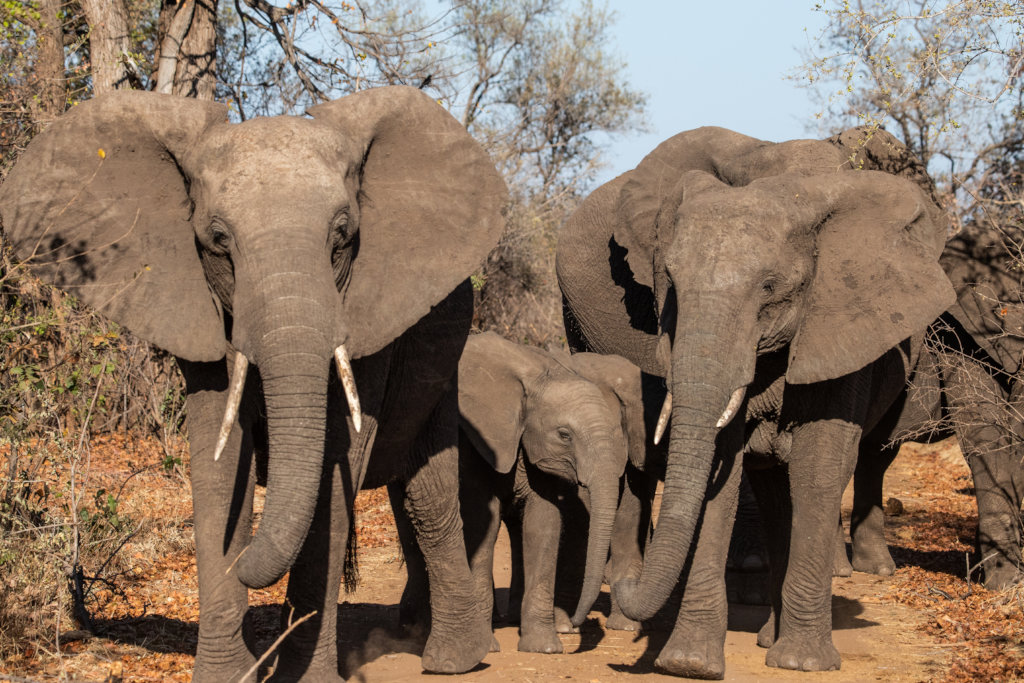
Despite this sad news we continue the research that we initiated and last month collared another female elephant. The operation went well and the female was back on her feet soon after receiving the drug antagonist and rejoined the herd. At the time of writing we are at Chizarira to try and collar a bull elephant. Bull elephant wander more widely that the female herds and we are hoping to obtain some valuable data that could indicate connecting wildlife corridors between the Protected Areas around Chizarira.
We are obtaining interesting movement patterns from the two collared females. The collar has a built in GPS which transmits a position signal to a satellite. We then download these points onto an electronic map.
The one collared female with her family group, appears to make short forays into the nearby villages outside of the park. These visits are not for long: in at night and back into the park before sunrise. This is undoubtedly a clever tactic that keeps them safe from reprisals from villagers but is nevertheless cause for concern.
We are looking at the possible trigger which initiates movements out of the unfenced park. Where the elephants left the park to enter the villages, there is a high escarpment (600 meters) which normally acts as a barrier to wildlife. However elephants use contours in a zig zag fashion to gain access up and down steep gradients. At the time of writing the park is very dry and hot, and the forays into the villages would normally be to raid maize crops. However planting has not begun and it could be that the elephant are investigating old traditional wildlife corridors, looking for better forage in other Protected Areas. It could be that they were disturbed during this investigation.
Thank you for your support of this important project which we continue to carry out despite many challenges.
Project reports on GlobalGiving are posted directly to globalgiving.org by Project Leaders as they are completed, generally every 3-4 months. To protect the integrity of these documents, GlobalGiving does not alter them; therefore you may find some language or formatting issues.
If you donate to this project or have donated to this project, you can receive an email when this project posts a report. You can also subscribe for reports without donating.










