By Dr Norman Monks | Director Research and Conservation (ALERT)
The elephant research and monitoring project in Chizarira National Park is progressing well despite all of the negative things that seem to surround us all at this time.
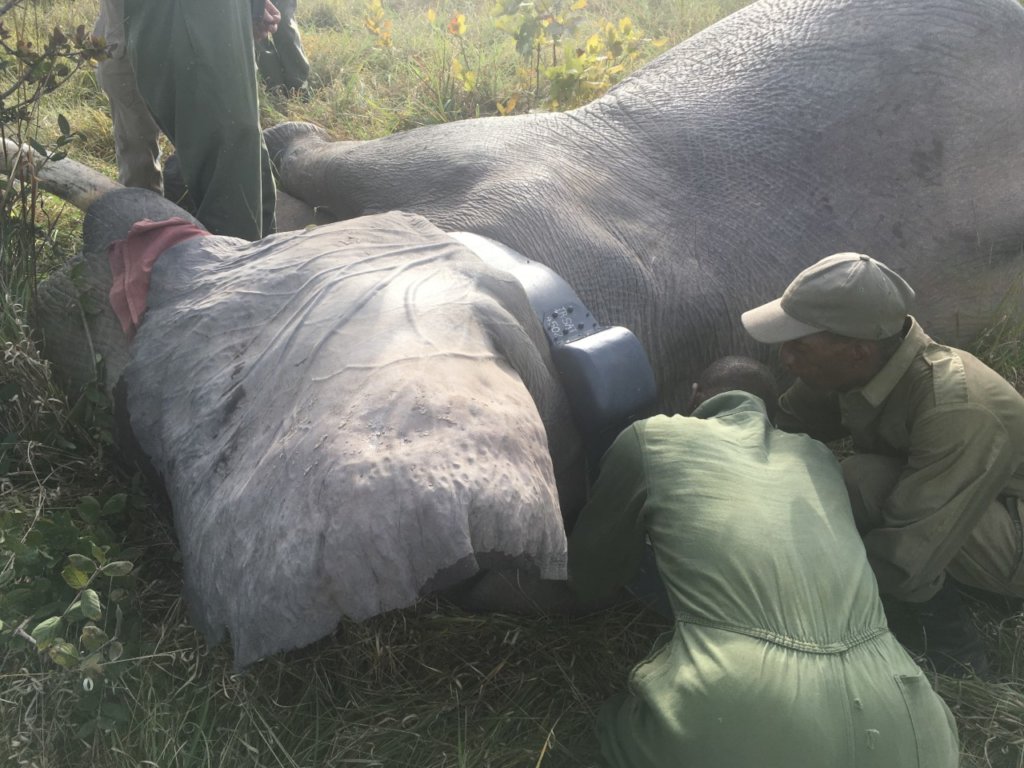
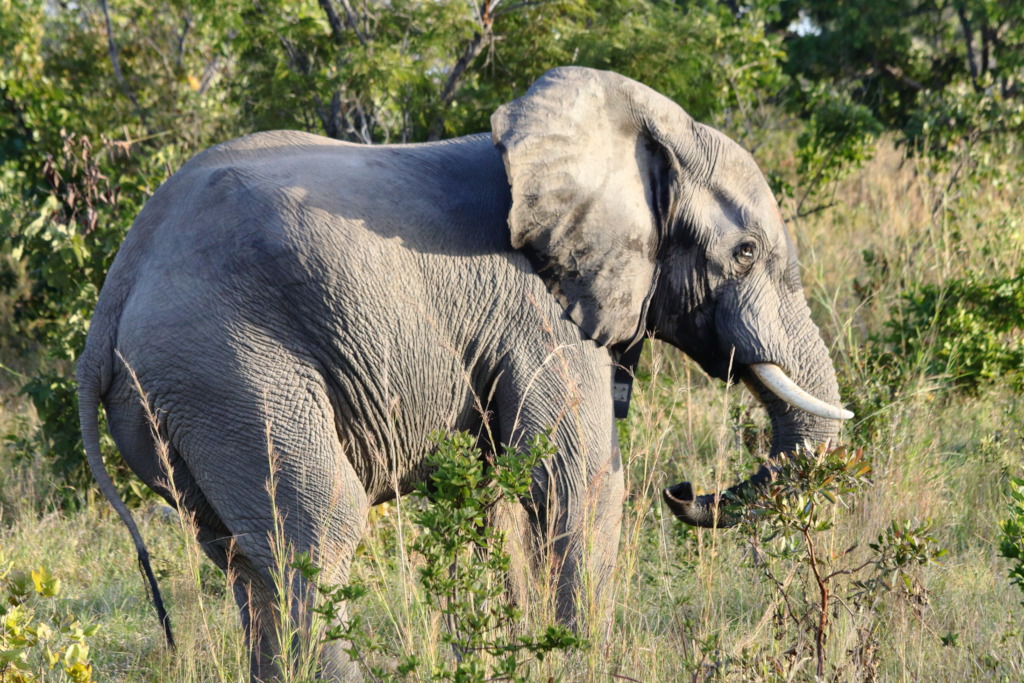
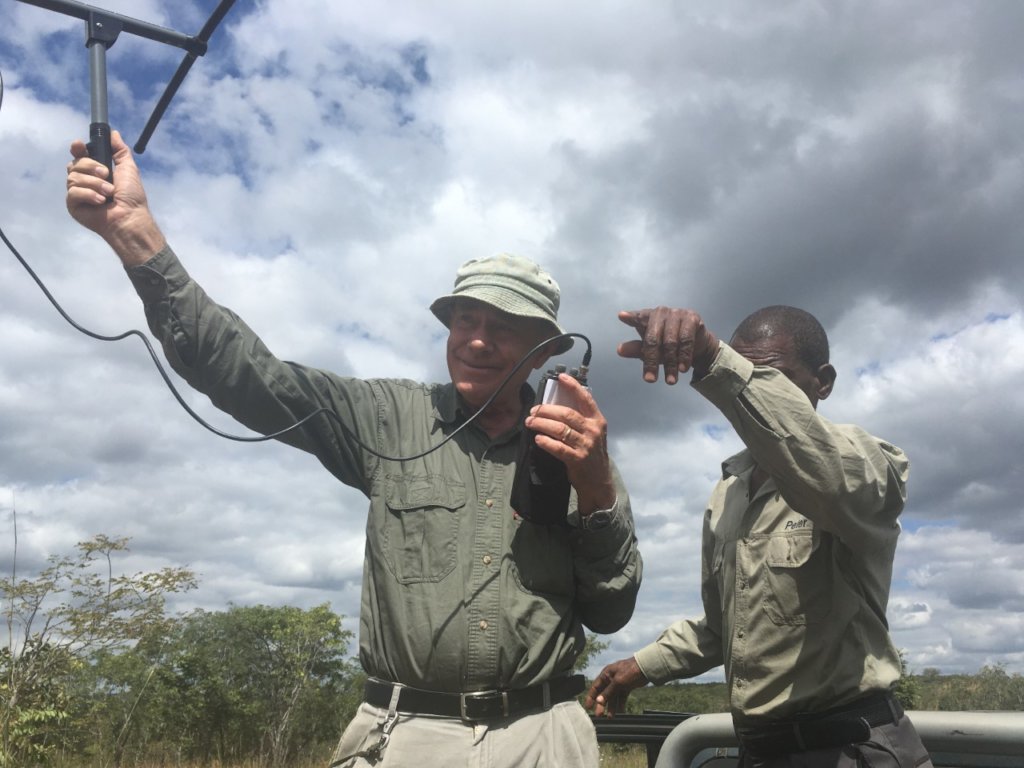
On the 26th April 2021, the ALERT team led by Dr Monks was able to collar a large bull elephant. The GPS collar unit beams a signal to a satellite giving updates of the animal’s position during the transmission time. We have set the collar to transmit every 6 hours through the 24 hour period, i.e. 4 downloads a day.
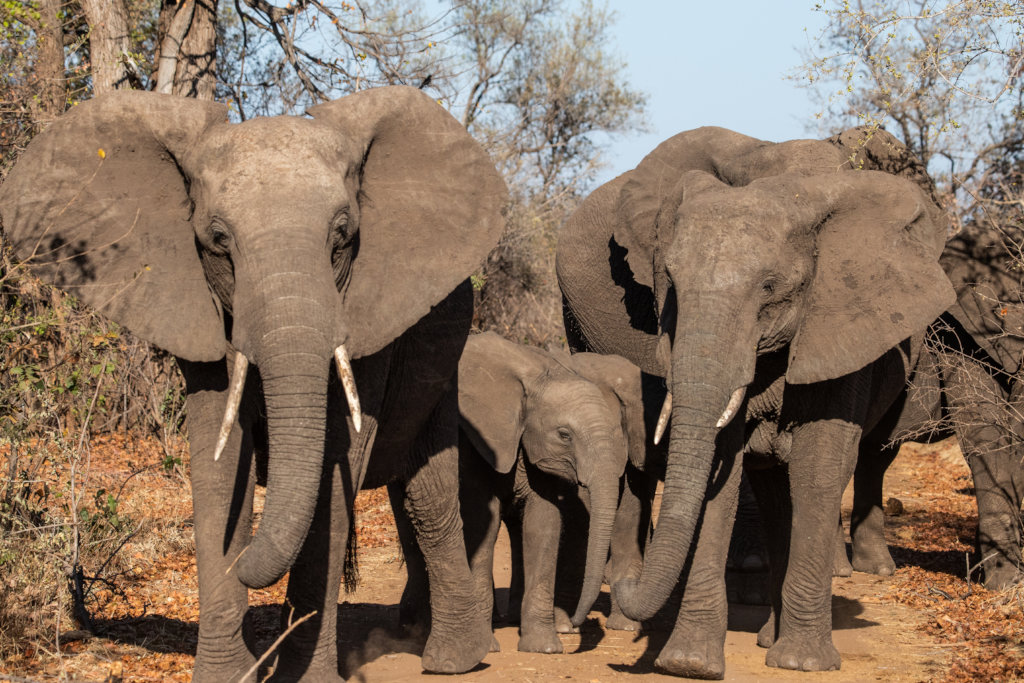
Locating elephant in the Park was not an easy task. The Park received exceptional rains this last season (November – April) and the grass was towering over our heads. The National Park Ranger that was assigned to assist us asked me to stop the vehicle at one very thickly grassed area. He then climbed a large tree nearby and excitedly gestured that there were elephant about 1 kilometer ahead. We got the equipment for darting and collaring together and began walking through the tall grass in the direction that the elephants were in. In some places the ground was marshy and we could not keep our footsteps quiet as we sloshed through mud and water. Eventually we saw a big bull elephant ahead of us. He was facing away from us and appeared to be sleeping on his feet. The rest of the herd (about 25 animals in a breeding family group) was browsing about 150 meters in front the bull. Dr Monks and a Parks Ranger crept up to within 30 meters of the bull and was able to dart him in the rump. His head shot up and he looked around and then relaxed. After about 3 minutes he walked towards the rest of the unconcerned elephants and slowly went down on his side. The family group ran off when they saw the team and we were able to fit a collar and carry out some basic measurements before reviving the bull. The reversal drug takes about 3 minutes to begin taking effect; first the ears start moving and the animal starts to ponderously get back on its feet and slowly move off.
The surrounding Community of subsistence farmers are keen to have more elephants collared so that we can warn them of potential crop raiders. They will then take action (fires, noise, and dogs) to prevent the elephant destroying crops. At a Rural District Council (RDC) workshop held at Binga on 6th and 7th April, to look at human-wildlife conflict and what mitigation measures could be used, ALERT was commended for the work that it was doing in support of communities.
Our elephant and lion research ties in with supporting the local communities and we are proud to be making a difference. The attached map shows just how far out of the park and into the Communal Lands elephants move. Thank you for your support. We and the surrounding communities deeply appreciate it.
Project reports on GlobalGiving are posted directly to globalgiving.org by Project Leaders as they are completed, generally every 3-4 months. To protect the integrity of these documents, GlobalGiving does not alter them; therefore you may find some language or formatting issues.
If you donate to this project or have donated to this project, you can receive an email when this project posts a report. You can also subscribe for reports without donating.