By Willem Nel | CEO
Well it's been quite a time since our last report! Our research team has continued tirelessly in the tracking of our collared elephants to monitor their movements and behaviour. This research is crucial because it not only addresses research gaps in the scientific community, but it helps inform parks management and other organisations in important conservation decision-making, and provides insight into human-wildlife conflict with surrounding communities.
Unfortunately, this is a rather difficult report to share. Two of our collared elephant bulls have been lost since our last report due to uncontrollable circumstances.
After following the movement of these two bulls over a period of several months and researching patterns in their movement and behaviour, one elephant became victim to a human-wildlife conflict case and the other was involved in a legal trophy hunt.This is devastating towards ALERT, but it only encourages us to work harder to achieve better protection strategies for such iconic, yet endangered, species.
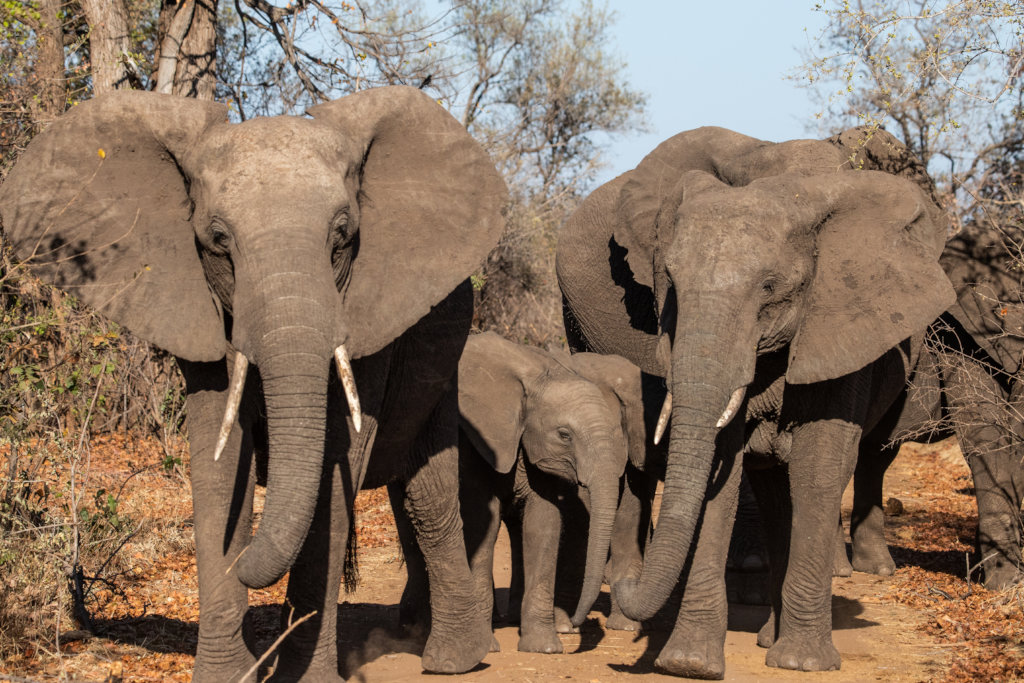
Did you know? Elephants use historical migratory trails that are mapped out based on food and water sources, and potential threats. The matriarchs of the herd will use their complex memory to continue to use the same historical migratory routes for decades, navigating the herd safely to richer feeding grounds as the seasons change.
Elephant movements in Chizarira National Park is something that our research monitors in detail. Our research team worked hard to construct tangible evidence of their historical migratory trails when moving from one protected area to another crossing through communal land and safari concessions. Elephants have wide dispersal patterns and, being the largest land animal on Earth, also have large home ranges. Our research is conducted with the end goal of approaching the parties in charge to legally distinguish natural wildlife corridors as protected areas. At the same time, this will signficantly mitigate human-wildlife conflict in the Sebungwe region.
The remainder nine collared elephants will be monitored closely to help determine whether different elephant herds use the same historical trails in the region. We have managed to secure a grant to collar another bull from a similar area to one of the previous bulls, so our work in tracking these elephants in the Sebungwe region can continue well into the future.
We're looking forward to updating you on our progress as we continue our work on the ground.
Links:
Project reports on GlobalGiving are posted directly to globalgiving.org by Project Leaders as they are completed, generally every 3-4 months. To protect the integrity of these documents, GlobalGiving does not alter them; therefore you may find some language or formatting issues.
If you donate to this project or have donated to this project, you can receive an email when this project posts a report. You can also subscribe for reports without donating.










