By Jean Jacques Nestor | Project Leader
Your Efforts were a big impact to our community
By Jean Jacques Nestor | Project Manager
Save Life Make Difference
Bujumbura Burundi
savelifemakedifference@gmail.com
Sub: Project report
Emergency in the Democratic Republic of the Congo
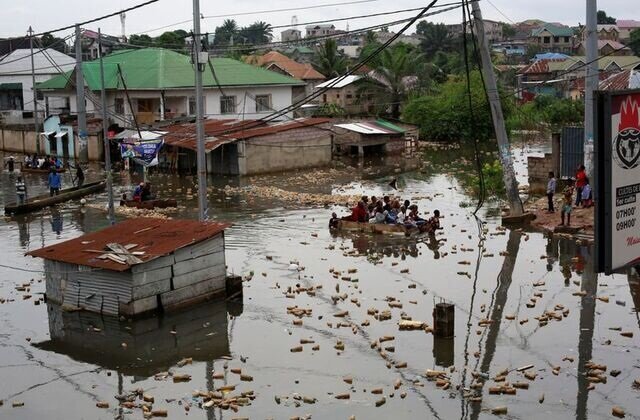
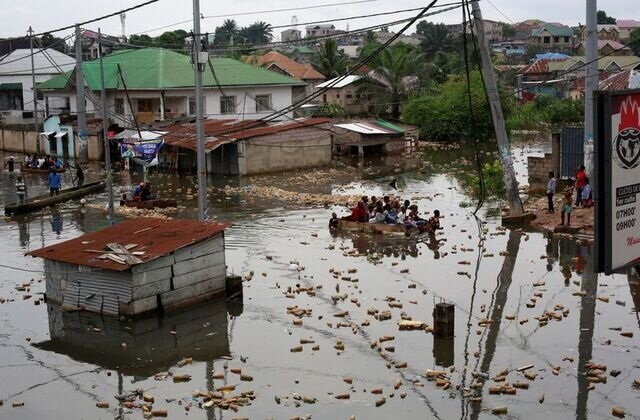
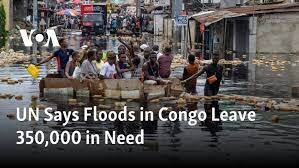
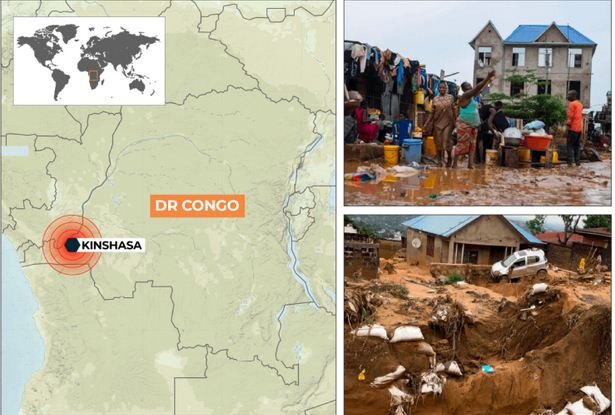
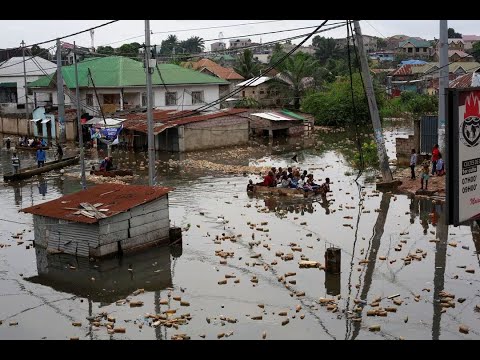
Congo has been experiencing severe flooding for several weeks. This bad weather has disrupted the lives of more than 340,000 people in 361 villages and 36 neighborhoods. Thousands of children, pregnant women, and elderly people are affected.
Health centers and schools are under water.
Most of the affected populations continue to live in their flooded homes, exposing themselves to serious diseases.
WHO is providing early support to the Congolese government in managing this health and humanitarian crisis.
SURGE expert teams have gone to the field to map the affected areas, an essential preliminary step to an effective response.
We urgently need your help.
At the end of 2024, Congo-Brazzaville suffered the worst floods in its recent history. Rivers burst their banks in unprecedented proportions, causing considerable damage: 1.79 million people were affected, one in 12 Congolese needed humanitarian assistance. Likouala, the department furthest from the capital, was also the most affected. RFI special correspondents went there in September 2024 with a Salimadi team.
To view this YouTube content, it is necessary to authorize audience measurement and advertising cookies.
To reach the banks of the Oubangui in the Likouala department, from Brazzaville, you must first drive 800 km to Ouesso, on the Cameroonian border, cross the Sangha River by ferry, then take a six-hour drive on a red laterite road through the equatorial forest.
From Bétou, some villages can be reached by road. Others can be reached by canoe, such as Ikpengbele, where during previous floods, water invaded everything.
“We could travel around the village in a canoe,” says Bongo Abdoulaye, its chief. “We haven’t seen floods like this here since 1953. Our parents lost their livestock back then. We grew up without experiencing this kind of disaster.” Then in 2023 we experienced major floods and since then, every year, 2020, 2022, 2023, 2024, we have been subjected to floods. And given the current level [in September 2024 we are sure that we will be flooded again this year. "
The last time, the waters of the Oubangui took more than a month and a half to recede. For several weeks, many residents had no choice but to take refuge in the forest, like Jean-Faustin Massimo, his two wives and their eleven children: "We spent a month and twenty days there. We built small shacks in the hills. It was very painful, we had no bed, no tarpaulins. We were in the rain, with mosquitoes, snakes, pests, scorpions... The children slept under the stars, and we had nothing to cover them with."
What’s happening in the Democratic Republic of Congo?
The humanitarian
Save Life makes Difference
Jean Jacques Nestor
Project reports on GlobalGiving are posted directly to globalgiving.org by Project Leaders as they are completed, generally every 3-4 months. To protect the integrity of these documents, GlobalGiving does not alter them; therefore you may find some language or formatting issues.
If you donate to this project or have donated to this project, you can receive an email when this project posts a report. You can also subscribe for reports without donating.



Support this important cause by creating a personalized fundraising page.
Start a Fundraiser