By Olivier c | Project Leader
Save Life Make Difference
Bujumbura Burundi
savelifemakedifference@hotmail.com
71452395
Sub: Project report Emergency floods in Republic Democratic of Congo
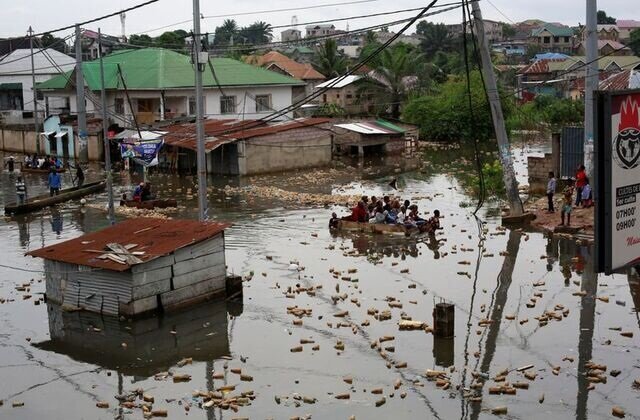
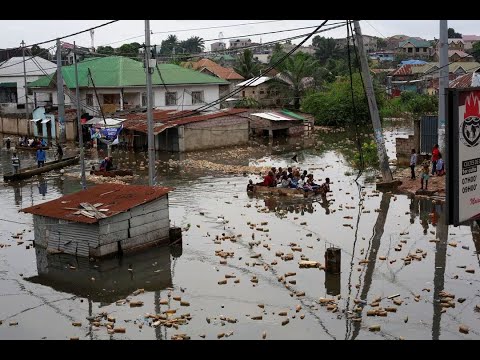
Numerous humanitarian and development projects were implemented in response to the extensive flooding in the Democratic Republic of Congo (DRC) that began in late 2023 and continued into 2024 and 2025. These projects were coordinated by the Congolese government with support from international organizations, NGOs, and foreign aid agencies.
Immediate humanitarian response
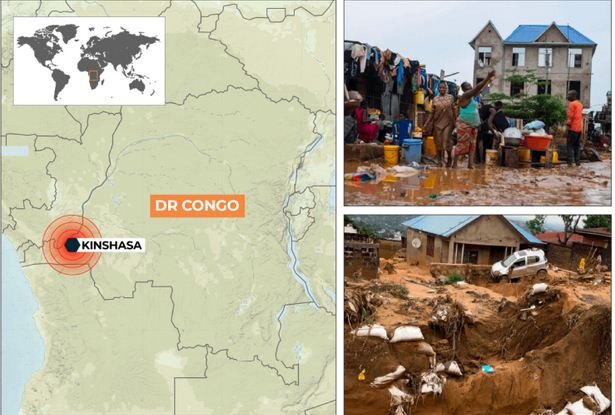
The initial phase of relief efforts focused on meeting the urgent needs of the affected population, particularly those in and around the capital, Kinshasa, and the eastern province of South Kivu. Key actions included:
Medical supplies and healthcare: Organizations like the World Health Organization (WHO) and UNICEF delivered essential medical equipment and supplies to address health concerns and combat the spread of diseases like cholera, which is a major risk in flood-affected areas.
Water, sanitation, and hygiene (WASH): Aid groups, including CARE and UNICEF, distributed WASH kits containing water containers, soap, and purification tablets. This also involved rehabilitating water points and conducting disinfection efforts to provide safe drinking water.
Emergency shelter and non-food items: In areas where homes were destroyed, partners distributed shelter supplies like tents and plastic sheeting. Many displaced families also took temporary refuge in schools, churches, and stadiums.
Protection for vulnerable populations: Projects prioritized the safety of vulnerable groups such as children, pregnant women, and the elderly. Child protection services were strengthened to prevent family separation and provide psychosocial support.
Needs assessments: Organizations like the International Organization for Migration (IOM) and the International Federation of Red Cross and Red Crescent Societies (IFRC) conducted rapid assessments to determine the scale of the damage and humanitarian needs.
Medium- to long-term projects
Following the initial emergency, projects shifted focus to early recovery and building long-term resilience to future climate shocks.
Disaster risk management: The World Bank and the DRC government have collaborated on projects to strengthen the country's disaster risk management (DRM) system, which was fragmented and underdeveloped.
Infrastructure development: The World Bank approved a $200 million project to finance green and gray infrastructure in selected cities, including:
Rehabilitating drainage systems and roads.
Constructing erosion control measures.
Strengthening riverbanks and lakeshores to mitigate flooding.
Early warning systems: Projects aim to establish better warning systems for floods, including automated monitoring equipment and forecasting tools, to give communities more time to prepare for and respond to disasters.
Strengthening urban planning: The projects promote more climate-resilient urban planning by developing risk information tools and hazard maps. Solid waste management systems are also being improved to prevent waste from clogging waterways and exacerbating flooding.
Support for livelihoods: Projects include efforts to restore damaged agricultural land and protect livelihoods, particularly in provinces where extensive cropland was inundated.
Integrated humanitarian approach: Efforts now work to address the multifaceted humanitarian crisis in the DRC, which includes both climate disasters and ongoing conflict, by addressing issues such as food insecurity, health, and protection assistance.
Coordination and funding
These projects represent a collaborative effort involving a wide range of actors:
Government: The DRC government has initiated its own response and coordinates with international partners.
United Nations: The UN Office for the Coordination of Humanitarian Affairs (OCHA) has allocated millions in emergency funding and coordinates a humanitarian response that involves multiple UN agencies.
International institutions: The World Bank is a key player in funding long-term resilience projects.
Foreign governments: and others have provided critical aid and funding for the response.
NGOs and local actors: Humanitarian NGOs and local organizations are on the ground delivering aid, including organizations like SAVE LIFE MAKE DIFFERENCE, the International Federation of Red Cross and Red Crescent Societies (IFRC), and GlobalGiving.
Save Life Make Difference is facing this lack of money to achieve project for emergency support
Since we began our projects we have $131 raised of $26,400 needed.
Continue to support our projects together we are to strong
Salimadi
Legal representative
27-10-2025
Project reports on GlobalGiving are posted directly to globalgiving.org by Project Leaders as they are completed, generally every 3-4 months. To protect the integrity of these documents, GlobalGiving does not alter them; therefore you may find some language or formatting issues.
If you donate to this project or have donated to this project, you can receive an email when this project posts a report. You can also subscribe for reports without donating.



Support this important cause by creating a personalized fundraising page.
Start a Fundraiser