By Jack Nestor | Project Leader
Community of national artistic unity
Burundi
communitynationalartisticunity@gmail.com
Project report
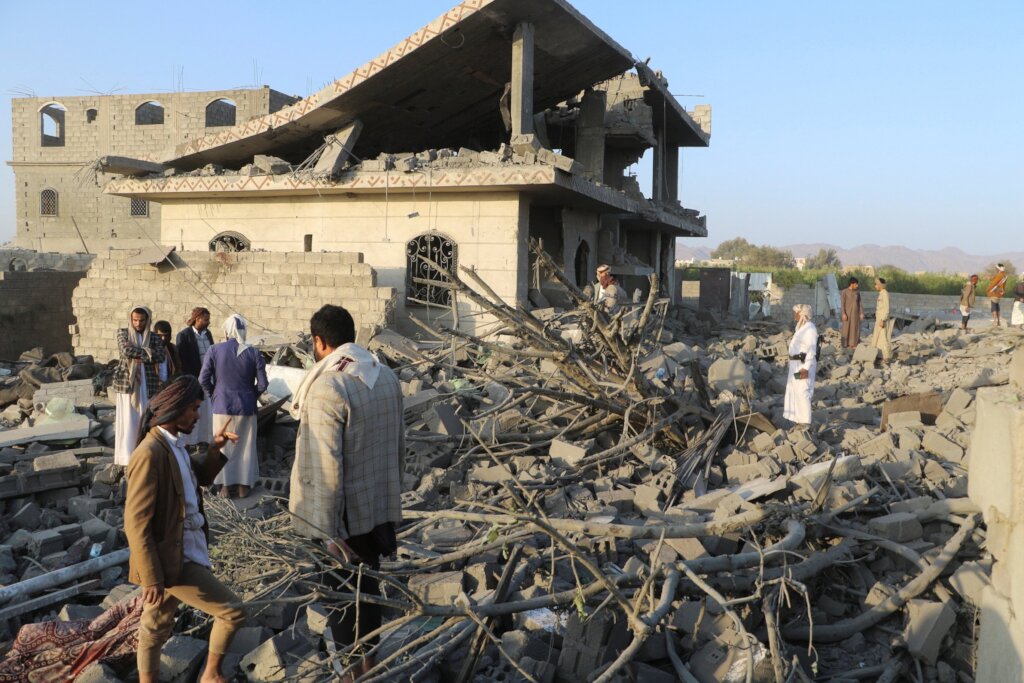
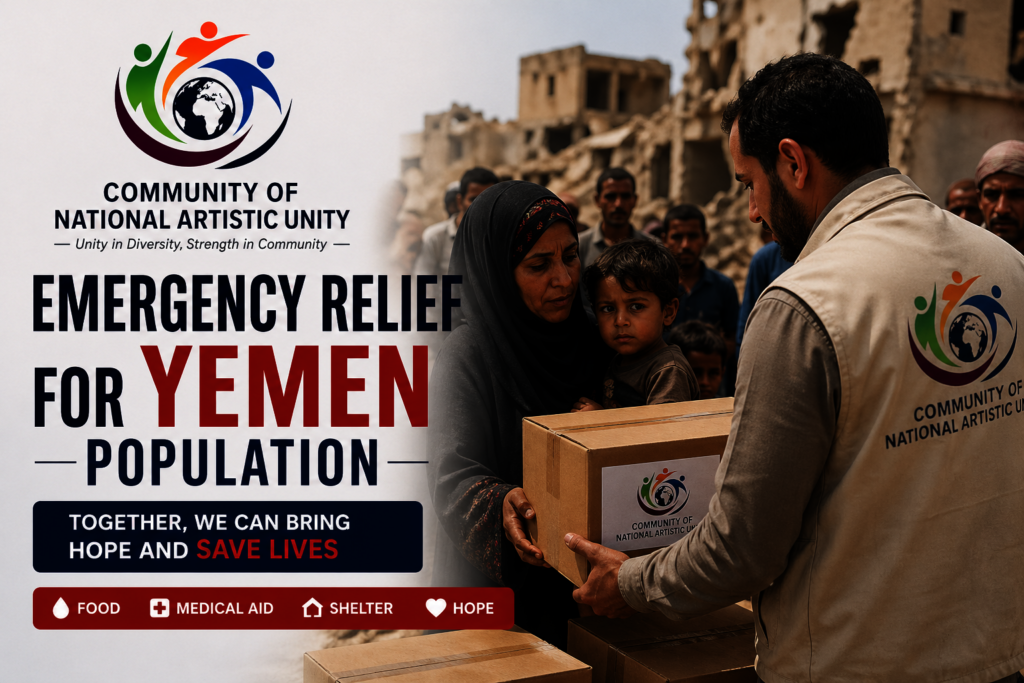
Due to the generic nature of the request, a specific, hypothetical project cannot be described. However, based on the information from humanitarian organizations actively working in Yemen, a typical emergency relief project for the Yemeni population would involve a multi-sector response addressing immediate survival needs while also building resilience.
Here is how such a project would work, drawing on common strategies and activities.
1. Assessment and planning
Before intervention, organizations conduct an in-depth needs analysis to determine the most vulnerable populations and the specific needs in a given area.
Targeting: Vulnerable groups like internally displaced persons (IDPs), women, children, people with disabilities, and migrants are prioritized. For example, the UNFPA prioritizes women and girls for reproductive health and protection services.
Coordination: Humanitarian organizations coordinate closely with local authorities and other aid agencies to identify needs and prioritize interventions, avoiding duplication of effort.
2. Implementation: Life-saving interventions
This phase focuses on addressing the most urgent needs.
Food security
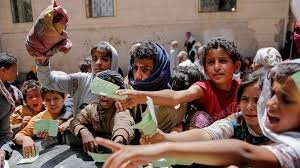
Cash assistance: Projects provide multi-purpose cash assistance to vulnerable families, which allows them to purchase food and other necessities from local markets. This empowers communities and helps support local economies.
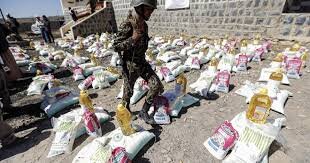
Food distribution: For areas with market disruptions, organizations like the World Food Programme (WFP) and its partners provide emergency food distributions.
Water, sanitation, and hygiene (WASH)
Water access: Projects deliver clean water through emergency trucking, rehabilitate damaged water systems, and install solar-powered water infrastructure.
Hygiene promotion: Teams distribute hygiene kits and conduct awareness campaigns to prevent the spread of diseases like cholera.
Sanitation: Infrastructure for sanitation and solid waste management is implemented, particularly in camps for displaced people.
Healthcare and nutrition
Health facilities support: The health sector supports both static and mobile health facilities by providing supplies, equipment, incentives for healthcare workers, and rehabilitation work to damaged hospitals and clinics.
Mobile clinics: For hard-to-reach areas, mobile health teams provide essential primary and secondary healthcare.
Maternal and child health: Specific support is provided for safe deliveries and other critical reproductive health needs.
Nutrition: Emergency nutrition services are crucial for treating severe acute malnutrition, especially among children.
Shelter and essential items
Emergency kits: Critical household items, emergency shelter kits, and family tents are distributed to families displaced by conflict or climate disasters.
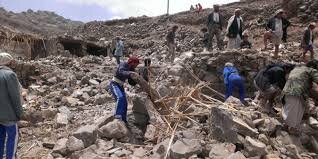
Rehabilitation: Support is provided for transitional shelter or the rehabilitation of existing, damaged housing.
3. Implementation: Resilience and protection
Beyond immediate survival, projects also incorporate elements to help the population cope with the ongoing crisis and protect vulnerable individuals.
Livelihood support: Cash-for-work programs pay people to rehabilitate community infrastructure like roads and water systems, providing both income and restored assets.
Psychosocial support: Mental health and psychosocial support (MHPSS) is provided through counseling and community-based activities to help people cope with the trauma of conflict.
Protection: Protection services are available for at-risk individuals, including addressing gender-based violence (GBV), child protection, and legal support for documentation.
Disaster preparedness: Community capacities are strengthened to help mitigate risks from climate change and natural disasters, which frequently worsen the humanitarian situation.
4. Monitoring, evaluation, and challenges
Feedback mechanisms: Community feedback is regularly collected to ensure interventions are relevant and meet the most pressing needs.
Challenges: The operational environment remains difficult due to factors like access impediments, underfunding, and bureaucratic restrictions. This requires agencies to adapt and advocate for principled, unhindered humanitarian access. For example, funding shortages in 2024 led to significant cuts in food assistance and health facility support. We raised $1 raised of $50,640 goal
Community of national artistic unity
Project reports on GlobalGiving are posted directly to globalgiving.org by Project Leaders as they are completed, generally every 3-4 months. To protect the integrity of these documents, GlobalGiving does not alter them; therefore you may find some language or formatting issues.
If you donate to this project or have donated to this project, you can receive an email when this project posts a report. You can also subscribe for reports without donating.



Support this important cause by creating a personalized fundraising page.
Start a Fundraiser