By Development Team | International Medical Corps
Hurricane Dorian first affected Puerto Rico and other parts of the Caribbean devastated by Hurricanes Irma and Maria in 2017, and appeared to be heading directly toward Florida. International Medical Corps worked with our team on Puerto Rico to prepare, we also assembled a team to deploy to Florida, at the request of the Florida Department of Health (FDOH), to support the state’s emergency operations. One team traveled to the State Emergency Operations Center in Tallahassee, to coordinate efforts with government officials and local partners as they prepared for the storm’s impact. We also deployed medical teams to help the FDOH provide emergency health services to vulnerable populations, including at a special-needs center in Palm Coast, where about 100 people took shelter from the storm, which brought high winds, flooding and even tornadoes to the area.
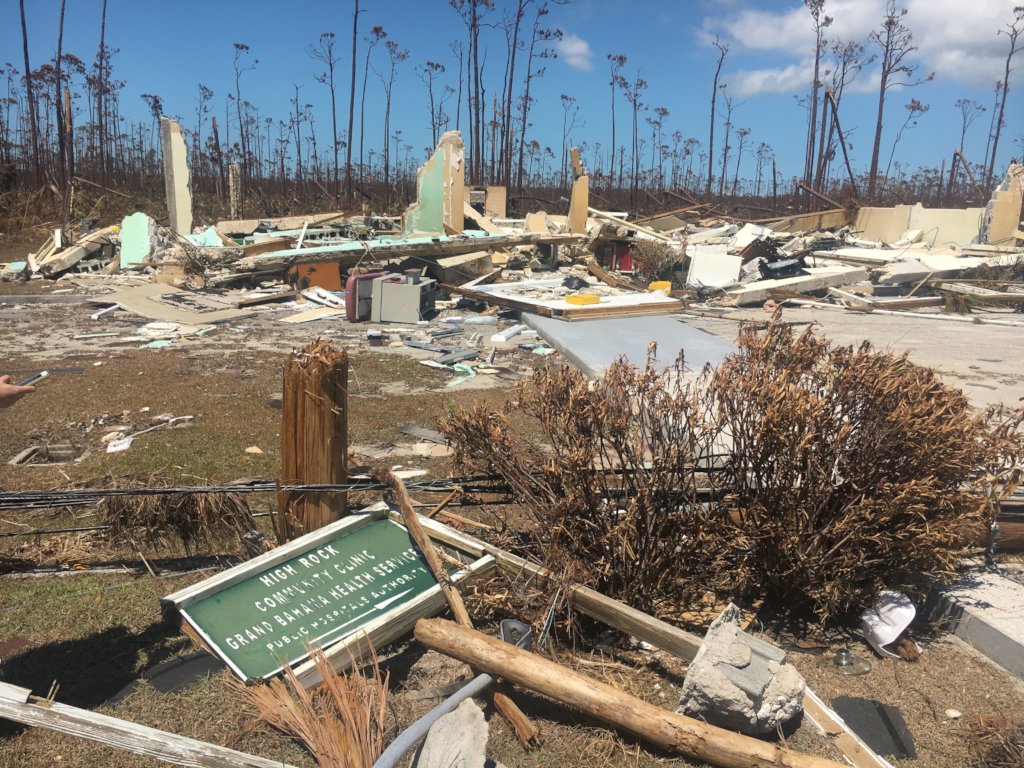
Hurricane Dorian did not head straight to Florida, but—as a Category 5 storm packing sustained winds of 185mph and gusts of 220 mph—stalled over the northwest Bahamas, causing widespread devastation and loss of life. In response, International Medical Corps sent an emergency response team to Nassau to work to help the Government of the Bahamas and local partners to assess the situation and figure out how to best serve those affected by the hurricane.
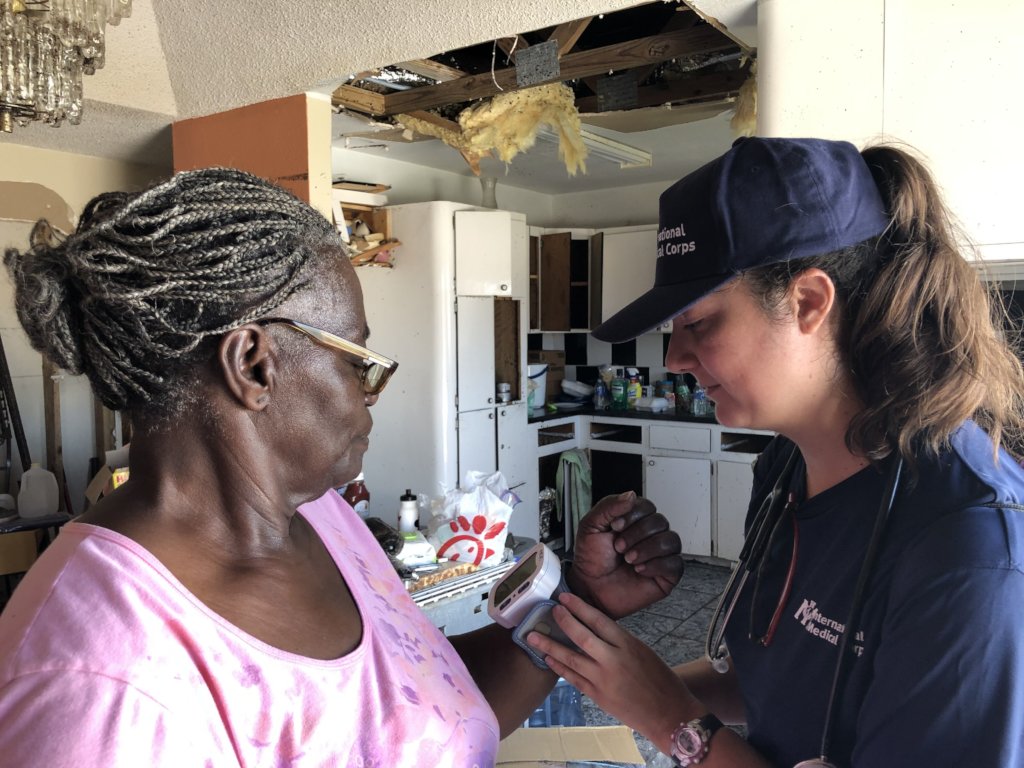
At the request of the Bahamian Ministry of Health (MoH), International Medical Corps is deploying a Mobile Emergency Medical Team (EMT) for outpatient care in Grand Bahamas. Our doctors, nurses, mental health, and water, sanitation and hygiene staff will work with the people and government of Bahamas to provide medical services and medicines through mobile medical teams; rehabilitate water, sanitation and hygiene infrastructure; conduct hygiene promotion to prevent the spread of disease; and assess and address psychosocial support needs, to help individuals who have lost loved ones and livelihoods.
During a recent interview with Judy Woodruff on PBS Newshour, our Team Lead, Susan Mangicaro, noted that, “The islands have been dramatically impacted. Most healthcare systems are non-functioning, with minimal support.” She adds, “We deal with disasters all the time, so we have the flexibility to be totally independent, running a clinic that’s self-standing, or have mobile teams that go out and treat patients where they happen to be.”
We thank you and the GlobalGiving community for your support, which will help us address the unparalleled level of damage in the Bahamas, and the plight of its people.
Project reports on GlobalGiving are posted directly to globalgiving.org by Project Leaders as they are completed, generally every 3-4 months. To protect the integrity of these documents, GlobalGiving does not alter them; therefore you may find some language or formatting issues.
If you donate to this project or have donated to this project, you can receive an email when this project posts a report. You can also subscribe for reports without donating.