By Ashley Leichner | Senior Global MHPSS Officer
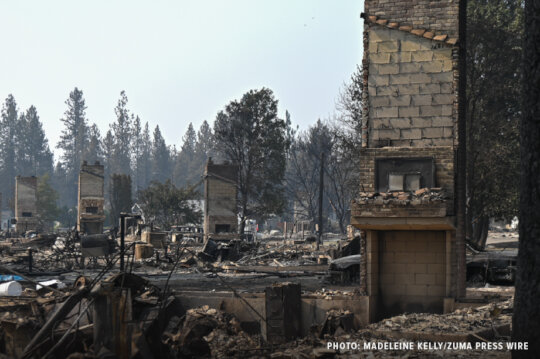
On September 18, 2017 Dominica was hit by Hurricane Maria, facing 160 mph winds and severe rainfall. The devastating hurricane damaged an estimated 90% of the buildings on the island and suspended routine life for island residents. International Medical Corps was among the first humanitarian agencies to respond to Dominica’s calls for help, establishing programs focused on health; water, sanitation and hygiene; and mental health and psychosocial support.
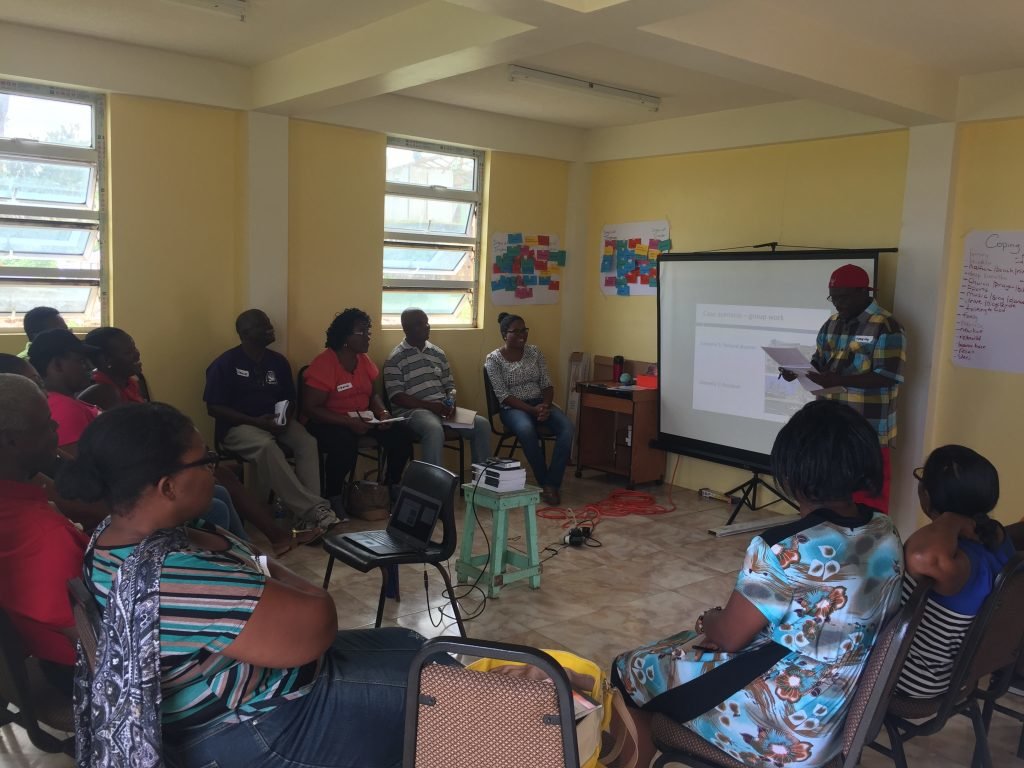
As a part of our mental health and psychosocial support programming, International Medical Corps trained 212 individuals in Psychological First Aid. These trainings taught participants how to offer compassionate support to those who have recently gone through a particularly distressing event, such as the events of Hurricane Maria.
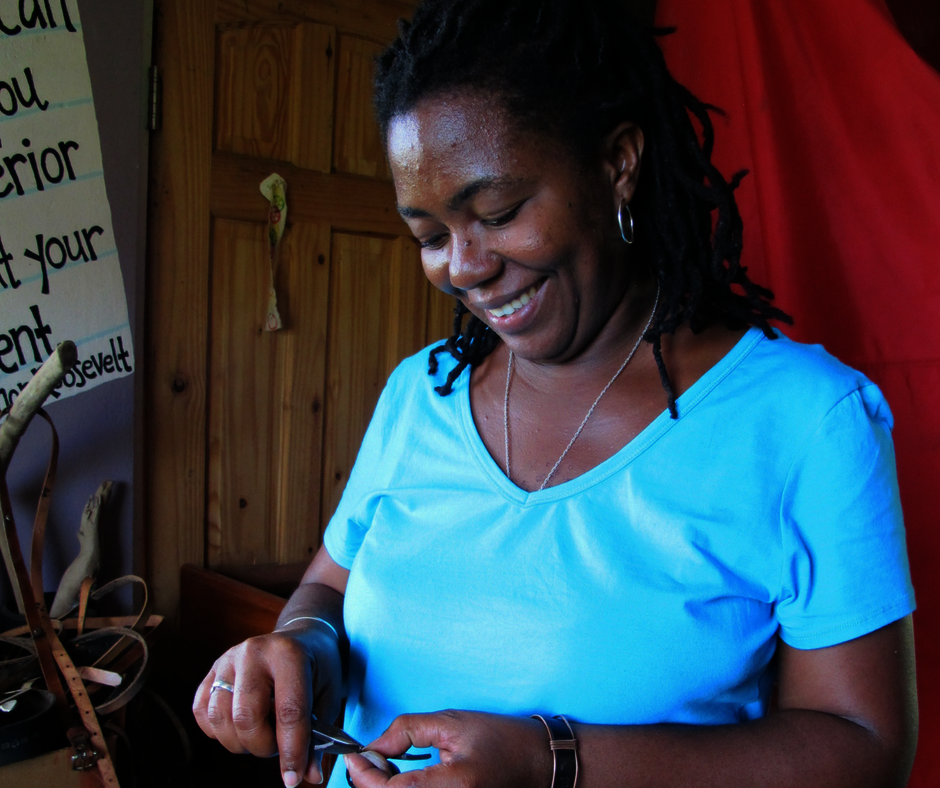
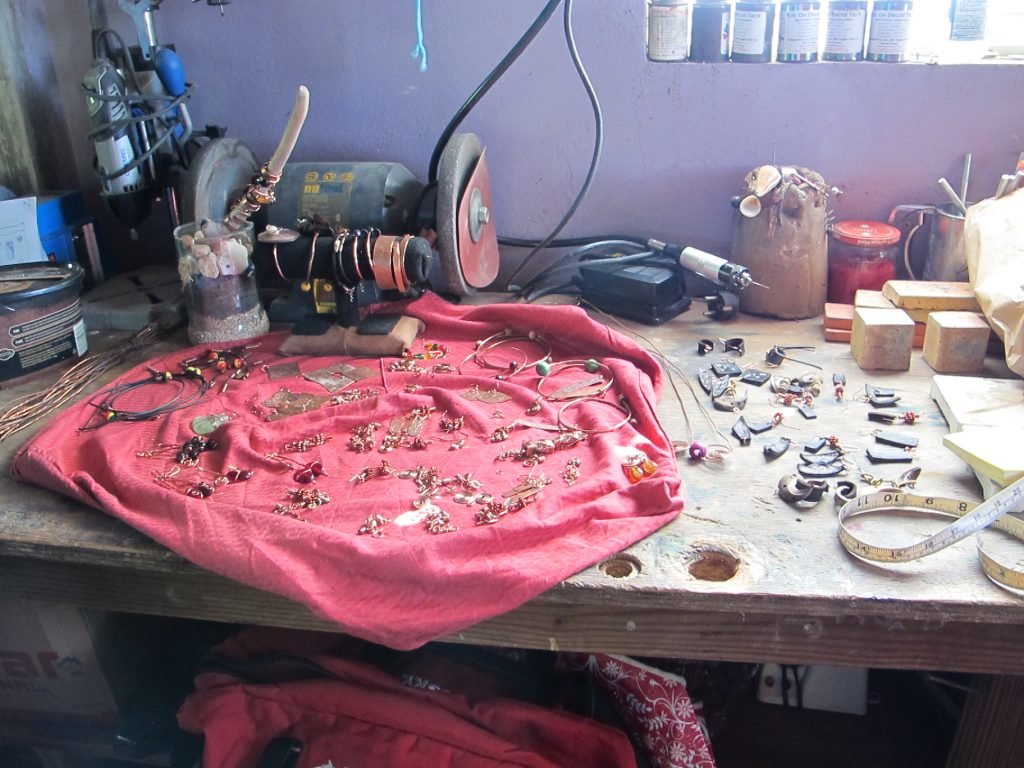
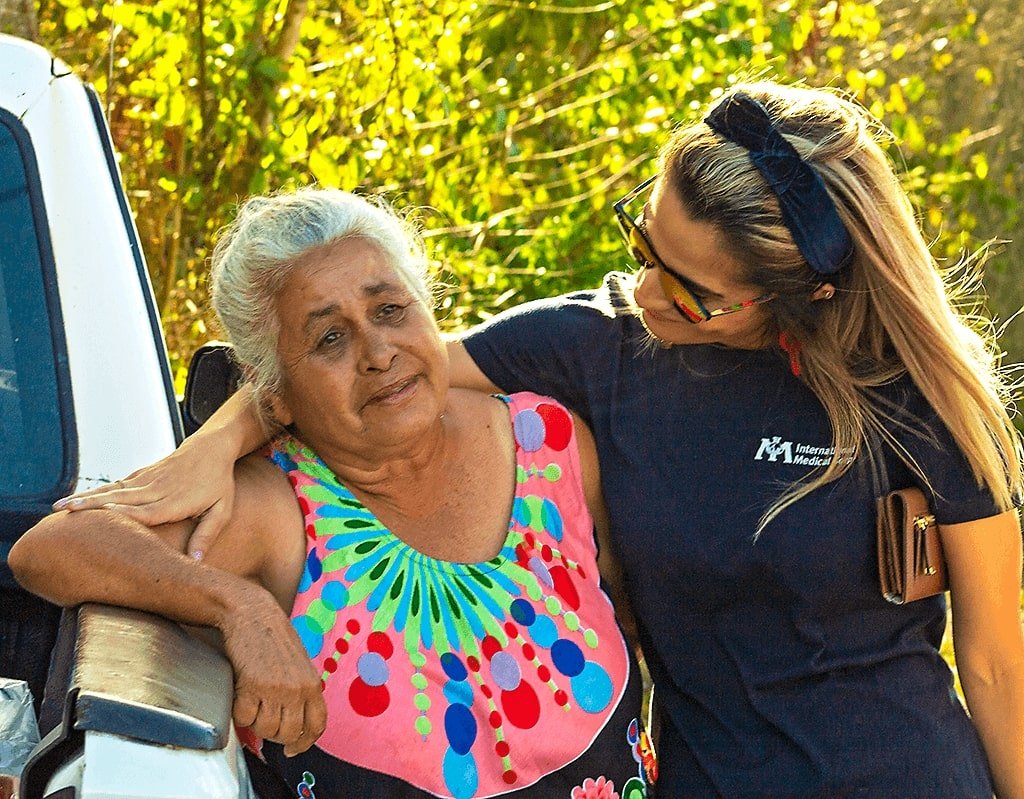
Vanessa, a small business owner and mother of four, was among the individuals we reached through our Psychological First Aid training. When Hurricane Maria ripped through the Caribbean island, it destroyed Vanessa’s shop and her home built on the floor above. Vanessa founded her business - New Beginning Gifts and Leathers - in 2012 with the vision: create and sell jewelry and crafts, while simultaneously training disadvantaged youth and adults in such skills as leather craft and pottery-making. For seven endless hours that harrowing night, Maria’s torrential rains poured into both Vanessa’s business and home.
As Dominica recovers from the physical destruction Maria left in its wake, Vanessa emphasizes the storm’s lingering psychological impact. “The structural damage has been repaired, but the people themselves, they’re still angry, they’re still fearful…” Vanessa said. “Some people do not understand what they are going through. They figure, ‘Oh, my roof is back up and I’m back at work’ … yet they still feel tense, on edge.”
For Vanessa, the International Medical Corps Psychological First Aid training offered a way to understand the powerful impact disasters can have on mental health as well as physical health, and how recognizing and treating the resulting psychological needs is a vitally important step for communities to recover. The training has helped her listen in a supportive way, foster positive coping skills and promote self-care and support.
“It helped me find a better way of understanding people,” she said. “It helped me deal with others in a better way… a better way of trying to comfort people.”
We thank you and the GlobalGiving community for your support as we build the resilience of the Hurricane Maria affected people.
Project reports on GlobalGiving are posted directly to globalgiving.org by Project Leaders as they are completed, generally every 3-4 months. To protect the integrity of these documents, GlobalGiving does not alter them; therefore you may find some language or formatting issues.
If you donate to this project or have donated to this project, you can receive an email when this project posts a report. You can also subscribe for reports without donating.