By Jo-Ann Santos Alarcon | Program Officer
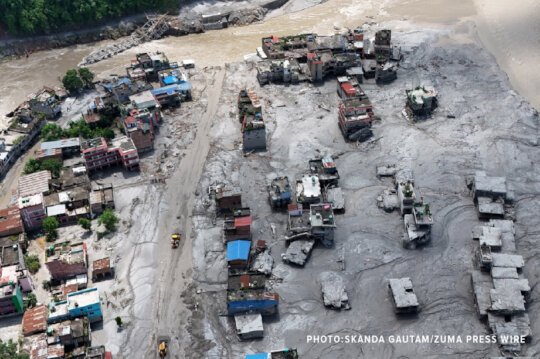
In September 2017, the Caribbean endured a catastrophic hurricane season with Hurricanes Irma and Maria causing unprecedented destruction. Record wind speeds and storm surge caused massive damage to infrastructure and widespread flooding, breaking supply chains and leaving communities across the region without access to necessities such as clean water, healthcare, and shelter. In Puerto Rico, Hurricane Maria left all of its 3.4 million residents without power, while half of the population did not have access to safe drinking water and 2,975 people were killed.
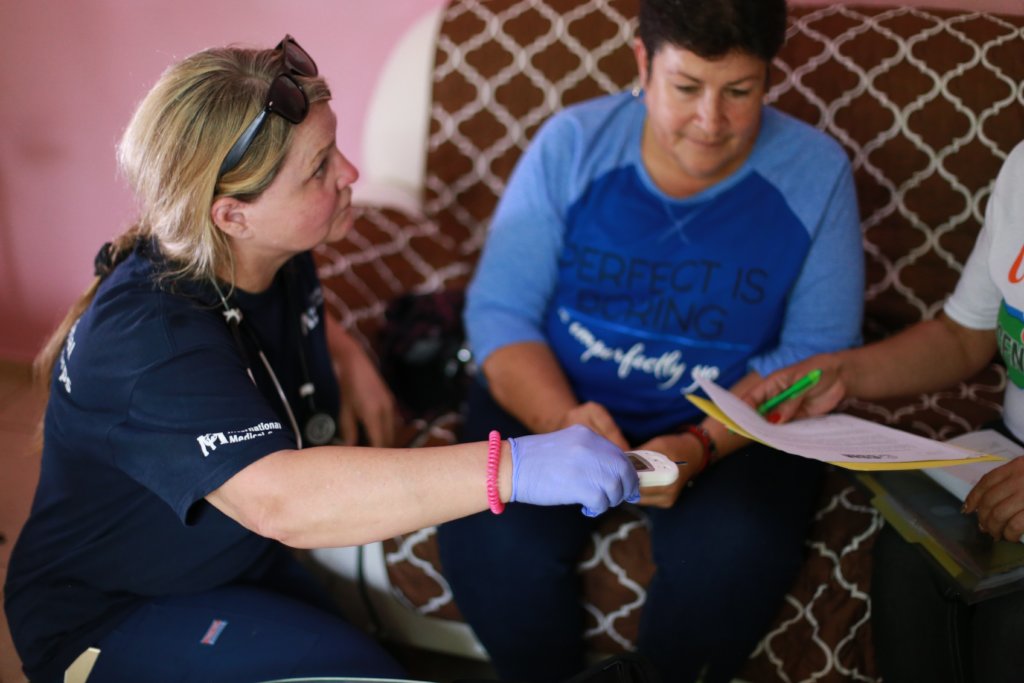
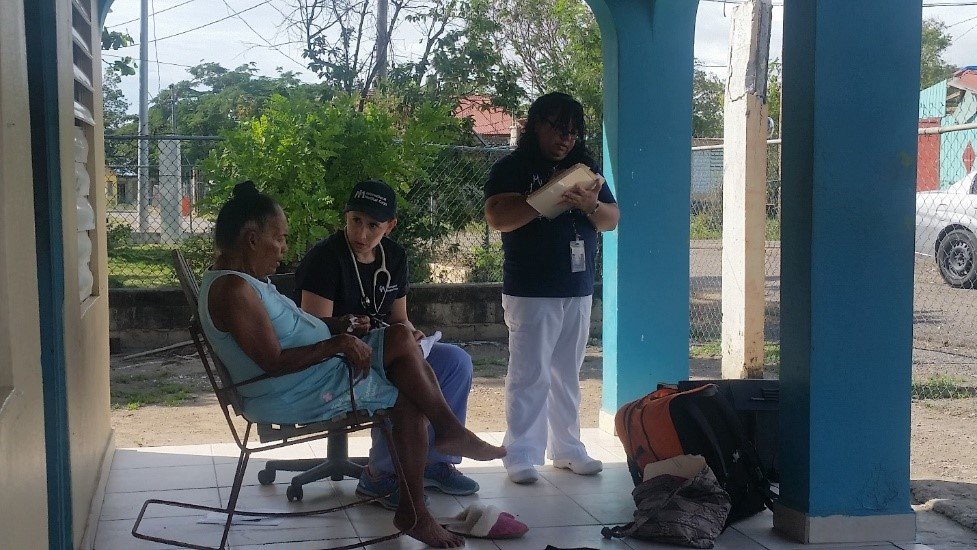
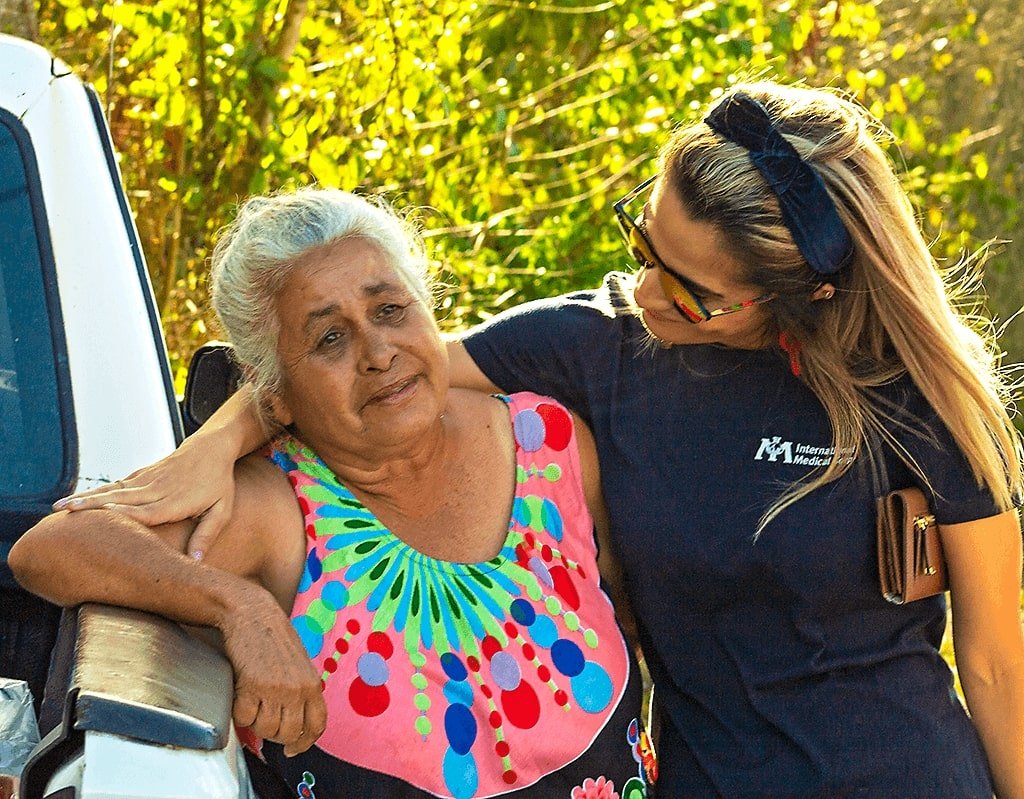
To reach the women, men and children in the most remote areas, International Medical Corps immediately deployed physicians and nurses to provide mobile health services. We also partnered with La Asociación de Salud Primaria de Puerto Rico (ASPPR) – a network of Federally Qualified Health Centers who support vulnerable populations in Puerto Rico – helping ensure their health facilities could keep their doors open to serve the vast influx of patients. With power down across the island, our support included providing generators and water bladders to restore electricity needs and store clean drinking water across the health centers. Our teams supported 26 facilities with infrastructure-improvement projects, including the creation of 2,000 gallons of clean water storage.
To address the underlying health and health-related needs exacerbated by the storm, we also procured and distributed durable medical supplies and pharmaceuticals, distributed 14,791 hygiene kits to keep families safe and healthy, and addressed nutrition needs by providing 771 women with breastfeeding counseling and support groups about re-lactation.
As the people of Puerto Rico continue to rebuild from the devastating impacts of the 2017 hurricane season, International Medical Corps remains committed to recovery efforts. Today, we continue to work with ASPPR and their health centers, focusing on addressing needs surrounding mental health. Ashley, our Senior Global MHPSS Officer, notes:
“Survivors of disaster, like Hurricane Maria, face a higher risk for psychological distress and mental health conditions such as anxiety, depression, post-traumatic stress, and more. This can often be from suffering an overwhelming loss, such as the loss of family members and friends, or from losing one’s homes or even livelihood. Providing mental health care and psychosocial support services post-disaster is crucial to reach these men, women, and children who continue to experience stress even long after the immediate emergency phase ends.”
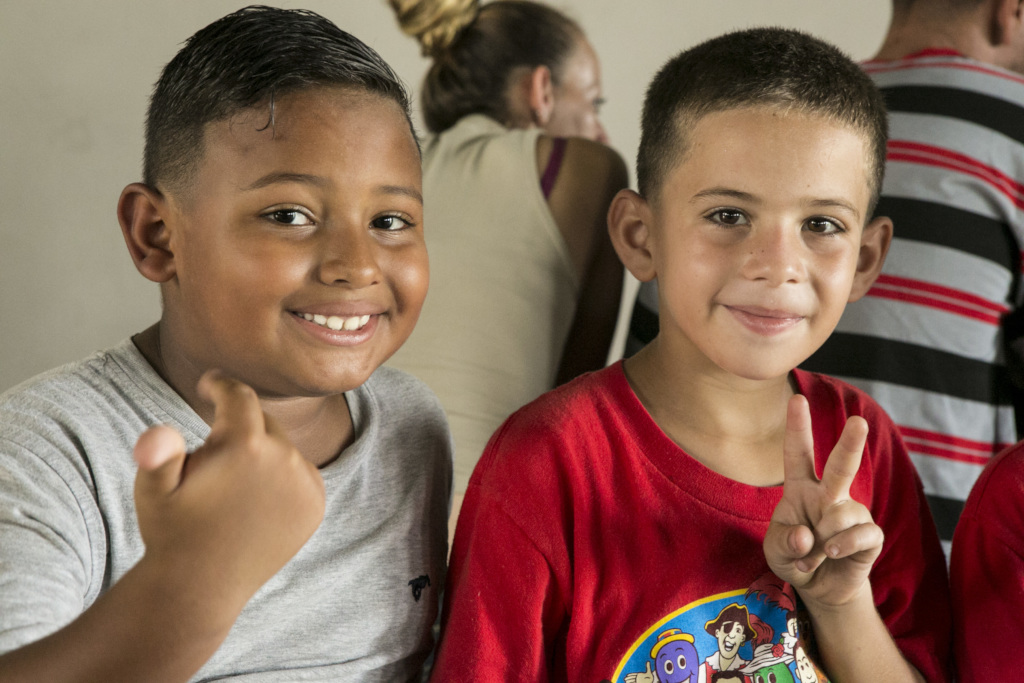
We thank you and the GlobalGiving community for your support as we continue to reach those in need in Puerto Rico.
Project reports on GlobalGiving are posted directly to globalgiving.org by Project Leaders as they are completed, generally every 3-4 months. To protect the integrity of these documents, GlobalGiving does not alter them; therefore you may find some language or formatting issues.
If you donate to this project or have donated to this project, you can receive an email when this project posts a report. You can also subscribe for reports without donating.