By Kimberly Laney | Resource Development Officer
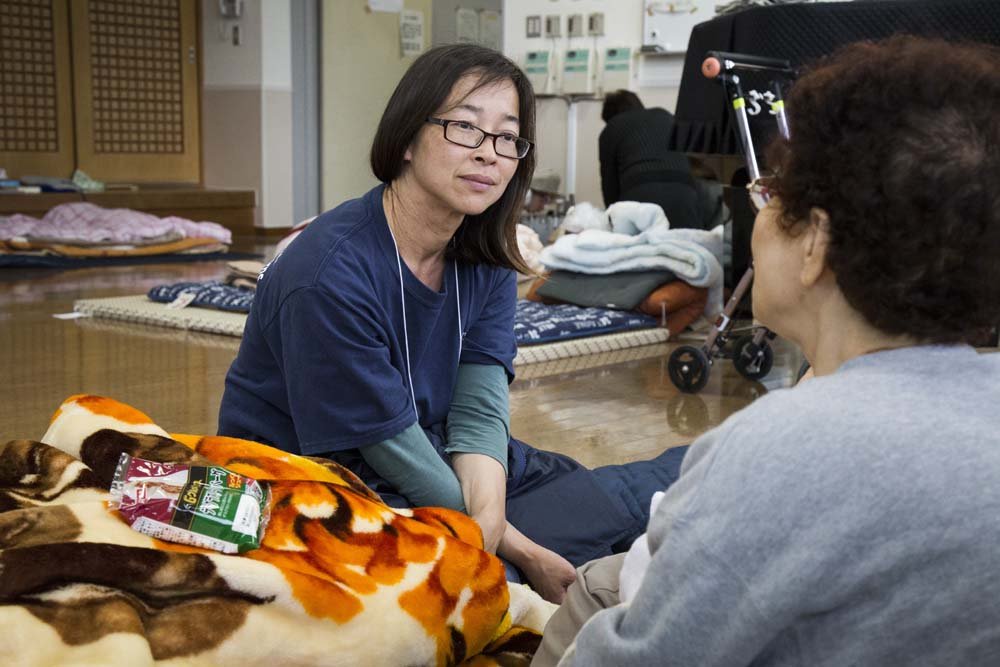
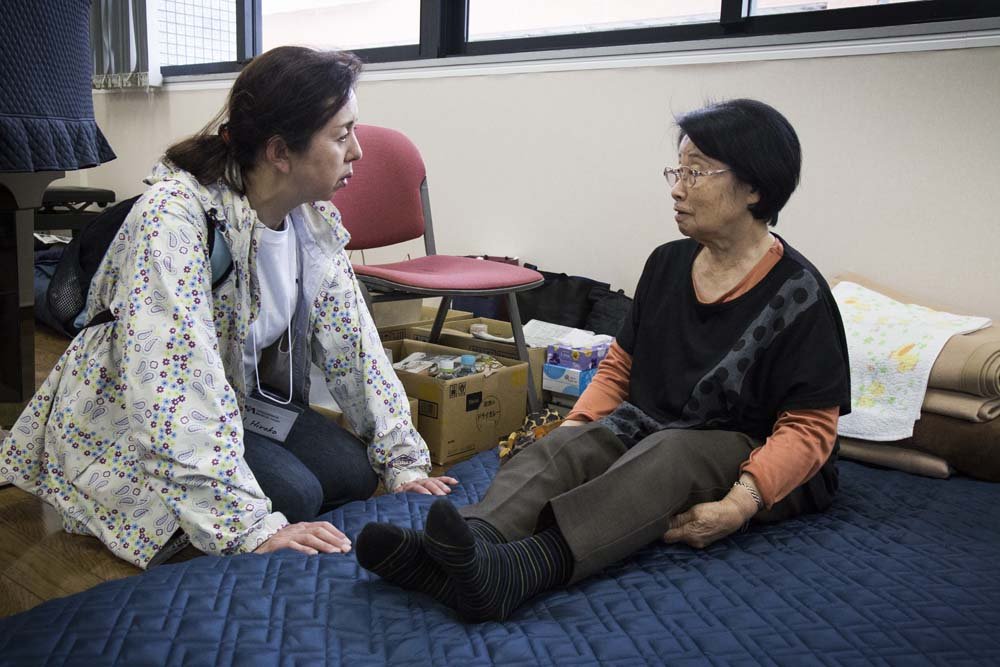
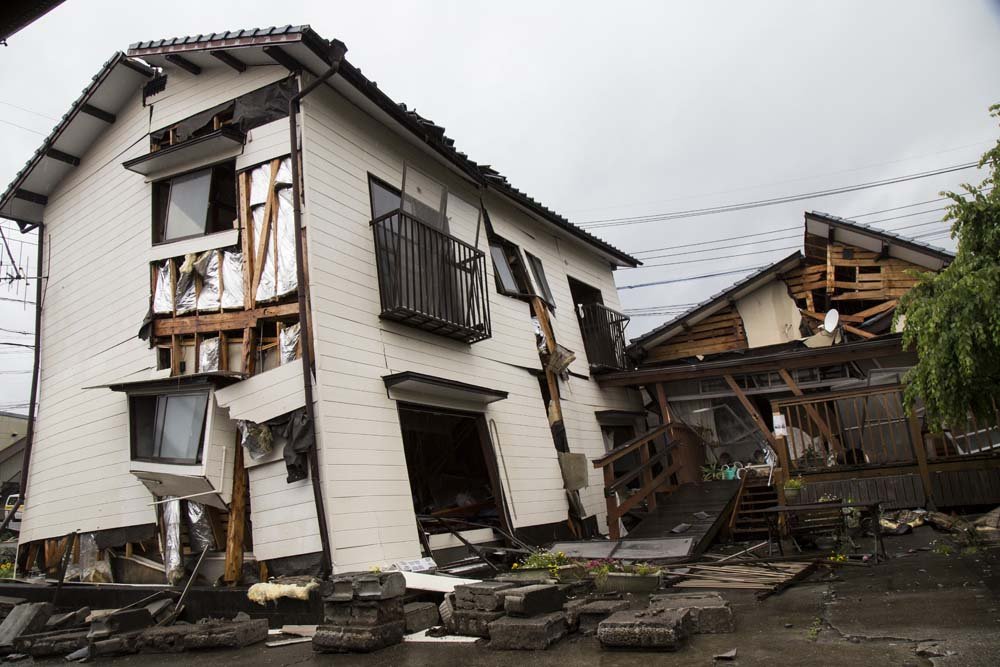
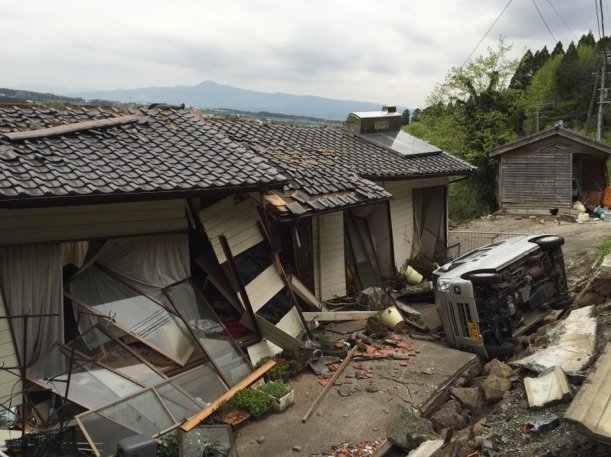
79-year-old Takano moved to one of the four evacuation centers in the town of Mifune just a few days ago, after she learned her house was too unsafe to live in without expensive repairs. Mifune is located not far from the epicenters of the twin earthquakes that hit Kumamoto prefecture in Japan on April 14 and April 16.
On May 10, Ayako, a member of International Medical Corps’ Japan Emergency Response Team, spoke with Takano at the center. Ayako and the International Medical Corps team visited Mifune Evacuation Center to assess needs and determine how to best provide support to those who are still unable to return home, like Takano. Our Emergency Response Team continues to identify the significant number of elderly people remaining in evacuation centers as a particularly at-risk group—reluctant to use water, sanitation, and hygiene facilities because they are deemed inadequate or difficult to access, particularly for those with limited mobility. Tabata, 86 years old, has been at the evacuation center ever since the earthquakes hit, unsure of when she can return home.
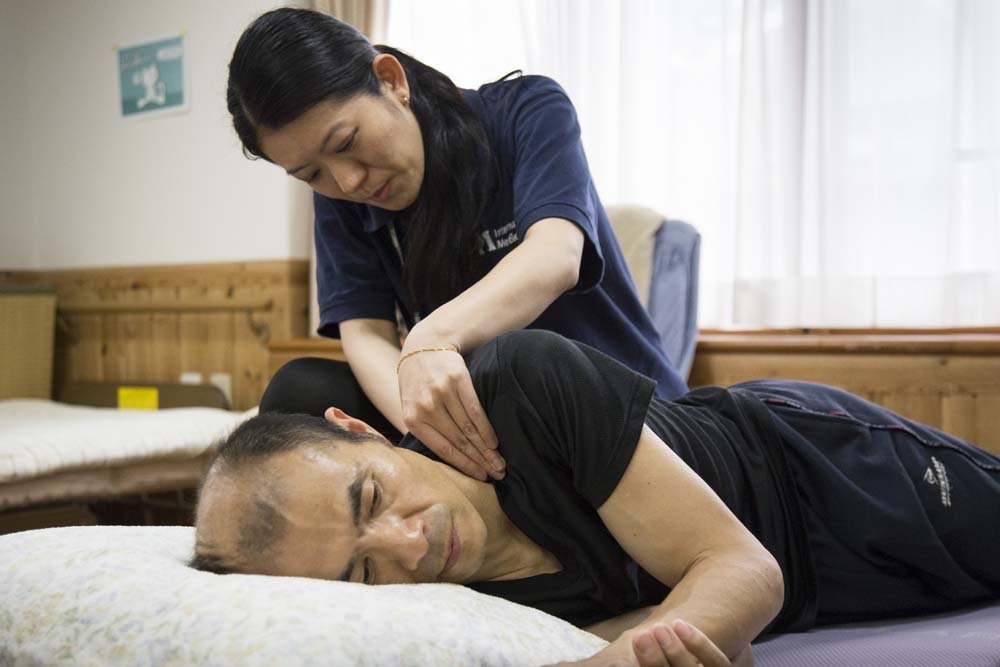
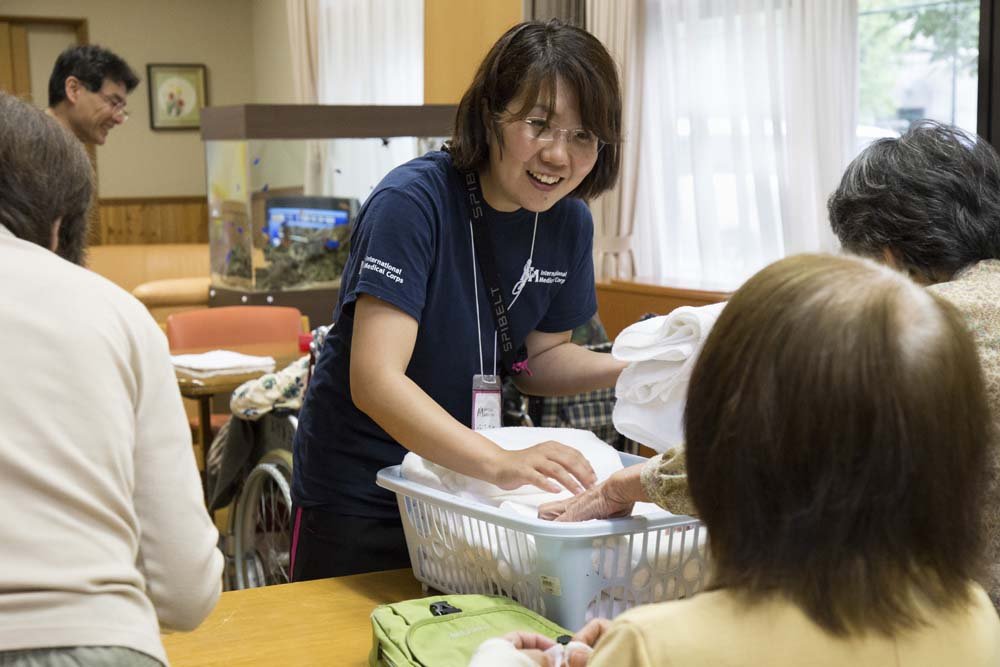
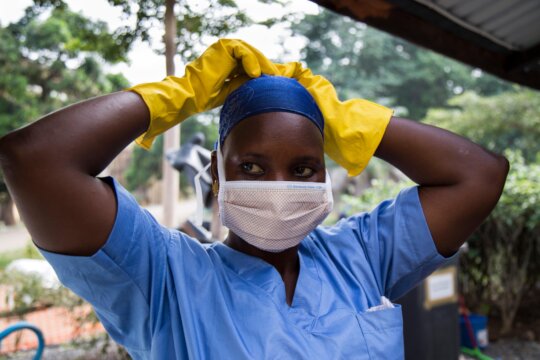
The day prior, on May 9, our teams visited the Aya Nosato Elderly Care Center in Kumamoto. The center reported seeing more elderly seek full-time care following the quakes that rocked the area. At the Aya Nosato Elderly Care Center, International Medical Corps' Japan Emergency Response Team provided 14 physical therapy consultations and helped bathe 22 elderly residents in need of special assistance. To improve hygiene, our teams also provided the center with 20 hygiene kits, including materials like soap, toothbrushes, towels, and more. Yuka, another International Medical Corps team member, helped facilitate group discussion and activities for the center’s residents, to promote well-being.
International Medical Corps’ Japan Emergency Response Team has now reached more than eight evacuation centers with relief assistance, reaching 120 individuals with physical and occupational therapy among other services. Our teams continue to work to ensure water, sanitation, and hygiene facilities as well as personal hygiene and relief supplies are accessible at evacuation and elderly care centers, as well as at the Nishihara internally displaced person camp in Kumamoto. At the camp and evacuation centers, the relief materials, including latrines and light, reached a population of approximately 3,400 men, women, and children.
Across Kumamoto Prefecture, official government statistics indicate more than 2,400 houses confirmed as destroyed, with another 20,000 houses damaged. In Kumamoto city, officials are struggling to meet the housing needs of people whose homes are unfit for habitation. With more than 1,170 recorded aftershocks and up to 19,000 people remaining in evacuation centers in Kumamoto as of May 4, we continue to support the Government of Japan following the earthquakes.
Thank you, to everyone at GlobalGiving for your continued support as we expand efforts and address the most pressing needs for the most vulnerable. With your help, we can reach individuals such as Takano and Tabata with relief and recovery services.
Project reports on GlobalGiving are posted directly to globalgiving.org by Project Leaders as they are completed, generally every 3-4 months. To protect the integrity of these documents, GlobalGiving does not alter them; therefore you may find some language or formatting issues.
If you donate to this project or have donated to this project, you can receive an email when this project posts a report. You can also subscribe for reports without donating.