By Lori Brister | Resource Development Officer
International Medical Corps’ earthquake response in Japan has now concluded. We partnered with the government and local authorities to provide surge capacity and fill identified gaps to support their response. Our teams reached approximately 2,500 people forced from their homes into more than 20 evacuation centers across the affected areas, and we partnered with local organization, Peace Boat Disaster Volunteer Center, to reach thousands more.
To continue supporting International Medical Corps’ emergency efforts, please visit our “Emergency Response to Hurricane Matthew” project at https://www.globalgiving.org/projects/emergency-response-to-hurricane-matthew.
Helping Japan Recover
“I had seen footage of earthquakes from all over the world,” said Kuramoto. “It looked terrible, I never thought it would happen to us.”
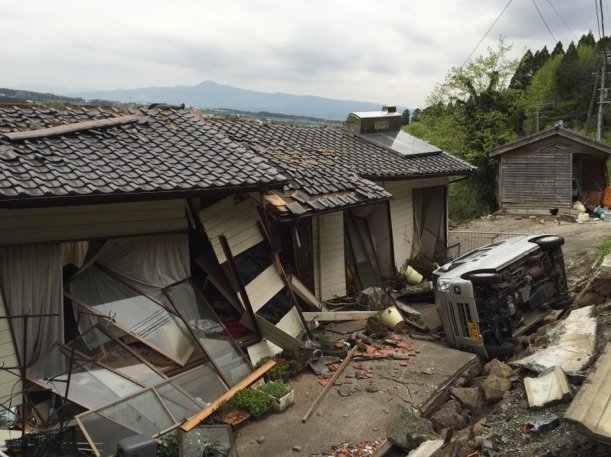
On April 24th, Kuramoto was taking a bath when a powerful 6.2 magnitude earthquake struck the southern islands of Japan. The earthquake toppled buildings, knocked out power and cut off the clean water supply to thousands of people. When it was over, Kuramoto’s home, which her father had built 130 years ago, lay in ruins. She and her husband were fortunate to escape the collapse. Just 48 hours later, an even stronger 7.0 magnitude earthquake proved even more damaging. More than 1,700 aftershocks hit in the weeks that followed, further damaging weakened structures. In all, there were 49 casualties, about 1,400 injuries and some 181,000 people evacuated from their homes.
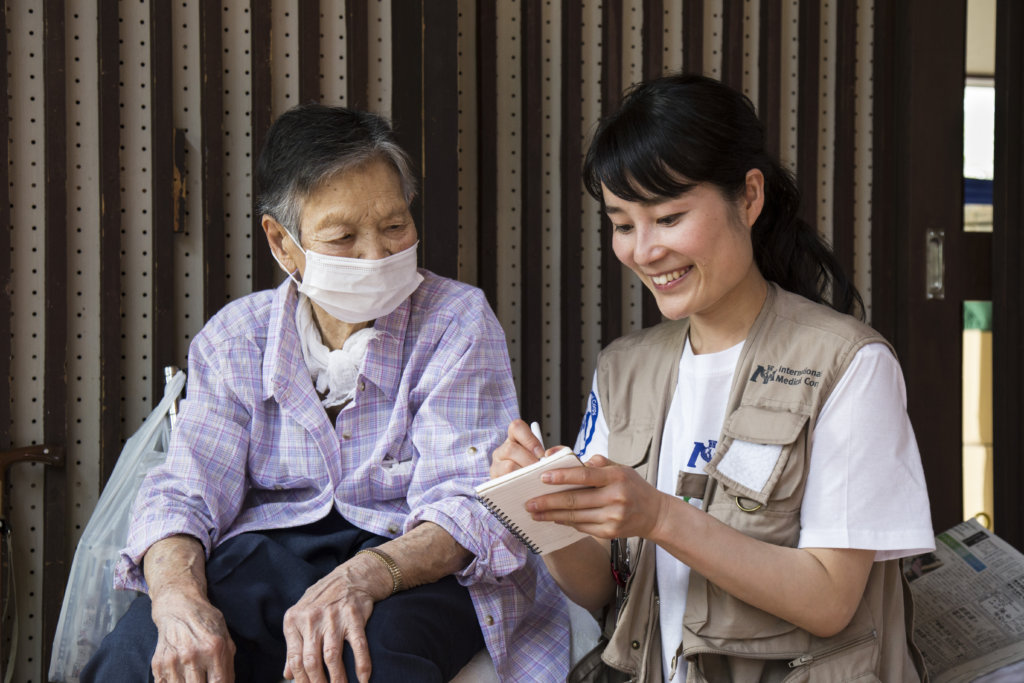
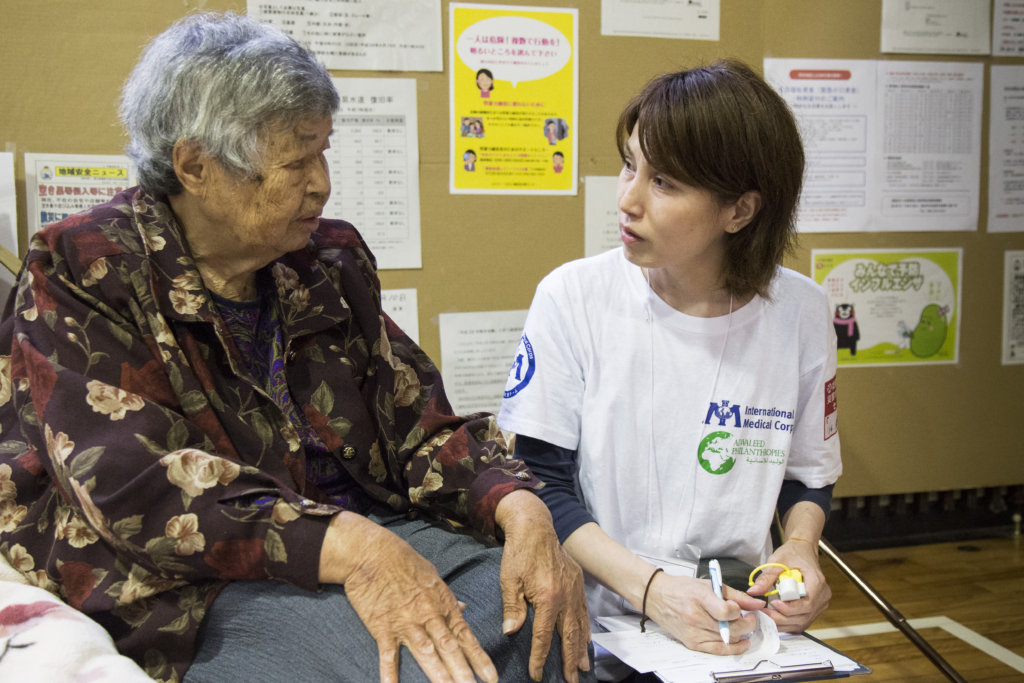
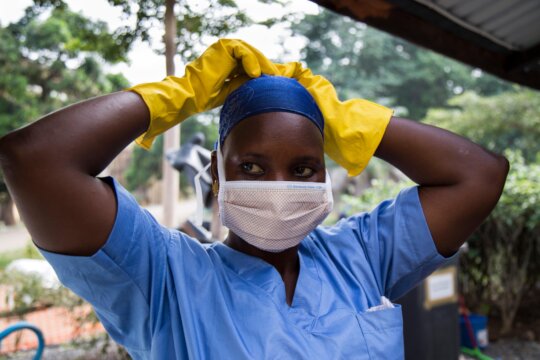
International Medical Corps’ emergency response experts deployed from Tokyo and reached the epicenter in Kumamoto within hours of the second quake. Our teams worked closely with government officials and local organizations to meet the urgent needs of the affected and vulnerable populations, especially older and disabled people. As evacuation centers became overcrowded, we provide latrines and hygiene kits to promote health and sanitation. We also distributed mattresses, towels, socks, underwear, and other items that evacuees need to be as comfortable as possible in the temporary shelters. In the days and weeks that followed, our staff provided physical therapy and psychological first aid training to help survivors recover from physical and psychological injuries sustained during the earthquakes.
Our teams also partnered with Peace Boat Disaster Volunteer Center to support earthquake relief and recovery efforts. Staff and more than 5,000 volunteers supported evacuees. Together, local actors distributed over 16,000 hot meals to earthquake disaster victims; created a recreational space for children; and held workshops and events to provide information on earthquake recovery and critical information on available services for thousands in need; and more.
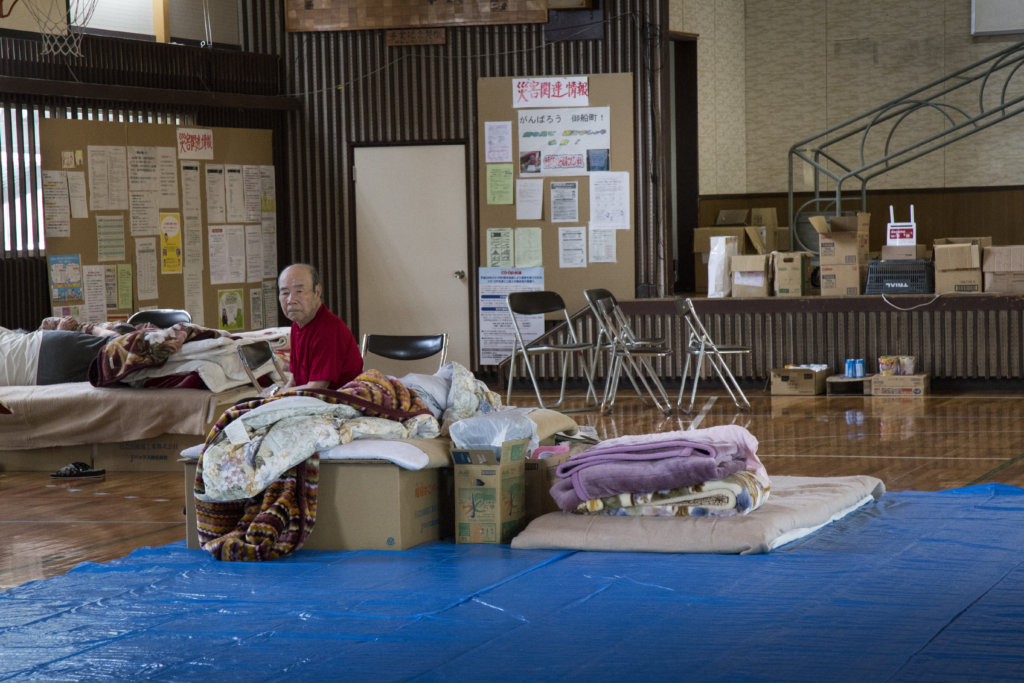
Today, Kuramoto and her husband live in the gymnasium of the local school that she had attended as a child. The polished wooden floor is covered by row after row of mattresses lain atop bedframes improvised from cardboard boxes. “I feel like this has been a dream,” Kuramoto said. “I don’t know where to go from here.” Plans are underway to provide temporary housing and more permanent solutions, but the extent of the damage means that many people will likely be living in evacuation centers for some time to come.
We want to thank you and the GlobalGiving community for all of your support as we assisted the earthquake-affected people of Japan.
Project reports on GlobalGiving are posted directly to globalgiving.org by Project Leaders as they are completed, generally every 3-4 months. To protect the integrity of these documents, GlobalGiving does not alter them; therefore you may find some language or formatting issues.
If you donate to this project or have donated to this project, you can receive an email when this project posts a report. You can also subscribe for reports without donating.