Emergency Response to Mass Coral Bleaching

by Corals for Conservation
Play Video
Emergency Response to Mass Coral Bleaching

Project Report | Jul 14, 2025
CORAL REEFS NOW STARTING TO FALL LIKE DOMINOES

By Austin Bowden-Kerby, Phd | Lead corals researcher for C4C & Reefs of Hope

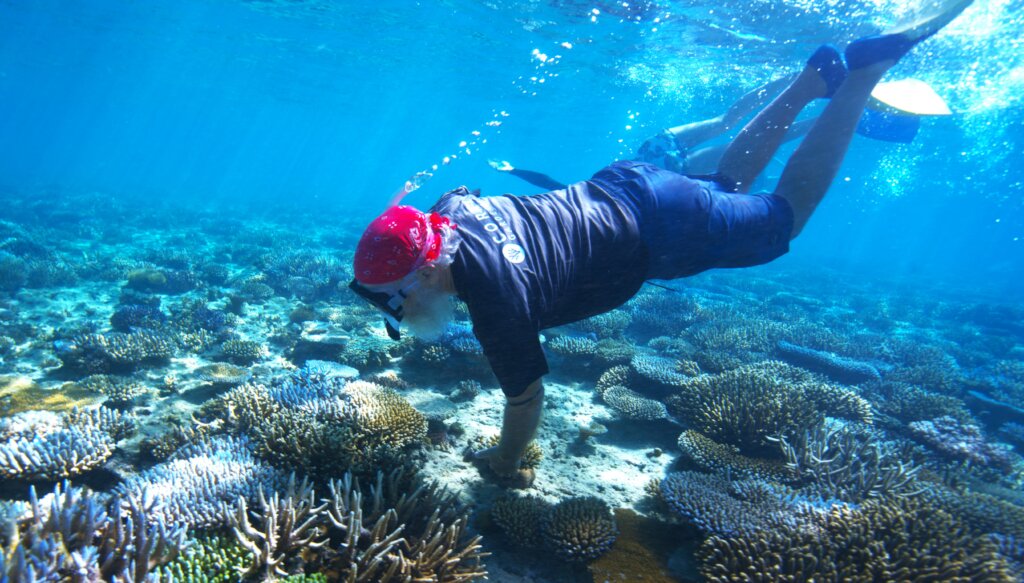
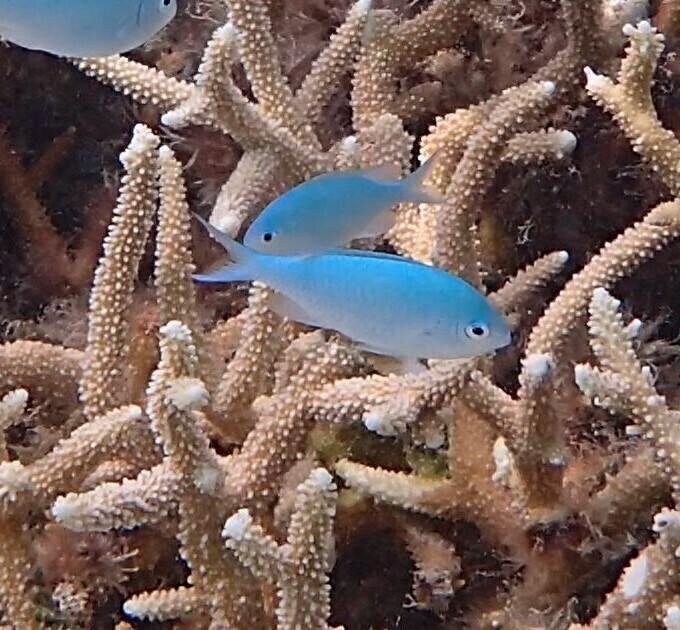
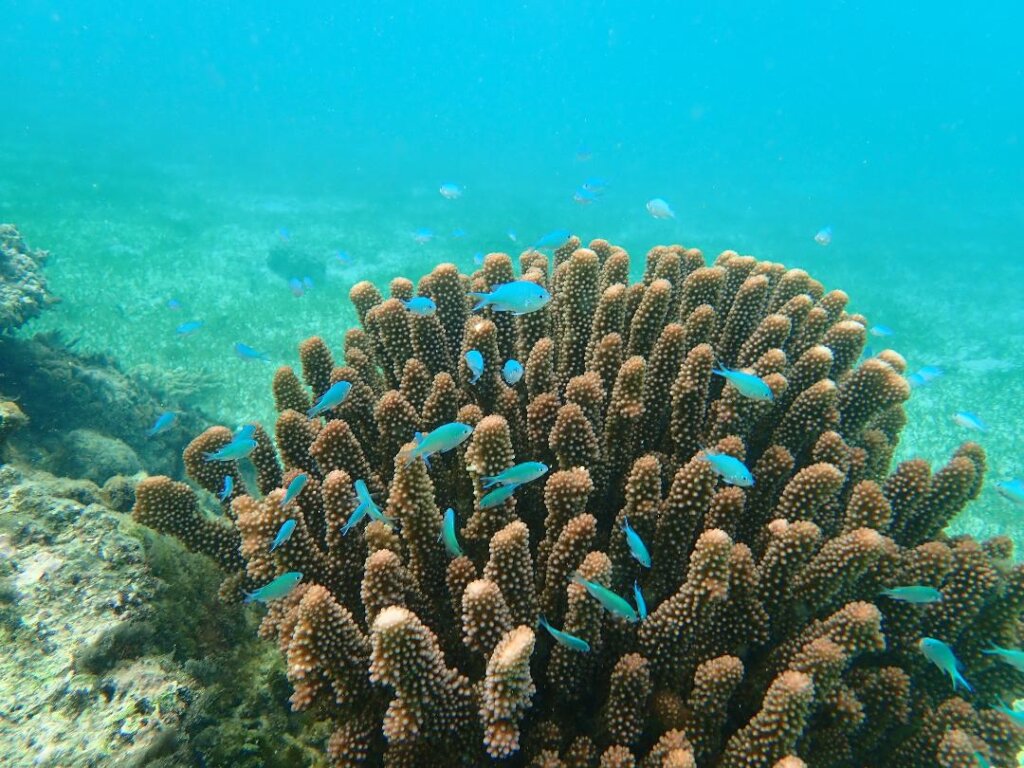
Blue-green Puller among Acropora

This report is on how reefs across the South Pacific, formerly largely untouched by extreme heat events, are now starting to suffer.  The island nation of Tuvalu and much of Papua New Guinea are the newest victims of extinction-level mass bleaching. We have formed partnerships with NGOs and government fisheries ministries in six Pacific Island Nations and are working furiously to ameliorate the damage and facilitate coral comebacks.  First assessments need to be done methodically while looking for surviving heat-resistant hardy genotypes.  Our last report at the end of April foresaw in graph form what has already happened as marine heat waves grow more and more intense and frequent. These impacts can clearly be seen in the field.  We have temperature gauges and equipment in place, but will need more.  It's disturbing how just when the NOAA charts and warnings and measurements of ocean temperatures would be so valuable to scientists and communities to prepare, the U.S. department sharing these graphs has been abruptly splintered or reduced in staff.  It's not only hurricane prognostic work which has less support, but also visuals of patterns of current movements which could influence weather for two or three years.  This is especially important as new information has come to light which indicates that the tipping point for the Southern Oceanic Currents has already been reached! Read the evidence here:  https://www.youtube.com/watch?v=12Ch-NIYxvQ  Abrupt Antarctic Ocean Regime Shift: Reversed SMOC- Southern Meridional Overturning Circulation

Corals researchers and reef rehabilitation scientists worldwide are working to establish a network of support and sharing in order to accelerate rapid knowledge exchanges. Corals for Conservation has contributed to this think tank: our Reefs of Hope strategies is a breakthrough in the dominant paradigm, creating the first coral-focused adaptation plans for coral reefs. In Februrary 2024 Reefs of Hope became a UNESCO-endorsed Ocean Decade Action.  Word of these breakthrough UNESCO-backed strategies is spreading and much progress has been made. The C4C Reefs of Hope Scientist had his way paid to Australia twice and to Mexico in 2024 and to the Maldives in 2025 for high-level meetings to present the new paradigm.    

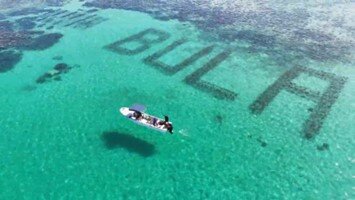
But will our actions be enough to prevent coral species extinction due to a warming world? Will the interventions happen in time?  Will enough people arise to adopt the new strategies before the damage is irreversible?  Our goal is to keep the coral genetic diversity alive until some relief comes. A 10-20 cm sea level rise alone would cool off the nearshore waters and help coral reefs survive.  We have even more evidence-based hope with our latest success saving corals with Bula Reef.  With your continued backing we can certainly make a huge difference!  

To the north of Fiji, two days by ship or two hours by plane, is the atoll nation of Tuvalu.  Tuvalu's coral reefs hosted the most abundant "forests" of corals remaining in the South Pacific, but the 2024 mass bleaching event hit extremely hard, with most corals dying according to three independent reports. The impact of the 2024 bleaching on the shallow water reefs of Tuvalu was truly devastating according to these sources, with well over 90% of all corals in the lagoon dying. "What remains is dead and standing coral thickets as far as the eye can see."  Deeper water reefs may have suffered less of a loss, but the data is not yet in.

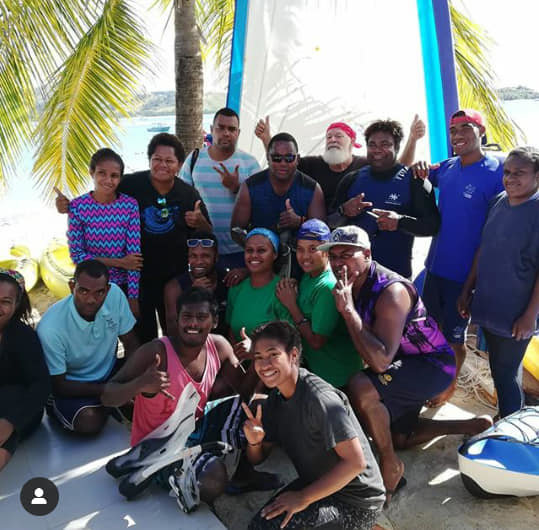
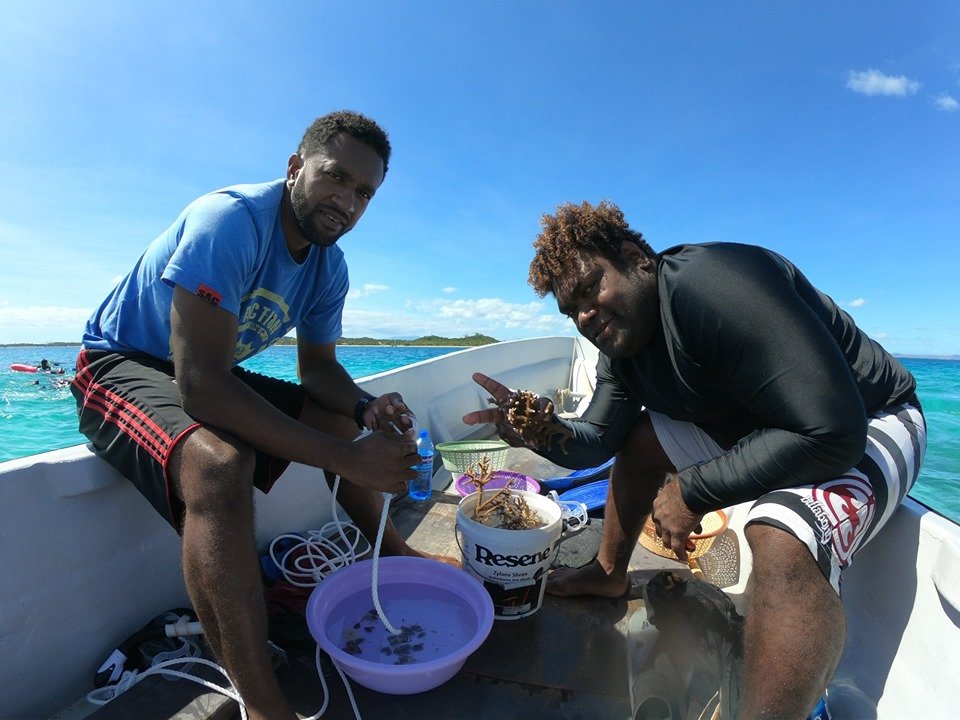
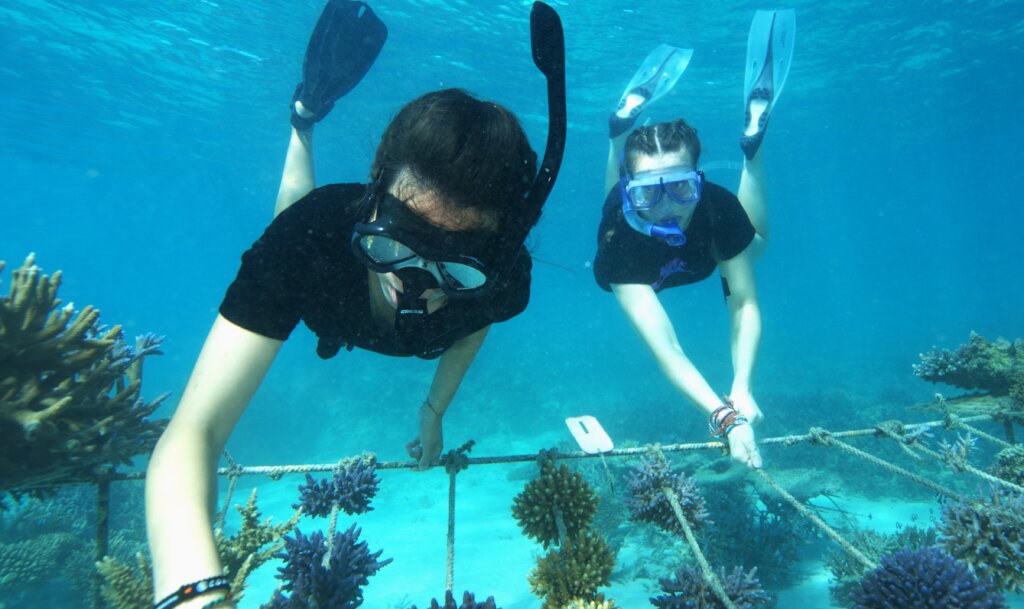
Tuvalu Fisheries has contacted C4C and they are working with our NGO partner Fuligafou to put together a local emergency response team. C4C's lead scientist will travel to Tuvalu in August to train and guide the team in carrying out the work to find and secure what corals remain.  The corals moved from hot to cooler waters, done in 2023, have hopefully survived.

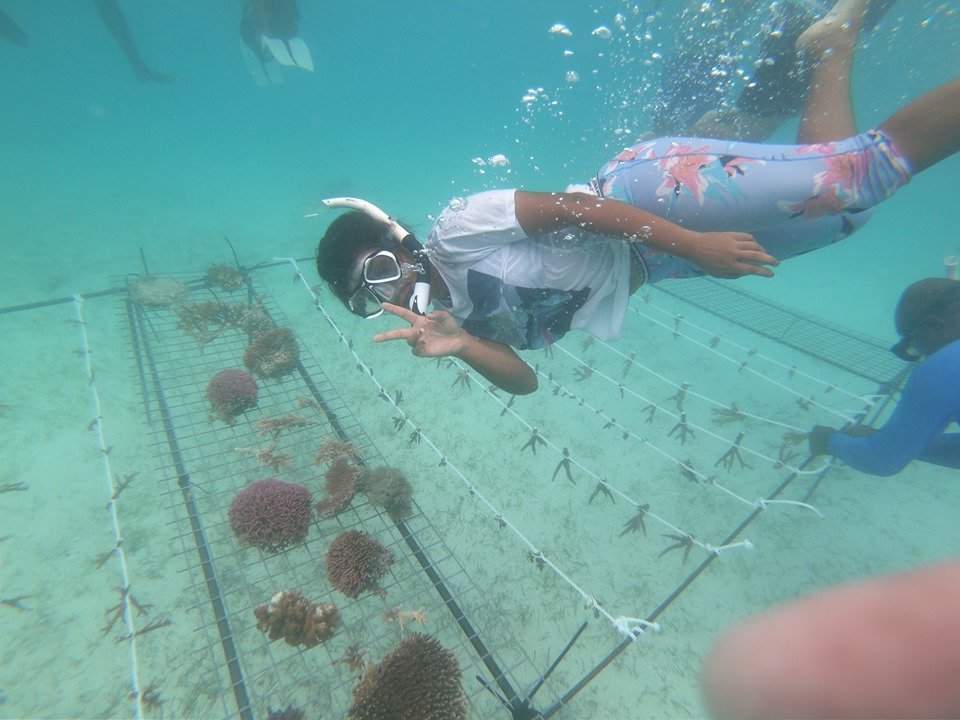
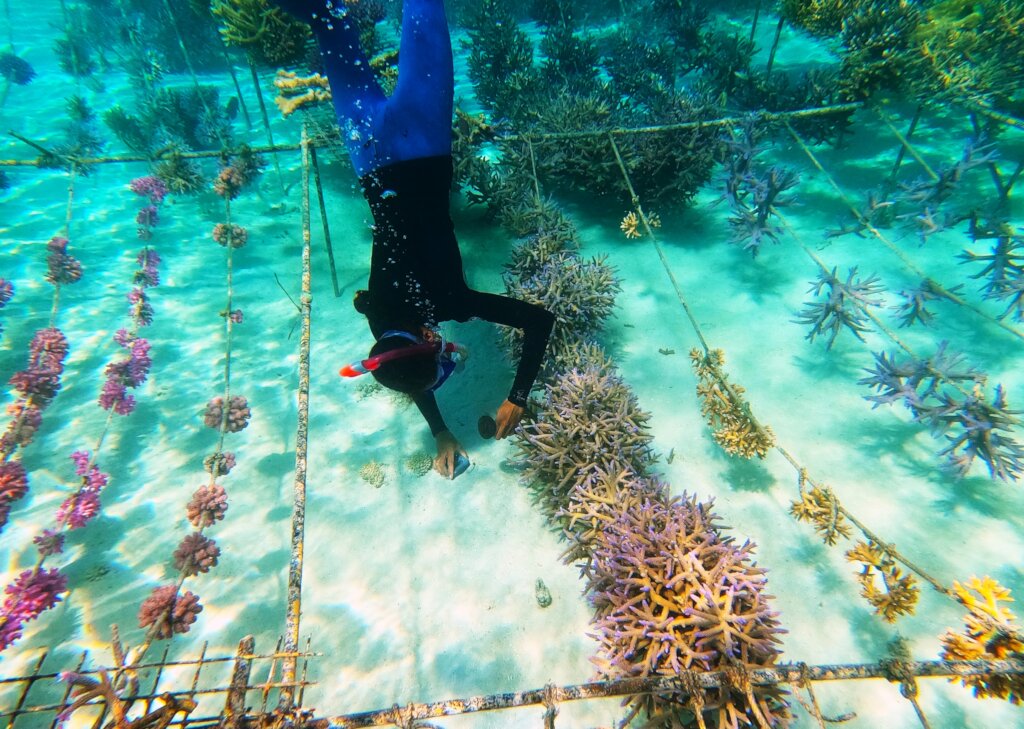
As Tuvalu does not have the materials needed to build the required long-lasting coral nurseries, the materials have been purchased in Fiji and have been shipped to Tuvalu.  An underwater camera has also been purchased for recording and monitoring the work.   

On the positive side, whatever corals have survived will be heat-resistant, but samples of each will need to be moved into cooler water nurseries to escape the even more intense marine heat waves expected as the oceans warm. These gene bank nurseries can be established near a reef pass and the now rare corals can be gathered and placed in proximity, so that reproduction is restored.  Whatever corals remain have withstood temperatures close to 35C or 94F, so as long as enough remain, we can use them to reboot natural larval-based coral recovery processes.

One aspect working in corals' favor is that there are virtually no COTS on Tuvalu. Crown of Thorns Starfish can be a severe threat in Fiji, for instance. However, in general, atoll nations like Tuvalu and Kiribati have nutrient levels too low for the COTS larvae.

Coming soon is the July Bonus Day for donors planning $100-$1,000 gifts.  This sizzling summertime "deal" from GlobalGiving begins at 10:00 A.M. Wednesday  EDT July 16th and lasts a full 24 hours.  
Oceans of thanks for being part of the solution,
Austin

 
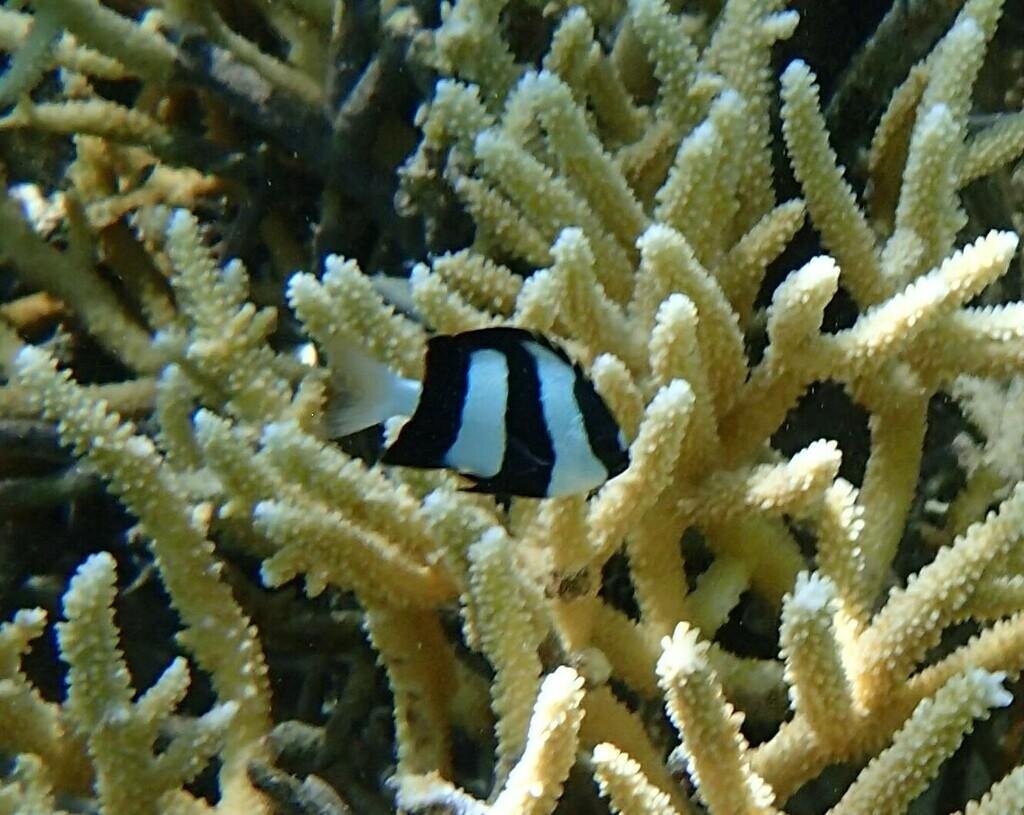
Humbug Dascyllus among Acropora
Blue-Green Puller in Pocilliopora
Share on Twitter Share on Facebook

About Project Reports

Project reports on GlobalGiving are posted directly to globalgiving.org by Project Leaders as they are completed, generally every 3-4 months. To protect the integrity of these documents, GlobalGiving does not alter them; therefore you may find some language or formatting issues.

If you donate to this project or have donated to this project, you can receive an email when this project posts a report. You can also subscribe for reports without donating.


Sign up for updates

Organization Information

Corals for Conservation

Location: Samabula - Fiji
Website:
Facebook: Facebook Page
Project Leader:
Austin Bowden-Kerby
Samabula , Fiji
$153,013 raised of $200,000 goal
 
2,126 donations
$46,987 to go
Donate Now
lock
Donating through GlobalGiving is safe, secure, and easy with many payment options to choose from. View other ways to donate

Corals for Conservation has earned this recognition on GlobalGiving:

Help raise money!

Support this important cause by creating a personalized fundraising page.

Start a Fundraiser

Learn more about GlobalGiving

Teenage Science Students
Vetting +
Due Diligence

Snorkeler
Our
Impact

Woman Holding a Gift Card
Give
Gift Cards

Young Girl with a Bicycle
GlobalGiving
Guarantee

Get incredible stories, promotions, and matching offers in your inbox

WARNING: Javascript is currently disabled or is not available in your browser. GlobalGiving makes extensive use of Javascript and will not function properly with Javascript disabled. Please enable Javascript and refresh this page.