By Maiko Kubota | Project Leader
Overview
From January to March 2026, Japan Heart continued its long-term support for communities affected by the Noto Peninsula Earthquake.
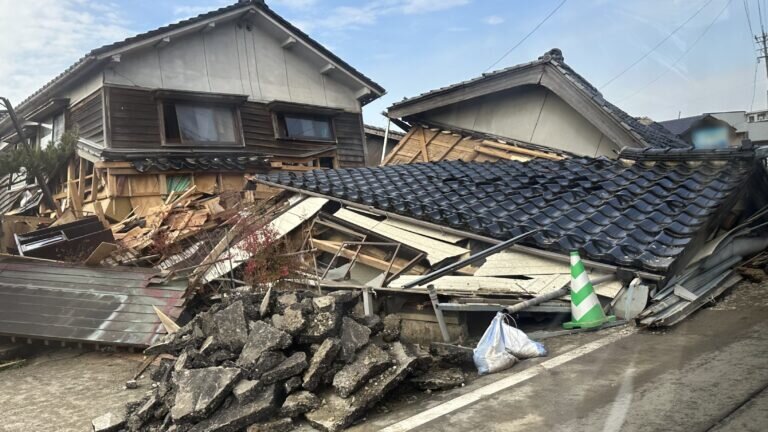
Since the immediate aftermath of the disaster, Japan Heart has remained committed not only to delivering medical assistance but also to supporting the daily lives and well-being of those affected. Even as time passes, many residents continue to face challenges related to health, isolation, and rebuilding their lives.
During this period, activities focused on maintaining close connections with residents through regular visits and community-based initiatives. By creating opportunities for people to gather, talk, and share their concerns, the team has worked to support both physical and mental well-being while fostering a sense of continuity and trust within the community.
Key Updates & Achievements
- Two Years Since the Earthquake – A Turning Point for Community Activities (early January 2026)
Marking two years since the Noto Peninsula Earthquake, this period became a significant milestone for both residents and ongoing support efforts.
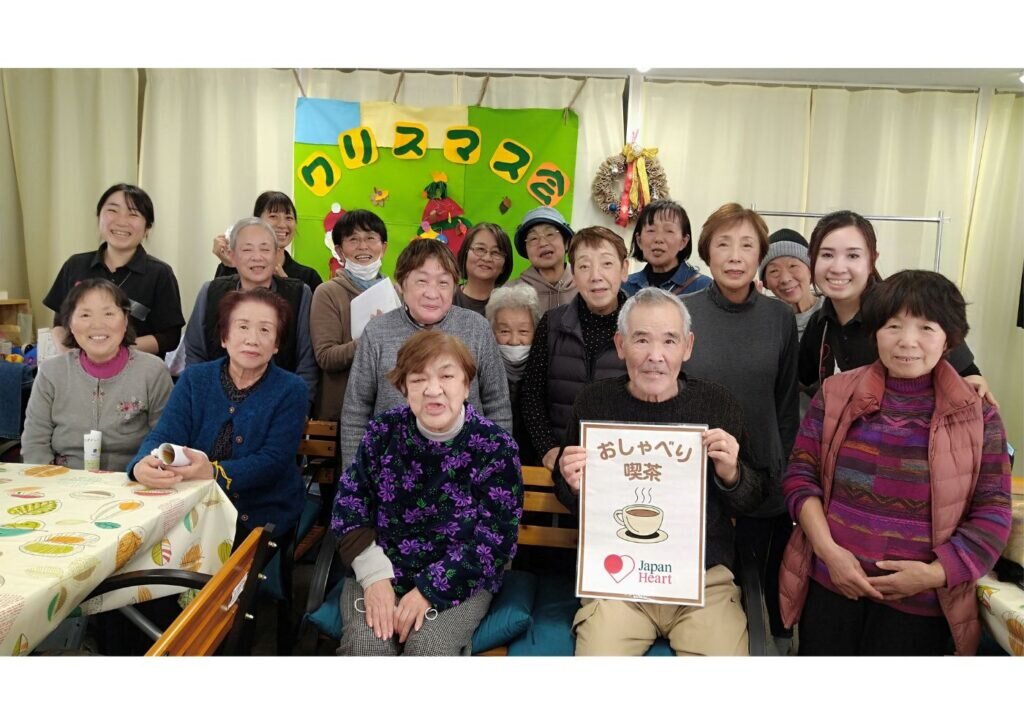
Community-based “Chat Café” activities, which had been continuously held since the disaster, reached their final sessions in many areas between December and January. These gatherings had provided spaces where residents could talk openly, reflect on their experiences, and reconnect with others in their community.
For many participants, the two-year mark brought mixed emotions while some spoke of gradual recovery, others shared that daily life challenges and emotional burdens remained.
Achievement:
The conclusion of these long-running activities highlighted both the progress made and the continuing needs, marking an important transition point in community-based support.
- Community Outreach in January – Salon Activities and Home Visits (January 15– 18, 2026)
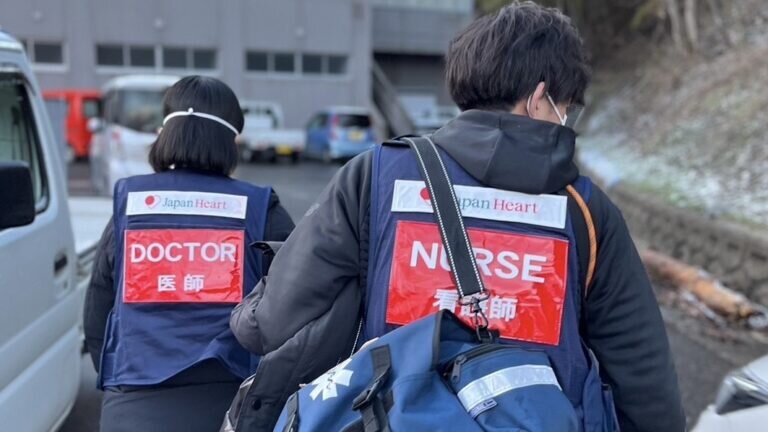
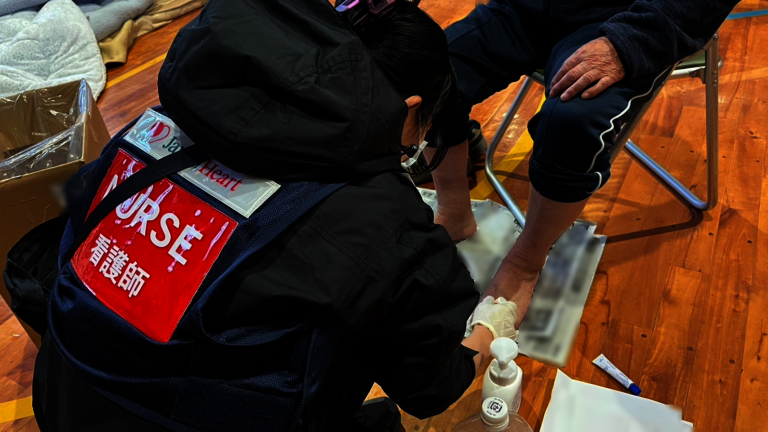
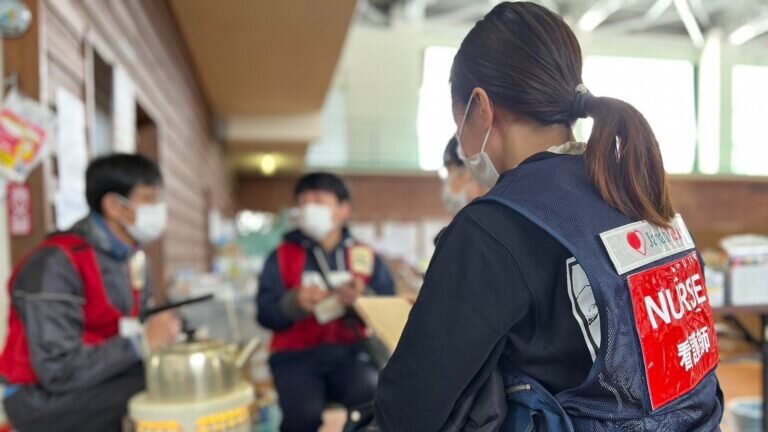
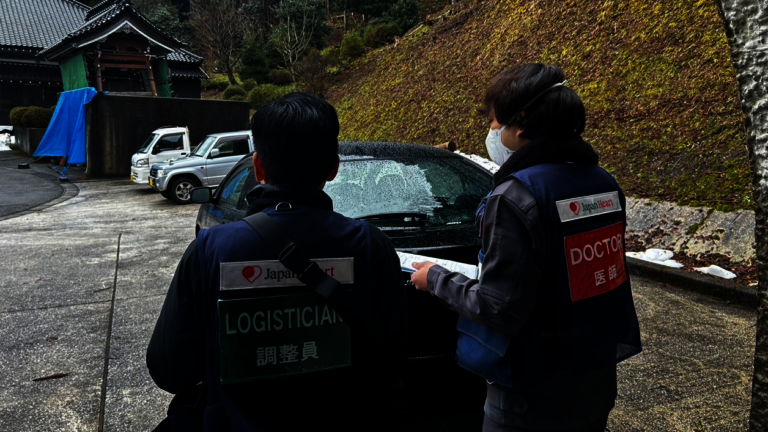
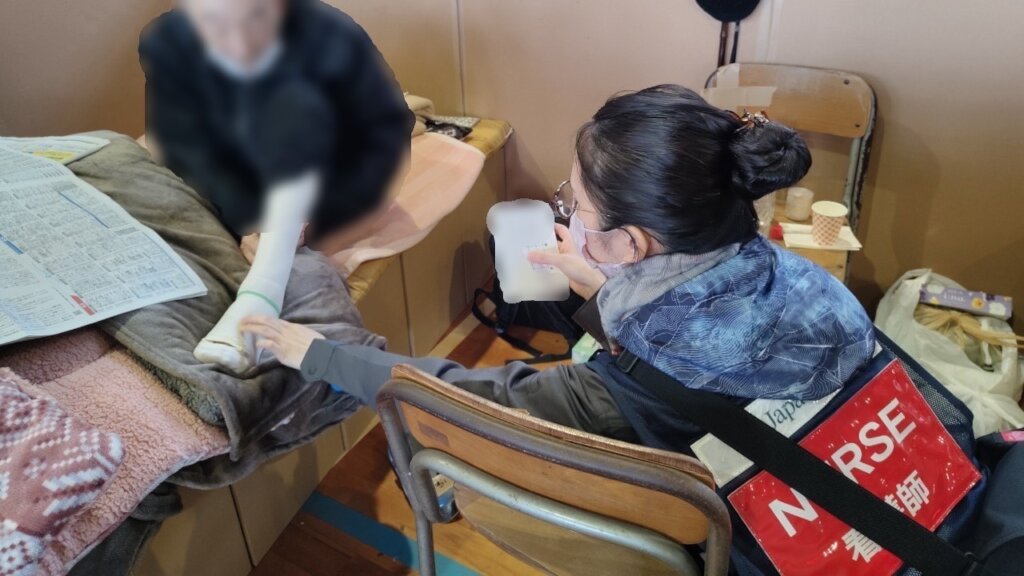
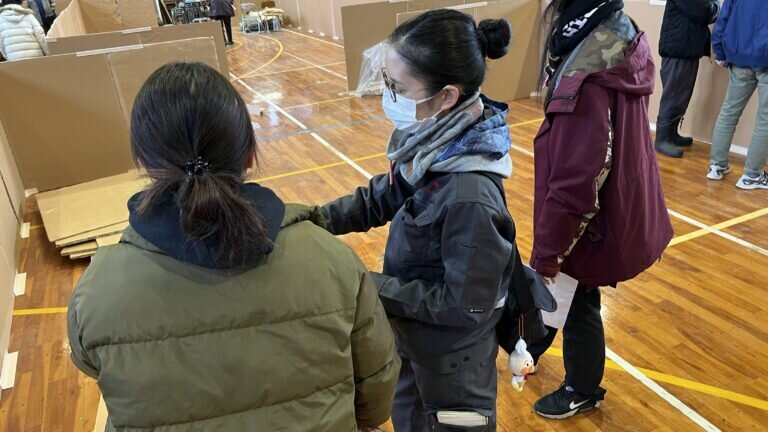
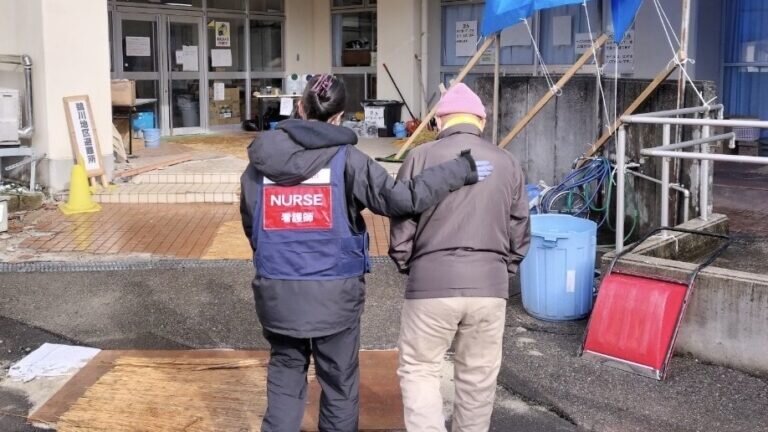
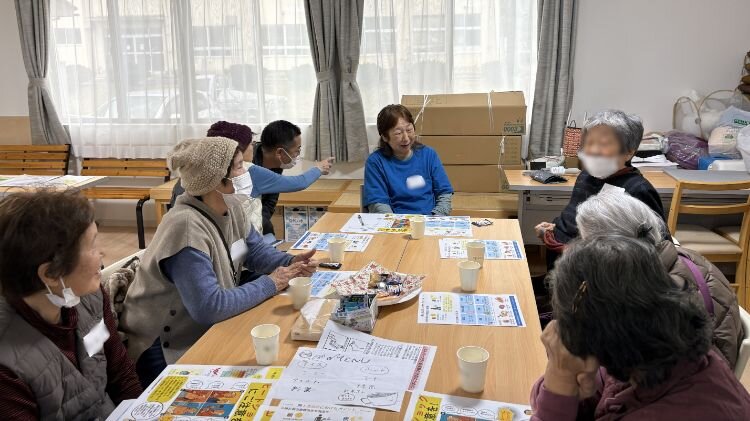
From January 15 to 18, the team conducted outreach activities in Noto Town and Monzen area of Wajima City. These included “Chat Café” gatherings, individual home visits, and home-based rehabilitation support.
Over the course of four days, the team met a total of 68 residents. Through conversations during salon activities and visits, residents shared their current living conditions, health concerns, and reflections after two years since the earthquake. Some expressed that while reconstruction is progressing, emotional recovery and daily uncertainties persist.
Achievement:
By combining group activities with individualized support, the team was able to respond to both shared and personal needs, strengthening community engagement and continuity of care.
- BLS Training for High School Students in Noto: Expanding Learning and Future Possibilities (March 3, 2026)
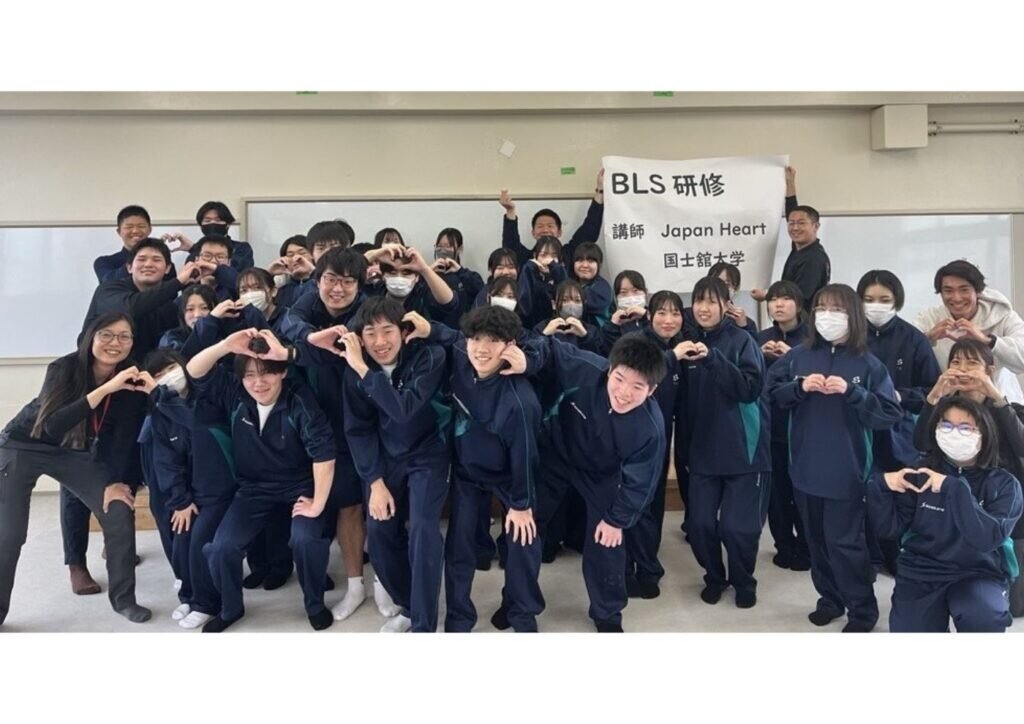
Japan Heart conducted Basic Life Support (BLS) training sessions at three high schools across the Noto region as part of its ongoing disaster support efforts.
This initiative was designed not only to teach life-saving skills but also to create opportunities for local students to engage with medical professionals and university students. Through hands-on practice such as chest compressions and AED use participants learned how to respond in emergency situations before professional help arrives.
The program also served as a form of career exposure. By interacting with university students pursuing emergency medical training, participants gained insight into future educational and professional pathways, which are often limited in the Noto region.
In the context of a region still recovering from disaster, the training provided not only practical knowledge but also a sense of empowerment and connection for younger generations.
Achievement:
The program strengthened community resilience by equipping young people with life-saving skills while also fostering new connections and expanding their perspectives on future opportunities.
- Disaster Volunteer Training Program – Building a Diverse Support Workforce (February 5, 2026)
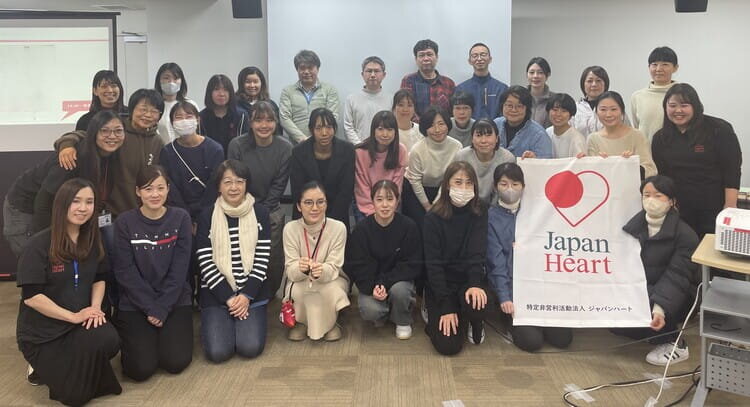
Through its disaster response initiative (iER), Japan Heart operates a volunteer registration system and provides training twice a year through a two-day program designed to develop individuals who can actively contribute to disaster settings.
In disaster response, not only medical professionals such as doctors and nurses but also non-medical personnel play a critical role, particularly in coordination and operational support on the ground. Their presence enables medical teams to carry out timely and effective interventions.
The program is open to a wide range of participants, regardless of medical background, including members of the public and company employees who can take on coordination roles. The training consists of both lectures and practical exercises, allowing participants to build both knowledge and hands-on skills.
Achievement:
By fostering a diverse pool of trained volunteers, the program strengthens the overall disaster response capacity, ensuring that both medical and non-medical functions are effectively supported in the field.
- Vehicle Training for Staff – Strengthening Safety and Emergency Response Capacity (March 10, 2026)
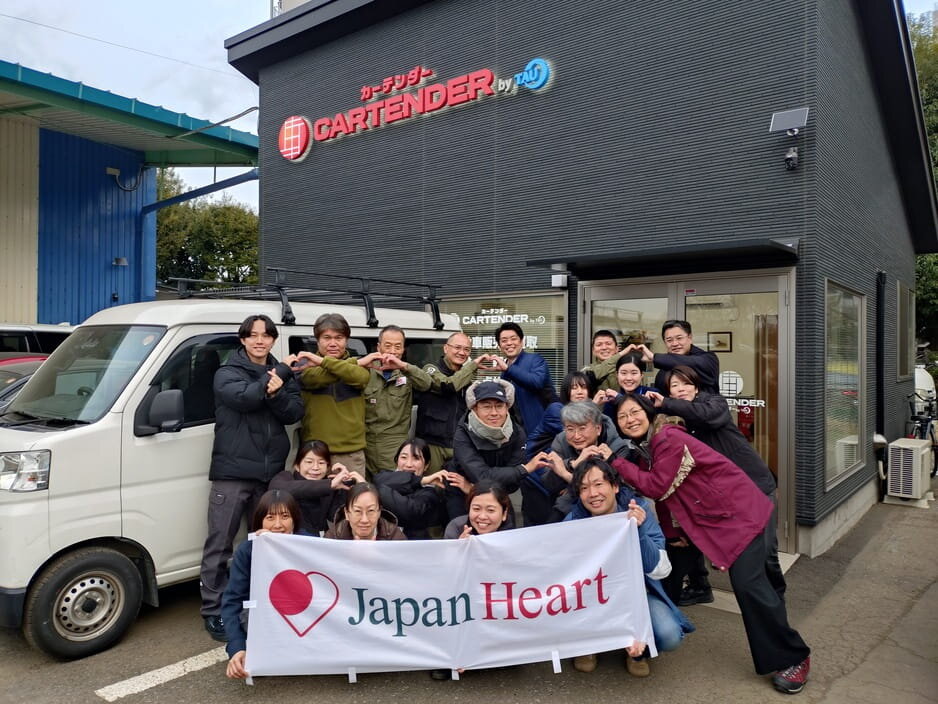
A vehicle training session was conducted for staff to enhance safe driving practices and emergency response capabilities. As vehicles are essential for daily operations in disaster support activities, ensuring safe and efficient use is critical.
The training focused on practical skills required in the field, including safe driving techniques, risk awareness, and appropriate responses in emergency situations.
Achievement:
This initiative strengthened operational safety and improved the team’s readiness to respond effectively in both routine and emergency scenarios.
- New Phase of Community Activities: “Ogenki Club” Launch (March 13– 15, 2026)
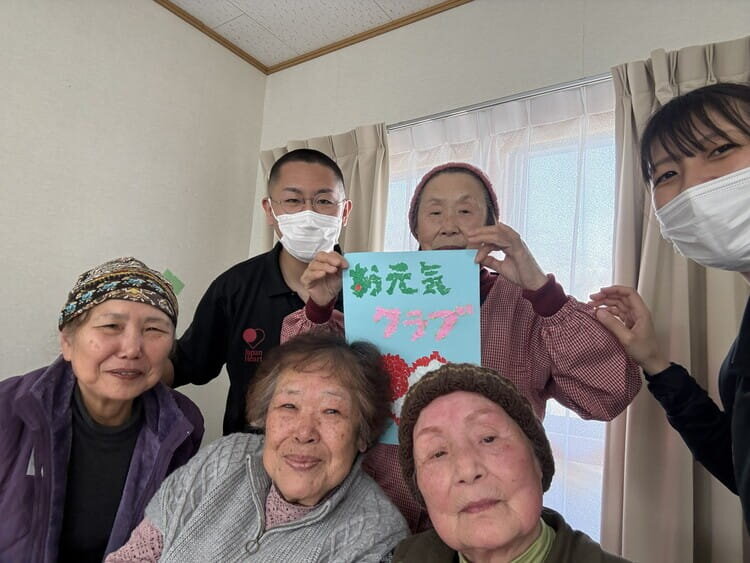
From March 13 to 15, salon and outreach activities were conducted in Noto Town and Wajima City. During this period, community activities evolved into a new format, with “Chat Café” transitioning into the “Ogenki Club.”
The renewed program included a variety of activities such as light exercise, origami, brain training exercises, and casual conversations with staff. During the first session, participants worked together to create a handmade sign using colored paper and origami, symbolizing a fresh start for the activity.
Achievement:
The introduction of the “Ogenki Club” marked a shift toward more interactive and participatory activities, supporting both physical and mental well-being while strengthening community bonds.
- Volunteer Step-Up Training: Strengthening Logistics Capacity (April 10, 2026)
A step-up training program was conducted for registered volunteers, focusing on strengthening their understanding of logistics in disaster medical support.
The training is aimed at equipping participants with the skills needed to support both on-site operations and back-end coordination. It emphasized the importance of logistics as a critical component of effective disaster response, bridging the gap between frontline activities and overall operational management.
Achievement:
By enhancing volunteers’ practical knowledge and skills, the program contributed to building a more resilient and capable support system for ongoing and future disaster response efforts.
Upcoming Goals
In collaboration with local public health nurses, we will continue organizing regular community-based activities, including salon gatherings, to support residents living in temporary housing and identify ongoing health and social needs.
Through these interactions, we aim to create safe spaces where individuals feel comfortable sharing their concerns, while also enabling early detection of issues related to medical care, nursing, and daily life.
As recovery continues, we remain committed to listening closely to each voice and adapting our support to meet the evolving needs of the community.
Acknowledgement
We sincerely thank all supporters who have stood with us since the Noto Peninsula Earthquake.
Your kindness allows us to continue walking alongside communities, offering not only support but also a sense of connection and hope.
Links:
Project reports on GlobalGiving are posted directly to globalgiving.org by Project Leaders as they are completed, generally every 3-4 months. To protect the integrity of these documents, GlobalGiving does not alter them; therefore you may find some language or formatting issues.
If you donate to this project or have donated to this project, you can receive an email when this project posts a report. You can also subscribe for reports without donating.



Support this important cause by creating a personalized fundraising page.
Start a Fundraiser