By Genevieve Frederick | Founder
The media tells us that homelessness is going down. But how are the homeless counted? There is no easy answer to this question and, in fact, the question itself is misleading. In most cases, homelessness is a temporary circumstance -- not a permanent condition. A more appropriate measure of the magnitude of homelessness is the number of people who experience homelessness over time, not the number of "homeless people."
By its very nature, homelessness is impossible to measure with 100% accuracy. Recent studies suggest that the United States generates homelessness at a much higher rate than previously thought. The National Law Center on Homelessness and Poverty estimates that 3.5 million people are likely to experience homelessness in any given year. Estimates from the National Coalition for the Homeless suggest that five to ten percent of homeless people have dogs or cats. We conservatively estimate that 25% have pets. Our records show that 62% of cases are homeless women asking for emergency veterinary care and over 6% are American veterans. Many pets are companion pets and service animals.
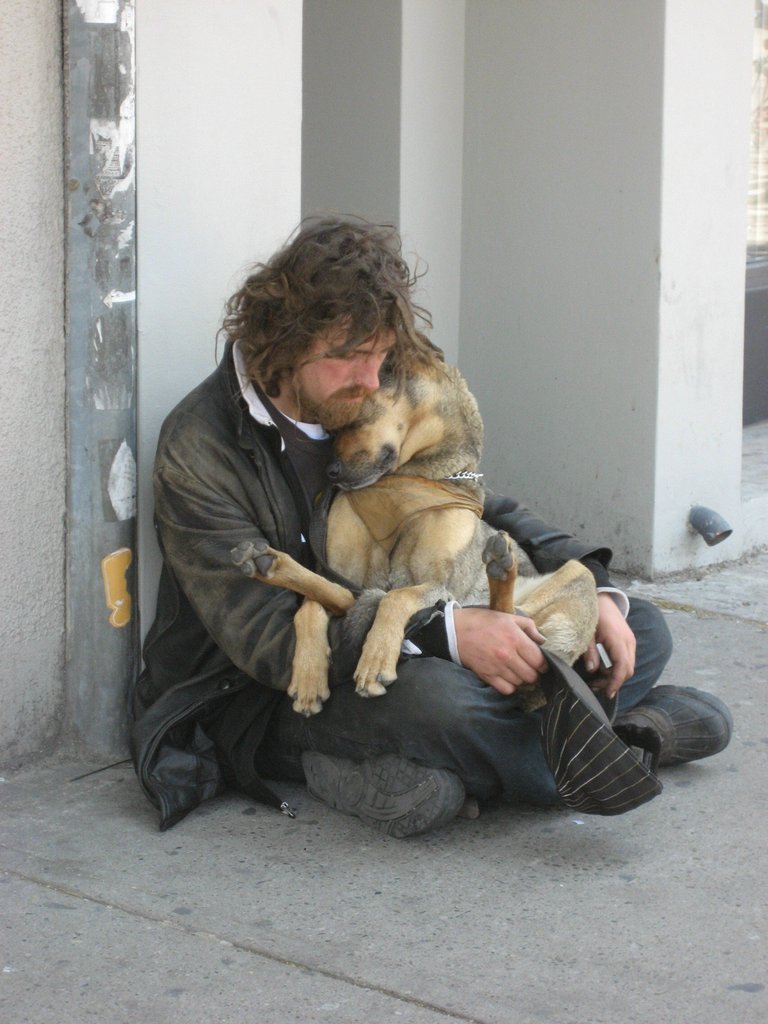
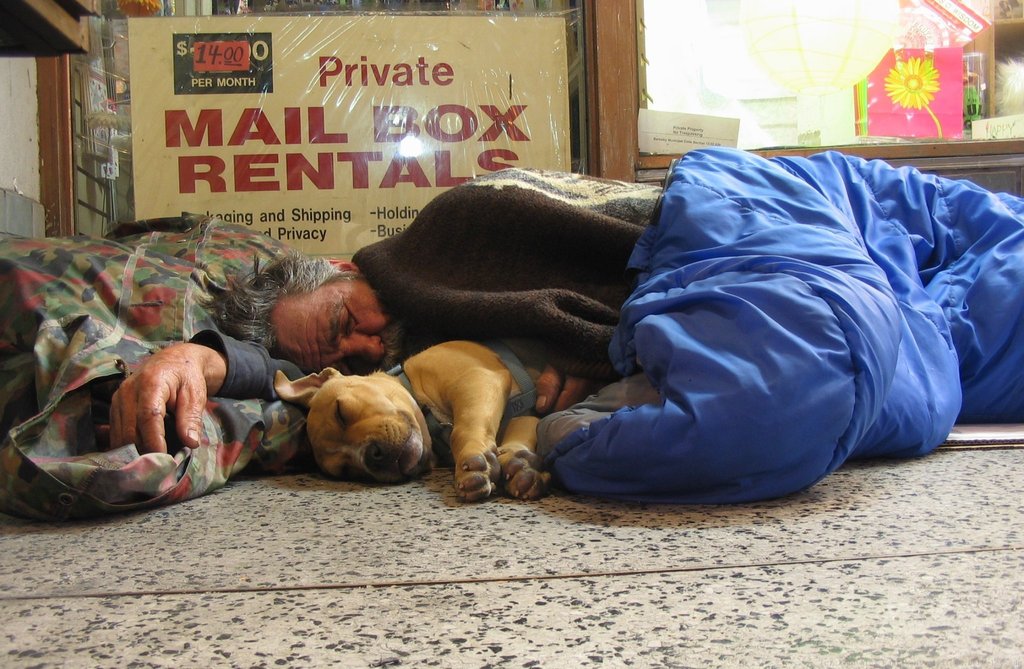
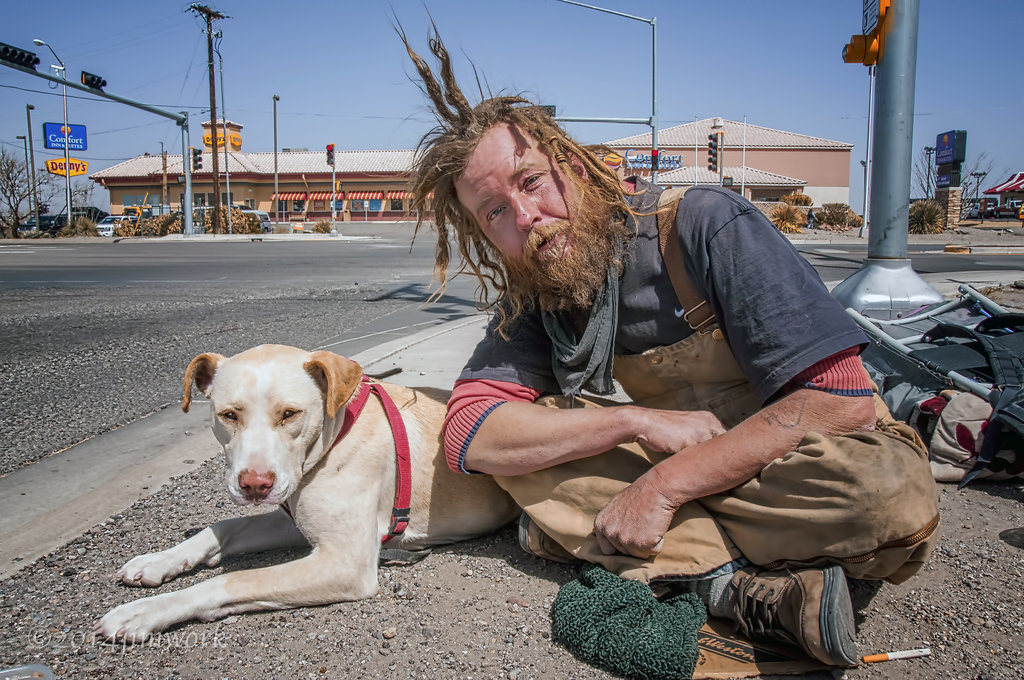
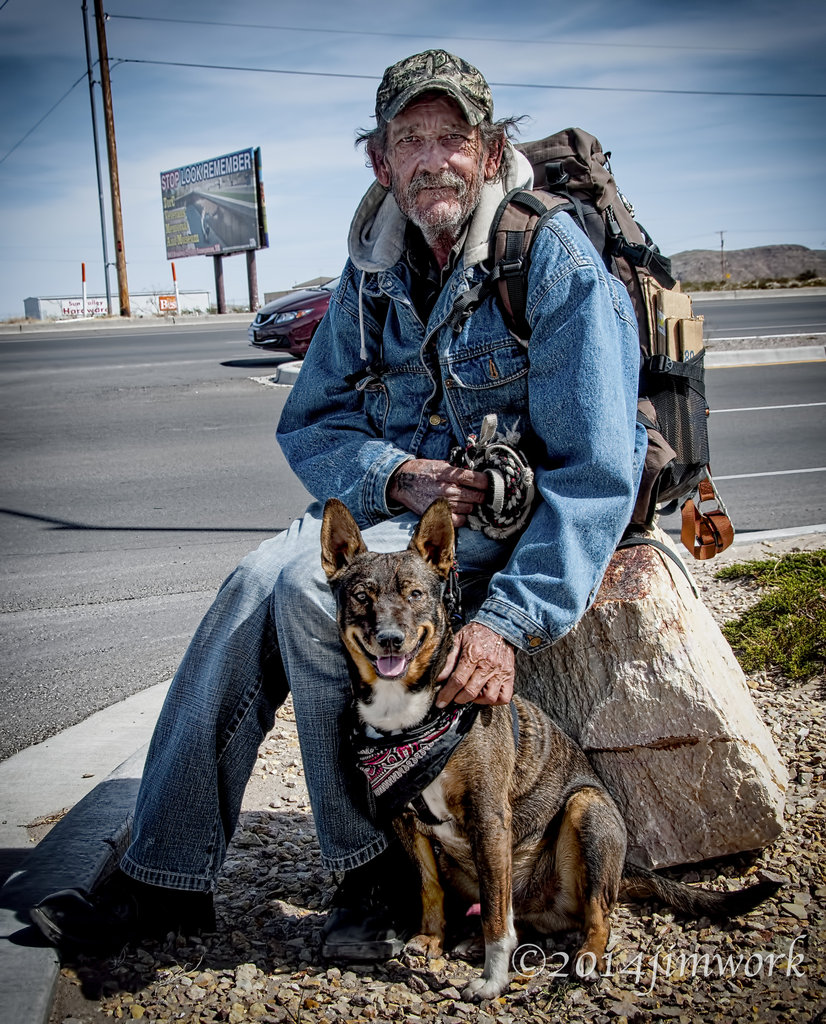
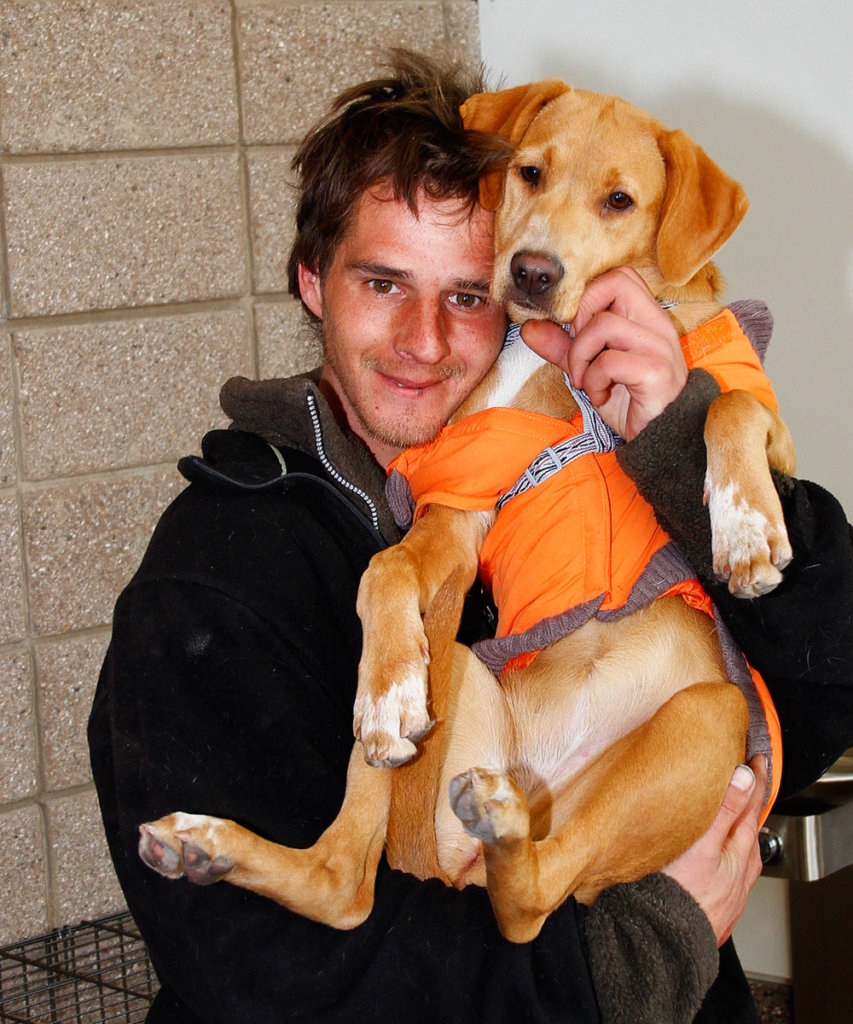
The homeless population includes families, veterans, those who struggle with mental illness, unemployment, physical disabilities and substance abuse. Homeless individuals feel isolated, vulnerable and outcasts of society. Their pet makes them feel loved, wanted and protected.
A pet’s love for its guardian is unconditional, and unaltered by the lack of housing or income.
To the homeless individual, their pet is their world, an extension of themselves. Their pet signifies that one thing is right in their world amid the uncertainty of their daily lives. The bond is one of unconditional love.
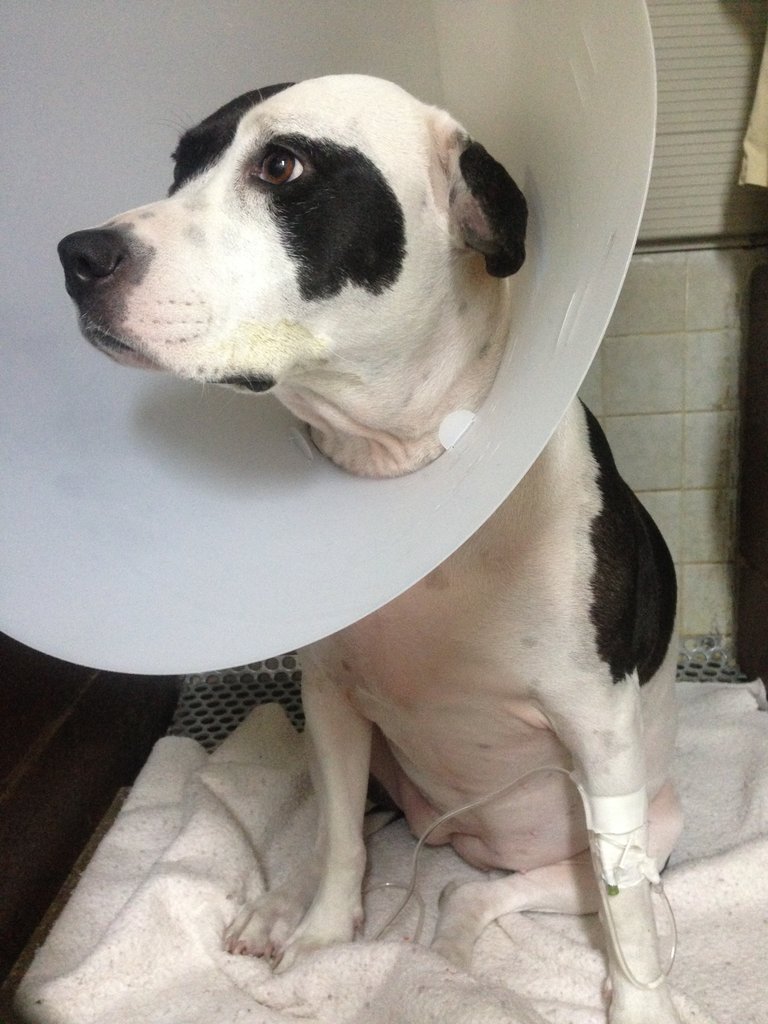
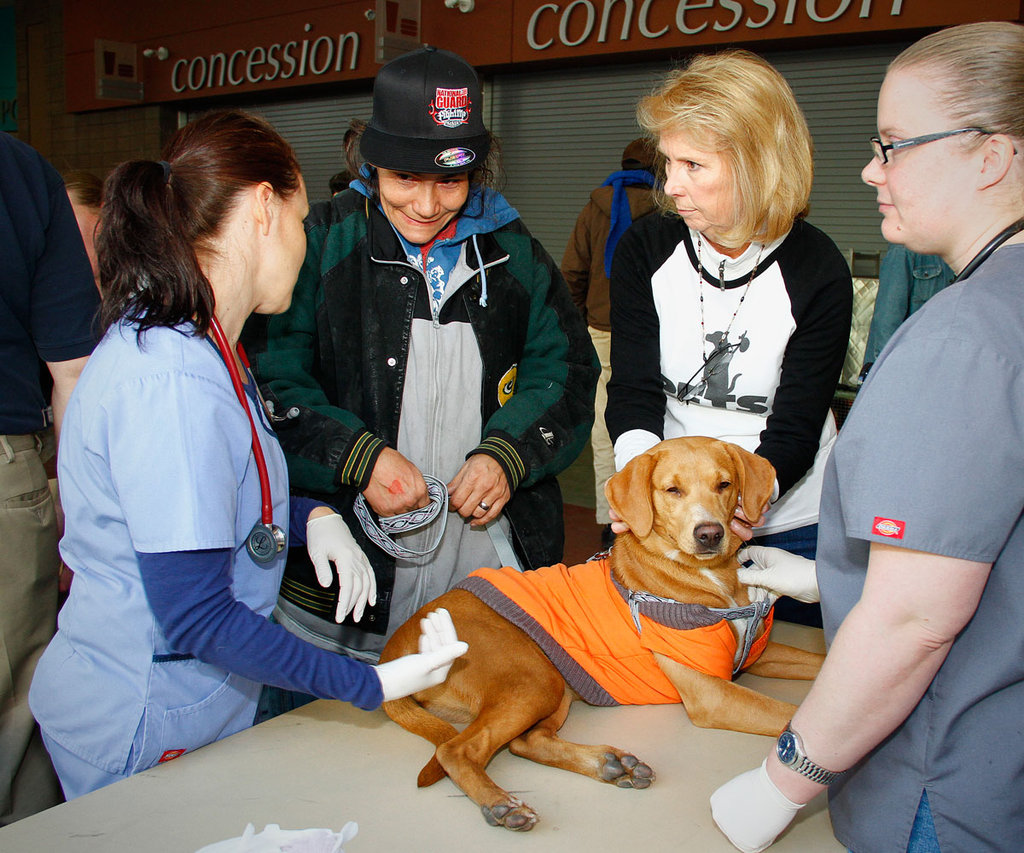
Faced with little or no income, coupled with the uncertainty of where they will sleep each night the homeless have no funds when their pet requires emergency treatment for an acute illness or injury. The pet guardians served by Pets of the Homeless are just like any other pet guardian, they love their pet and do not want it to suffer. They do not want their circumstances of homelessness to be a barrier to their pet’s wellness.
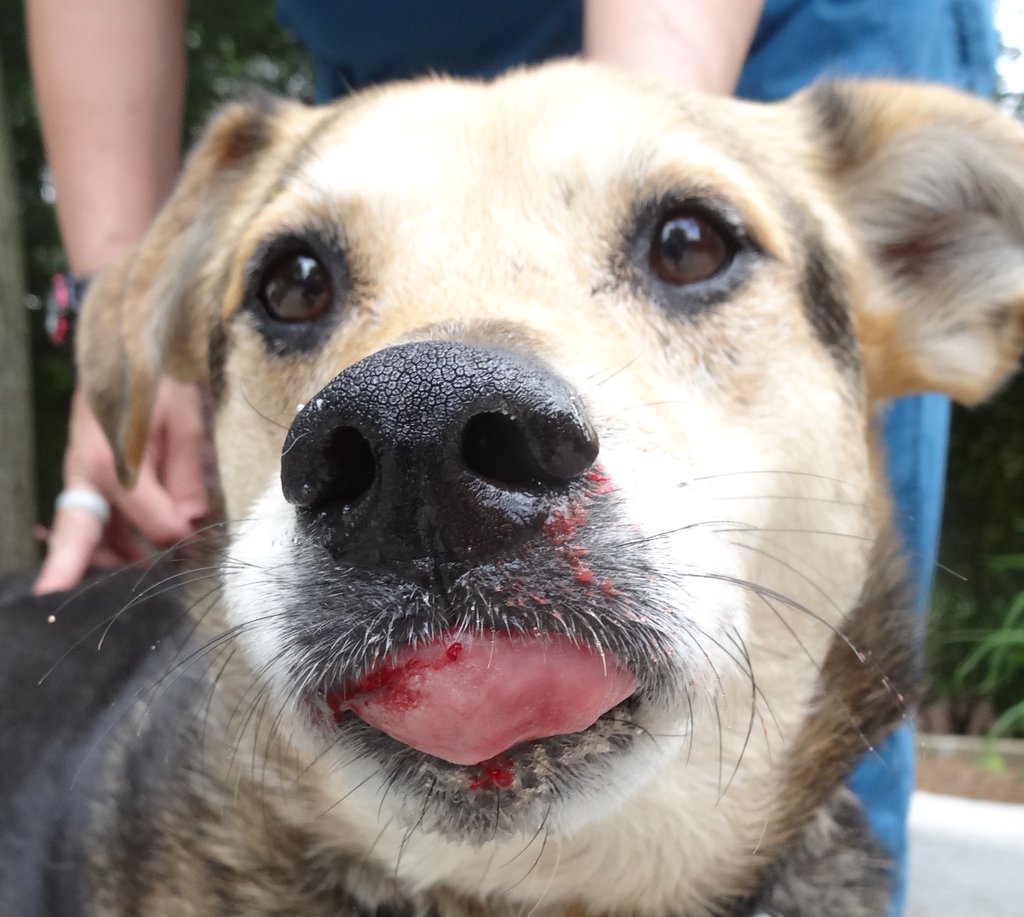
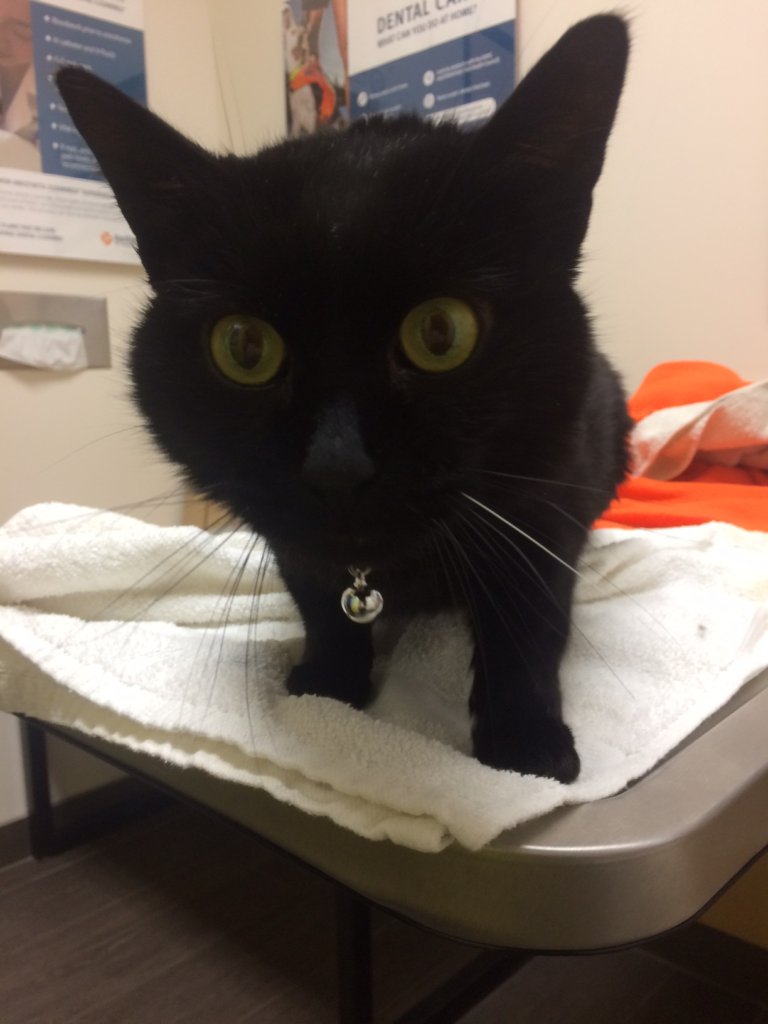
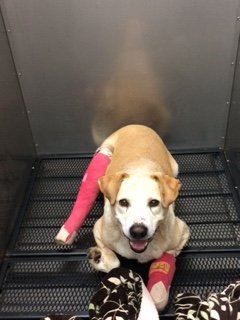
Please donate to today to help pets like:
Carlos, an eleven year old Rottweiler mix lives in a tent in Arizona with Debra. Carlos had an ear infection. Pets of the Homeless paid for an exam, ear cytology, ear flush and medications.
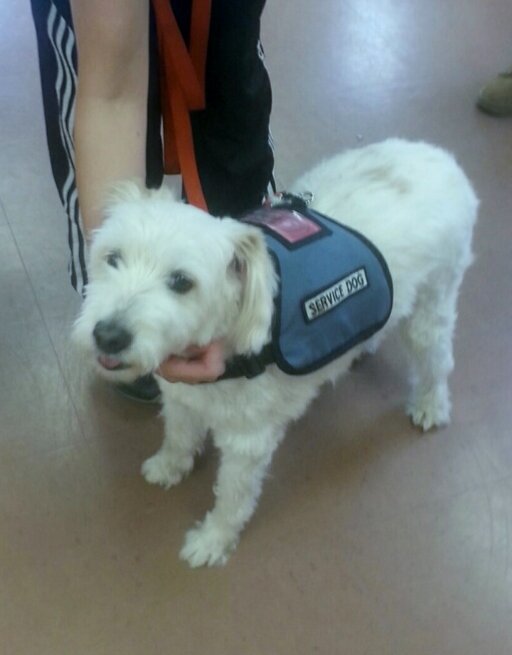
Prince, lives in a car with his homeless guardian in North Carolina. The disabled woman called Pets of the Homeless about her Terrier mix service dog, Prince when she thought he might have a broken tail because he could not lay down due to the pain. Luckily, Prince’s tail was only badly bruised. We paid for an exam and pain medication.
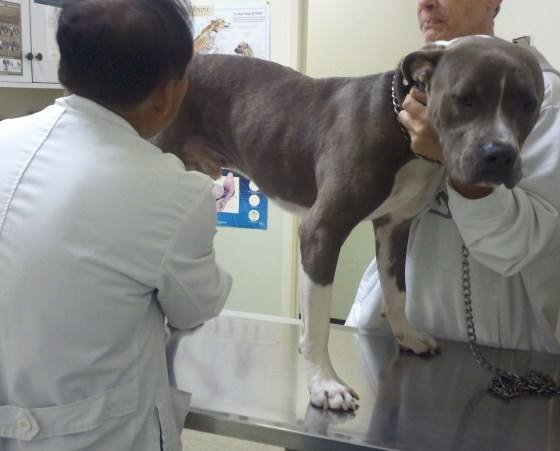
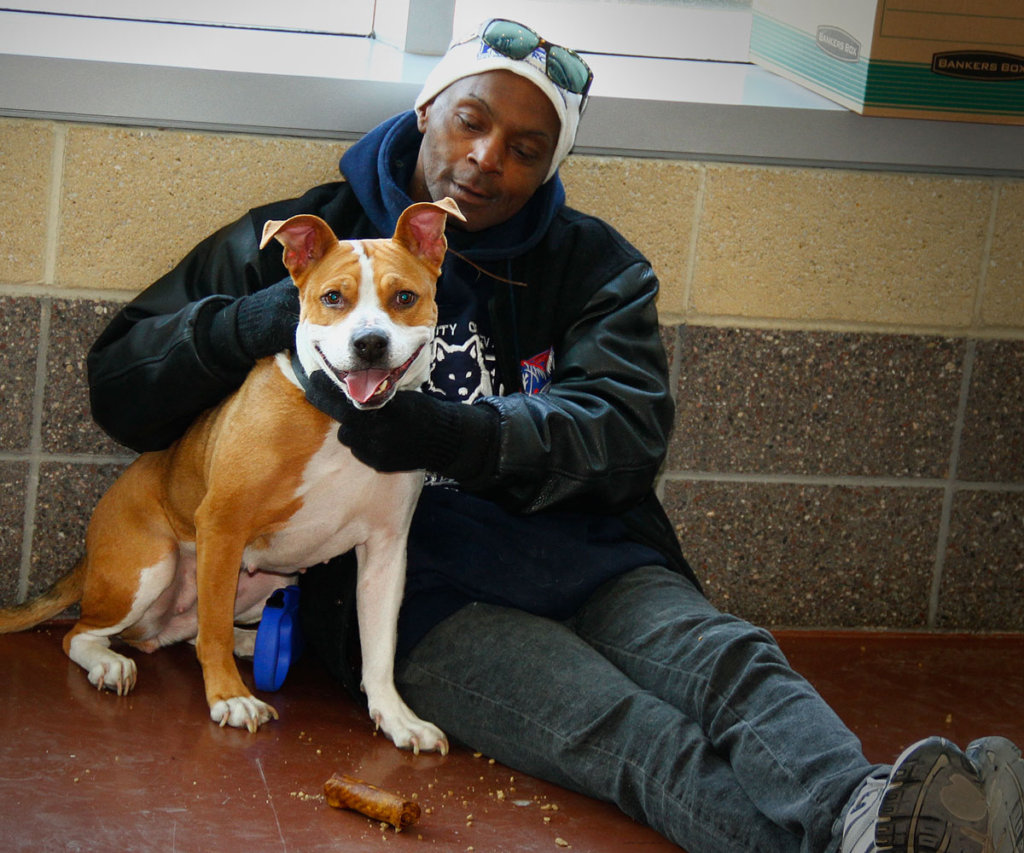
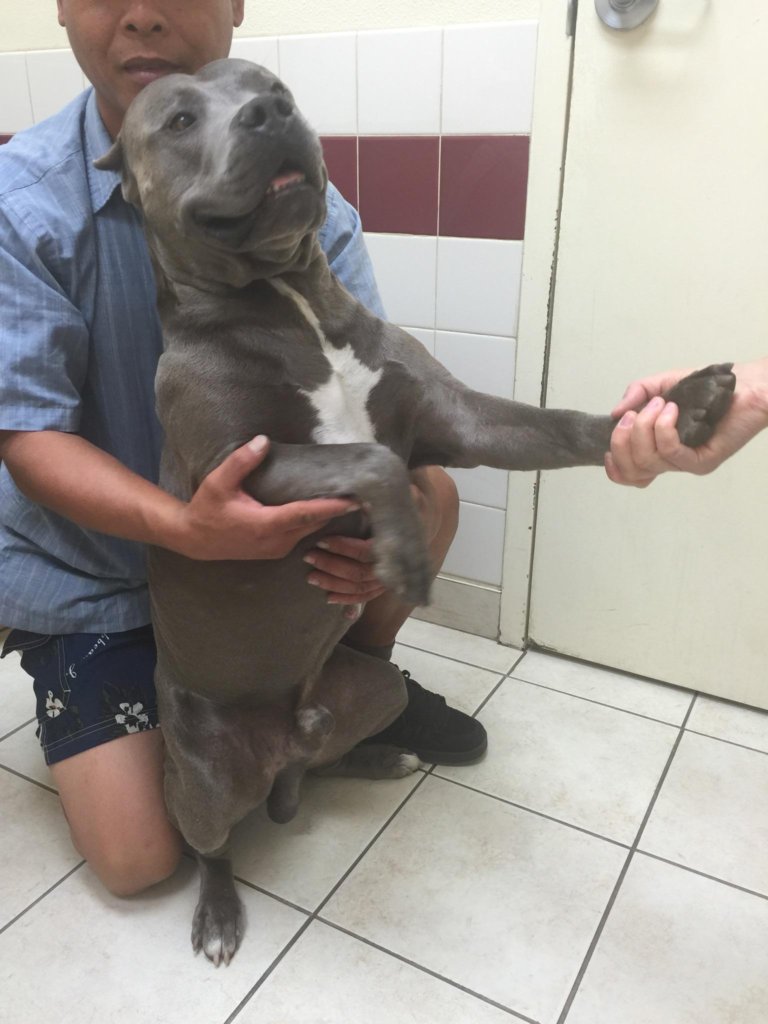
Pets of the Homeless received a call from a disabled homeless man who lives on the streets in Northern California. He was concerned because his companion dog, Rollin, a 4 year old male blue-nosed Pit Bull Terrier who was limping, licking his paws, and had blisters from all the walking on hot pavement they had been doing. Pets of the Homeless paid for an exam, antibiotics, special cleaning wipes for his infected paws, and we updated his distemper/parvo and rabies vaccinations. The owner was not interested in having his dog neutered which we would have paid.
Links:
Project reports on GlobalGiving are posted directly to globalgiving.org by Project Leaders as they are completed, generally every 3-4 months. To protect the integrity of these documents, GlobalGiving does not alter them; therefore you may find some language or formatting issues.
If you donate to this project or have donated to this project, you can receive an email when this project posts a report. You can also subscribe for reports without donating.



Support this important cause by creating a personalized fundraising page.
Start a Fundraiser